
Quick Setup Guide for Mobile Asphalt Plants on Site
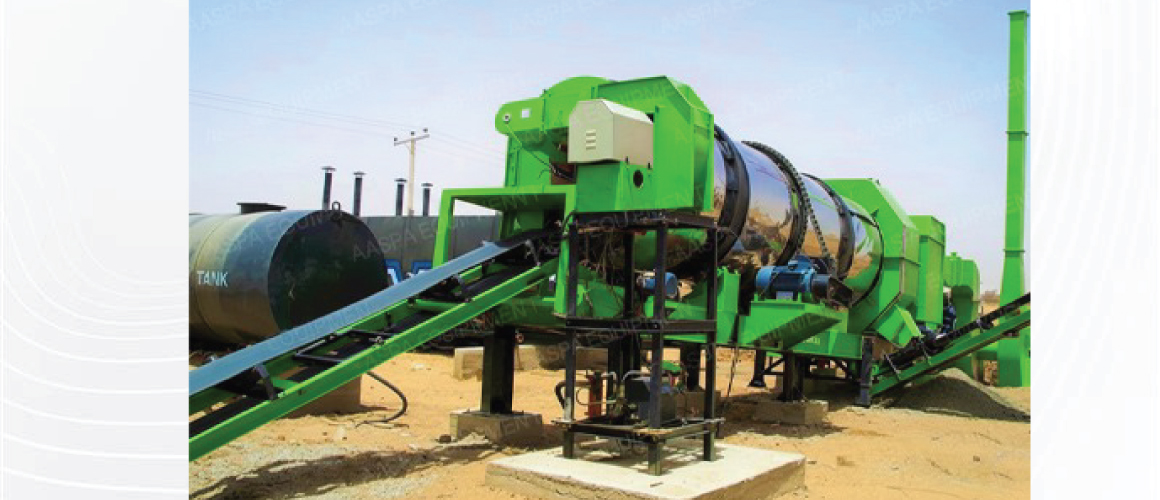
Getting a mobile asphalt plant up and running on your job site might seem like a big job, but it’s actually designed to be quite practical. The core idea behind a mobile plant is to bring the asphalt production to where you need it, cutting down on transportation costs and improving efficiency. This guide will walk you through the essentials, aiming to make the setup process as smooth and straightforward as possible.
Understanding the Basics of Mobile Asphalt Plant Setup
Think of a mobile asphalt plant as a powerhouse on wheels, designed for quick deployment and operation. Unlike its stationary counterparts, a mobile plant is built to be broken down, transported, and reassembled with relative ease. This flexibility is its biggest advantage, allowing you to move production closer to various project sites, saving time and money on hauling hot mix. The setup involves connecting modular components, ensuring they are level, secure, and properly aligned for efficient material flow and safety.
Why Choose a Mobile Plant?
The primary driver for using a mobile plant is project-specific needs. If you’re working on a highway project spanning hundreds of miles, or multiple smaller projects in different locations, a mobile plant makes perfect sense. It minimizes the time asphalt spends in transit, which can lead to temperature drops and quality issues. Plus, it gives you more control over your production schedule and material availability.
Key Components of a Mobile Plant
While configurations can vary, most mobile asphalt plants share several core components. You’ll typically find a cold feed system that manages aggregate intake, a dryer drum to remove moisture and heat the aggregates, a burning system to fuel the dryer, a dust collection system for environmental compliance, a mixing tower where asphalt cement is added to the heated aggregates, and a control cabin to oversee the entire operation. These components are usually mounted on chassis or skids for easy transport and assembly.
Key Considerations for Setting Up a Mobile Asphalt Plant
Before any equipment even touches the ground, a good amount of planning needs to happen. Thinking through these points upfront can save you significant headaches and delays down the line. It’s all about creating a solid foundation for your operations.
Site Selection and Preparation
Choosing the right spot for your plant is probably one of the most critical decisions. You need an area that’s large enough to accommodate all the components, including aggregate stockpiles, asphalt cement tanks, fuel tanks, and space for loading and unloading trucks. The ground needs to be relatively level and capable of supporting substantial weight. Think about drainage too; you don’t want your plant sitting in a mud pit after a rain shower. Access roads for material delivery and asphalt truck egress are also crucial. Consider proximity to utilities like power and water, though many mobile plants are designed to be self-sufficient in these areas.
Regulatory Compliance and Permitting
This is where you definitely don’t want to cut corners. Depending on your location, there will be various environmental regulations to adhere to, including air quality permits, noise restrictions, and potentially water discharge permits. There might also be local zoning laws or permits required for industrial operations. It’s always best to consult with local authorities well in advance to understand all the requirements and avoid costly fines or project stoppages. Showing up with a plan for compliance will generally be received much better than ignoring it.
Logistics and Transportation
How will you get all these sizable pieces of equipment to the site? This involves careful planning of transportation routes, securing appropriate heavy-haul vehicles, and potentially escorts for oversized loads. Also, consider the sequence of arrival – you want components to arrive in an order that facilitates efficient assembly, not one that creates bottlenecks. Offloading equipment at the site also needs to be planned, often requiring cranes or specialized lifting gear.
Step-by-Step Guide to Efficiently Setting Up an Asphalt Plant on Site
Once you’ve got your site ready and permits in hand, it’s time to start putting things together. This isn’t rocket science, but a systematic approach will make a huge difference in how quickly and safely you get operational.
Foundation and Leveling
The very first step is to establish a stable and level base for each component. Many mobile plants come with their own leveling jacks or require stable concrete pads. Precision here is key. An unlevel plant can lead to mechanical strain, premature wear, and even safety hazards. Using surveying equipment to ensure everything is perfectly plumb and level will pay dividends in the long run. Small adjustments during this phase are far easier than trying to fix things once everything is bolted down.
Component Assembly and Connection
This is where the plant starts to take shape. Typically, you’ll begin with the cold feed bins, followed by the dryer drum, then the hot elevator, screen, and mixing tower. Asphalt cement tanks and fuel tanks are usually placed nearby. Each component needs to be correctly positioned, bolted together, and secured according to the manufacturer’s instructions. This often involves connecting chutes, conveyors, and ductwork – ensuring tight seals to prevent material loss or dust emissions.
Electrical and Control System Integration
Wiring up a mobile plant is a critical step that requires qualified electricians. All electrical panels, motors, sensors, and the control cabin need to be connected correctly. This isn’t just about making things turn on; it’s about ensuring proper safety interlocks are in place and that the control system can accurately monitor and manage the entire production process. A well-integrated control system is the brain of your operation, allowing for precise recipe management and process optimization.
Fuel and Liquid Asphalt Connections
Connecting fuel lines to the burner system and asphalt cement pipelines from the tanks to the mixing tower needs to be done meticulously. Leaks in these systems are not only inefficient but can also pose significant environmental and safety risks. All connections should be secure, free from obstructions, and tested thoroughly for integrity before operation. Remember to consider heating elements for the asphalt cement lines to maintain the correct viscosity.
Essential Equipment for Mobile Asphalt Plant Setup
Beyond the plant itself, you’ll need a few other pieces of heavy machinery and essential tools to get everything assembled and running smoothly. Don’t forget these supporting actors; they are just as important as the main equipment.
Cranes and Lifting Equipment
Given the weight and size of mobile asphalt plant components, a suitably sized crane is often indispensable for offloading and assembly. Ensure the crane has the lifting capacity and reach required for your specific plant model. Forklifts or telehandlers can also be useful for moving smaller components and materials around the site. Safety protocols for lifting operations are paramount here.
Earthmoving and Grading Equipment
Before the plant arrives, you’ll need dozers, graders, and compactors to prepare the site. This involves clearing, leveling, and compacting the ground to create a stable foundation. Even after the plant is set up, this equipment will be useful for creating and maintaining aggregate stockpiles.
Utility Connections and Ancillary Gear
Generators are often a necessity, especially if grid power isn’t readily available or reliable. Water tanks and pumps may be needed for dust suppression systems or general site use. Don’t forget about safety gear like fire extinguishers, first aid kits, and appropriate personal protective equipment (PPE) for all personnel on site. Lighting towers can be crucial for extended work hours or nighttime operations.
Tips for Streamlining the Setup Process of an Asphalt Plant
While there’s a logical flow to things, a few proactive steps can really grease the wheels and help you avoid common snags. It’s about working smarter, not just harder.
Detailed Planning and Scheduling
Create a comprehensive project plan that outlines every step of the setup process, assigns responsibilities, and sets realistic timelines. Think about critical paths – what steps absolutely must happen before others can begin? A detailed schedule helps coordinate material deliveries and personnel.
Pre-Assembly and Pre-Wiring
If possible, some components can be partially pre-assembled or pre-wired before arriving on site. This can significantly reduce on-site labor and time. Check with the manufacturer about any such options.
Manufacturer Support and Training
Leverage the expertise of the plant manufacturer. They often provide detailed assembly manuals, technical support, and even on-site technicians to assist during the initial setup. Investing in training for your operators and maintenance staff beforehand will ensure they are familiar with the plant’s systems and can troubleshoot minor issues.
Safety Precautions for Setting Up a Mobile Asphalt Plant on Site
Safety isn’t just a box to tick; it’s a fundamental commitment that protects your team and your investment. The setup phase, with its heavy lifting and complex tasks, has its own unique set of risks.
Comprehensive Safety Plan
Develop and communicate a thorough safety plan that addresses all potential hazards during setup. This should cover everything from crane operations and confined spaces to electrical safety and fall protection. Regular safety briefings before each shift are a must.
Personal Protective Equipment (PPE)
Ensure everyone on-site wears the appropriate PPE – hard hats, safety glasses, high-visibility clothing, safety footwear, and hearing protection are typically non-negotiable. Specialized tasks might require additional gear like respirators or fall arrest systems.
Emergency Preparedness
Have an emergency response plan in place. This includes clear evacuation routes, designated assembly points, readily accessible first aid supplies, and trained first responders on site. Know local emergency service contacts and be prepared to direct them to your location. Fire prevention is particularly important around fuel and hot materials.
Clear Communication and Signage
Maintain clear communication channels among all team members, especially during intricate lifting or heavy equipment operations. Use standard hand signals and two-way radios as needed. Post clear warning signs for restricted areas, potential hazards, and mandatory PPE requirements. It sounds basic, but clear signage prevents accidental entry into dangerous zones.
Best Practices for Mobile Asphalt Plant Setup and Operation
Once the plant is humming, it’s about maintaining that efficiency and quality for the long haul. A few key practices can make all the difference in minimizing downtime and maximizing output.
Regular Maintenance Schedule
Don’t wait for something to break. Implement a proactive preventative maintenance program. This includes daily checks, weekly inspections, and scheduled major overhauls. Keep detailed records of all maintenance activities, noting wear patterns and potential issues. This helps in predicting future failures and ordering spare parts in advance.
Quality Control Procedures
Consistent asphalt quality is paramount. Establish robust quality control procedures for incoming materials (aggregates, asphalt cement) and outgoing hot mix. This involves regular testing of aggregate gradation, moisture content, asphalt content, and mix temperatures. The control cabin operator plays a crucial role in monitoring these parameters.
Environmental Management
Continue to uphold environmental responsibilities during operation. Regularly inspect the dust collection system to ensure it’s working efficiently and that emissions are within permitted limits. Manage aggregate stockpiles to prevent erosion and dust. Properly handle and dispose of any waste materials, including used oils or solvents.
Continuous Improvement
Always look for ways to optimize your operations. Review production data, analyze energy consumption, and seek feedback from your operators and maintenance crew. Small adjustments to processes or material handling can lead to significant improvements in efficiency, cost savings, and overall plant performance. The goal is to evolve and adapt, leveraging the mobility of your plant to its fullest potential.
FAQs
- What are the key considerations for setting up a mobile asphalt plant on site?
When setting up a mobile asphalt plant on site, it is important to consider factors such as site location, environmental regulations, transportation logistics, and access to necessary utilities like water and electricity.
- What are the essential equipment needed for setting up a mobile asphalt plant?
Essential equipment for setting up a mobile asphalt plant includes the asphalt mixing unit, aggregate feeder bins, conveyor belts, storage silos, control panel, and pollution control devices. Additionally, a reliable power source and water source are essential for operation.
- What are the safety precautions to be taken when setting up a mobile asphalt plant on site?
Safety precautions for setting up a mobile asphalt plant on site include conducting a thorough site assessment, providing proper training for personnel, following safety guidelines for equipment operation, and implementing measures to prevent environmental hazards and accidents.
- What are the best practices for efficiently setting up and operating a mobile asphalt plant?
Best practices for efficiently setting up and operating a mobile asphalt plant include proper planning and organization, regular maintenance of equipment, adherence to environmental regulations, efficient use of resources, and continuous monitoring of plant operations for optimal performance.
- What are some tips for streamlining the setup process of an asphalt plant on site?
Tips for streamlining the setup process of an asphalt plant on site include pre-planning the layout and logistics, ensuring all necessary equipment and materials are readily available, coordinating with suppliers and contractors, and utilizing technology for efficient communication and coordination.