
Common Problems in Bitumen Sprayers & How to Fix Them
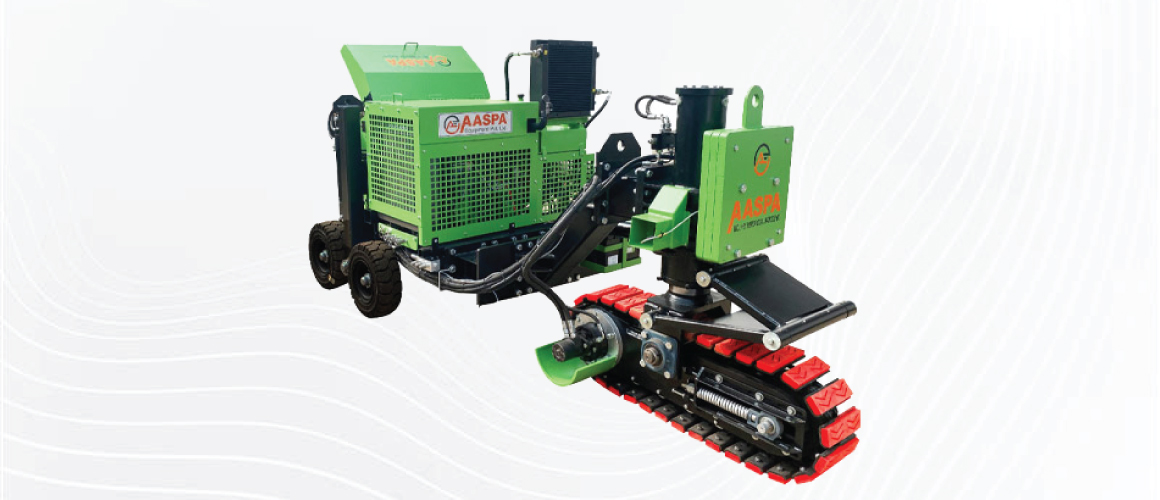
You’ve got a bitumen sprayer, and you’re probably wondering what goes wrong with them and, more importantly, how to get them running smoothly again. The good news is that most common issues with bitumen sprayers are pretty manageable with a bit of know-how. Think of this as your go-to guide to fixing the usual suspects, keeping things running, and even preventing future headaches.
What Common Problems Occur in Bitumen Sprayers?
Bitumen sprayers are workhorses, but like any piece of machinery, they encounter their fair share of problems. Understanding these common issues is the first step to keeping your operation on track and avoiding costly downtime. Most of the time, it comes down to a few key areas: clogs, temperature glitches, pump woes, and calibration hiccups.
Nozzle Issues: The Tiny Culprits of Big Problems
The nozzles are where the magic (or the mess) happens. When they don’t spray evenly, or worse, don’t spray at all, it’s almost always a nozzle problem.
Why Do Nozzles Get Clogged?
The sticky nature of bitumen itself is the primary offender. As bitumen cools, it can solidify within the nozzle passages. Dirt, debris, or even residual asphalt particles can also accumulate over time, forming blockages.
Spotting a Clogged Nozzle
You’ll notice uneven spray patterns, dribbling, or no spray at all. Sometimes, you might hear a hissing sound if there’s a partial blockage allowing air to escape.
Heating and Temperature Control Glitches: The Heat is On
Bitumen needs to be at the right temperature to flow and spray correctly. If it’s too cold, it’s too thick; too hot, and it can degrade or become a fire hazard.
What Causes Temperature Problems?
Issues with the heating element, thermostat malfunction, or inadequate insulation can all lead to temperature control problems. Sometimes, it’s simply a matter of not giving the sprayer enough time to reach the optimal temperature.
Recognizing Temperature Issues
You might find that the bitumen isn’t spraying properly, or it’s spraying but looks too thick or too thin. If your sprayer has a digital display, pay close attention to the readings and compare them to the manufacturer’s recommendations.
Pump and Pressure Woes: The Heart of the Operation
The pump is what moves the bitumen through the system and creates the necessary pressure for spraying. When it’s not working right, nothing else will either.
Common Pump Failures
Wear and tear is a big one, leading to reduced flow or pressure. Leaks in hoses or seals can also cause pressure drops. Sometimes, air getting into the system can cause the pump to cavitate or lose its prime.
Signs of Pump and Pressure Problems
You’ll likely experience inconsistent spray, low pressure readings, or a pump that’s making unusual noises. The bitumen might not reach the application area at all.
Calibration and Adjustment: Getting It Just Right
Even with a perfectly functioning sprayer, if it’s not calibrated or adjusted properly, you won’t get the desired results. This affects the application rate and coverage.
Why Calibration Matters
Correct calibration ensures that you’re applying the right amount of bitumen for the job. This is crucial for durability, adhesion, and cost-effectiveness.
What Happens When Calibration is Off?
You might end up applying too little bitumen, leading to poor performance and premature failure of the asphalt layer. Conversely, too much bitumen can be wasteful and lead to other issues like rutting.
How Can You Troubleshoot Bitumen Sprayer Problems Quickly?
When your sprayer acts up, don’t panic. A systematic approach will help you pinpoint the problem and get it fixed quickly.
Tackling Nozzle Blockages Head-On
Nozzle clogging is probably the most frequent visitor to your repair list. Fortunately, it’s also one of the easiest to deal with.
Immediate Fixes for Clogged Nozzles
Firstly, try a quick flush. Most sprayers have a cleaning function or a way to run a solvent or clean bitumen through the system. If that doesn’t work, you might need to manually remove the affected nozzle.
Deeper Cleaning and Prevention
If a simple flush isn’t enough, you may need to soak the nozzle in a suitable solvent. Always refer to your sprayer’s manual for recommended cleaning agents. Regular flushing after each use is key to preventing build-up.
When to Replace a Nozzle
If a nozzle is significantly damaged or corroded, or if it consistently clogs despite thorough cleaning, it’s probably time for a replacement. It’s often more cost-effective to replace a faulty nozzle than to spend hours trying to fix it.
Solving Heating and Temperature Control Hiccups
Getting the temperature right is vital for a good spray. When it’s off, you need to act fast.
Verifying Thermostat Functionality
The thermostat is the brain of your heating system. Check if it’s registering the correct temperature and if the heating element is engaging when it should be. Sometimes, a simple reset or recalibration of the thermostat is all that’s needed.
Checking the Heating Element and Insulation
If the thermostat seems fine but the bitumen isn’t heating, the heating element itself might be faulty. Inspect it for any visible damage. Also, check the insulation around the tank and lines. Poor insulation means heat escapes, making it harder to maintain the desired temperature.
Emergency Temperature Adjustments
In a pinch, if your heating system is struggling, you might need to adjust your work speed or the nozzle settings to compensate for the slightly off temperature. However, this is a temporary fix; the underlying issue needs to be addressed.
Rectifying Pump and Pressure Ailments
A well-functioning pump is essential. When it falters, it throws a wrench in the whole operation.
Diagnosing Pressure Drop
If you’re experiencing low pressure, start by checking for obvious leaks in hoses and connections. Then, inspect the pump’s intake and discharge lines for any blockages.
Priming the Pump
Air in the system is a common cause of pump problems. If your pump is struggling, it might need to be “primed.” This usually involves allowing bitumen to fill the pump before starting it, often by opening a specific valve or running the intake line submerged in bitumen.
Identifying Pump Wear and Tear
If the pump is making loud or unusual noises, or if it’s consistently failing to generate adequate pressure, it might be a sign of internal wear. In such cases, consulting a service technician or considering a pump rebuild or replacement might be necessary.
Ensuring Clean Filter Systems
Many bitumen sprayers have filters to protect the pump and nozzles. A clogged filter will severely restrict flow and pressure. Regularly check and clean or replace these filters as per the manufacturer’s recommendations.
How Do You Calibrate a Bitumen Sprayer Correctly?
Precise application is not just about accuracy; it’s about efficiency and quality.
Understanding Application Rates
Before you start spraying, know the required application rate for your specific job. This is usually specified in liters per square meter or gallons per square yard.
How to Calibrate Your Sprayer?
Calibration typically involves measuring the output of the sprayer over a known area or for a specific duration. This might involve running the sprayer at a set engine speed and pump speed, then measuring the volume of bitumen discharged. Adjustments to pump speed, nozzle size, or sprayer speed are then made to achieve the target application rate.
The Role of Manufacturer’s Data
Always refer to your bitumen sprayer’s manual for specific calibration procedures. Different models will have unique settings and procedures.
Regular Checks for Consistency
Don’t just calibrate once. Regularly check your settings throughout the job to ensure consistency. Even small variations can impact the final result.
What Preventive Maintenance Keeps a Bitumen Sprayer Running Smoothly?
The best way to deal with problems is to stop them before they start. Regular maintenance is your best friend.
Daily Checks: Your First Line of Defence
A quick once-over each day can catch minor issues before they escalate.
Before Each Use
Visual Inspection: Look for any loose connections, leaks, or obvious damage to hoses, pipes, and the tank.
Fluid Levels: Check the levels of bitumen in the tank and any hydraulic or engine oil.
Nozzle Check: Ensure all nozzles are clear and free of debris.
After Each Use
Thorough Flushing: This is crucial. Run a suitable cleaning solvent or clean bitumen through the entire system, including the lines, pump, and nozzles, to remove all residual bitumen. This prevents hardening and clogging.
External Cleaning: Wash down the exterior of the sprayer to remove any bitumen drips or splatter. This prevents future corrosion and makes it easier to spot leaks.
Regular Servicing: The Deeper Dive
Beyond daily checks, scheduled servicing is vital for long-term reliability.
Filter Replacement Schedule
Filters are often overlooked but play a critical role. Adhere to the manufacturer’s recommended schedule for cleaning or replacing fuel filters, hydraulic filters, and any bitumen filters.
Checking Seals and Gaskets
Over time, seals and gaskets can degrade, leading to leaks. Periodically inspect all seals and replace any that are worn, cracked, or brittle.
Lubrication Points
Just like any machine, your bitumen sprayer has lubrication points that need regular attention. Consult your manual to identify these points and apply the correct lubricant at the recommended intervals.
Engine and Hydraulic System Checks
The engine and hydraulic systems are the powerhouses of your sprayer. Regular checks of oil levels, coolant, and hydraulic fluid pressure, along with any scheduled engine servicing, are essential.
Winterization: Protecting Your Investment
If your sprayer will be idle during colder months, proper winterization is a must.
Draining and Cleaning
Ensure the entire system is completely drained of bitumen and thoroughly cleaned. Any residual bitumen left to freeze can cause significant damage.
Protecting Against Rust and Corrosion
Apply protective coatings or lubricants to vulnerable parts of the sprayer to prevent rust, especially if it’s stored outdoors.
Storing Properly
Store the sprayer in a dry, protected area to shield it from the elements.
How Can You Keep a Bitumen Sprayer Performing Efficiently?
|
Metrics |
Data |
|
Bitumen Sprayer Capacity |
5000 liters |
|
Operating Pressure |
2.5-4.5 bar |
|
Spraying Width |
2.4-4.2 meters |
|
Heating System |
Diesel burner |
|
Material Compatibility |
Bitumen emulsion, polymer modified bitumen |
Bitumen sprayers are robust pieces of equipment, but they do require attention and care. By understanding the common problems, knowing how to troubleshoot them effectively, and diligently practicing preventive maintenance, you can keep your sprayer running smoothly for years to come. Remember, a little investment in time and care now can save you a lot of hassle and expense down the road. Always refer to your specific sprayer’s manual for detailed instructions and recommendations tailored to your model.
FAQs
What are some common problems in bitumen sprayers?
Some common problems in bitumen sprayers include nozzle clogging, heating and temperature control issues, pump and pressure problems, and calibration and adjustment issues.
How can nozzle clogging in bitumen sprayers be effectively addressed?
Nozzle clogging in bitumen sprayers can be effectively addressed by regularly cleaning and maintaining the nozzles, using proper bitumen emulsions, and ensuring the correct operating temperature.
What are some tips for troubleshooting bitumen sprayer issues?
Some tips for troubleshooting bitumen sprayer issues include checking for clogged nozzles, inspecting the heating and temperature control system, examining the pump and pressure settings, and ensuring proper calibration and adjustment.
How can preventive maintenance help avoid common problems in bitumen sprayers?
Preventive maintenance for bitumen sprayers can help avoid common problems by regularly inspecting and cleaning the equipment, using high-quality bitumen emulsions, and following manufacturer’s guidelines for maintenance and operation.
What are some effective solutions for overcoming heating and temperature control problems in bitumen sprayers?
Effective solutions for overcoming heating and temperature control problems in bitumen sprayers include checking the heating system for any malfunctions, ensuring proper insulation of the tank, and using temperature sensors to monitor and adjust the temperature as needed.