
Case Study: Using Mobile Plants in Remote Terrain Projects
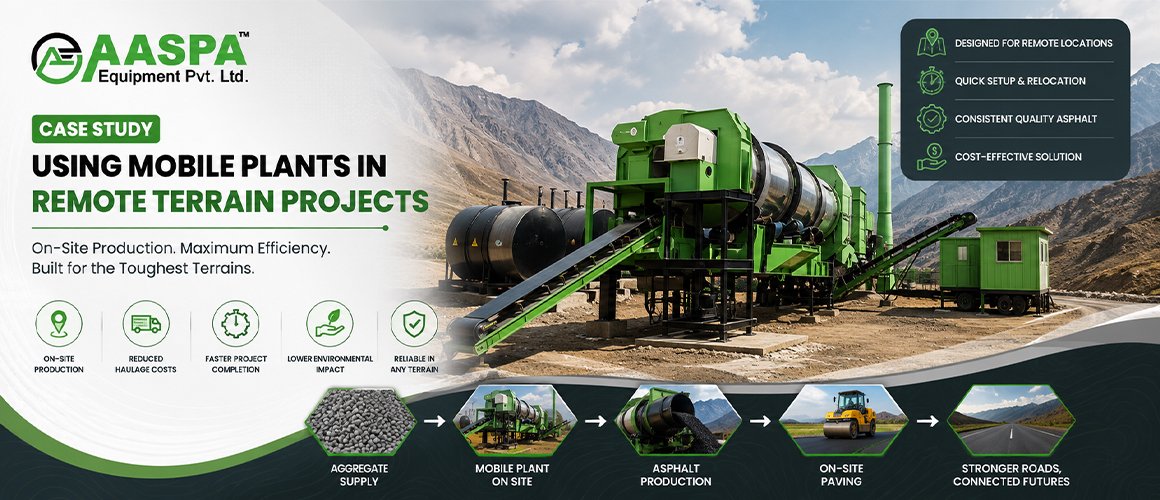
Asphalt production in remote terrain projects presents a unique set of challenges. The question often arises: how do we get quality asphalt to areas far from traditional batch plants, where infrastructure is limited and transport is a nightmare? The direct answer is through the strategic deployment of mobile asphalt plants. These adaptable machines have become a game-changer, allowing construction and maintenance teams to produce the necessary material on-site or very close by, significantly reducing logistical hurdles and improving project timelines in difficult-to-reach locations.
Challenges of Working in Remote Terrain Projects
Working in remote terrains, whether it’s mountainous regions, dense forests, or isolated desert landscapes, brings a host of complexities that can derail even the best-laid plans. These aren’t just minor inconveniences; they’re fundamental obstacles that demand innovative solutions.
Transport and Accessibility Nightmares
Transporting heavy equipment and materials to remote sites is often the biggest hurdle. Roads might be non-existent, poorly maintained, or simply too narrow for large trucks. This means longer travel times, increased fuel consumption, and higher risks of accidents or breakdowns. Often, specialized vehicles are needed, further escalating costs and logistical planning. Even once on-site, moving materials around can be difficult due to uneven terrain.
Limited Infrastructure and Resources
Imagine trying to build a runway with no power grid, limited water sources, and no readily available aggregate. That’s the reality in many remote projects. There’s often no existing infrastructure to support standard construction operations. This extends to utilities like electricity and water, as well as crucial resources like skilled labor and maintenance facilities for equipment. Everything, from a wrench to a generator, usually needs to be brought in.
Environmental Sensitivities and Regulations
Remote terrains often encompass pristine natural environments. This means environmental impact assessments are stringent, and regulations regarding pollution, noise, and site disturbance are strictly enforced. Operating heavy machinery, especially traditional asphalt plants, can be challenging under these conditions. There’s a constant need to minimize ecological footprints and adhere to local and national environmental protection standards.
Unpredictable Weather Conditions
Mountain passes can be clear one moment and snowed in the next. Deserts experience extreme temperature swings. Remote projects are often at the mercy of unpredictable and harsh weather patterns. Rain can turn dirt roads into impassable mud pits, freezing temperatures can impact material performance, and high winds can create unsafe working conditions. These elements can cause significant delays and increase project costs.
Advantages of Using Mobile Plants for Asphalt Production
Given these formidable challenges, mobile asphalt plants emerge not just as a convenience, but often as a necessity. Their very design addresses many of the core problems associated with remote work.
On-Site Production and Reduced Haulage
The most obvious benefit of a mobile plant is its ability to produce asphalt right where it’s needed. This radically cuts down on the need for long-haul transportation of hot mix from distant stationary plants. Imagine the fuel savings, the reduction in traffic congestion, and the elimination of complex convoy logistics. It also minimizes thermal loss of the asphalt, ensuring it’s delivered at optimum working temperature.
Flexibility and Portability
These plants are designed to be disassembled, moved, and reassembled relatively quickly. This flexibility is invaluable in phased projects or when a project spans a large geographical area. They can be relocated as the work progresses, always staying close to the point of use. This portability means they can access locations that traditional fixed plants simply never could.
Tailored Production for Specific Needs
Mobile plants, while compact, offer a surprising degree of control over the asphalt mix. Engineers can adjust the blend on-site to meet specific project requirements, whether it’s varying aggregate sizes, binder content, or additive proportions. This ensures the asphalt produced is perfectly suited for the local conditions and intended application, optimizing performance and longevity.
Faster Project Completion
By eliminating the delays associated with asphalt delivery from far away, mobile plants can significantly accelerate project timelines. There’s no waiting for trucks, no dependency on external suppliers’ schedules. This means continuous work, quicker paving, and ultimately, faster project completion, which is a major advantage in time-sensitive remote endeavors.
Case Study: Successful Implementation of Mobile Plants in Remote Terrain Projects
Real-world applications truly highlight the impact of mobile asphalt plants. One compelling example often cited involves the development of infrastructure in relatively undeveloped regions, such as parts of Central Asia or South America where vast distances separate communities and existing roads are poor.
Mountain Road Construction in the Andes
Consider a project to construct a new highway section through a remote high-altitude region in the Andes. Traditional methods would have involved trucking asphalt hundreds of kilometers uphill, facing steep gradients, hairpin bends, and extreme weather. A mobile asphalt plant was instead deployed at a strategic staging area relatively close to the construction zone.
Using locally sourced aggregates – after proper testing and processing – the plant produced asphalt on demand. This approach dramatically reduced transportation costs and time, minimized environmental disturbance by avoiding constant heavy truck traffic on existing, fragile roads, and allowed the project to continue even during periods when long-distance transport would have been impossible due to weather. The ability to quickly relocate the plant as sections of the road were completed was also crucial to maintaining progress. The result was a high-quality road built faster and more economically than would have been feasible otherwise.
Airfield Renovation in Sub-Saharan Africa
Another instance involved the renovation of a remote airstrip in a sub-Saharan African country. The nearest fixed asphalt plant was located several days’ drive away over challenging terrain. Rather than attempting this logistical nightmare, a mobile asphalt plant was deployed directly at the airfield.
This allowed for the continuous supply of fresh, hot asphalt for the runway and taxiways. It also provided opportunities for local employment, as personnel were trained to operate and maintain the plant. This project not only delivered a critical piece of infrastructure efficiently but also provided valuable capacity building within the local workforce. The absence of heavy long-haul trucking also meant less impact on fragile local tracks and less overall carbon footprint for the project’s asphalt supply.
Overcoming Logistics and Infrastructure Challenges with Mobile Asphalt Plants
|
Challenges |
Solutions |
|
Lack of access to traditional asphalt plants |
Mobile asphalt plants can be transported to remote locations |
|
High transportation costs for asphalt materials |
On-site production reduces transportation costs |
|
Limited infrastructure for large-scale asphalt production |
Mobile plants can be set up quickly and require less infrastructure |
|
Environmental regulations for emissions |
Mobile plants can be equipped with advanced emission control systems |
While mobile plants offer significant advantages, their deployment in remote areas isn’t entirely without its own set of logistical considerations. However, these are often more manageable than those associated with traditional methods.
Strategic Site Selection and Preparation
Choosing the right spot for a mobile plant is crucial. It needs to be relatively flat, offer good drainage, and ideally be close to aggregate sources and a water supply. Access for raw material deliveries and equipment relocation is also key. Often, some basic civil works like grading and compacting a pad for the plant are necessary, but these are small-scale compared to building a permanent facility.
Managing Raw Material Supply Chains
Even with on-site production, raw materials like aggregates, bitumen, and sometimes additives still need to be transported. The strategy shifts from hauling finished asphalt to hauling raw materials. This often means establishing smaller, more frequent supply lines, potentially using smaller vehicles that can navigate difficult terrain. Sourcing aggregates locally, if compliant with specifications, is a major logistical win.
Power Generation and Fuel Management
Since remote sites often lack grid power, mobile plants typically rely on generators. This makes fuel management a critical aspect. Reliable fuel supply, secure storage, and efficient usage are paramount. Planning for contingencies, such as backup generators or additional fuel reserves, is also a common practice to ensure continuous operation.
Environmental Benefits of Utilizing Mobile Plants in Remote Terrain Projects
Beyond the practicalities of construction, the environmental footprint of remote projects is a growing concern. Mobile plants offer several advantages in this regard.
Reduced Carbon Emissions from Transport
The most significant environmental benefit comes from the drastic reduction in transportation distances for hot mix asphalt. Fewer truck miles mean less fuel consumption and, consequently, lower greenhouse gas emissions. This directly contributes to a smaller carbon footprint for the entire project.
Minimizing Thermal Energy Loss
Transporting hot asphalt over long distances results in significant heat loss, requiring the mix to be produced at higher temperatures initially to ensure it’s still workable upon arrival. On-site production with mobile plants minimizes this heat loss, allowing for lower production temperatures and thus, less energy consumption at the plant itself.
Lower Impact on Local Roads and Ecosystems
Heavy trucks constantly traversing existing roads, especially unpaved ones, cause wear and tear, dust pollution, and can disturb local ecosystems. By reducing the need for such extensive transport, mobile plants help preserve local infrastructure and minimize ecological disruption along haul routes.
Cost-Effectiveness and Efficiency of Mobile Asphalt Plants in Remote Terrain Projects
Ultimately, success in any project often boils down to cost and efficiency. Mobile plants, despite initial setup costs, can prove to be highly cost-effective in the long run for remote operations.
Eliminating Long-Haul Asphalt Costs
The savings from not having to transport asphalt over vast distances are substantial. This includes fuel costs, vehicle maintenance, driver wages, and the indirect costs of delays caused by transport logistics. For large volumes of asphalt, these savings quickly add up.
Optimized Resource Utilization
By producing asphalt on-site, there’s less waste. The exact amount needed can be produced, reducing potential surplus or shortages. Furthermore, the ability to use local aggregates, where suitable, reduces the cost and environmental impact associated with importing materials.
Faster Project Delivery and Reduced Penalties
Time is money in construction. Faster project completion, facilitated by on-site asphalt production, can lead to earlier revenue generation for the client and helps avoid costly delays and associated penalties for contractors. The efficiency gained by continuous work flow, rather than waiting for external asphalt deliveries, is a major financial benefit.
Future Trends and Innovations in Mobile Plant Technology for Remote Terrain Projects
The technology behind mobile asphalt plants isn’t static. Innovations continue to make them even more adaptable, efficient, and environmentally friendly, especially for remote applications.
Increased Automation and Digital Control
Future mobile plants will likely feature even greater levels of automation. Advanced digital control systems will allow for more precise mix adjustments, real-time quality monitoring, and remote diagnostics. This will reduce the need for highly specialized on-site personnel and improve overall operational reliability, critical in remote areas.
Enhanced Energy Efficiency and Alternative Fuels
Expect to see a continued push towards more energy-efficient burners and components. Research into alternative fuels, such as biofuels or even electrical heating where renewable energy sources are available, could further reduce the environmental impact and operating costs of mobile plants.
Hybrid and Modular Designs
The trend towards hybrid and even more modular plant designs is expected to accelerate. Hybrid plants combining different heating or mixing technologies, and highly modular units that can be configured in numerous ways depending on specific site constraints, will offer even greater flexibility and adaptability for diverse remote projects. This will allow for quicker assembly and even easier relocation, pushing the boundaries of what’s possible in truly isolated construction environments.
FAQs
What are the challenges of working in remote terrain projects?
Working in remote terrain projects presents various challenges such as limited access to infrastructure, difficult logistics, harsh weather conditions, and lack of skilled labor. These factors can significantly impact the efficiency and cost-effectiveness of the project.
What are the advantages of using mobile plants for asphalt production in remote terrain projects?
Mobile plants offer the advantage of being easily transportable and can be set up quickly in remote locations. They also provide flexibility in production capacity and can be tailored to the specific needs of the project. Additionally, mobile plants are designed to be environmentally friendly and cost-effective.
How can mobile plants overcome logistics and infrastructure challenges in remote terrain projects?
Mobile plants are designed to be self-sufficient and can operate independently of existing infrastructure. They are equipped with integrated systems for material handling, heating, and mixing, which reduces the reliance on external resources. This makes them well-suited for remote terrain projects with limited infrastructure.
What are the environmental benefits of utilizing mobile plants in remote terrain projects?
Mobile plants are designed to minimize environmental impact by incorporating advanced technologies for dust control, emissions reduction, and energy efficiency. This makes them a sustainable choice for asphalt production in remote terrain projects, where environmental considerations are crucial.
What are the future trends and innovations in mobile plant technology for remote terrain projects?
The future of mobile plant technology for remote terrain projects is focused on further enhancing efficiency, reducing environmental impact, and improving automation and control systems. Innovations in materials, design, and energy sources are also being explored to make mobile plants even more adaptable and sustainable for remote terrain projects.