
Using RAP in Drum Mix Plants: Benefits and Limits
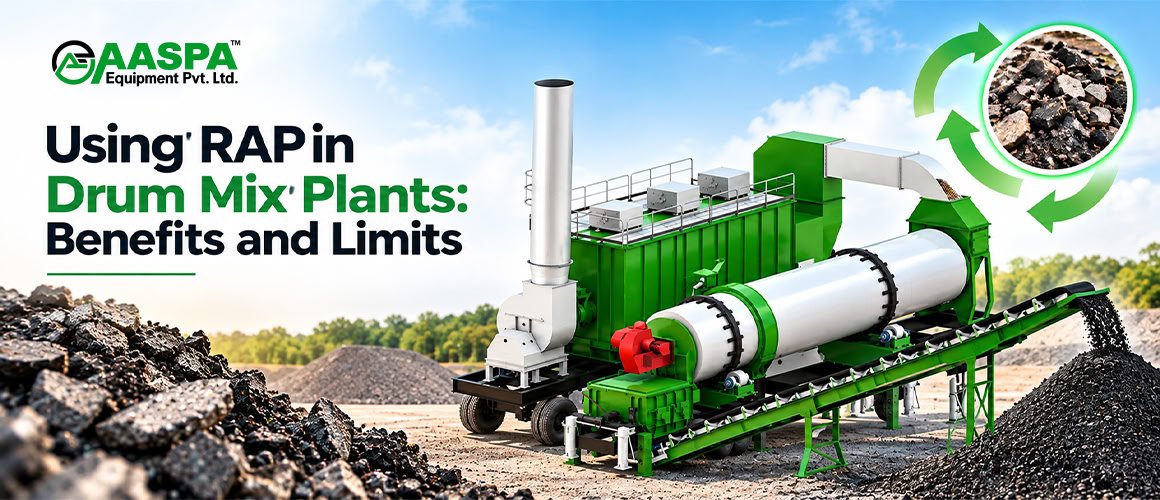
Explore the benefits and limitations of using reclaimed asphalt pavement (RAP) in drum mix plants, from material savings to mix quality.
The rhythmic thrum of drum mix plants, those vital engines of infrastructure, often operates behind the scenes, yet their efficiency and environmental footprint are increasingly under scrutiny. Within this complex machinery, a seemingly unassuming acronym, RAP, or Reclaimed Asphalt Pavement, has emerged as a cornerstone of modern asphalt production. Understanding RAP’s multifaceted role, from its fundamental characteristics to its integration within the delicate balance of drum mix operations, is paramount for industry professionals seeking both economic advantage and sustainable practices.
Understanding RAP: An Overview for Drum Mix Plants
Reclaimed Asphalt Pavement is essentially old asphalt material removed from existing road surfaces during reconstruction or maintenance. Rather than being discarded as waste, this material is processed and reintroduced into new asphalt mixes. Its primary components mirror those of virgin asphalt: aggregates (stones, sand, and gravel) and a binder, which is the aged asphalt cement. The quality and consistency of RAP are critical factors influencing its usability.
The Genesis and Composition of RAP
RAP is not a monolithic material. Its composition varies significantly depending on the original pavement design, its age, traffic loading, and environmental exposure. When a road is milled, the resulting RAP typically consists of a diverse range of aggregate sizes coated with an aged asphalt binder. This binder, having endured years of service, has undergone oxidation and hardening, a crucial aspect to consider when formulating new mixes. The gradation of the aggregates within RAP is also highly variable, requiring careful evaluation to ensure it complements the virgin aggregate blend.
Processing and Stockpiling for Optimal Use
Effective processing is the first step towards unlocking RAP’s potential. Milled asphalt is typically crushed and screened to achieve a more uniform particle size distribution. This processing step removes oversized chunks and ensures a consistent material flow in the drum plant. Proper stockpiling is equally important to prevent segregation, moisture absorption, and contamination. Segregation, where coarser and finer particles separate, can lead to inconsistencies in the final mix. Moisture content is a critical parameter, as excessive moisture consumes energy during drying and can impact binder adhesion. Moreover, preventing contamination from soil, debris, or other foreign materials is essential to maintain the quality of the new asphalt product.
Key Benefits of Using RAP in Drum Mix Plants
The allure of RAP in drum mix operations stems from a compelling combination of environmental stewardship and economic prudence. Its integration offers a pathway to sustainable construction practices while simultaneously delivering tangible cost savings.
Economic Advantages: Cost Savings and Resource Preservation
One of the most immediate and impactful benefits of using RAP is the significant cost savings it offers. By replacing a portion of virgin aggregates and asphalt binder, producers reduce their expenditure on raw materials. The cost of virgin aggregates, often sourced from quarries, can be substantial, especially in regions with limited local supplies. Similarly, asphalt binder, a petroleum-based product, is subject to volatile market prices. RAP effectively provides a “free” source of both, directly impacting the bottom line. Furthermore, using RAP reduces the need for new aggregate extraction, conserving natural resources and minimizing the environmental impact associated with quarrying operations, such as land disturbance and energy consumption. This resource preservation extends the lifespan of existing aggregate reserves, contributing to long-term sustainability.
Environmental Stewardship: Reducing Waste and Emissions
From an environmental perspective, RAP is a game-changer. Its use directly diverts millions of tons of material from landfills, significantly reducing waste and the associated land use burdens. This circular economy approach transforms what was once considered waste into a valuable resource. Beyond waste reduction, incorporating RAP also contributes to a lower carbon footprint. The energy required to produce virgin asphalt binder is substantial. By utilizing the binder already present in RAP, the overall energy consumption of asphalt production is reduced. Moreover, transportation costs and their associated emissions are often lowered, as RAP is typically sourced locally, reducing the distance materials need to travel compared to virgin aggregates and binders which may be transported from more distant locations. This holistic reduction in environmental impact underscores RAP’s role as a sustainable building material.
How RAP Enhances Efficiency in Drum Asphalt Production
Beyond the overarching benefits, RAP’s integration into drum mix plants directly influences the operational efficiency of the asphalt production process. Its unique characteristics can be harnessed to optimize various stages of manufacturing.
Energy Optimization and Fuel Consumption Reduction
Drum mix plants are inherently energy-intensive operations, with a significant portion of fuel consumed in heating and drying aggregates. When RAP is introduced, particularly in configurations where it is added downstream of the primary drying zone or through specialized RAP collars, it can contribute to energy efficiency. RAP typically has a lower moisture content than virgin aggregates, especially if properly processed and stockpiled. By displacing some virgin aggregates, less energy is required to evaporate water. More critically, the aged asphalt binder in RAP acts as a heat sink, absorbing heat and contributing to the overall temperature of the mix. This preheating effect can reduce the demand on the burner to achieve the desired mix temperature, leading to tangible fuel savings. The judicious introduction of RAP can fine-tune the thermal balance within the drum, allowing for a more efficient transfer of heat and a reduction in the overall energy input required per ton of asphalt produced.
Streamlined Material Handling and Inventory Management
Integrating RAP into the production stream often simplifies material handling and inventory management. With a reduced reliance on virgin aggregates, the demand for quarry stone and sand can decrease, potentially streamlining procurement processes and reducing the volume of incoming virgin materials. This can translate into less truck traffic, reduced material handling at the plant, and potentially smaller virgin aggregate stockpiles. For plant operators, managing fewer virgin material types can simplify logistics. Furthermore, the ability to reuse a locally available material like RAP reduces the susceptibility to supply chain disruptions that can impact virgin material availability and pricing. This localized sourcing enhances the resilience of the asphalt production process.
Limitations and Challenges of Incorporating RAP in Drum Mix Plants
|
Limitation/Challenge |
Description |
Impact on Drum Mix Plants |
Possible Mitigation |
|
Material Variability |
Inconsistent quality and properties of RAP material due to source differences. |
Leads to uneven mix quality and performance variability. |
Implement rigorous quality control and standardized RAP processing. |
|
Moisture Content |
RAP often contains moisture that affects mixing and heating processes. |
Increases fuel consumption and may cause incomplete drying or mixing. |
Pre-drying RAP or adjusting plant settings to accommodate moisture. |
|
Heating Challenges |
RAP requires careful temperature control to avoid burning aged binder. |
Overheating can degrade binder, reducing pavement durability. |
Use indirect heating or lower drum temperatures; monitor closely. |
|
Equipment Wear and Tear |
Abrasive nature of RAP can accelerate wear on plant components. |
Increases maintenance costs and downtime. |
Use wear-resistant materials and schedule regular maintenance. |
|
Mix Design Complexity |
Incorporating RAP requires adjustments in binder content and gradation. |
Complicates mix design and quality assurance processes. |
Develop specialized mix design protocols and training. |
|
Environmental Concerns |
Potential emissions from heating RAP and handling aged binder. |
May require additional emission controls and monitoring. |
Install emission control systems and optimize heating processes. |
|
Limited RAP Percentage |
High RAP content can negatively affect mix workability and performance. |
Restricts maximum RAP usage in drum mix plants. |
Balance RAP content with virgin materials and additives. |
Despite its numerous advantages, the successful integration of RAP into drum mix plants is not without its complexities. Operators must navigate several technical challenges to ensure mix quality and operational stability.
Variability in RAP Properties and Quality Control
The inherent variability of RAP is perhaps its most significant challenge. As previously noted, RAP’s composition is a function of its original source and service life. This means that successive batches of RAP from different milling projects can have varying aggregate gradations, binder content, and binder properties (e.e.g. penetration, viscosity). Inconsistent RAP can lead to fluctuations in the final asphalt mix properties, potentially affecting pavement performance. Rigorous quality control is therefore paramount. This involves regular sampling and testing of RAP stockpiles to characterize their aggregate gradation, binder content, and moisture levels. Adjustments to the virgin aggregate blend and virgin binder content must be made dynamically to compensate for RAP variability, requiring sophisticated mix design capabilities and diligent laboratory analysis. Without stringent quality control, the benefits of RAP can be negated by the production of inconsistent or substandard asphalt.
Mix Design Adjustments and Performance Considerations
Incorporating RAP necessitates careful adjustments to the mix design. The aged binder in RAP contributes to the overall binder content of the new mix, but its hardened nature means it may not perform identically to virgin binder. Rejuvenators or softening agents may be required, particularly for higher RAP percentages, to restore the desired rheological properties of the blended binder. Furthermore, the aggregate gradation of RAP must be accounted for when designing the virgin aggregate blend to ensure the final mix meets specified gradation requirements. Too much fine material in RAP, for example, could lead to an overly rich mix or require adjustments to the virgin aggregate proportions to maintain proper VMA (Voids in Mineral Aggregate) and VFA (Voids Filled with Asphalt). The performance of pavements containing high RAP percentages is a continuous area of research. While well-designed mixes with RAP have shown excellent performance, concerns regarding cracking resistance, particularly at lower temperatures, have led to conservative limits on RAP usage in some specifications. Careful consideration of the pavement’s intended use and climatic conditions is essential when determining appropriate RAP percentages.
Best Practices for Optimizing RAP Usage in Drum Operations
To maximize the benefits of RAP while mitigating its challenges, drum mix plant operators must adhere to a set of best practices that encompass everything from material management to equipment configuration.
Proper Stockpiling, Processing, and Blending Techniques
Effective RAP utilization begins long before it enters the drum. Proper stockpiling is crucial to minimize segregation and moisture absorption. RAP should be stored on a paved or firm, well-drained surface, separated by source if possible, to maintain consistency. Processing involves crushing and screening to achieve a uniform size distribution, which enhances material flow and reduces the likelihood of blockages. Blending techniques are critical in the drum. Introducing RAP through multiple feed points or specialized RAP collars can ensure uniform distribution within the mix and prevent localized overheating or cooling. Some advanced drum designs feature separate heating zones for RAP, allowing for more precise temperature control and preventing thermal shock to the aged binder. Continuous monitoring of RAP feed rates is also essential to maintain a consistent proportion in the final mix.
Advanced Quality Control and Mix Design Strategies
Robust quality control is the bedrock of successful RAP incorporation. This includes frequent sampling and testing of RAP stockpiles for gradation, asphalt content, and moisture. Real-time monitoring of feed rates for all components – RAP, virgin aggregates, and virgin binder – is vital. Modern drum mix plants often incorporate automated control systems that can adjust virgin material feed rates based on RAP properties and target mix designs. Advanced mix design strategies are also critical. These include incorporating “balanced mix design” principles that consider both rutting and cracking performance. Performance-graded (PG) binder specifications should be carefully adjusted to account for the aged binder in RAP, often requiring the use of softer virgin binders or rejuvenators to achieve the desired blended PG grade. The use of fractionated RAP (FRAP), where RAP is separated into different size fractions, can further enhance mix design flexibility by allowing more precise control over the aggregate gradation contribution from the reclaimed material.
Future Trends: Innovations in RAP Application for Drum Mix Plants
The journey of RAP in asphalt production is far from over. Continuous research and technological advancements are paving the way for even greater and more sophisticated utilization.
Higher RAP Percentages and Enhanced Performance
The trend towards higher RAP percentages is undeniable. As understanding of aged binder properties and mix design principles improves, industry standards are gradually evolving to allow for increased RAP content. Innovations in rejuvenating agents, which chemically restore the properties of aged binder, are enabling the production of high-performance mixes with significant RAP fractions. Furthermore, advancements in asphalt binder technology, such as polymer-modified binders, are being explored in conjunction with high RAP mixes to enhance pavement durability and extend service life. The goal is to achieve performance levels equivalent to or superior to virgin asphalt, even with very high RAP content, pushing the boundaries of what is considered achievable with recycled materials.
Smart Plant Technologies and Data-Driven Optimization
The future of RAP utilization will be heavily influenced by the integration of smart plant technologies and data-driven optimization. Real-time sensors monitoring RAP moisture content, temperature, and feed rates will provide continuous feedback to automated control systems. Predictive analytics, utilizing historical data on RAP properties and mix performance, will allow for proactive adjustments to mix designs and operational parameters. Digital twins of drum mix plants could simulate the impact of varying RAP inputs on mix properties, enabling operators to optimize production in a virtual environment before implementing changes in the physical plant. This data-driven approach will lead to more consistent mix quality, greater energy efficiency, and a reduced reliance on manual adjustments, ultimately streamlining the entire asphalt production process with RAP. These innovations will not only solidify RAP’s role as a cornerstone of sustainable infrastructure but also unlock new levels of efficiency and performance in drum mix operations.
FAQs
- What is Reclaimed Asphalt Pavement (RAP) and how is it used in drum mix plants?
Reclaimed Asphalt Pavement (RAP) consists of milled or removed asphalt pavement materials that are recycled and reused in new asphalt mixtures. In drum mix plants, RAP is incorporated by blending it with virgin aggregates and asphalt binder during the continuous mixing process, allowing for efficient recycling and production of asphalt mixtures.
- What are the key benefits of using RAP in drum mix plants?
Using RAP in drum mix plants offers several benefits, including cost savings on raw materials, reduced environmental impact by recycling existing pavement, decreased demand for virgin aggregates and asphalt binder, and improved sustainability of asphalt production. Additionally, RAP can enhance the overall efficiency of the mixing process.
- How does RAP improve efficiency in drum asphalt production?
RAP improves efficiency by reducing the need for heating virgin aggregates and asphalt binder, as RAP materials already contain aged binder. This leads to lower energy consumption and faster production cycles. The continuous mixing process in drum plants also allows for consistent blending of RAP with new materials, optimizing throughput and reducing downtime.
- What are the limitations and challenges of incorporating RAP in drum mix plants?
Challenges include ensuring uniform heating and blending of RAP materials, managing variability in RAP quality, and controlling the aged binder content to maintain mix performance. High RAP percentages can lead to issues with workability, compaction, and long-term durability if not properly managed. Equipment modifications and process adjustments may be necessary to handle RAP effectively.
- What are best practices for optimizing RAP usage in drum mix operations?
Best practices include thorough characterization of RAP materials, careful control of RAP feed rates, adjusting temperature profiles to ensure proper heating, and using rejuvenating agents if needed to restore aged binder properties. Regular maintenance of equipment and monitoring of mix quality are essential to maximize the benefits of RAP while minimizing potential drawbacks.