
Asphalt Plant Digital Control Upgrades Explained
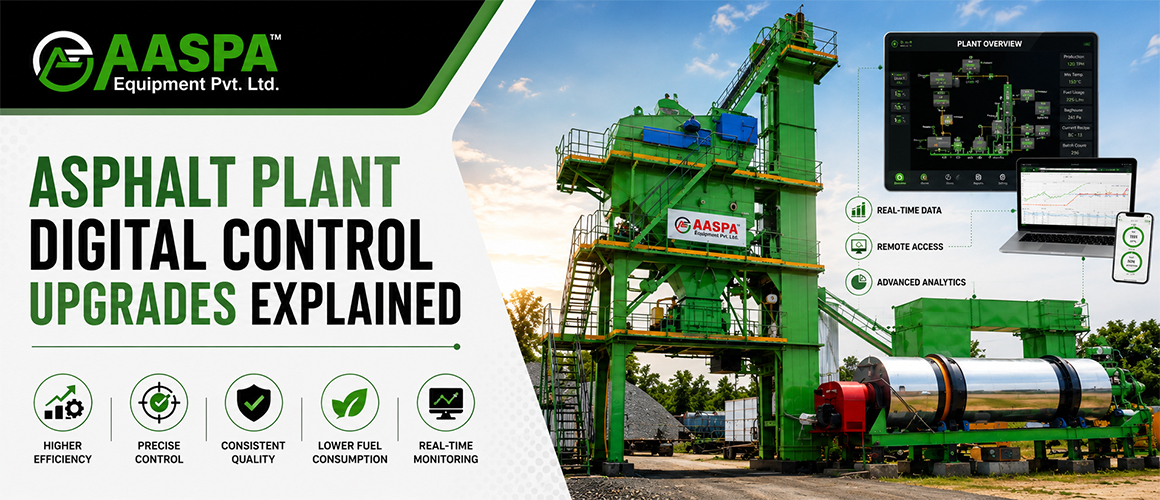
So, you’re thinking about upgrading your asphalt plant’s control system to digital? It’s a smart move, and one that can make a real difference in how your plant runs. In a nutshell, a digital control upgrade takes your plant from manual adjustments and older, less precise methods to a more automated, data-driven, and efficient operation. Think of it like trading in an old flip phone for a smartphone – you get a whole lot more capability and information at your fingertips. This shift isn’t just about having fancier screens; it’s about fundamentally improving how you produce asphalt, from the moment raw materials enter the plant to the final mix leaving.
What Exactly is a Digital Control Upgrade?
When we talk about a “digital control upgrade” for an asphalt plant, we’re referring to replacing outdated analog or mechanical control systems with modern, computer-based technology. This means moving away from physical switches, dials, and purely electromechanical relays and embracing software, programmable logic controllers (PLCs), human-machine interfaces (HMIs), and sophisticated sensors. The goal is to centralize control, improve precision, and enable advanced functionalities that were simply not possible with older systems. Instead of a pile of separate components, you get an integrated system designed to work together seamlessly.
The Core Components of a Digital System
At the heart of most digital control upgrades are a few key pieces of technology. The Programmable Logic Controller, or PLC, is like the brain of the operation. It receives input from sensors and then executes programmed logic to control actuators like motors, valves, and dampers. The Human-Machine Interface, or HMI, is what you interact with – essentially a touchscreen or computer monitor that displays plant status, allows operators to set parameters, and shows alarms. Then there are the sensors themselves, which are much more advanced now, measuring temperature, flow, weight, and other critical variables with incredible accuracy.
Moving Beyond Analog
Think about how things used to be: a technician physically adjusting a valve based on a gauge reading, or a timer dictating how long a certain process ran. Analog systems are often less precise, prone to wear and tear, and require constant manual oversight. Digital systems, on the other hand, use algorithms and digital signals to achieve much tighter control. This means less guesswork, greater consistency, and better utilization of materials and energy. The difference in accuracy can be substantial, leading to a more uniform final product.
Enhancing Automation and Precision
One of the biggest wins with a digital upgrade is the leap in automation. This doesn’t mean your plant will run entirely without people, but it significantly reduces the need for constant manual intervention. Instead of an operator constantly monitoring and adjusting settings, the digital system can autonomously manage many aspects of the production process based on pre-programmed recipes and real-time feedback. This frees up your valuable personnel to focus on other critical tasks like quality control, maintenance, and logistics.
Recipe Management and Batch Consistency
Digital control systems excel at managing complex asphalt mix designs, often referred to as “recipes.” You can store an extensive library of these recipes within the system, each with precise proportions of aggregate, binder, and additives. When an order comes in, a simple selection of the recipe initiates the automated batching process. The system then precisely weighs or measures each component, ensuring the exact proportions are delivered to the mixing drum or pugmill. This level of accuracy translates directly to batch-to-batch consistency, a cornerstone of producing high-quality asphalt.
The Impact of Precise Dosing
Imagine getting the asphalt binder content exactly right, every single time. This is where digital control shines. Over- or under-dosing binder can significantly impact the performance and longevity of the finished asphalt. Digital systems, with their accurate weigh scales and precise metering, eliminate much of the variability that can creep in with older methods. This leads to a more durable and reliable asphalt product for your customers.
Real-Time Monitoring and Feedback Loops
A key advantage of digital upgrades is the ability to monitor the entire plant operation in real-time. Sensors are constantly feeding data back to the central control system. This allows the system, and your operators, to see exactly what’s happening at every stage. If a temperature is drifting or a material flow rate is off, the system can automatically make adjustments to bring it back within the desired parameters. This proactive approach prevents issues from escalating and helps maintain optimal operating conditions.
The Power of Closed-Loop Control
Many modern digital systems utilize “closed-loop” control. This means the system not only controls a process but also constantly receives feedback from sensors about the outcome of that control. For example, if the system is trying to maintain a specific mix temperature, it will use temperature sensors to measure the actual temperature and then adjust heating elements accordingly. This continuous cycle of measuring, deciding, and acting ensures the process stays locked onto its target far more effectively than open-loop systems.
Benefits Beyond Automation: Efficiency and Quality
The advantages of digital control extend far beyond just making things run automatically. You’ll likely see significant improvements in your plant’s overall efficiency, which directly impacts your bottom line. And of course, consistent quality is paramount in the asphalt industry.
Fuel and Energy Savings
Precise control over combustion and drying processes can lead to substantial fuel savings. Digital systems can optimize burner performance, air-to-fuel ratios, and drying times based on the specific materials being processed and ambient conditions. This means less wasted energy and lower operating costs. Instead of running at a constant, sometimes inefficient, setting, the system can dynamically adjust to use only what’s necessary.
Optimizing the Drying Drum
The drying drum is a major energy consumer in an asphalt plant. Digital controls can precisely manage the burner input and the drum’s rotation speed based on the moisture content of the incoming aggregate and the desired output temperature. This prevents overheating and ensures efficient removal of moisture without excessive fuel burn. The ability to tailor the drying process to the specific conditions means less energy is wasted.
Reduced Material Waste
When your batching is more accurate and your processes are more controlled, you naturally reduce the amount of material that goes to waste. This could mean less over-specification of ingredients or fewer batches that need to be scrapped due to quality issues. Minimizing waste directly translates to lower raw material costs and improved sustainability for your operation.
Enhanced Product Quality and Consistency
As mentioned earlier, precise ingredient dosing and consistent process control are fundamental to producing high-quality asphalt. Digital systems help ensure that every batch meets stringent specifications. This leads to a more durable, reliable product that performs well in the field. For your customers, this means fewer callbacks and a stronger reputation for delivering top-tier asphalt.
Meeting Stringent Specifications
The construction industry is increasingly demanding about the quality and performance of asphalt. Digital control systems provide the level of precision and repeatability needed to consistently meet these demanding specifications. This can open doors to new projects and solidify existing customer relationships by proving your commitment to quality.
Key Considerations for Implementation
|
Consideration |
Description |
|
Stakeholder Engagement |
Identify and involve key stakeholders in the implementation process. |
|
Resource Allocation |
Allocate sufficient resources, including budget and personnel, for successful implementation. |
|
Timeline |
Establish a realistic timeline for implementation, taking into account potential challenges. |
|
Training and Support |
Provide adequate training and support for staff involved in the implementation. |
|
Monitoring and Evaluation |
Develop a system for monitoring progress and evaluating the effectiveness of the implementation. |
Upgrading your asphalt plant’s control system is a significant undertaking, and it’s wise to approach it strategically. Rushing into a decision without careful planning can lead to unforeseen challenges.
Choosing the Right System and Vendor
Not all digital control systems are created equal. You’ll want to carefully research different manufacturers and their offerings. Consider factors like the system’s scalability, the vendor’s reputation for support and training, and whether the system is designed specifically for asphalt plants. Don’t be afraid to ask for references and to see actual installations in operation. A good partnership with your vendor is crucial.
Understanding System Architecture
The architecture of the control system matters. Will it be a fully integrated solution, or will it involve combining components from different vendors? A well-designed architecture ensures seamless communication between all parts of the system, minimizing the potential for compatibility issues and making troubleshooting easier down the line. Some systems are built with modularity in mind, allowing for easier upgrades in the future.
Operator Training and Software Proficiency
A new digital system, no matter how advanced, is only as good as the people operating it. Adequate training for your plant operators and maintenance staff is absolutely essential. They need to be comfortable navigating the HMI, understanding the system’s logic, and knowing how to respond to alarms and troubleshoot basic issues. Investing in thorough training upfront will pay dividends in terms of smooth operation and problem resolution.
The Importance of Hands-On Training
While manuals and online resources are helpful, nothing beats hands-on training. Operators should have the opportunity to work with the new system in a controlled environment before it’s fully implemented on the production floor. This allows them to build confidence and muscle memory with the new interfaces and procedures.
Integration with Existing Infrastructure
Consider how the new digital control system will integrate with your plant’s existing electrical and mechanical infrastructure. Are there any major upgrades needed to support the new system, such as wiring, power supplies, or sensor mounting points? A thorough assessment of your current setup will help identify any potential integration hurdles and associated costs.
Upgrading Sensors and Actuators
While you might be upgrading the “brain,” you may also need to consider if your old sensors and actuators are still up to the task of providing accurate data to a digital system. Sometimes, older, less precise sensors can bottleneck the performance of a new digital controller. It might be more efficient and effective to upgrade these components as well to get the full benefit of the digital system.
Exploring the Latest Technologies
The world of industrial automation is constantly evolving. Keeping an eye on the latest advancements can help you make informed decisions about your upgrade and ensure your plant remains competitive. The trend is towards more intelligence, connectivity, and data utilization.
Data Acquisition and Analytics
Modern digital control systems generate a wealth of data about your plant’s operation. The real power comes from how you use that data. Advanced systems can collect and store this information, allowing for in-depth analysis of performance trends, identification of bottlenecks, and predictive maintenance strategies. This moves you from reactive to proactive problem-solving.
Predictive Maintenance Capabilities
By analyzing data on motor vibrations, bearing temperatures, or component cycle times, digital systems can help predict when a piece of equipment is likely to fail. This allows you to schedule maintenance proactively, before a breakdown occurs, which significantly reduces unplanned downtime and associated costs. It’s about fixing things before they’re broken, saving you time and money.
Remote Monitoring and Control
The ability to monitor and, in some cases, control your asphalt plant remotely is becoming increasingly valuable. This can be particularly useful for multi-plant operations or for providing support from a central technical team. Imagine being able to check on your plant’s status or adjust a parameter from your office or even your home.
Cybersecurity Considerations
While remote access offers many benefits, it also brings cybersecurity risks. It’s crucial to ensure that any remote access capabilities are implemented with robust security measures in place to protect your plant’s control system from unauthorized access. This is a critical aspect to discuss with your vendor.
Advanced Process Optimization
Beyond basic automation, newer systems are incorporating more sophisticated algorithms for process optimization. These can include adaptive control strategies that continuously fine-tune parameters to achieve the best possible efficiency and output under varying conditions. Think of it as a system that learns and gets smarter over time.
Machine Learning and AI Applications
While still nascent in many asphalt plant applications, the potential for machine learning and artificial intelligence is enormous. These technologies could eventually be used for highly advanced prediction of material performance, dynamic optimization of drying processes based on complex weather patterns, or even automated troubleshooting. It’s a glimpse into the future of smart manufacturing.
Maximizing Productivity and Quality with Digital Control
Ultimately, the goal of a digital control upgrade is to enhance your asphalt plant’s productivity and the quality of the product you deliver. This isn’t about chasing the latest gadgetry for its own sake; it’s about achieving tangible improvements in your operation.
Streamlining Operations and Reducing Downtime
By automating repetitive tasks and providing better diagnostic capabilities, digital systems significantly streamline operations. Reduced manual intervention means fewer opportunities for human error. Furthermore, early detection of issues through real-time monitoring and predictive maintenance helps minimize unplanned downtime, keeping your plant running more consistently and profitably.
The Impact of Reduced Changeover Times
When you need to switch between different asphalt mix designs, digital systems can dramatically reduce the time it takes to reconfigure the plant. With recipes stored and easily selectable, the transition is much faster and more reliable, allowing you to respond more quickly to customer demands for a variety of mixes.
Delivering Consistent Quality and Customer Satisfaction
As we’ve discussed, consistent quality is a major benefit. When every batch of asphalt meets the required specifications, you build trust with your customers. Fewer product defects mean fewer callbacks and less rework in the field. This enhances your reputation and contributes to greater customer satisfaction, leading to repeat business and positive referrals.
Building a Reputation for Reliability
In the competitive world of construction materials, reliability is a key differentiator. A reputation for consistently delivering high-quality asphalt, batch after batch, is invaluable. Digital control systems are a powerful tool for establishing and maintaining that reputation.
Data-Driven Decision Making
The data gathered by a digital control system provides a clear, objective view of your plant’s performance. This allows you to move beyond gut feelings and make informed, data-driven decisions about everything from operational adjustments to long-term investment strategies. You’ll have the insights needed to pinpoint areas for improvement and measure the impact of changes.
Identifying and Addressing Bottlenecks
By analyzing production data, you can easily identify where the flow of materials might be slowing down or where specific processes are taking longer than they should. This allows you to target your improvement efforts effectively, ensuring that your plant operates at its maximum potential. It’s about seeing the whole picture and understanding where the real constraints lie.
This digital transformation is a journey, but one that offers significant rewards in terms of efficiency, quality, and ultimately, profitability for your asphalt plant.
FAQs
What are digital control upgrades for asphalt plants?
Digital control upgrades for asphalt plants involve the implementation of advanced automation and control systems to improve the efficiency, performance, and quality of asphalt production. These upgrades typically involve the integration of digital technologies, such as computerized control systems, sensors, and software, to enhance the operation of the plant.
What are the benefits of upgrading to digital control systems in asphalt plants?
Upgrading to digital control systems in asphalt plants offers several benefits, including improved process control, enhanced production efficiency, reduced energy consumption, better quality control, and increased operational flexibility. These systems also provide real-time monitoring and data analysis capabilities, leading to better decision-making and overall plant performance.
What are the key considerations for implementing digital control upgrades in asphalt plants?
Key considerations for implementing digital control upgrades in asphalt plants include assessing the current automation level of the plant, identifying specific areas for improvement, evaluating the compatibility of new control systems with existing equipment, considering the training needs of plant personnel, and ensuring the availability of technical support and maintenance services.
What are the latest technologies for asphalt plant automation upgrades?
The latest technologies for asphalt plant automation upgrades include advanced control software, remote monitoring and control systems, predictive maintenance tools, integrated data management platforms, and the use of Internet of Things (IoT) devices for real-time connectivity and communication between different components of the plant.
How do digital control upgrades maximize productivity and quality in asphalt plants?
Digital control upgrades maximize productivity and quality in asphalt plants by providing precise control over the production process, optimizing resource utilization, minimizing human error, reducing downtime through predictive maintenance, and enabling continuous monitoring and adjustment of critical parameters to ensure consistent and high-quality output.