
Best Practices for Asphalt Plant Output Optimization
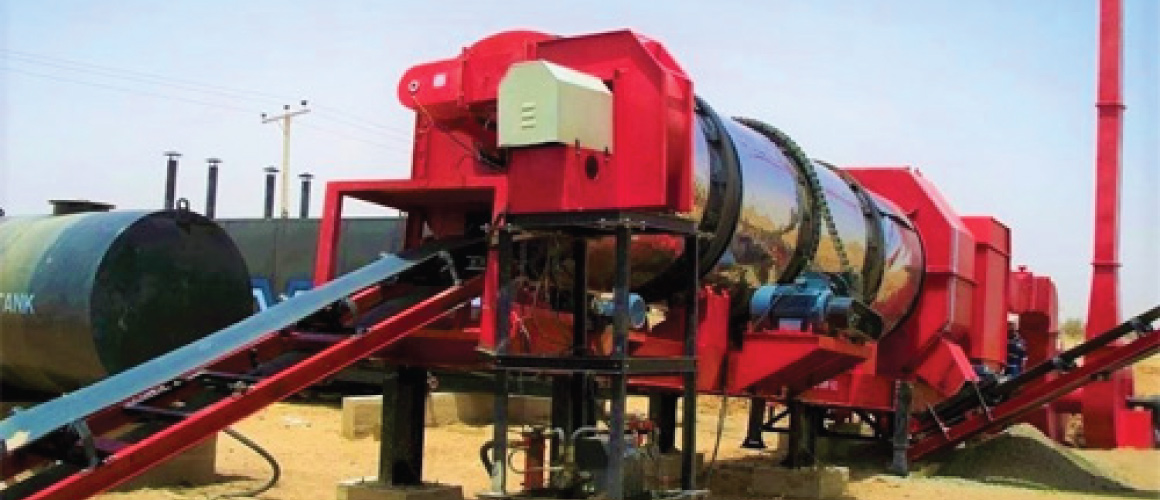
Getting the most out of your asphalt plant isn’t about magic; it’s about understanding how things work and making smart adjustments. The bottom line is, optimizing your asphalt plant output boils down to a combination of careful planning, consistent maintenance, and intelligent process refinement. It’s about squeezing out every bit of efficiency without sacrificing quality, ensuring you meet production demands reliably and cost-effectively.
What Key Factors Affect Asphalt Plant Output Performance?
Before you can optimize, you need to know what’s influencing your plant’s performance. Think of your asphalt plant as a complex ecosystem – every component plays a role.
Raw Material Consistency and Quality
The quality and consistency of your aggregates are foundational. Fluctuations in moisture content, aggregate gradation, or even the type of aggregate can throw off your mix design and slow down your production. If your aggregates are too wet, your dryer has to work harder and longer, directly impacting your throughput. If gradation is off, your pugmill might struggle to achieve a homogeneous mix, leading to rejections or rework.
Likewise, consistent bitumen delivery and quality are crucial. Temperature variations in the bitumen supply can affect pumping rates and mixing effectiveness. Impurities or inconsistent viscosity can also pose problems, impacting the final product’s quality and your overall production speed.
Plant Equipment Condition and Maintenance
This might seem obvious, but a poorly maintained plant is a slow plant. Worn-out components, clogged filters, or misaligned belts all contribute to inefficiencies. A struggling burner, for instance, might not be able to dry aggregates effectively, leading to reduced output. A worn pugmill liner can slow mixing and reduce the quality of the final product.
Proper calibration of critical sensors and scales is another non-negotiable. If your aggregate feeders or bitumen meters aren’t accurate, you’ll constantly be chasing the right mix, leading to wasted time and materials. Regular preventative maintenance isn’t just about avoiding breakdowns; it’s about sustaining peak performance.
Operational Procedures and Staff Skill
Even the most advanced plant can underperform if operators aren’t adequately trained or if procedures are inconsistent. Skilled operators understand the nuances of the plant, can identify potential issues proactively, and can make informed adjustments on the fly. Inexperienced operators might struggle with mix design changes, leading to delays and off-spec material.
Standardized operating procedures (SOPs) are vital. Everyone should be following the same steps for start-up, shut-down, and routine adjustments. This minimizes errors, improves safety, and ensures a consistent approach to production. Lack of clear communication between different shifts can also create bottlenecks, as issues might not be properly handed over or addressed.
How Can Effective Optimization Strategies Improve Plant Output?
Once you understand the factors, you can start putting strategies in place to tackle them. Optimization is an ongoing journey, not a one-time fix.
Data-Driven Decision Making
You can’t manage what you don’t measure. Implementing robust data collection and analysis systems is paramount. Track key performance indicators (KPIs) like tons per hour, fuel consumption per ton, aggregate moisture content, and cycle times. This data reveals trends, identifies bottlenecks, and helps you pinpoint areas for improvement.
For example, if your data shows a consistent dip in output during certain hours, you can investigate what’s happening – perhaps a shift change inefficiency or a particular material delivery bottleneck. Analyzing fuel consumption per ton can highlight dryer inefficiencies, prompting an inspection of burner settings or insulation.
Process Automation and Control Systems
Modern asphalt plants offer sophisticated automation and control systems. Investing in and effectively utilizing these technologies can significantly boost output and consistency. Automated systems can precisely control aggregate feed rates, bitumen percentages, and dryer temperatures, leading to a much more stable and accurate production process than manual adjustments allow.
Think about automating your mix design changes. Instead of manual input and adjustments, a properly configured system can switch between different mix types with minimal downtime, ensuring a seamless transition and continuous production. This reduces human error and frees up operators to focus on more critical tasks.
Proactive Maintenance and Upgrades
Shift from reactive “fix-it-when-it-breaks” maintenance to a proactive, preventative schedule. Regular inspections, lubrication, and replacement of wear parts before they fail can prevent costly breakdowns and maintain consistent output. Predictive maintenance, utilizing sensors and data to anticipate failures, takes this a step further.
Consider targeted upgrades to older equipment. A more efficient dryer burner, improved pugmill liners, or an updated control system might require an initial investment but can deliver significant returns in terms of increased output, reduced fuel consumption, and higher-quality product. Don’t overlook smaller upgrades either, such as better insulation for hot storage silos, which can maintain material temperature and reduce energy expenditure.
How Does Optimization Improve Asphalt Output Quality?
Optimization isn’t just about making more; it’s about making more good stuff. High-quality asphalt means less rework, happier clients, and a stronger reputation.
Consistent Mix Design Adherence
The foundation of quality is adhering strictly to your approved mix designs. Any deviation, whether it’s an incorrect aggregate proportion or a bitumen content error, will compromise the final product. Your plant’s control system should be calibrated regularly to ensure precise ingredient dosing.
Regular material testing, both of incoming raw materials and outgoing hot mix asphalt, is crucial. This provides feedback on your plant’s performance and allows for immediate adjustments if the mix is trending off-spec. Early detection prevents large batches of unusable material.
Temperature Management
Maintaining the correct temperatures throughout the entire process is critical. From aggregate drying to bitumen heating and finally to the discharge of the hot mix, temperature control directly impacts workability, compaction, and ultimately, the longevity of the pavement.
Ensure your dryer is operating efficiently and achieving the desired aggregate temperature without overheating or underheating. Bitumen tanks and lines should be adequately insulated and heated to maintain the correct viscosity for pumping and mixing. Discharge temperature at the silo is also important to ensure the material is ready for transport and paving without premature cooling.
Proper Mixing and Storage
The pugmill’s job is to thoroughly coat aggregates with bitumen and blend them uniformly. If your pugmill paddles are worn or incorrectly adjusted, you won’t get a homogeneous mix. Regular inspection and replacement of wear parts here are vital. The dwell time in the pugmill must also be adequate for proper mixing without leading to segregation.
Hot mix asphalt storage in silos should also be optimized. Ensure silos are properly insulated to maintain temperature. Minimize segregation within the silo by avoiding excessive dropping heights if possible when loading. Proper loading and unloading techniques from the silo can prevent aggregate separation and ensure a consistent product arrives at the paving site.
What Key Considerations Help Maximize Asphalt Plant Performance?
|
Consideration |
Performance Metric |
|
Resource Allocation |
CPU Utilization |
|
Network Optimization |
Latency |
|
Database Efficiency |
Query Response Time |
|
Code Optimization |
Page Load Time |
Beyond the specific strategies, a holistic view of your operation will tie everything together for peak performance.
Supply Chain Management
Your operational efficiency doesn’t start and end at your plant gates. Effective supply chain management for aggregates and bitumen is crucial. Delays in material delivery can bring your entire production to a halt, regardless of how optimized your plant is internally.
Cultivate strong relationships with your suppliers. Have backup suppliers ready if primary ones encounter issues. Optimize your material storage on-site to ensure a steady buffer, but avoid overstocking, which can lead to material degradation or storage capacity issues. Just-in-time delivery, when reliably managed, can reduce storage costs and material handling.
Energy Efficiency and Cost Control
Optimizing output often goes hand-in-hand with improving energy efficiency. A plant that uses less fuel per ton of asphalt produced is not only more environmentally friendly but also more profitable. This can involve anything from improving dryer insulation to optimizing burner settings, utilizing variable frequency drives (VFDs) on motors, and ensuring air pollution control systems are operating optimally without excessive energy draw.
Regular monitoring of fuel consumption (both for the dryer and other plant components) per ton of output will help identify inefficiencies. Sometimes, a small adjustment to a burner’s air-to-fuel ratio can yield significant savings over time. Consider waste heat recovery systems if applicable, to preheat aggregates or bitumen, further reducing energy demands.
Continuous Improvement Culture
The most successful operations foster a culture of continuous improvement. This means empowering employees to identify problems and suggest solutions, encouraging ongoing training, and regularly reviewing performance metrics. It’s about always looking for that next marginal gain.
Hold regular meetings with your team to review production data, discuss challenges, and brainstorm solutions. Celebrate successes and learn from setbacks. A team that feels invested in the plant’s performance is far more likely to contribute to its ongoing optimization. This involves not just operators but also maintenance staff, quality control personnel, and management, all working towards common goals.
FAQs
What factors affect asphalt plant output?
Factors that can affect asphalt plant output include the type and quality of raw materials, the efficiency of the plant’s equipment, the skill and experience of the plant operators, and the overall maintenance and condition of the plant.
What are some best practices for optimizing asphalt plant output?
Best practices for optimizing asphalt plant output include regular maintenance and inspection of plant equipment, proper calibration of plant controls, efficient use of energy and resources, and continuous training and development of plant operators.
How can asphalt production output be maximized?
Asphalt production output can be maximized by implementing effective optimization strategies, such as improving plant efficiency, enhancing output quality through optimization techniques, and considering key factors that affect plant performance.
What are some key considerations for optimizing asphalt plant performance?
Key considerations for optimizing asphalt plant performance include understanding the factors that affect output, implementing effective optimization strategies, and continuously monitoring and evaluating plant operations to identify areas for improvement.
What are some tips and techniques for achieving maximum output and optimization at an asphalt plant?
Some tips and techniques for achieving maximum output and optimization at an asphalt plant include investing in high-quality equipment, implementing efficient production processes, and prioritizing ongoing training and development for plant operators.