
Emergency Shutdown Procedures for Asphalt Plants
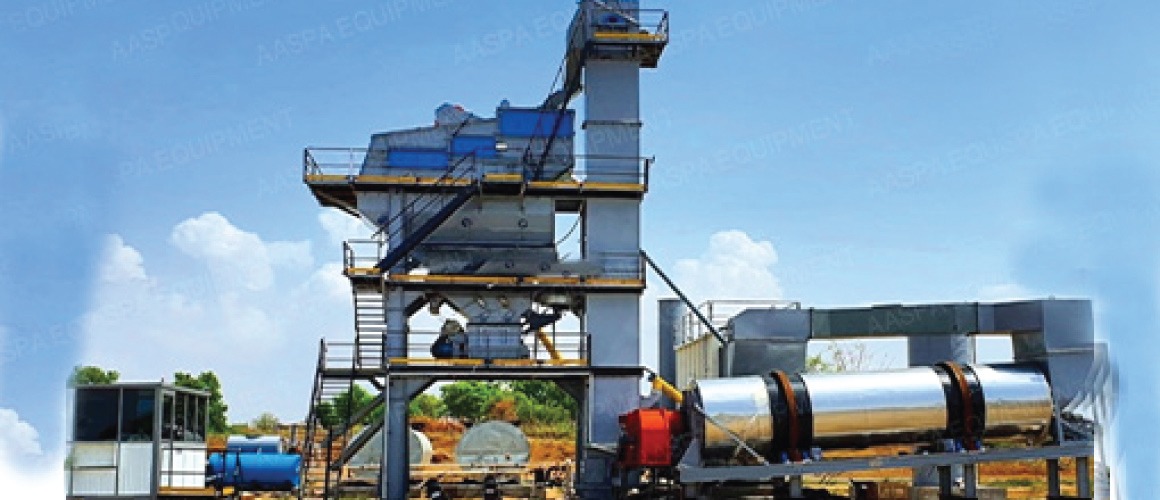
A well-functioning asphalt plant operates with precise control over high temperatures and heavy machinery. Mishaps, however, can occur, making the ability to execute an emergency shutdown swiftly and correctly a critical safety measure. This article will explore the importance of emergency shutdown procedures in asphalt plants, detailing the steps, implementation, training, challenges, best practices, and regulatory compliance necessary to ensure the safety of personnel and the facility. Think of an emergency shutdown as the plant’s emergency brake; it’s designed to bring everything to a halt in a controlled manner before a minor issue escalates into a major disaster.
Understanding the Importance of Emergency Shutdown Procedures
Asphalt plants handle combustible materials and operate at elevated temperatures. This inherently creates potential risks. An emergency shutdown procedure is not merely a checklist; it is a vital safety net. Its primary purpose is to prevent or mitigate damage to equipment and, more importantly, to safeguard the lives of the workers present. Without a clear, practiced procedure, a rapidly developing emergency can lead to panic, confusion, and incorrect actions, exacerbating the situation.
The consequences of a failed or delayed emergency shutdown can be severe. Fires, explosions, chemical releases, or mechanical failures can result in significant property damage, environmental contamination, and potentially tragic injuries or fatalities. Therefore, understanding the gravity of these procedures is the first step in ensuring a safe working environment. These procedures are the plant’s last line of defense when normal operations are compromised.
The Risks Associated with Asphalt Plant Operations
Asphalt plants combine several hazardous elements. The high temperatures required for drying aggregates and melting asphalt binders present a constant fire risk. The handling of large volumes of aggregate and the operation of heavy machinery also introduce mechanical hazards. Furthermore, some facilities may utilize additives or solvents that add chemical risks to the mix. Recognizing these inherent dangers underscores the necessity of a robust emergency response plan, with the shutdown procedure forming its cornerstone. Without these safeguards, the plant becomes a potential tinderbox, a situation no responsible operator wants.
The Role of an Emergency Shutdown as a Safety Net
An emergency shutdown is designed to bring the plant’s operations to a safe standstill. It is not a punitive measure but a protective one. When an anomaly is detected, be it an unusual sound, a sudden temperature spike, or a visible leak, the emergency shutdown acts as the immediate response, designed to cap the potential for harm. It’s like extinguishing a small flame before it ignites the entire building. This controlled cessation of activity allows for assessment of the situation, containment of any immediate threats, and the safe evacuation of personnel if necessary.
Key Steps for Ensuring Safety During an Asphalt Plant Emergency Shutdown
The effectiveness of an emergency shutdown hinges on a series of clearly defined and practiced steps. These steps should be universally understood by all personnel, from seasoned operators to new hires. The goal is a systematic de-escalation of risks, ensuring that power is cut, fuel is shut off, and potentially hazardous processes are halted in a sequence that minimizes further danger.
Identifying Trigger Points for Shutdown
The first crucial step is to establish clear indicators that necessitate an emergency shutdown. These trigger points can include:
- Uncontrolled Fires or Explosions: Any sign of fire or explosion within the plant requires immediate cessation of operations.
- Major Equipment Malfunctions: Critical failures in core machinery, such as the dryer, mixer, or burner, that pose an immediate safety risk.
- Sudden and Severe Temperature Abnormalities: Rapid and uncontrolled temperature increases or decreases in critical areas of the plant.
- Significant Material Leaks or Spills: Release of hazardous materials, especially flammable liquids or hot asphalt, that cannot be immediately contained.
- Structural Integrity Compromises: Visible damage to the plant’s structure that could lead to collapse.
- Loss of Essential Control Systems: Failure of critical monitoring or control systems that prevent safe operation.
Sequential Shutdown Procedures
Once a trigger point is identified, a specific sequence of actions must be followed. This sequence is vital to prevent a domino effect of further hazards. A typical sequence might involve:
- Activate the Emergency Stop Button: This is the most immediate action, designed to halt all powered machinery. These buttons are prominently located and easily accessible.
- Shut Off Fuel Supply: Cutting off the source of fuel to the burners is paramount to prevent further combustion.
- Close Material Feed Valves: Stopping the flow of aggregates and asphalt binder to the mixer and dryer prevents the accumulation of materials in potentially hazardous areas.
- Ventilation Systems: Depending on the nature of the emergency, ventilation systems may need to be adjusted or shut down to prevent the spread of fumes or fire.
- Isolate Electrical Systems: Where appropriate, specific electrical circuits may need to be de-energized to prevent electrical hazards.
- Secure Equipment: Ensure that all moving parts are brought to a complete stop and are no longer under power.
Safely Evacuating Personnel
Following the activation of the emergency shutdown, the immediate priority shifts to personnel safety. Evacuation routes should be clearly marked, and assembly points designated. All personnel must be accounted for, and a designated safety officer or supervisor should oversee the evacuation process. Communication is key during this phase; clear instructions should be given to guide individuals to safety.
Implementing Effective Emergency Shutdown Protocols for Asphalt Plants
Developing robust emergency shutdown protocols goes beyond simply writing down a procedure. It involves integrating these protocols into the daily operations and culture of the plant. This ensures that the protocols are not just documented but are living, breathing guides that are understood and practiced by everyone.
Developing Clear and Concise Documentation
The written protocols must be unambiguous and easy to understand. They should be presented in a clear, logical format, potentially with visual aids like flowcharts or diagrams. The language used should be straightforward, avoiding jargon where possible. Each step should be clearly defined, with responsibilities assigned to specific roles or individuals. Think of this documentation as the blueprint for safety during a crisis. It should be readily accessible to all personnel.
Assigning Roles and Responsibilities
A clear chain of command and defined responsibilities are essential during an emergency. Every individual on site should know their role, whether it is to activate the shutdown, shut off fuel, or assist with evacuation. This clarity prevents confusion and ensures that critical tasks are not overlooked. Designating specific individuals as safety officers or emergency response coordinators provides a focal point for decision-making and action.
Communication Systems and Alarms
Effective communication is the lifeblood of any emergency response. Asphalt plants must have reliable communication systems in place, including public address systems, two-way radios, and emergency alarm systems. These systems should be tested regularly to ensure their functionality. Visual alarms, such as flashing lights, can also be crucial in noisy environments. A well-functioning communication network acts as the nervous system of the plant, transmitting vital information rapidly.
The Role of Training and Preparedness in Asphalt Plant Emergency Shutdowns
|
Training and Preparedness Metrics |
Value |
|
Number of Emergency Shutdown Drills Conducted |
10 |
|
Percentage of Staff Trained in Emergency Procedures |
95% |
|
Response Time to Initiate Emergency Shutdown |
Less than 5 minutes |
|
Number of Accidents Prevented due to Preparedness |
5 |
Even the most well-written procedures are ineffective without proper training and consistent preparedness. Training ensures that individuals know what to do and are confident in their ability to execute their assigned tasks. Preparedness involves regular drills and exercises to reinforce these skills and identify any weaknesses in the plan.
Initial and Refresher Training Programs
All new employees should receive comprehensive training on the emergency shutdown procedures as part of their onboarding process. This training should cover the theoretical understanding of why these procedures are important, as well as the practical steps involved. Refresher training should be conducted regularly, at least annually, or whenever there are changes in equipment, procedures, or personnel. This keeps the knowledge fresh and reinforces best practices.
Regular Drills and Simulations
Conducting regular emergency shutdown drills is crucial. These drills should simulate various emergency scenarios and test the effectiveness of the protocols and the response of the personnel. Drills allow for:
- Testing the Response Time: How quickly can personnel initiate and complete the shutdown sequence?
- Identifying Gaps in Knowledge: Do all personnel understand their roles?
- Evaluating Communication Effectiveness: Are communication systems functioning as expected during a simulated crisis?
- Assessing Equipment Functionality: Are emergency stop buttons and shutoff valves readily accessible and operational?
These drills are not about reprimanding individuals but about learning and improving the overall safety system. They are the practice runs that ensure the real thing can be handled with competence.
Post-Drill Analysis and Improvement
After each drill, a thorough analysis should be conducted. This involves reviewing what went well, what could be improved, and any shortcomings identified. Feedback from participants is invaluable. The findings from these analyses should be used to update and refine the emergency shutdown procedures and training programs. This iterative process of practice, analysis, and improvement is key to maintaining a high level of readiness.
Common Challenges and Solutions for Emergency Shutdowns in Asphalt Plants
Despite best efforts, several common challenges can arise when implementing and executing emergency shutdown procedures in asphalt plants. Recognizing these challenges ahead of time allows for proactive solutions.
Communication Breakdowns
In a noisy and potentially chaotic environment, communication can be the first casualty.
- Solution: Implement multi-modal communication systems (radios, visual alarms, PA systems) and ensure they are maintained and tested regularly. Designate clear communication protocols and ensure personnel are trained on their use. Buddy systems can also facilitate communication amongst smaller teams.
Equipment Malfunctions Affecting Shutdown
Sometimes, the very systems designed to facilitate an emergency shutdown may fail to operate correctly.
- Solution: Implement a rigorous preventive maintenance program for all safety-critical equipment, including emergency stop buttons, shutoff valves, and alarm systems. Regular inspections and testing are essential. Manual overrides should also be clearly identified and accessible.
Human Error and Panic
In high-stress situations, human error or panic can lead to incorrect actions.
- Solution: Comprehensive and frequent training, coupled with well-rehearsed drills, builds muscle memory and confidence, reducing the likelihood of panic. Clear, simple, and visually reinforced procedures can also guide actions even under pressure. Post-incident reviews of any near-misses or actual events can also pinpoint areas where training needs reinforcement.
Inadequate Training or Understanding
A lack of familiarity with the procedures is a significant risk.
- Solution: Ensure training is not a one-time event. Implement ongoing refresher courses, cross-training, and visual reminders in the workplace. Employ competency assessments to verify understanding. Make the procedures accessible and encourage questions.
Site-Specific Considerations
Every asphalt plant is unique in its layout, equipment, and operational specifics. A generic procedure may not be sufficient.
- Solution: Develop site-specific emergency shutdown procedures that account for the unique characteristics of each plant. This involves conducting thorough hazard analyses and risk assessments specific to the facility. Involve experienced personnel in the development process.
Best Practices for Maintaining Safety Standards During Asphalt Plant Shutdowns
Beyond the emergency shutdown itself, maintaining overall safety standards is paramount, especially during periods of planned or unplanned shutdowns for maintenance or repair.
Lockout/Tagout (LOTO) Procedures
When machinery is shut down for maintenance, rigorous Lockout/Tagout procedures are non-negotiable. This ensures that equipment cannot be accidentally re-energized while workers are performing maintenance.
- LOTO: This involves physically locking the energy-isolating device (e.g., a circuit breaker, valve) and tagging it with information about who locked it out and why. Only the person who applied the lock can remove it, or through a specific authorized procedure. This prevents unexpected startup, which can be just as dangerous as an uncontrolled emergency.
Confined Space Entry Protocols
Many areas within an asphalt plant, such as tanks or ductwork, may require entry for inspection or repair. These are considered confined spaces and require strict protocols to prevent asphyxiation or exposure to hazardous atmospheres.
- Confined Space Entry: This includes atmospheric testing, ventilation, attendant personnel, and rescue plans. Proper training and permits are essential.
Hot Work Permits
Cutting, welding, or grinding operations, known as hot work, present significant fire hazards, especially in environments where flammable materials may be present.
- Hot Work Permits: These permits ensure that a thorough assessment of the area is conducted before hot work begins. They specify precautions like fire watch personnel, the removal of combustible materials, and the availability of fire suppression equipment.
Regular Inspections and Audits
Proactive safety is key. Regular inspections and safety audits help to identify potential hazards before they lead to an incident.
- Inspections: These should cover all aspects of the plant, from machinery and electrical systems to housekeeping and personal protective equipment.
- Audits: These are more comprehensive reviews that assess the effectiveness of the entire safety management system, including emergency preparedness and shutdown procedures.
Ensuring Compliance with Regulatory Requirements for Emergency Shutdowns in Asphalt Plants
Regulatory bodies worldwide set standards for workplace safety, including requirements for emergency shutdown procedures. Adhering to these regulations is not just a legal obligation but a fundamental aspect of responsible operation.
Understanding Relevant Regulations
Familiarize yourself with the specific regulations applicable to your region and industry. This typically includes standards related to:
- Occupational Safety and Health Administration (OSHA) in the United States: OSHA sets many standards for hazard communication, process safety management, and emergency action plans.
- Health and Safety Executive (HSE) in the United Kingdom: HSE provides guidance and enforces regulations on workplace safety.
- Equivalent bodies in other countries: Research and comply with the specific agencies responsible for workplace safety in your operational jurisdiction.
Developing and Maintaining Emergency Action Plans (EAPs)
Many regulations require employers to develop and maintain an Emergency Action Plan. This plan should detail:
- Procedures for reporting fires and other emergencies.
- Procedures for early warning to employees.
- Evacuation procedures and contingency plans, including accounting for all personnel.
- Procedures for employees who must remain to operate critical plant operations to shut down safely.
- Procedures for rescue and medical services.
- The names or regular job titles of persons or the departments who can be contacted for further information or explanation of duties under the plan.
The emergency shutdown procedure is a critical component of a comprehensive EAP.
Documentation and Record-Keeping
Regulatory compliance often necessitates meticulous documentation. This includes:
- Written emergency shutdown procedures: Easily accessible and up-to-date.
- Training records: Proof of all completed safety training for personnel.
- Drill reports: Documentation of all conducted drills, their outcomes, and any corrective actions taken.
- Inspection and maintenance logs: Records of safety equipment checks and maintenance.
- Permits and hazard assessments: Documentation related to confined space entry, hot work, and other specific safety protocols.
Maintaining these records demonstrates a commitment to safety and provides a robust defense in the event of an inspection or incident investigation. By treating emergency shutdown procedures with the seriousness they deserve, asphalt plant operators can create a safer working environment for everyone involved.
FAQs
- What are emergency shutdown procedures for asphalt plants?
Emergency shutdown procedures for asphalt plants are a set of protocols and steps designed to safely and efficiently shut down the operations of an asphalt plant in the event of an emergency. These procedures are crucial for ensuring the safety of personnel, protecting the environment, and minimizing potential damage to the plant.
- Why is understanding the importance of emergency shutdown procedures essential for asphalt plants?
Understanding the importance of emergency shutdown procedures is essential for asphalt plants because it helps plant operators and personnel recognize the critical nature of these procedures in ensuring safety, preventing accidents, and minimizing the impact of emergencies on the plant, the environment, and surrounding communities.
- What are the key steps for ensuring safety during an asphalt plant emergency shutdown?
The key steps for ensuring safety during an asphalt plant emergency shutdown include promptly initiating the shutdown process, communicating effectively with all personnel, securing the plant and equipment, addressing any potential hazards, and following established emergency protocols to mitigate risks and protect the well-being of everyone involved.
- How can effective emergency shutdown protocols be implemented for asphalt plants?
Effective emergency shutdown protocols for asphalt plants can be implemented through comprehensive training of personnel, regular drills and simulations, clear communication of procedures, proper maintenance of equipment and systems, and the establishment of a designated emergency response team with clearly defined roles and responsibilities.
- What role does training and preparedness play in asphalt plant emergency shutdowns?
Training and preparedness play a crucial role in asphalt plant emergency shutdowns by ensuring that personnel are well-equipped with the knowledge, skills, and confidence to respond effectively to emergencies. Proper training and preparedness also help minimize panic, confusion, and potential errors during high-stress situations.