
How Fly Ash Bricks Reduce Construction Costs
You’re probably here because you’re looking for ways to build smarter and save some money, and that’s entirely understandable. Fly ash bricks offer a compelling solution for reducing construction costs, and they do so through a combination of material advantages, reduced labor, and long-term benefits. They’re an often-overlooked hero in the world of construction, providing a practical and economical alternative to traditional clay bricks right from the get-go.
Understanding Fly Ash Bricks
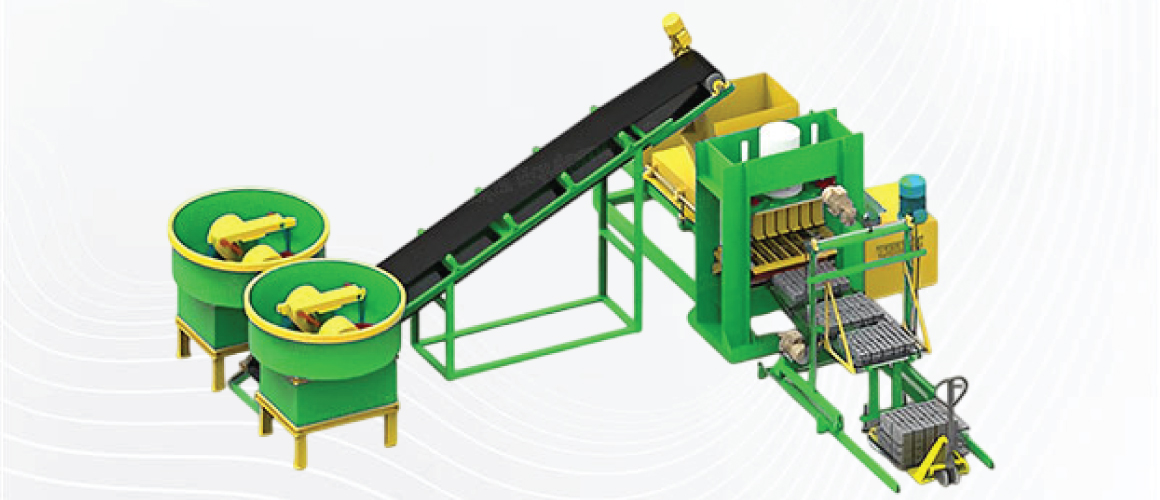
Before diving into the cost savings, it’s helpful to understand what fly ash bricks actually are. They’re manufactured using fly ash, a fine powder that’s a byproduct of coal combustion in thermal power plants. This fly ash is mixed with cement, sand, and water, then compacted and cured to form durable bricks. Essentially, we’re taking a waste product and turning it into a valuable building material, which already hints at some inherent efficiencies.
Reduced Material Costs
One of the most direct ways fly ash bricks slash construction expenses is through their material cost.
Sourcing Efficiencies
Fly ash, being a waste product, is often available at a lower cost than the clay used forq This isn’t just about the raw material price; thermal power plants are often looking for ways to dispose of fly ash responsibily, creating a symbiotic relationship with brick manufacturers. This readily available and often cheaper primary ingredient directly translates into more affordable bricks for your project. The less a manufacturer has to pay for their raw materials, the less they need to charge you, the end-user.
Fewer Bricks Needed per Square Foot
Fly ash bricks are typically denser and have more precise dimensions than traditional clay bricks. This might not sound like a huge cost saver at first, but consider the implications. Their uniform size means less mortar is required between bricks. When your bricks are consistently sized, the gaps you’re filling with mortar are smaller and more predictable. Over a large wall, this adds up; less mortar means less material purchased, transported, and mixed on-site. It’s a small saving per brick, but a substantial one across an entire building.
Reduced Breakage and Wastage
Traditional clay bricks, especially during transport and handling, can be prone to breakage. Fly ash bricks, due to their manufacturing process and higher compressive strength, are generally more robust and less susceptible to chipping and breaking. This translates directly into less material wasted on the job site. You purchase 1000 bricks, and a much higher percentage of those bricks are actually usable in the wall, rather than ending up in the waste pile. Less waste means you’re buying less to begin with, preventing that frustrating cycle of reordering and delaying.
Labor Savings on Site
Beyond the material itself, fly ash bricks present several opportunities to reduce labor costs, which are often a significant portion of any construction budget.
Faster Laying Speed
The consistent size and smooth finish of fly ash bricks make them easier and faster for masons to lay. There’s less need for adjustments, trimming, or compensation for irregular shapes that can plague traditional brickwork. A mason can establish a rhythm more quickly and maintain it, covering more square footage in a day. When labor is charged by the hour or by the area covered, a faster laying speed directly reduces your overall labor bill. It’s about efficiency and minimizing wasted time on site.
Lighter Weight
While fly ash bricks are dense, some formulations can be lighter than traditional bricks while maintaining excellent strength. This lighter weight, when applicable, can reduce the physical strain on masons and help them work more efficiently and for longer periods. It might not seem like a significant factor, but anything that contributes to a smoother, less strenuous workflow can lead to incremental labor savings and fewer fatigue-related errors.
Reduced Plastering Requirements
The smooth, uniform surface of fly ash bricks often requires less plaster or rendering compared to the rougher finish of some traditional clay bricks. In some cases, especially for interior walls where a very smooth finish isn’t critical, a thin coat of plaster or even just paint might suffice directly over the brickwork. This bypasses the need for thick, multiple coats of plaster, reducing material and labor costs associated with finishing. Every layer you can eliminate or simplify is a direct cost reduction.
Energy Efficiency and Long-Term Savings
The cost savings don’t stop once the walls are up. Fly ash bricks contribute to a more energy-efficient building, translating into long-term operational savings for the occupants.
Improved Thermal Insulation
Fly ash bricks generally exhibit better thermal insulation properties than solid clay bricks. This means they are better at resisting heat transfer, keeping the interior of the building cooler in the summer and warmer in the winter. A well-insulated building requires less energy for heating and cooling through HVAC systems. Over the lifespan of the building, these reduced energy bills can add up to substantial savings for the homeowner or business owner. It’s an investment that pays dividends year after year.
Reduced HVAC Load
Because of the improved thermal performance, the building effectively demands less from its heating and cooling systems. This can allow for the specification of smaller, less powerful (and often less expensive) HVAC units during the initial construction phase. While this is an indirect saving related to the brick, it’s a very real one that impacts the overall project budget for mechanical systems. It’s about designing a more efficient system from the ground up, not just for the walls themselves.
Enhanced Durability and Maintenance
A building that lasts longer and requires less upkeep is inherently more cost-effective in the long run. Fly ash bricks contribute positively in this area.
Higher Compressive Strength
Fly ash bricks are known for their high compressive strength, making them very durable and resistant to wear and tear. This strength translates into a more robust building structure, less prone to cracking or deterioration over time. A building that stands strong for decades without needing significant repairs saves money on maintenance and potential structural interventions. You’re building for longevity, which is always a sound financial decision.
Better Resistance to Efflorescence
Efflorescence, the white powdery substance that can appear on brick surfaces, is caused by soluble salts rising to the surface and crystallizing. Fly ash bricks, due to their composition and manufacturing process, generally exhibit better resistance to efflorescence compared to some traditional bricks. This means less effort and cost spent on cleaning and maintaining the aesthetic appeal of the brickwork over the years. It’s a small detail that makes a difference in the overall maintenance budget.
Reduced Water Absorption
Fly ash bricks typically have lower water absorption rates than traditional clay bricks. This is a significant advantage, as it makes the walls less susceptible to dampness, mold growth, and related structural issues. Less water penetration means a more stable and healthier interior environment, and fewer costs associated with moisture damage repair or remediation. Protecting the building from water ingress is crucial for its longevity and health.
Environmental Benefits and Indirect Savings
While not always directly measurable in dollars for a single project, the environmental advantages of fly ash bricks contribute to a broader sense of value and align with modern construction practices. These benefits can also create indirect financial upsides.
Waste Utilization
As mentioned, fly ash bricks effectively utilize a significant industrial waste product. This diverts thousands of tons of fly ash from landfills, a process that would otherwise incur disposal costs for power plants and occupy valuable land. By providing a market for fly ash, the construction industry plays a role in sustainable waste management, which can indirectly lead to incentives and positive public perception.
Reduced Energy Consumption in Manufacturing
The manufacturing process for fly ash bricks generally requires less energy than firing traditional clay bricks in kilns. Kilns operate at extremely high temperatures, burning significant amounts of fuel. Fly ash bricks, on the other hand, are typically subject to curing processes that are far less energy-intensive. This reduced energy consumption at the production end translates into lower manufacturing costs, which can then be passed on to the consumer. It’s about a more environmentally responsible production chain that also has cost implications.
Lower Carbon Footprint
Because of the waste utilization and reduced energy consumption during manufacturing, fly ash bricks generally have a lower carbon footprint compared to traditional bricks. As carbon taxes and regulations become more prevalent, constructing with lower-emission materials can lead to direct financial benefits or avoid future penalties. Even if not directly taxed now, a lower carbon footprint contributes to a company’s environmental social governance (ESG) goals, which can influence investment and public trust.
Realizing the Savings: A Practical Approach
To truly maximize the cost savings with fly ash bricks, it’s not just about choosing the material; it’s about integrating them thoughtfully into your project.
Early Specification
Ensure fly ash bricks are specified early in the design phase. This allows architects and engineers to fully integrate their properties into the structural design and calculate precise quantities. Changing materials halfway through a project can negate many of the potential savings due to redesign costs and supply chain adjustments.
Supplier Vetting
Work with reputable suppliers who provide high-quality, consistently manufactured fly ash bricks. Inconsistent quality can lead to aesthetic issues, challenges for masons, and ultimately, undermine the very savings you’re trying to achieve. Ask for samples and check certifications.
Training and Experience for Masons
While fly ash bricks are easier to lay, ensuring your masonry team is familiar with working with them can further optimize efficiency. Experienced masons will be able to take full advantage of their uniform properties and smooth finish. A little familiarity goes a long way in on-site productivity.
Calculating Total Cost of Ownership
When evaluating materials, always look beyond the initial purchase price of the brick. Consider the total cost of ownership, which includes material cost, labor cost, waste, future maintenance, and energy efficiency. Fly ash bricks often shine brightest when you consider this holistic view, revealing their true economic advantage over the project’s entire lifecycle.
In summary, fly ash bricks aren’t just an eco-friendly option; they’re a genuinely cost-effective one. From the moment they’re manufactured to the long years they stand as part of a building, they offer a consistent stream of savings through reduced material, labor, and long-term operational expenses. They’re a smart choice for anyone looking to build efficiently and responsibly without compromising on quality or breaking the bank.
FAQs
What are fly ash bricks and how do they reduce construction costs?
Fly ash bricks are a type of building material made from coal combustion residue. They reduce construction costs by being more affordable than traditional clay bricks, requiring less mortar during construction, and offering better thermal insulation.
What are the benefits of using fly ash bricks in construction?
Using fly ash bricks in construction offers several benefits, including reduced construction costs, lower energy consumption due to their thermal insulation properties, and environmental sustainability by utilizing a waste product from coal power plants.
How do fly ash bricks contribute to cost-effective construction?
Fly ash bricks contribute to cost-effective construction by being more affordable than traditional clay bricks, requiring less mortar during construction, and offering better thermal insulation, which can lead to long-term energy savings for the building.
How do fly ash bricks lower construction expenses?
Fly ash bricks lower construction expenses by being more affordable than traditional clay bricks, requiring less mortar during construction, and offering better thermal insulation, which can lead to reduced energy costs for the building over time.
How can building projects maximize savings by incorporating fly ash bricks?
Building projects can maximize savings by incorporating fly ash bricks through reduced material costs, lower energy consumption due to their thermal insulation properties, and long-term cost savings on energy expenses for the building.