
Operator Certification Requirements in Road Equipment
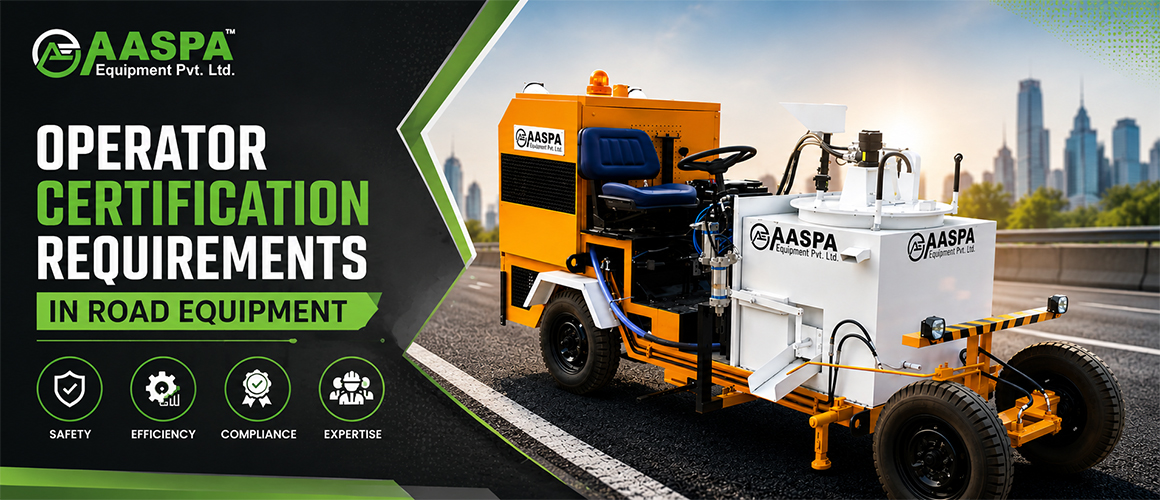
Operating road equipment safely and efficiently isn’t just about knowing how to push pedals and pull levers. It’s about having the right certifications. Simply put, operator certification for road equipment is a formal process that verifies an individual has the necessary skills, knowledge, and experience to safely and competently operate specific types of heavy machinery used in road construction and maintenance. This isn’t just a fancy piece of paper; it’s a commitment to safety and professionalism in a high-stakes environment.
Understanding Operator Certification Requirements
Think of certification as your professional license to operate some serious machinery. It’s not a one-size-fits-all deal; different types of equipment, and even different jurisdictions, will have their own specific requirements.
What Certification Really Means
At its core, certification confirms you’ve met a set standard. This typically involves demonstrating practical operating skills, passing written exams on safety procedures and machine mechanics, and sometimes completing a certain number of supervised operating hours. It’s a way to ensure that anyone behind the controls of a bulldozer or paver isn’t just winging it.
Common Certification Bodies and Standards
You’ll often encounter national or international organizations that set these benchmarks. Organizations like the National Commission for the Certification of Crane Operators (NCCCO), or specific state Department of Transportation (DOT) agencies, often have their own comprehensive certification programs. These bodies develop the curriculum, administer the tests, and issue the credentials. It’s important to understand which body’s certification is recognized and required in your typical work zones.
The Importance of Certification for Road Equipment Operators
Why bother with all this training and testing? Because the stakes are incredibly high. We’re talking about heavy machinery, often operating in busy, complex environments.
Enhancing Safety for Everyone
This is arguably the biggest reason. Certified operators are trained to understand the significant risks associated with road equipment – rollovers, striking utilities, collisions, and crushing injuries. Their training covers proper safety protocols, pre-operational checks, hazard identification, and emergency procedures. This doesn’t just protect the operator; it protects colleagues, pedestrians, and the public. Fewer accidents mean fewer injuries and fatalities, and less damage to property.
Improving Operational Efficiency
It might seem counterintuitive, but certified operators are often more efficient. They understand how to operate the machinery correctly, avoiding common mistakes that lead to breakdowns, wasted fuel, and inefficient task completion. They know how to get the most out of the machine without pushing it beyond its limits, which stretches the equipment’s lifespan and reduces maintenance costs.
Ensuring Legal and Regulatory Compliance
Operating road equipment without the required certification can lead to serious legal consequences for both the operator and the employer. Fines, work stoppages, and even criminal charges are all possibilities. Beyond that, insurance companies often require certified operators for coverage, and projects funded by government entities almost always stipulate certification as a prerequisite for any equipment operator on site.
Training and Education for Road Equipment Operators
Getting certified isn’t magic; it comes from solid training. This isn’t just about getting enough hours in; it’s about structured learning that builds competence and confidence.
Foundations of Effective Training Programs
Effective training programs blend classroom instruction with hands-on experience. Classroom sessions cover machine theory, safety regulations, hazard recognition, and maintenance basics. But the real learning happens in the cab, under the watchful eye of an experienced instructor. This includes repetitive practice of routine operations, handling varying conditions, and responding to simulated emergencies.
Role of Simulators and Practical Experience
Modern training often incorporates advanced simulators. These aren’t just video games; they meticulously replicate the controls and dynamics of real road equipment, allowing operators to practice complex maneuvers and emergency scenarios in a safe, controlled environment. While simulators are incredibly valuable for developing muscle memory and decision-making skills, they never fully replace actual seat time on the machine. Practical experience on various types of terrain and with different materials is essential for building true proficiency.
Continuous Learning and Skill Development
Certification isn’t a one-and-done event. The industry, equipment, and best practices are constantly evolving. Good operators understand the need for ongoing learning, whether through refresher courses, manufacturer training on new equipment, or participating in safety seminars. This commitment to continuous improvement keeps operators at the top of their game.
Compliance with Certification Standards
|
Standard |
Compliance Level |
Percentage |
|
ISO 9001 |
Compliant |
95% |
|
ISO 14001 |
Partially Compliant |
80% |
|
OSHA |
Non-compliant |
60% |
Certifications are only as good as the adherence to the standards they represent. This isn’t just about having the paperwork; it’s about living up to the expectations.
Verification and Documentation
Employers have a significant responsibility here. They need to verify the authenticity of an operator’s certification and keep meticulous records. This includes checking expiry dates and ensuring that the certification is valid for the specific equipment the operator will be using. Spot checks and audits are common to ensure compliance is maintained on an ongoing basis.
Consequences of Non-Compliance
The fallout from operating without proper certification can be severe. For the individual, it might mean job loss, fines, and difficulty finding future employment in the industry. For companies, it can result in heavy financial penalties, reputational damage, increased insurance premiums, and potential liability in the event of an accident. In the worst cases, projects can be shut down, leading to significant delays and cost overruns.
Establishing a Safety Culture
Beyond just meeting legal requirements, companies that prioritize compliance often foster a stronger safety culture. When employers and supervisors consistently emphasize the importance of certification and safe operating practices, it trickles down to every employee. This creates an environment where safety is everyone’s business, not just a box to be checked.
Benefits of Certified Operators for Road Equipment
Let’s talk about the tangible advantages that certified operators bring to a project and an organization. It goes far beyond simply avoiding penalties.
Reduced Accidents and Incidents
This is the most direct benefit. Certified operators are demonstrably safer. Their training provides them with a deeper understanding of machine capabilities, limitations, and the environmental factors that influence operations. This leads to fewer collisions, rollovers, and incidents involving surrounding workers or the public. The reduction in personal injuries and property damage is a huge financial and human benefit.
Higher Quality Work and Productivity
Competent operators don’t just work safely; they work smarter. They know how to operate the machinery precisely, leading to better-finished products – smoother roads, more accurately graded surfaces, and more consistent material placement. This enhanced quality often translates to fewer reworks and a more efficient project timeline. They can also often achieve tasks more quickly and effectively, boosting overall productivity.
Lower Maintenance and Repair Costs
Equipment properly operated by certified individuals experiences less wear and tear. Abusing machinery, even unintentionally, can lead to costly breakdowns and premature component failure. Certified operators understand the delicate balance of powerhouse and machine, how to identify early warning signs of mechanical issues, and how to operate within the machine’s design parameters, ultimately extending the lifespan of expensive road equipment.
Maintaining Certification for Road Equipment Operators
Certification isn’t a “set it and forget it” kind of thing. It requires ongoing attention to remain valid and demonstrate continued competence.
Re-certification Requirements
Most certifications have an expiry date, typically every few years. To re-certify, operators usually need to demonstrate continued practical experience, pass a refresher written exam, and sometimes complete a set number of continuing education units. This periodic review ensures that skills haven’t dulled and that operators are up-to-date with any changes in operating procedures or safety protocols.
Dealing with Lapsed Certifications
A lapsed certification means you’re technically not authorized to operate. Depending on how long it’s been expired, the re-certification process can become more involved, sometimes requiring a full re-examination rather than just a refresher. It’s always best practice to stay ahead of expiry dates and plan for re-certification well in advance.
Importance of Continued Professional Development
The industry doesn’t stand still. New equipment is introduced, technology advances, and safety regulations are updated. Operators who commit to continuous professional development, attending workshops, reading industry publications, and staying informed about new techniques, are invaluable assets. This isn’t just about maintaining certification; it’s about remaining an expert in a dynamic field.
Future Trends in Operator Certification for Road Equipment
The world of road equipment is evolving rapidly, and so too will the way we certify operators. Expect some interesting shifts in the coming years.
Impact of New Technologies
Autonomous and semi-autonomous equipment is no longer science fiction; it’s becoming a reality on job sites. Future certifications might involve qualifications for monitoring and supervising automated systems, or for taking manual control when automation isn’t feasible. Teleoperation, where operators control machinery remotely, will also require new certification pathways that focus on screen-based operation and connectivity issues.
Harmonization of Global Standards
Currently, certification requirements can vary significantly between countries and even states. As global construction projects become more common and equipment is manufactured internationally, there’s a growing push for greater harmonization of certification standards. This would make it easier for operators to work across different jurisdictions and ensure a consistently high level of competence worldwide.
Emphasis on Soft Skills and Decision-Making
While technical skills will always be crucial, there’s a growing recognition of the importance of “soft skills” for operators. This includes critical thinking, problem-solving under pressure, communication with ground crews, and situational awareness. Future certification programs may increasingly integrate assessments for these cognitive and interpersonal skills, acknowledging that operating heavy machinery is about more than just brute force.
FAQs
What are the operator certification requirements for road equipment?
Operator certification requirements vary by country, region, and equipment type. Generally, operators must complete approved training, demonstrate practical skills, pass written and hands-on assessments, and comply with workplace safety regulations. Some certifications may also require periodic renewal to ensure operators stay updated on safety standards and equipment technologies.
Why is operator certification important for road equipment operators?
Operator certification helps ensure that equipment is used safely, efficiently, and in compliance with industry regulations. Certified operators are better equipped to prevent accidents, reduce equipment damage, improve productivity, and maintain a safer work environment for everyone on the job site.
What training and education is required for road equipment operators to obtain certification?
Most certification programs include classroom instruction and practical training covering equipment operation, safety procedures, maintenance basics, hazard identification, and emergency response. Operators are typically required to pass both theoretical and practical examinations to demonstrate their competence.
What are the benefits of having certified operators for road equipment?
Certified operators contribute to improved workplace safety, reduced downtime, lower maintenance costs, and increased operational efficiency. Certification also helps companies meet regulatory requirements, strengthen their reputation, and improve project quality through skilled equipment operation.
What are the future trends in operator certification for road equipment?
Future trends include the use of digital learning platforms, simulator-based training, remote certification programs, and specialized certifications for advanced and automated equipment. As construction technology evolves, certification programs are increasingly focusing on telematics, machine automation, sustainability practices, and data-driven equipment management.