
How To Control Bitumen Temperature For Perfect Spraying
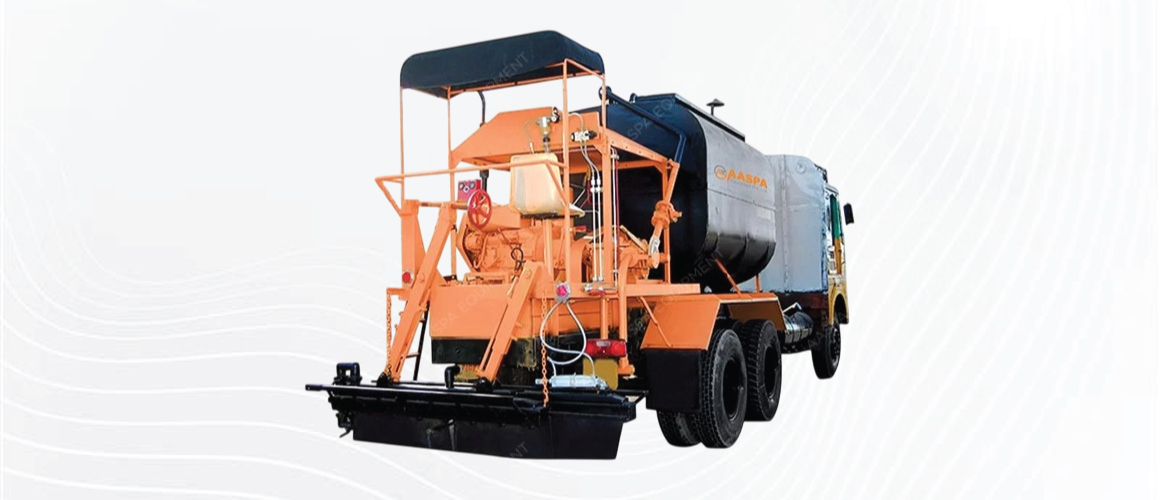
Controlling bitumen temperature is crucial for achieving perfect spraying results. Bitumen, a viscous and sticky material, needs to be heated to a specific temperature range to ensure proper viscosity and adhesion to the surface being sprayed. If the bitumen temperature is too low, it may not flow smoothly through the spraying equipment, leading to uneven coverage and poor adhesion.
On the other hand, if the temperature is too high, it can cause excessive dripping and potential damage to the surface. Therefore, maintaining the right bitumen temperature is essential for achieving a uniform and durable asphalt layer. Furthermore, proper bitumen temperature control is vital for ensuring the overall quality and longevity of the asphalt pavement.
When bitumen is sprayed at the correct temperature, it forms a strong bond with the aggregate, resulting in a durable and long-lasting road surface. In contrast, inadequate temperature control can lead to premature pavement failures, such as cracking and rutting, compromising the structural integrity of the road. Therefore, understanding and managing bitumen temperature during spraying is fundamental to achieving high-quality and resilient asphalt pavements.
Key Takeaways
- Proper bitumen temperature control is crucial for achieving perfect spraying results
- Factors such as ambient temperature, bitumen grade, and equipment efficiency can affect bitumen temperature
- Techniques for controlling bitumen temperature include preheating, insulation, and using temperature sensors
- Best practices for achieving perfect spraying temperature include regular monitoring and adjustment in real time
- Innovations in bitumen temperature control, such as automated temperature control systems, can ensure consistent quality spraying results
Factors Affecting Bitumen Temperature for Spraying
Several factors can influence the temperature of bitumen during the spraying process. Ambient temperature plays a significant role, as colder weather can cause bitumen to thicken and become less workable, requiring higher heating temperatures to achieve the desired viscosity for spraying. Conversely, in hot weather conditions, bitumen may need to be cooled to prevent excessive dripping and ensure proper adhesion to the surface.
The type and grade of bitumen also impact the required spraying temperature. Different grades of bitumen have distinct viscosity characteristics, necessitating specific heating or cooling parameters for optimal spraying performance. Additionally, the storage and transportation conditions of bitumen can affect its initial temperature, requiring adjustments before the spraying operation.
Moreover, the design and operation of the spraying equipment can influence bitumen temperature control. Efficient heating systems and insulation are essential for maintaining consistent temperatures throughout the spraying process. Understanding these factors is crucial for implementing effective techniques to control bitumen temperature during spraying.
Techniques for Controlling Bitumen Temperature during Spraying
To achieve precise bitumen temperature control during spraying, various techniques and equipment are utilized. One common method is the use of heating tanks or vessels to heat the bitumen to the required temperature before it is transferred to the spraying equipment. These tanks are equipped with heating elements and insulation to maintain the desired temperature throughout the storage and transfer process.
In addition to preheating, some spraying equipment incorporates heating elements along the spray nozzles or distribution system to ensure that the bitumen remains at the optimal temperature as it is applied to the surface. This approach allows for real-time temperature control during the spraying operation, minimizing temperature fluctuations and ensuring consistent application. Furthermore, advanced technologies such as thermal imaging cameras and infrared temperature sensors are employed to monitor and adjust bitumen temperature during spraying.
These tools provide real-time feedback on the temperature distribution across the surface being sprayed, enabling operators to make immediate adjustments to optimize spraying performance.
Best Practices for Achieving Perfect Bitumen Spraying Temperature
| Temperature Range | Impact |
| Below 140°C | Poor adhesion and compaction |
| 140-160°C | Ideal spraying temperature for most binders |
| Above 160°C | Increased risk of binder aging and poor workability |
Implementing best practices for achieving perfect bitumen spraying temperature involves a combination of proper equipment maintenance, accurate temperature monitoring, and adherence to recommended heating or cooling parameters. Regular maintenance of heating systems and insulation components is essential to ensure consistent performance and prevent temperature fluctuations that can affect spraying quality. Furthermore, operators should closely monitor bitumen temperature throughout the entire spraying process, making adjustments as needed to maintain the optimal temperature range.
This may involve periodic sampling and testing of bitumen temperature at different stages of the operation to verify compliance with specifications. Adhering to manufacturer guidelines and industry standards for heating or cooling bitumen is critical for achieving perfect spraying temperature. Proper training of personnel involved in bitumen handling and spraying operations is also essential to ensure that best practices are followed consistently.
Monitoring and Adjusting Bitumen Temperature in Real Time
Real-time monitoring and adjustment of bitumen temperature are essential for achieving precise spraying results. Operators can utilize digital temperature gauges and control systems to continuously monitor the temperature of bitumen in storage tanks and throughout the spraying equipment. This allows for immediate intervention if any deviations from the optimal temperature range are detected.
In addition, automated temperature control systems can be integrated into spraying equipment to regulate bitumen temperature dynamically as it is being applied. These systems use feedback from temperature sensors to adjust heating or cooling elements in real time, ensuring that the bitumen maintains the desired viscosity for optimal spraying performance. Moreover, operators should be trained to recognize potential issues that may affect bitumen temperature during spraying, such as clogging or malfunctioning of heating elements, and take prompt corrective actions to prevent disruptions in the process.
Innovations in Bitumen Temperature Control for Spraying
Advancements in technology have led to innovative solutions for bitumen temperature control during spraying. For instance, some modern asphalt pavers are equipped with intelligent heating systems that utilize predictive algorithms to anticipate changes in ambient conditions and adjust bitumen temperature accordingly. This proactive approach helps maintain consistent spraying performance regardless of external factors.
Furthermore, the integration of data analytics and machine learning algorithms enables operators to optimize bitumen temperature control based on historical performance data and real-time environmental variables. By leveraging these innovations, paving contractors can achieve greater precision and efficiency in managing bitumen temperature for spraying operations. Additionally, research and development efforts continue to focus on enhancing heating and insulation technologies to minimize energy consumption while maximizing heat retention and distribution within bitumen storage and spraying systems.
These innovations contribute to sustainable practices in bitumen temperature control for asphalt paving applications.
Ensuring Consistent Bitumen Temperature for Quality Spraying Results
Consistency in bitumen temperature control is paramount for achieving quality spraying results and long-term pavement performance. To ensure this consistency, paving contractors should establish rigorous quality control measures that encompass regular calibration of temperature monitoring equipment, verification of heating system performance, and adherence to standardized operating procedures. Furthermore, ongoing training and education for personnel involved in bitumen handling and spraying operations are essential for promoting a culture of excellence in temperature control practices.
By fostering a deep understanding of the importance of consistent bitumen temperature for quality spraying results, paving teams can collectively uphold high standards in their operations. Ultimately, by prioritizing meticulous attention to detail in bitumen temperature control and embracing technological advancements in this domain, paving contractors can achieve superior outcomes in asphalt pavement construction, leading to safer and more durable road infrastructure for communities worldwide.
FAQs
What is the importance of controlling bitumen temperature for spraying?
Controlling bitumen temperature is crucial for achieving the right viscosity and ensuring proper adhesion to the surface being sprayed. It also helps in achieving uniform coverage and preventing issues such as uneven application and poor bonding.
What are the factors that affect bitumen temperature for spraying?
Factors such as ambient temperature, storage temperature, transportation conditions, and the type of bitumen being used can all affect the temperature of bitumen for spraying.
What are the techniques for controlling bitumen temperature during spraying?
Common techniques for controlling bitumen temperature include using heating systems such as direct fire, hot oil, or electric heaters, as well as insulation to maintain the desired temperature during transportation and storage.
What are the best practices for achieving perfect bitumen spraying temperature?
Best practices include regularly monitoring the temperature, using reliable heating and insulation systems, and adjusting the temperature as needed to maintain the ideal spraying temperature.
How can bitumen temperature be monitored and adjusted in real time?
Real-time monitoring can be achieved using temperature sensors and gauges, while adjustments can be made by controlling the heating systems and insulation to maintain the desired temperature.
What are the innovations in bitumen temperature control for spraying?
Innovations include the use of advanced temperature control systems, such as automated heating and cooling systems, as well as the integration of temperature monitoring and adjustment technology for more precise control.
How can consistent bitumen temperature be ensured for quality spraying results?
Consistent temperature can be ensured by using reliable temperature control systems, conducting regular maintenance and calibration of equipment, and implementing proper storage and transportation practices to prevent temperature fluctuations.