
Optimizing Fuel Consumption in Asphalt Drum Mix Operations
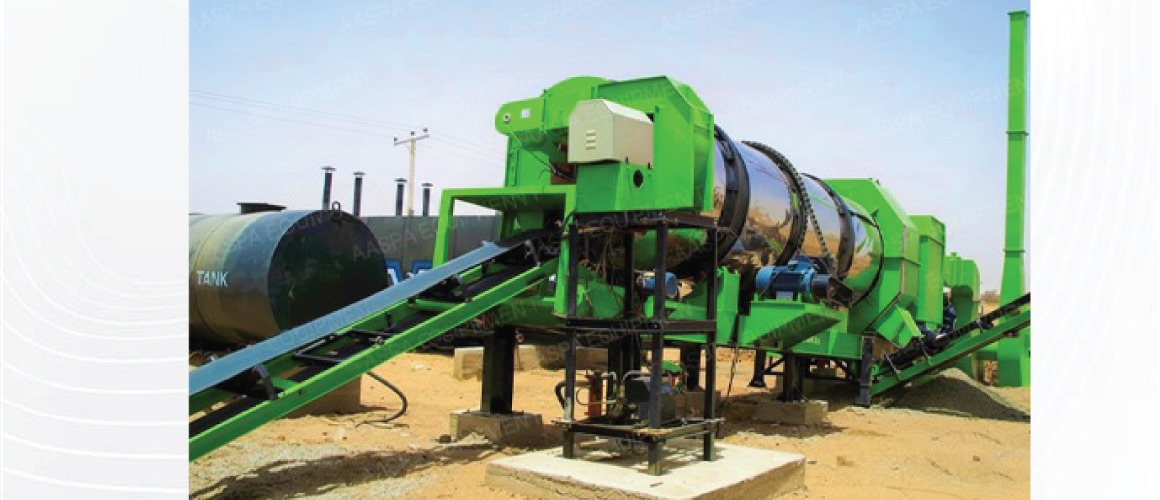
Asphalt drum mix operations are central to road construction and various infrastructure projects. These plants produce hot mix asphalt by drying and heating aggregates and then mixing them with asphalt binder. A significant operational cost and environmental concern in these processes is fuel consumption. Understanding, managing, and optimizing this consumption directly impacts the economic viability and ecological footprint of asphalt production.
Fuel Consumption in Asphalt Drum Mix Operations
Fuel consumption in asphalt drum mix operations refers to the total energy expended, primarily from burning fossil fuels like natural gas, propane, or diesel, to heat aggregates and drive the plant’s various mechanical components. This expenditure is a substantial portion of the overall production cost. The process begins with cold aggregates entering the rotating drum. Here, a burner, often fueled by natural gas or oil, generates a high-temperature flame that dries the aggregates and raises their temperature to the desired level for mixing with asphalt binder. The fuel consumption is thus directly proportional to the amount of heat required, which in turn depends on aggregate moisture content, desired mix temperature, and ambient conditions.
Factors Influencing Fuel Burn
Several variables determine how much fuel an asphalt drum mix plant consumes. These factors are not isolated but often interact, creating a complex energy landscape within the operation.
Aggregate Moisture Content
Water contained within the aggregates must be evaporated before the aggregates can be heated to the mixing temperature. This evaporation process is energy-intensive. Even a small percentage increase in moisture content can lead to a disproportionately large increase in fuel consumption. Imagine trying to boil a pot of water; it takes more energy to bring cold water to a boil than slightly warmer water. Similarly, wetter aggregates demand more fuel to reach the drying and heating thresholds.
Desired Mix Temperature
The target temperature for the asphalt mix is another critical factor. Higher mixing temperatures generally require more fuel. Different asphalt mixes and project specifications dictate these temperatures. Producing mixes for cold weather paving, for instance, might necessitate higher temperatures to maintain workability, leading to greater fuel use.
Ambient Conditions
The surrounding environment plays a role in heat loss and overall energy efficiency. Colder ambient temperatures increase heat loss from the drum and the aggregates, demanding more fuel to compensate. Wind can also exacerbate heat loss. Conversely, warmer ambient temperatures can subtly reduce the fuel requirement.
Plant Efficiency and Maintenance
The mechanical and thermal efficiency of the plant itself is a paramount influence. A well-maintained burner, correctly calibrated sensors, and minimal heat loss from the drum or stack are indicative of an efficient plant. Conversely, clogged burners, worn seals, or poor insulation can act like a leaky faucet, continuously draining fuel without adequate output.
Implementing Efficient Practices for Fuel Optimization
Optimizing fuel consumption is not a singular action but a continuous process involving multiple operational adjustments and technological adoptions. It’s about finding the right balance between production demands and energy efficiency.
Pre-Drying and Aggregate Storage
Reducing the initial moisture content of aggregates before they enter the drum is a powerful fuel-saving strategy. Stockpiling aggregates effectively, perhaps under cover, can prevent excessive moisture absorption. Allowing aggregates to drain naturally for a period can also yield benefits. Some advanced plants utilize pre-drying technologies, though these add initial capital costs. Think of it like pre-heating an oven; if the ingredients are already at room temperature, it takes less energy to cook them.
Burner Optimization and Calibration
The burner is the heart of the heating process. Regular inspection, cleaning, and calibration ensure it operates at peak efficiency. A misaligned or dirty burner can lead to incomplete combustion, wasting fuel and potentially increasing emissions. Air-to-fuel ratios must be precisely controlled. Using advanced burner management systems can dynamically adjust conditions for optimal combustion.
Variable Frequency Drives (VFDs)
Motors driving various components like the drum, fans, and conveyors consume electricity, which is often generated using fuel. Implementing Variable Frequency Drives (VFDs) allows operators to precisely control motor speeds, matching them to actual production demands. This avoids the inefficiency of motors running at full speed when not required, analogous to driving a car at a consistent, moderate speed rather than constantly accelerating and braking.
Key Factors Affecting Fuel Consumption
Beyond the immediate operational parameters, other systemic factors also exert significant influence on fuel consumption in asphalt drum mix plants. Recognizing these helps in formulating broader strategies for optimization.
Production Scheduling and Throughput
Efficient scheduling can minimize plant startups and shutdowns, which are generally fuel-intensive periods.
Running the plant at its optimal throughput rate, as determined by its design specifications, ensures that the fuel consumed is maximized in terms of output. Under sizing or oversizing the plant for a particular job can lead to inefficiencies. A plant operating at 70% capacity for an extended period might still consume a significant amount of fuel, whereas running at 90% capacity for a shorter duration could be more fuel-efficient per ton of asphalt produced.
Quality Control and Mix Design
Poor mix design or inadequate quality control can lead to wasted fuel. For instance, if an asphalt mix requires higher temperatures than technically necessary due to imprecise materials or outdated specifications, fuel is squandered. Consistent aggregate gradation and precise asphalt binder content help ensure the mix reaches specification with minimal energy input. Every bit of rework or rejection due to poor quality results in wasted fuel from prior production cycles.
Strategies for Minimizing Fuel Usage
|
Strategy |
Description |
Benefits |
|
Route Optimization |
Using GPS technology to find the most efficient routes for vehicles. |
Reduces fuel consumption and saves time. |
|
Vehicle Maintenance |
Regular maintenance of vehicles to ensure optimal fuel efficiency. |
Prevents fuel wastage and extends vehicle lifespan. |
|
Driver Training |
Training drivers on fuel-efficient driving techniques. |
Improves fuel economy and reduces wear and tear on vehicles. |
|
Use of Alternative Fuels |
Exploring and implementing alternative fuel options such as electric, biodiesel, or natural gas. |
Reduces reliance on traditional fuels and lowers emissions. |
To actively minimize fuel usage, plant operators and managers must adopt a multi-pronged approach that combines best practices with technological integration. This isn’t just about tweaking settings but rethinking the entire operational framework.
Energy Audits and Monitoring Systems
Regular energy audits can identify areas of significant heat loss or operational inefficiency. Installing comprehensive monitoring systems, including temperature sensors, fuel flow meters, and exhaust gas analyzers, provides real-time data. This data acts as the eyes and ears of the operation, allowing for immediate corrective actions and long-term trend analysis. Without knowing where fuel is being consumed, it’s difficult to manage it effectively.
Insulation and Heat Recovery
Improving the insulation of the drum, ductwork, and other heated components can significantly reduce heat loss to the ambient environment. Heat recovery systems, such as those that capture waste heat from the exhaust gases to preheat incoming aggregates or combustion air, can dramatically improve thermal efficiency. This is akin to recycling heat that would otherwise be lost, turning a byproduct into a valuable resource.
Use of Alternative Fuels
Exploring and implementing alternative fuels, where feasible, can reduce reliance on traditional fossil fuels and potentially lower overall energy costs and environmental impact. Examples include biogases or waste oils, though these often require specific burner modifications and regulatory approvals.
The Role of Technology in Optimizing Fuel Efficiency
Technology has become an indispensable ally in the quest for fuel efficiency. From advanced control systems to sophisticated sensors, technological advancements offer unprecedented levels of precision and insight.
Automation and Process Control
Modern asphalt plants often incorporate advanced automation and process control systems. These systems use PLCs (Programmable Logic Controllers) and sophisticated algorithms to continuously monitor and adjust various operational parameters. This includes aggregate feed rates, burner flame intensity, air-to-fuel ratios, and exhaust gas temperatures. Such automated control can react to changing conditions much faster and more precisely than human operators alone, maintaining optimal efficiency around the clock.
Artificial Intelligence and Predictive Analytics
Emerging technologies like Artificial Intelligence (AI) and machine learning offer even greater potential. By analyzing vast amounts of historical and real-time data, AI can identify subtle patterns and predict optimal operational parameters under varying conditions. For instance, AI could predict the ideal burner settings based on current aggregate moisture content, ambient temperature, and desired production rate, moving beyond static set points to dynamic, predictive control. This allows the plant to anticipate challenges rather than merely reacting to them.
Remote Monitoring and Diagnostics
Telematics and remote monitoring solutions allow plant managers to oversee operations from a distance. Critical data points, including fuel consumption, production rates, and equipment diagnostics, can be streamed to a central dashboard. This enables proactive maintenance, prompt troubleshooting, and data-driven decision-making, minimizing downtime and ensuring consistent fuel efficiency across multiple plant locations. It allows for a helicopter view of the entire operation, identifying bottlenecks or inefficiencies that might be missed at ground level.
Integration of Renewable Energy
While less common for the direct heating process in drum mixers, integrating renewable energy sources for auxiliary power requirements – such as operating conveyors, lighting, or control systems – can indirectly reduce overall fossil fuel consumption. Solar panels or wind turbines powering administrative buildings or peripheral equipment can chip away at the plant’s total energy demand.
Optimizing fuel consumption in asphalt drum mix operations is a multifaceted endeavor that requires a holistic approach. It involves meticulous attention to operational details, strategic investments in technology, and a commitment to continuous improvement. By understanding the intricate interplay of factors influencing fuel burn and by implementing efficient practices, plant operators can significantly reduce costs, lessen their environmental impact, and enhance the overall sustainability of their operations.
FAQs
- What are the key factors affecting fuel consumption in asphalt drum mix operations?
The key factors influencing fuel consumption in asphalt drum mix operations include:
- Aggregate Moisture Content: Higher moisture content requires more energy for evaporation.
- Desired Mix Temperature: Higher temperatures for asphalt mixes lead to increased fuel usage.
- Ambient Conditions: Colder temperatures and wind can increase heat loss, necessitating more fuel.
- Plant Efficiency and Maintenance: Well-maintained equipment and efficient operations reduce fuel waste.
- What are the best practices for reducing fuel consumption in asphalt plants?
Best practices for reducing fuel consumption include:
- Pre-Drying Aggregates: Reducing moisture content before heating.
- Burner Optimization: Regular maintenance and calibration of burners for efficient combustion.
- Using Variable Frequency Drives (VFDs): Adjusting motor speeds to match production needs.
- Implementing Energy Audits: Identifying inefficiencies and areas for improvement.
- How can technology be utilized to optimize fuel efficiency in asphalt drum mix operations?
Technology can optimize fuel efficiency through:
- Automation and Process Control: Using advanced control systems to monitor and adjust operational parameters in real-time.
- Artificial Intelligence and Predictive Analytics: Analyzing data to predict optimal settings for fuel consumption.
- Remote Monitoring and Diagnostics: Allowing for proactive maintenance and data-driven decision-making.
- Integration of Renewable Energy: Utilizing renewable sources for auxiliary power needs to reduce overall fossil fuel consumption.
- What are the strategies for minimizing fuel usage in asphalt drum mix plants?
Strategies for minimizing fuel usage include:
- Route Optimization: Using GPS for efficient vehicle routing.
- Regular Vehicle Maintenance: Ensuring vehicles operate at optimal fuel efficiency.
- Driver Training: Teaching fuel-efficient driving techniques.
- Exploring Alternative Fuels: Implementing options like biodiesel or natural gas to reduce reliance on traditional fuels.
- Why is understanding the impact of fuel consumption important in asphalt drum mix operations?
Understanding the impact of fuel consumption is crucial because:
- It directly affects operational costs and profitability.
- It helps in minimizing the environmental footprint of asphalt production.
- It enables better resource management and operational efficiency.
- It supports compliance with regulatory standards and sustainability goals.