
Digital Control Systems: The Future Of Asphalt Mixing Accuracy
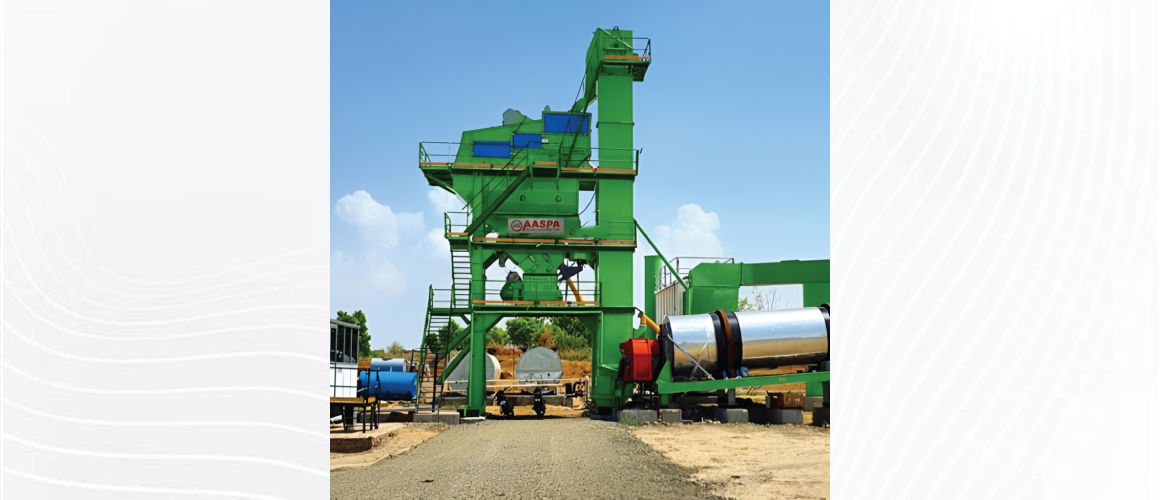
Asphalt mixing is a critical process in the construction and maintenance of roadways, and the accuracy of this process directly influences the quality and longevity of the pavement. In recent years, advancements in digital control systems have emerged as a game-changer in this field. These systems leverage sophisticated algorithms, real-time data analytics, and automation to enhance the precision of asphalt mixing.
By integrating sensors and digital interfaces, operators can monitor and adjust the mixing process with unprecedented accuracy, ensuring that the final product meets stringent specifications. The future of asphalt mixing accuracy is not just about improving existing processes; it is also about embracing innovative technologies that can predict and adapt to varying conditions. For instance, machine learning algorithms can analyze historical data to optimize mix designs based on environmental factors such as temperature and humidity.
This proactive approach minimizes waste and maximizes efficiency, ultimately leading to better-performing asphalt mixtures. As the industry continues to evolve, the integration of digital control systems will play a pivotal role in shaping the standards for asphalt mixing accuracy.
Key Takeaways
- Digital control systems are revolutionizing asphalt mixing accuracy by enhancing precision and control in operations.
- Advancements in digital control systems are playing a key role in improving the accuracy of asphalt mixing.
- Cutting-edge control systems are being integrated to achieve enhanced control and accuracy in asphalt mixing operations.
- The future of asphalt mixing accuracy lies in the integration of digital control systems for improved precision and efficiency.
- Digital control systems are having a significant impact on improving the accuracy of asphalt mixing, leading to better quality and performance.
How Digital Control Systems are Revolutionizing Asphalt Mixing Accuracy
Digital control systems are revolutionizing asphalt mixing by introducing a level of precision that was previously unattainable. Traditional methods often relied on manual adjustments and experience-based judgments, which could lead to inconsistencies in the final product. In contrast, digital systems utilize real-time data from various sensors to monitor parameters such as temperature, viscosity, and aggregate composition.
This data-driven approach allows for immediate adjustments during the mixing process, ensuring that the asphalt meets the required specifications consistently. Moreover, these systems facilitate better communication between different components of the asphalt mixing plant. For example, a digital control system can synchronize the operation of feeders, mixers, and silos, optimizing the entire workflow.
This interconnectedness not only enhances accuracy but also improves overall efficiency by reducing downtime and minimizing material waste. As a result, contractors can deliver high-quality asphalt mixes more reliably, which is essential for meeting project deadlines and maintaining budget constraints.
Enhancing Asphalt Mixing Accuracy with Cutting-Edge Control Systems
The integration of cutting-edge control systems into asphalt mixing operations has significantly enhanced accuracy and efficiency. Advanced technologies such as Internet of Things (IoT) devices and cloud computing enable continuous monitoring and analysis of the mixing process. IoT sensors can collect data on various parameters, such as moisture content and aggregate size, which are crucial for achieving the desired asphalt properties.
This information is then transmitted to a centralized system where it can be analyzed in real-time. Furthermore, cloud-based platforms allow for remote access to data and control systems, enabling operators to make informed decisions from anywhere. This flexibility is particularly beneficial for large-scale projects where multiple mixing plants may be involved.
By utilizing these advanced control systems, operators can ensure that each batch of asphalt is mixed to perfection, resulting in improved performance and durability of the pavement.
The Role of Digital Systems in Improving Asphalt Mixing Control
|
Metrics |
Results |
|
Improved Mixing Efficiency |
10-20% increase in production |
|
Quality Control |
Reduction in material waste by 15% |
|
Environmental Impact |
30% decrease in emissions |
|
Maintenance Costs |
20% decrease in repair expenses |
Digital systems play a vital role in improving control over the asphalt mixing process by providing operators with comprehensive insights into every aspect of production. These systems can track key performance indicators (KPIs) such as mix temperature, aggregate proportions, and energy consumption. By analyzing this data, operators can identify trends and make informed adjustments to optimize the mixing process.
Additionally, digital control systems enhance quality assurance by enabling automated testing and validation of asphalt mixes. For instance, automated sampling devices can take samples at predetermined intervals, ensuring that each batch meets quality standards before it is used in construction. This level of control not only reduces the risk of defects but also fosters greater confidence among stakeholders regarding the integrity of the materials being used.
Achieving Precision in Asphalt Mixing through Advanced Control Systems
Achieving precision in asphalt mixing is essential for producing high-quality pavements that withstand the test of time. Advanced control systems contribute to this precision by employing sophisticated algorithms that can predict how different variables will affect the final mix.
For example, these systems can simulate various scenarios based on historical data to determine the optimal mix design for specific conditions.
Moreover, advanced control systems facilitate real-time adjustments during the mixing process. If a sensor detects an anomaly—such as an unexpected change in temperature or material composition—the system can automatically recalibrate the mixing parameters to maintain consistency. This level of precision not only enhances the quality of the asphalt but also reduces material waste and operational costs.
The Impact of Digital Control Systems on Asphalt Mixing Accuracy
The impact of digital control systems on asphalt mixing accuracy is profound and far-reaching. By automating many aspects of the mixing process, these systems reduce human error and variability that can compromise quality. The ability to monitor and adjust parameters in real-time ensures that each batch of asphalt is produced under optimal conditions, leading to improved performance characteristics such as durability and resistance to cracking.
Furthermore, digital control systems contribute to sustainability efforts within the asphalt industry. By optimizing material usage and reducing waste, these systems help minimize the environmental footprint of asphalt production. As regulations around sustainability become increasingly stringent, adopting digital technologies will be crucial for companies looking to remain competitive while adhering to environmental standards.
Integrating Digital Systems for Enhanced Control in Asphalt Mixing Operations
Integrating digital systems into asphalt mixing operations represents a significant leap forward in achieving enhanced control and efficiency. The convergence of various technologies—such as artificial intelligence (AI), machine learning, and IoT—creates a robust framework for managing complex mixing processes. This integration allows for seamless communication between different components of the mixing plant, resulting in a more cohesive operation.
Moreover, training personnel to effectively utilize these digital systems is essential for maximizing their potential benefits. As operators become more familiar with advanced technologies, they can leverage data analytics to make informed decisions that enhance both productivity and quality.
The future of asphalt mixing lies in this integration of digital systems, which promises not only improved accuracy but also a more sustainable approach to road construction and maintenance.
FAQs
What are digital control systems in the context of asphalt mixing accuracy?
Digital control systems in the context of asphalt mixing accuracy refer to the use of advanced technology and software to monitor and regulate the various components and processes involved in asphalt mixing. These systems utilize digital sensors, controllers, and algorithms to achieve precise control and improve the accuracy of asphalt mixing operations.
How do digital control systems revolutionize asphalt mixing accuracy?
Digital control systems revolutionize asphalt mixing accuracy by providing real-time monitoring and control of key parameters such as temperature, moisture content, and material proportions. This level of precision ensures consistent and high-quality asphalt mixtures, leading to improved road performance and durability.
What advancements have been made in digital control systems for asphalt mixing accuracy?
Advancements in digital control systems for asphalt mixing accuracy include the integration of advanced sensors for more accurate data collection, the use of sophisticated control algorithms for precise regulation of mixing parameters, and the implementation of user-friendly interfaces for easier operation and monitoring.
How do digital control systems enhance control in asphalt mixing operations?
Digital control systems enhance control in asphalt mixing operations by providing a comprehensive view of the entire process, allowing operators to make real-time adjustments to optimize the mixture quality. These systems also offer data logging and analysis capabilities, enabling continuous improvement and troubleshooting.
What is the impact of digital control systems on asphalt mixing accuracy?
The impact of digital control systems on asphalt mixing accuracy is significant, as it leads to improved consistency, reduced material waste, and higher overall quality of the asphalt mixtures. This, in turn, results in longer-lasting and more durable road surfaces.
How are digital control systems integrated into asphalt mixing plants?
Digital control systems are integrated into asphalt mixing plants through the installation of sensors, actuators, and controllers that are connected to a central control unit. This central unit utilizes advanced software to process data and make real-time adjustments to the mixing process for improved accuracy and control.