
Mobile Asphalt Plants: Quick Setup Case Study
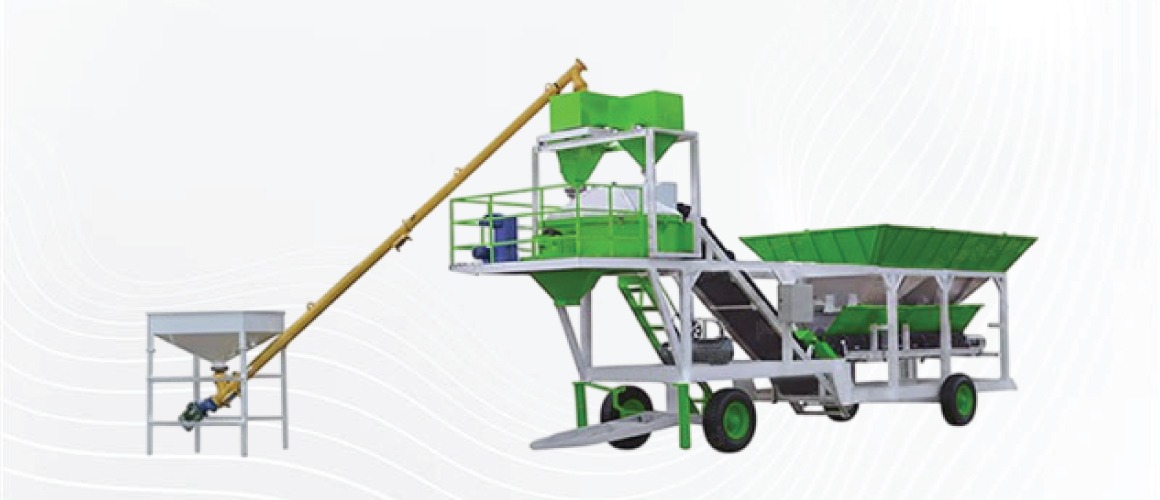
This article examines the advantages and practical application of mobile asphalt plants, focusing on their role in facilitating quick setup for various construction projects. The efficient deployment and operation of these units can significantly impact project timelines and resource allocation.
The Case for Mobility: Understanding Mobile Asphalt Plants
Mobile asphalt plants represent a significant evolutionary step from traditional, fixed asphalt production facilities. Their primary characteristic is portability, allowing them to be transported and erected at or near project sites. This mobility is achieved through integrated trailer chassis and sub-assemblies that can be quickly disconnected and reconnected.
Design and Engineering for Portability
The engineering behind mobile asphalt plants prioritizes ease of transport and rapid assembly. Key components such as the cold feed bins, dryer, dust collector, hot mix conveyor, and storage silos are often designed to be skid-mounted or integrated into modular units. This allows for efficient loading onto standard transport vehicles and minimizes the need for extensive foundation work at the deployment site. The aim is to reduce downtime between projects and enable a “hit the ground running” approach.
Components of a Mobile Asphalt Plant
A typical mobile asphalt plant includes several core components. The cold feed system aggregates raw materials. The dryer, often a rotary drum, heats and dries these aggregates to precise specifications. Dust collection systems are crucial for environmental compliance and material recovery. The mixing unit combines the heated aggregates with asphalt binder to create the final mix. Finally, storage silos hold the finished product before it is loaded onto trucks. Each of these components is designed with transportability in mind.
Operational Advantages in Practice
The operational advantages of mobile asphalt plants are directly tied to their design. The ability to locate production closer to the worksite cuts down on transportation distances for the finished asphalt. This reduces fuel costs, wear and tear on hauling equipment, and the time spent in transit. For projects with tight deadlines or those in remote locations, this proximity can be a decisive factor in project success.
Reducing the “Last Mile” Problem
The concept of the “last mile” is well-understood in logistics. In construction, the last mile often refers to the transportation of materials from a central depot to the final point of use. Mobile asphalt plants effectively shrink this last mile by bringing the production source directly to the project. This simplification of the supply chain acts as a powerful engine for efficiency.
Streamlining Operations: A Quick Setup Scenario
Consider a scenario where a highway construction project is initiated in a region with no readily available asphalt production facilities. Transporting asphalt from a distant plant would lead to significant logistical challenges and increased costs. Deploying a mobile asphalt plant at a strategically chosen location near the project site transforms this challenge into an opportunity for streamlined operations.
Deployment and Assembly: The First Steps
The process begins with the delivery of the mobile asphalt plant to the designated site. Due to its modular design, the plant requires minimal on-site construction. The major components are typically lifted into place by cranes and connected. Foundation requirements are often limited to level ground or simple concrete pads, further accelerating the setup process. A well-equipped team can have the plant operational within days, rather than weeks or months.
Site Selection and Preparation
The selection of a suitable site for the mobile plant is critical. Factors such as proximity to the project, availability of raw materials (aggregates and binder), access for delivery vehicles, and compliance with local environmental regulations are considered. Site preparation typically involves grading the ground and ensuring access for cranes and delivery trucks.
Production and Quality Control: Matching Demand
Once assembled, the mobile asphalt plant can begin producing asphalt mix tailored to the project’s specifications. Advanced control systems ensure consistent quality and allow for adjustments based on changing project needs. The ability to produce on demand, rather than relying on a fixed schedule from a distant plant, provides a high degree of flexibility.
The Role of Automation and Control Systems
Modern mobile asphalt plants are equipped with sophisticated automation and control systems. These systems manage material feeding, heating, mixing, and output, ensuring precise control over the asphalt mix properties. This enhances consistency and reduces the likelihood of off-spec material, which can lead to costly rework or project delays.
Benefits in Speed and Efficiency
The primary advantage of using mobile asphalt plants for quick setup projects is the inherent speed advantage. This speed translates directly into tangible benefits for project managers and stakeholders.
Accelerated Project Timelines
The ability to rapidly establish on-site asphalt production allows projects to move forward without waiting for a distant supply chain to deliver materials. This can shave critical weeks or even months off project schedules, especially for time-sensitive infrastructure development. The plant becomes a workhorse that keeps pace with the project’s demands.
Reducing Idle Time for Equipment and Labor
When asphalt supply is unreliable or distant, construction equipment and labor can experience significant idle time, leading to increased costs. A mobile asphalt plant operating on-site minimizes this risk, ensuring that paving crews have a continuous supply of material and can work efficiently.
Cost Savings Through Proximity
The reduction in transportation distances for hot mix asphalt is a significant cost-saver. Fuel, driver wages, and vehicle maintenance are all reduced when asphalt is produced close to the point of use. This is particularly impactful on large projects or those in geographically challenging areas.
Minimizing Transportation Logistics
The complexities of managing a fleet of asphalt transport trucks, including scheduling, route planning, and potential traffic delays, are significantly reduced. This simplification of logistics frees up resources and reduces the potential for disruptions.
Case Study: Improving Job Site Efficiency
|
Metrics |
Before Improvement |
After Improvement |
|
Number of work hours |
8 hours/day |
6 hours/day |
|
Material waste |
10% of total materials |
5% of total materials |
|
Equipment downtime |
2 hours/day |
1 hour/day |
|
Number of workers |
10 workers |
8 workers |
A prime example of the benefits of mobile asphalt plants can be seen in road rehabilitation projects. These projects often require asphalt to be laid in sections, with limited time windows for traffic disruption.
Project Example: Rural Road Network Upgrade
Consider a project to upgrade several miles of rural roads. The nearest permanent asphalt plant is located over 50 miles away. This distance would necessitate a large fleet of trucks running constantly, incurring high costs and potentially causing delays due to traffic or weather.
Mobilizing the Plant to a Central Location
By deploying a mobile asphalt plant to a central location within the project area, the need for long-distance hauling is eliminated. The plant can be set up on a temporary site, perhaps on land acquired for the project or a suitable public parcel.
Impact on Paving Operations
With the asphalt plant operating on-site, paving crews have a consistent and readily available supply of fresh hot mix. This allows them to work more continuously and efficiently, laying down asphalt as quickly as the site conditions allow. The plant acts as the heart of the paving operation.
Maintaining Mix Temperature and Consistency
Hot mix asphalt is time-sensitive. The longer the haul, the greater the risk of the mix cooling down and losing its optimal properties. Producing on-site ensures that the mix arrives at the paver at the ideal temperature, leading to better compaction and a more durable finished surface.
Environmental Considerations
While not always the primary driver, mobile asphalt plants can also offer environmental benefits when deployed strategically. Reduced truck traffic on local roads leads to lower emissions and less wear and tear on existing infrastructure.
Localized Production and Reduced Emissions
By bringing production closer to the project, the number of truck miles traveled is reduced. This translates into fewer greenhouse gas emissions from transportation. Furthermore, mobile plants are often equipped with advanced dust control systems, minimizing airborne particulate matter at the production site.
Quick Setup in Practice: Real-World Applications
The versatility of mobile asphalt plants makes them suitable for a wide range of projects beyond large-scale highway construction.
Small to Medium Scale Projects
For projects such as local road repairs, airport runway maintenance, or commercial property development, a mobile asphalt plant can be more cost-effective than relying on a large, fixed plant. The ability to quickly set up and then move to the next job site represents a significant operational advantage.
Bridging the Gap in Infrastructure Development
In areas undergoing rapid development, permanent asphalt plants may not be able to keep pace with demand. Mobile plants can act as a temporary solution, filling this gap and supporting construction efforts without the long-term commitment of building a fixed facility.
Emergency and Disaster Relief
In the aftermath of natural disasters that damage road networks, mobile asphalt plants can play a crucial role in rapid reconstruction. Their ability to be quickly deployed to affected areas allows for the immediate production of asphalt needed to restore essential transportation links.
Restoring Critical Infrastructure Quickly
When bridges are out or roads are impassable, the ability to quickly repair or rebuild these routes is paramount. A mobile asphalt plant, along with the necessary support equipment, can be dispatched to the scene to begin producing the materials needed for these vital repairs.
Conclusion: The Future is Mobile
The trend towards utilizing mobile asphalt plants for quick setup projects is driven by a clear need for greater flexibility, efficiency, and cost-effectiveness in the construction industry. As technology continues to advance, these plants are likely to become even more sophisticated, offering enhanced production capabilities and even greater ease of deployment. They are not just machines; they are solutions for modern infrastructure challenges.
Continuous Improvement and Innovation
Manufacturers are continually refining the design of mobile asphalt plants, focusing on improving efficiency, reducing environmental impact, and enhancing user-friendliness. This ongoing innovation ensures that these plants remain at the forefront of asphalt production technology.
Adapting to Evolving Construction Demands
The construction industry is dynamic, with project requirements constantly changing. Mobile asphalt plants offer the agility needed to adapt to these evolving demands, providing a reliable and efficient source of asphalt wherever and whenever it is needed.
FAQs
- What is a mobile asphalt plant and how does it differ from traditional asphalt plants?
A mobile asphalt plant is a portable plant that can be easily transported to different job sites, allowing for quick setup and operation. Unlike traditional asphalt plants, mobile asphalt plants are designed to be compact and efficient, making them ideal for quick setup projects.
- What are the benefits of using a mobile asphalt plant for quick setup projects?
Using a mobile asphalt plant for quick setup projects offers several benefits, including streamlined operations, improved efficiency on the job site, and expedited project timelines. These plants are designed to be versatile and can be set up and operational in a short amount of time, saving both time and resources.
- Can you provide a case study example of how a portable asphalt plant improved efficiency on a job site?
One case study example involves a construction company that used a portable asphalt plant for a road construction project. By utilizing the mobile plant, the company was able to streamline operations, reduce setup time, and ultimately complete the project ahead of schedule, resulting in cost savings and increased productivity.
- How does a mobile asphalt plant expedite project timelines?
A mobile asphalt plant expedites project timelines by allowing for quick setup and operation. Traditional asphalt plants require more time for setup and are less flexible in terms of location, whereas mobile plants can be easily transported to different job sites and set up rapidly, reducing downtime and accelerating project timelines.
- What are the advantages of using a mobile asphalt plant for quick setup projects?
The advantages of using a mobile asphalt plant for quick setup projects include increased efficiency, reduced setup time, cost savings, and the ability to take on multiple projects in different locations. These plants offer flexibility and versatility, making them a valuable asset for construction companies looking to streamline operations and expedite project timelines.