
Lifecycle Costs of Kerb Paver Machines Explained
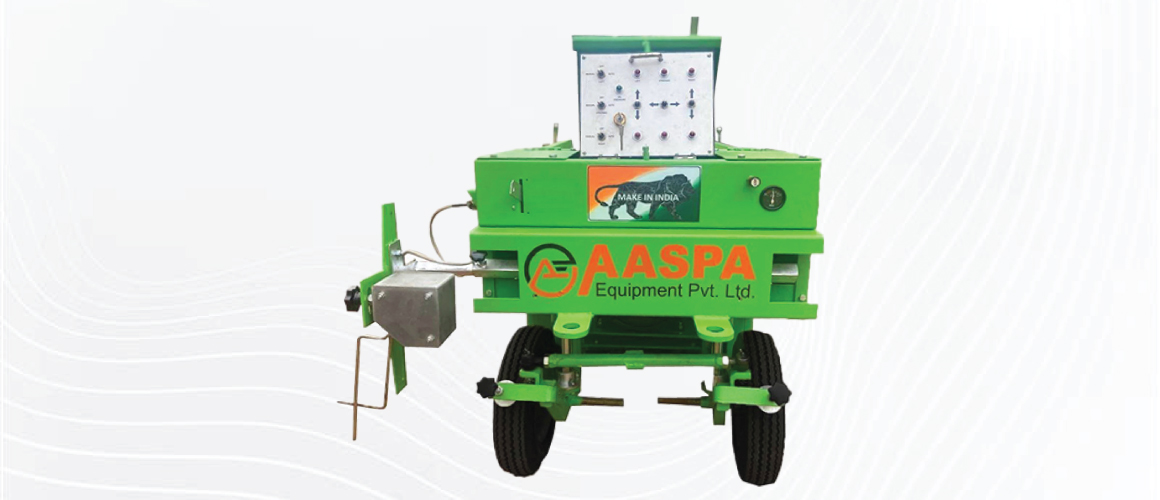
Thinking about getting a kerb paver machine? You’re probably wondering what you’re really getting into, cost-wise. Beyond the sticker price, the lifecycle cost is the key to understanding the true financial picture. This is the total amount of money you’ll spend on the machine from the moment you buy it until you eventually get rid of it. It’s not just about the initial purchase; it’s about everything that comes after – fuel, maintenance, repairs, even what you might get for it down the line. Getting a handle on this will help you make a smarter decision, ensuring the machine you choose is a good long-term investment, not just in terms of paving kerbs, but for your bottom line.
What Exactly is Lifecycle Cost?
When we talk about lifecycle cost for a kerb paver machine, we’re essentially looking at the entire journey of that piece of equipment. It’s the sum of all expenses incurred over its working life.
The Big Picture: More Than Just the Invoice
Think of it like buying a car. The price you pay at the dealership is just the start. You’ve got insurance, fuel, regular servicing, potential repairs, and when you sell it, you’ll likely get less than you paid. A kerb paver machine is no different, just on a larger scale and with industry-specific costs.
Breaking Down the Stages of Ownership
Your ownership experience with a kerb paver machine can be broadly divided into a few phases. The initial acquisition, the operational phase where it’s doing the hard work, and finally, the disposal phase. Each stage has its own set of financial implications that contribute to the overall lifecycle cost.
What Factors Affect the Lifecycle Cost of Kerb Paver Machines?
Several things can influence the total cost of owning a kerb paver machine throughout its life. Understanding these elements will give you a clearer picture of what to expect.
Initial Purchase Price: The Obvious Outlay
This is the most straight forward cost, but it’s crucial to remember it’s only a piece of the puzzle. Higher upfront costs can sometimes lead to lower operating or maintenance expenses later, but not always.
New vs. Used: A Cost-Benefit Analysis
Choosing between a brand-new machine or a well-maintained used one significantly impacts the initial price. Used machines can offer substantial savings upfront, but they may also come with higher risks of needing repairs sooner and potentially a shorter overall lifespan.
Operational Expenses: The Daily Grind
These are the costs that accrue as the machine is actively used on your projects. They are often the most significant contributors to the total lifecycle cost.
Fuel Consumption: The Thirsty Workhorse
Modern kerb pavers are designed for efficiency, but fuel is still a consistent and often substantial expense. The make, model, engine size, and how hard the machine is being worked all play a role in how much fuel it guzzles.
Labour Costs: The Human Element
While the machine does the physical work, you still need skilled operators and maintenance personnel. The cost of their wages, benefits, and training needs to be factored in.
Maintenance and Repair Needs: Keeping it Running Smoothly
This is where long-term costs can really escalate if not managed properly. Regular upkeep is essential to prevent minor issues from becoming major, expensive problems.
Scheduled Servicing: The Preventative Approach
Following the manufacturer’s recommended maintenance schedule is non-negotiable. This includes oil changes, filter replacements, greasing, and inspections. It’s an upfront cost that saves money by preventing breakdowns.
Unexpected Repairs: The Cost of Breakdowns
No machine is immune to unexpected breakdowns. The frequency and severity of these repairs can drastically impact your budget. Older machines or those that have been poorly maintained are more prone to costly fixes.
Downtime: The Cost of Inactivity
When a machine isn’t working, it’s not earning. The cost of downtime isn’t just about the lost revenue; it’s also about project delays, potential penalties, and the morale impact on your team.
Depreciation and Resale Value: The End Game
Kerb paver machines, like most heavy equipment, depreciate over time. This means they lose value the longer you own them. Considering the potential resale value at the end of the machine’s life is an important part of the lifecycle cost calculation. A machine that holds its value better will ultimately be more cost-effective.
How Can You Calculate Total Cost of Ownership?
To truly understand the financial commitment, you need a method to calculate the total cost of ownership (TCO). This isn’t just about adding up receipts; it’s a more strategic approach.
The Formula: A Basic Framework
While precise calculations can get complex, a simplified TCO formula looks like this:
Initial Purchase Price + Total Operating Costs + Total Maintenance & Repair Costs + Financing Costs – Resale Value = Total Cost of Ownership
Gathering the Data: What You Need to Track
To use this framework effectively, you need to track various expenses. This means keeping detailed records of everything from fuel purchases to repair invoices.
Tracking Fuel Usage: Measuring Consumption
Implement a system for accurately recording how much fuel each machine consumes over a specific period. This can help identify inefficient machines.
Recording Maintenance History: Every Service, Every Repair
Maintain a comprehensive logbook for each machine, detailing every scheduled service, part replaced, and any repairs undertaken.
What Other Costs Should Be Included?
Beyond the obvious, there are other financial elements to consider.
Financing Costs: The Price of Borrowing
If you finance the purchase of the machine, the interest paid on the loan is a direct cost that needs to be factored into the TCO.
Insurance Premiums: Protecting Your Investment
The cost of insuring your kerb paver machine against damage, theft, or accidents is another ongoing expense.
Training Costs: Empowering Your Operators
Investing in training for your operators to use the machine efficiently and safely can reduce wear and tear and improve productivity, indirectly impacting TCO.
How Important Are Maintenance and Repair Costs?
|
Category |
Metric |
Value |
|
Maintenance Cost |
Annual Average |
5,000 |
|
Repair Time |
Mean Time to Repair (MTTR) |
2 hours |
|
Equipment Downtime |
Monthly Average |
10 hours |
This is arguably the most critical area for managing lifecycle costs. Proactive maintenance can save you a fortune in the long run.
Preventive vs. Reactive Maintenance: The Smart Choice
Preventive maintenance involves scheduled servicing and inspections to catch potential problems before they happen. Reactive maintenance is fixing things after they break. While reactive maintenance seems cheaper in the short term, it almost always leads to higher costs and more downtime eventually.
Scheduled Servicing: Your First Line of Defence
Adhering to the manufacturer’s service intervals for oil changes, filter replacements, and fluid checks is crucial. These are relatively inexpensive interventions that prevent major component failures.
Lubrication and Greasing: The Unsung Heroes
Proper lubrication of all moving parts reduces friction, which in turn reduces wear and tear. This simple but vital task can significantly extend the life of components.
How Can Wear and Tear Be Managed?
Regular visual inspections by operators can also help identify early signs of wear. This could be anything from a worn hydraulic hose to a loose bolt.
Hydraulic System Care: The Heart of the Machine
The hydraulic system is vital for the operation of most kerb paver machines. Regular checks of fluid levels, filter condition, and for any leaks are essential.
Wear Parts Replacement: The Expendable Costs
Components like wear plates, cutting edges, and augers are designed to be replaced periodically. Budgeting for these predictable expenditures is key.
What Happens During Emergency Repairs?
Despite the best preventive efforts, breakdowns can still occur.
Sourcing Genuine Parts: Quality Over Cost
When repairs are needed, using genuine manufacturer parts is generally advisable. While they might cost a bit more upfront, they are designed for the machine and are likely to last longer and perform better than aftermarket alternatives.
Downtime Costs: The Hidden Expense
Remember that the cost of a repair isn’t just the bill for parts and labour. It’s also about the revenue lost while the machine is out of action. Scheduling repairs efficiently and having backup options can mitigate this.
Why Should You Think Long-Term Before Buying?
When you’re looking at a kerb paver machine, it’s easy to get caught up in the immediate price. However, a truly smart purchase is about viewing it as a long-term investment.
Return on Investment (ROI): How Much You Earn Back
Your ROI is calculated by comparing the profit generated by the machine against its total cost of ownership. A machine with a lower lifecycle cost will generally offer a better ROI.
Durability and Reliability: Built to Last
Consider the reputation of the manufacturer and the build quality of the machine. Machines known for their durability and reliability tend to have lower repair costs and longer lifespans, contributing to a favourable lifecycle cost.
Technological Advancements: Efficiency Gains
While newer technology might have a higher initial price, it can often lead to significant cost savings in operation due to improved fuel efficiency, reduced maintenance needs, and increased productivity.
Manufacturer Support and Warranty: Peace of Mind
The level of after-sales support and the length of the warranty offered by the manufacturer can greatly impact your long-term costs. A good warranty can cover major component failures, saving you from unexpected large expense
How Can You Compare Different Kerb Paver Machines?
When you’re in the market for a kerb paver, you’ll find various makes and models, each with its own cost profile. Comparing them based on lifecycle cost is crucial.
Comparing Initial Prices: The Starting Point
This is the most visible cost, but as we’ve discussed, it’s only one factor. Don’t let a lower upfront price blind you to higher long-term costs.
Analysing Fuel Efficiency Ratings: Earning While Consuming Less
Look at the reported fuel consumption figures for different machines. A difference of even a few litres per hour can add up significantly over the machine’s working life.
Engine Technology: Modern Makes a Difference
Modern engines are generally more fuel-efficient and produce fewer emissions, which can also contribute to lower running costs.
Evaluating Maintenance Requirements: What to Expect Long-Term
Research the typical maintenance schedules and common repair issues for different brands. Online forums or talking to existing owners can be valuable sources of this information.
Availability of Spare Parts: Can You Get Them Easily?
Consider how easy it is to find replacement parts for the machines you’re considering. If parts are scarce or expensive, it can lead to longer repair times and higher costs.
Considering Resale Value: The Future Worth
Some brands and models hold their value better than others. Researching the typical resale value of different machines can help you estimate the final cost of ownership.
How Can You Minimize Kerb Paver Machine Lifecycle Costs?
Once you have your machine, there are several practical steps you can take to keep costs down over its lifespan.
Invest in Operator Training: Skilled Hands, Longer Life
Well-trained operators know how to use the machine efficiently, avoid unnecessary strain, and identify potential issues early. This leads to less wear and tear and fewer breakdowns.
Establish a Robust Preventive Maintenance Program: Be Proactive
This can’t be stressed enough. Stick to the manufacturer’s recommended service schedule religiously. This includes regular checks, fluid changes, and lubrication.
Create a Maintenance Schedule: Mark Your Calendar
Don’t leave maintenance to chance. Create a clear schedule and stick to it.
Empower Operators to Report Issues: Early Detection is Key
Encourage your machine operators to report any unusual noises, vibrations, or performance changes immediately. Early detection of minor issues can prevent major problems.
Monitor Fuel Consumption Regularly: Watch What You Burn
Keep an eye on fuel usage. Sudden increases can indicate an underlying problem that needs addressing.
Plan for Regular Wear Part Replacement: Budget for the Inevitable
Don’t wait until wear parts are completely gone to replace them. Budget for their replacement at appropriate intervals to maintain efficiency and prevent damage to other components.
Keep Detailed Records: Knowledge is Power
Maintain meticulous records of all maintenance, repairs, and operational costs. This data is invaluable for identifying trends, tracking performance, and making informed decisions about future purchases.
Consider Refurbishment and Overhauls: Extending the Life
Instead of immediately replacing an older machine, consider if a significant overhaul or refurbishment could extend its viable working life and be more cost-effective than a new purchase.
By understanding and actively managing the lifecycle costs, you can ensure your kerb paver machine is a profitable asset for years to come, rather than a constant drain on resources.
FAQs
What are the factors affecting the lifecycle costs of kerb paver machines?
Factors affecting the lifecycle costs of kerb paver machines include initial purchase price, maintenance and repair costs, fuel consumption, productivity, and resale value. Understanding these factors is crucial for accurately calculating the total cost of ownership for paver machines.
How can the total cost of ownership for kerb paver machines be calculated?
The total cost of ownership for kerb paver machines can be calculated by considering the initial purchase price, ongoing maintenance and repair costs, fuel consumption, productivity, and resale value. By taking all of these factors into account, a comprehensive understanding of the machine’s lifecycle costs can be obtained.
What are some tips for minimizing the lifecycle costs of paver machines?
Some tips for minimizing the lifecycle costs of paver machines include investing in quality equipment, conducting regular maintenance and inspections, training operators for efficient use, monitoring fuel consumption, and considering the resale value when purchasing a machine. These strategies can help reduce overall costs over the machine’s lifespan.
How can the lifecycle costs of different kerb paver machines be compared?
The lifecycle costs of different kerb paver machines can be compared by analyzing factors such as initial purchase price, maintenance and repair costs, fuel consumption, productivity, and resale value. By evaluating these factors for each machine, a comprehensive comparison can be made to determine the most cost-effective option.
Why is understanding the lifecycle costs of kerb paver machines important for long-term investment?
Understanding the lifecycle costs of kerb paver machines is important for long-term investment because it allows for accurate budgeting, cost forecasting, and decision-making. By knowing the total cost of ownership, businesses can make informed choices about which machines to invest in and how to best manage their resources for long-term success.