
Design, Performance, and Efficiency Considerations in CRMB & PMB Plants for Modern Asphalt Production
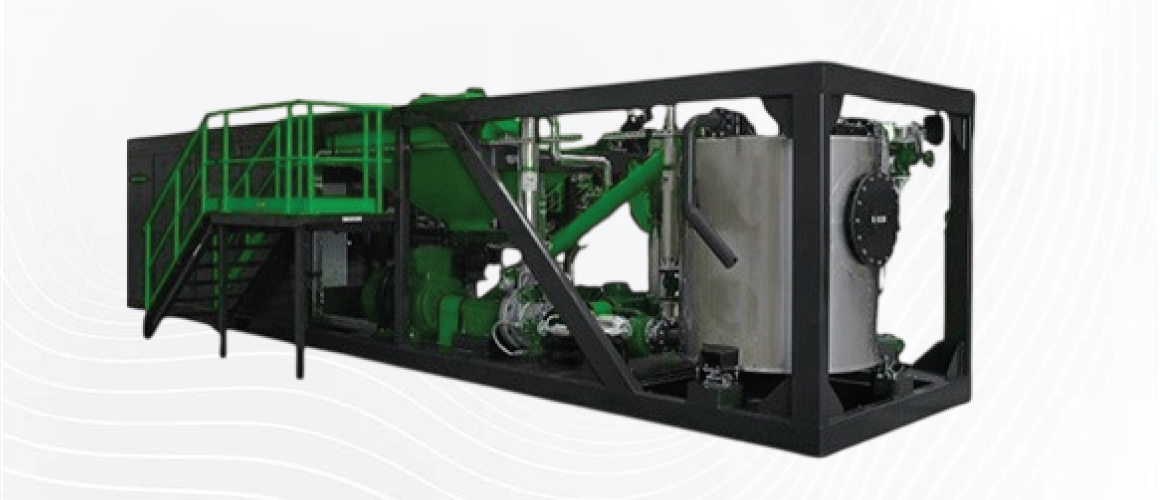
Making high-quality asphalt for today’s roads, especially with modified binders like CRMB (Crumb Rubber Modified Bitumen) and PMB (Polymer Modified Bitumen), involves a smart approach. Essentially, it boils down to how you design your plant, how you make it run, and how you keep it efficient. You need to think about the specific needs of these advanced binders from the get-go.
Designing for the Modifiers: CRMB & PMB Plant Specifics
When you’re looking at plants for CRMB and PMB, the design needs to be more than just a standard asphalt plant. These modifiers introduce unique challenges and opportunities that directly impact how the plant needs to be built and operate. It’s not just about mixing hot aggregate and bitumen; it’s about integrating these specialized materials properly.
Mixer Masters: Handling Modified Binders
The mixer is where the magic happens, and for CRMB and PMB plants, it needs special attention. The way these binders behave, especially CRMB with its rubber particles, requires a mixer that can handle potential stickiness, ensure thorough dispersion, and avoid damage to the modifiers.
Agitator Architectures: Keeping Things Moving
The type of agitator in the mixer is crucial. For CRMB, you might need a more robust design with blades that can effectively incorporate the rubber particles without excessive wear or clogging. For PMBs, which can be more viscous at mixing temperatures, the agitator needs to provide sufficient shear to achieve a homogenous blend. Some designs might even incorporate ways to pre-mix or heat the modified binder before it enters the main mixing chamber.
Temperature Tango: Precise Control is Key
Maintaining the right temperature is vital for both the aggregate and the modified binder. CRMB often requires higher mixing temperatures to ensure proper swelling and dispersion of the rubber. PMBs also have specific temperature windows to achieve optimal viscosity and incorporation. Overheating can degrade the bitumen or the modifiers, while underheating can lead to poor dispersion and inconsistent product. This means the plant needs precise temperature control systems for both the hot aggregate and the bitumen feed, often with separate monitoring and adjustment capabilities.
Storage and Handling: Beyond the Basics
Storing and transferring CRMB and PMB plants isn’t like dealing with straight-run bitumen. These modified binders have different flow characteristics and can be more prone to settling or degradation if not handled correctly.
Tank Tactics: Preventing Blockages and Degradation
Bitumen tanks need to be designed with specific considerations for modified binders. For instance, CRMB can form a layer of rubber particles at the bottom if not agitated. This means tanks might need features like internal heating elements or specialized agitators to keep the material homogenous and prevent blockages. Similarly, PMBs might require insulated tanks and careful temperature maintenance to avoid viscosity issues during transfer. The piping system also needs to be considered – larger diameters, heated lines, and possibly even specific pump types might be necessary to ensure smooth flow.
Dosing Dynamics: Accuracy Matters
Accurate dosing of the modified binder is paramount for achieving the desired performance characteristics of the final asphalt mix. Plants need sophisticated weighing or metering systems that can reliably deliver the correct amount of CRMB or PMC plants calibration and regular checks of these systems are essential to avoid costly mistakes and ensure that the produced asphalt meets specifications.
Performance Powerhouse: Optimizing CRMB & PMB Plants
Getting the most out of your CRMB and PMB plants isn’t just about having the right design; it’s about fine-tuning its operation to achieve the best possible asphalt. This means looking at how the plant runs day-to-day and making smart adjustments for optimal output and quality.
Mix Design Integration: The Foundation of Performance
The plant’s performance is directly tied to the mix design it’s producing. For CRMB and PMB, the mix design itself is more complex, and the plant needs to be able to accommodate these requirements.
Aggregate Absorption: A Deeper Dive
CRMB, in particular, can absorb more bitumen than conventional mixes due to the porous nature of crumb rubber. The plant’s ability to accurately account for this increased demand and deliver the correct bitumen dosage is critical. This might involve adjustments to the mixing time or the effective bitumen content calculation.
Modifier Distribution: Ensuring Homogeneity
The goal is a uniform distribution of the modifier throughout the asphalt mix. This is where the mixer’s capabilities and the mixing time come into play. Too short a time, and you get poor dispersion; too long, and you risk thermal degradation or excessive energy consumption. Finding that sweet spot is key to achieving consistent performance properties in the final asphalt.
Temperature: The Goldilocks Zone
As mentioned previously, precise temperature control is not just a design consideration; it’s a performance driver.
Bitumen Viscosity Control: The Flow Factor
The viscosity of the modified binder dictates how easily it coats the aggregate and blends into the mix. The plant needs to maintain the bitumen within a specific viscosity range for optimal mixing. This means having robust heating and circulation systems, as well as the ability to monitor and adjust temperature in real-time.
Aggregate Temperature Consistency: The Hot Bed
Similarly, the aggregate temperature needs to be consistent across the batch. Variations can lead to localized “hot spots” or “cold spots” in the mix, affecting binder coating and overall mix quality. This often involves well-designed drying and heating systems that ensure uniform heat distribution.
Throughput and Quality: The Balancing Act
Ultimately, performance is about producing the required amount of high-quality asphalt efficiently.
Batch vs. Continuous: Choosing the Right Path
The choice between batch and continuous plants can impact performance, especially for modified binders. Batch plants often offer more flexibility for producing smaller quantities of specialized mixes and can provide better control over mixing times and temperatures. Continuous plants, on the other hand, can offer higher throughput but might require more careful calibration and control for consistent modified binder incorporation.
Quality Control Integration: Real-time Feedback
Integrating quality control measures directly into the plant operation is crucial. This could involve on-line testing of the mix for parameters like binder content or temperature, allowing for immediate adjustments to be made. This proactive approach helps prevent off-spec material from being produced.
Efficiency Unleashed: Streamlining CRMB & PMB Operations
Efficiency in a CRMB or PMB plants isn’t just about doing things faster; it’s about doing things smarter to minimize waste, reduce energy consumption, and optimize resource utilization.
Energy Management: Fueling Smarter Operations
Asphalt plants are energy-intensive, and modified binders can sometimes require even more energy. Focusing on efficient energy use is therefore paramount.
Burner Optimization: The Art of Combustion
The burners in the dryer and for heating bitumen are major energy consumers. Modern plants utilize advanced burner technologies that optimize the combustion process, leading to reduced fuel consumption and lower emissions. This includes features like variable speed drives for fans and sophisticated control systems that ensure the burner is operating at its most efficient point.
Heat Recovery Systems: Capturing Wasted Warmth
One of the most effective ways to boost efficiency is through heat recovery. This involves capturing waste heat from the dryer exhaust gases and using it to preheat the incoming cold aggregate or even to heat the bitumen storage tanks. These systems can significantly reduce the amount of fuel needed to bring materials up to temperature.
Material Flow and Handling: Smooth Sailing
How materials move through the plant can be a significant factor in overall efficiency. Bottlenecks and inefficiencies in material handling can lead to downtime and reduced output.
Minimizing Transport: Reducing Movement
The layout of the plant can be optimized to reduce the distance materials need to travel. This might involve strategically placing storage areas, conveyors, and batching systems to create a more streamlined flow. Less movement means less energy consumed by conveyors and reduced wear and tear on equipment.
Dust Suppression: Efficiency and Environment
Efficient dust suppression systems are not only environmentally responsible but also contribute to efficiency. By effectively capturing dust, less material is lost, and it can reduce the need for complex dust collection systems that require significant energy to operate.
Maintenance and Longevity: Preventing Downtime
A well-maintained plant is an efficient plant. Unexpected breakdowns lead to lost production and costly repairs.
Proactive Maintenance Strategies: Fixing Before Breaking
Implementing a proactive maintenance schedule is far more efficient than reacting to breakdowns. This involves regular inspections, lubrication, and replacement of worn parts based on usage and manufacturer recommendations. For CRMB and PMB plants, particular attention should be paid to areas handling modified binders, which might experience more wear.
Using the Right Parts: Durability Pays Off
When replacing parts, opting for high-quality, durable components can save money and reduce downtime in the long run. While they might have a higher upfront cost, their longevity and resistance to wear, especially in the demanding environment of asphalt production with modified binders, can lead to greater overall efficiency.
Innovations Shaping the Future: CRMB & PMB Plant Design
|
Metrics |
CRMB Plant Design |
PMB Plant Design |
|
Efficiency |
High |
High |
|
Environmental Impact |
Low |
Low |
|
Cost |
Medium |
Medium |
|
Flexibility |
High |
High |
The world of asphalt production is constantly evolving, and innovation is driving the design of CRMB and PMB plants to be more capable, efficient, and sustainable. We’re seeing advancements that are directly addressing the challenges and opportunities presented by these advanced binders.
Advanced Mixing Technologies: A New Generation
The mixer remains a focal point for innovation, with new designs emerging to handle modified binders even better.
High Shear Mixers: For Perfect Dispersion
Some newer mixer designs incorporate higher shear rates, which are particularly beneficial for achieving excellent dispersion of polymers in PMBs and ensuring thorough incorporation of crumb rubber in CRM These mixers can reduce mixing times while improving the homogeneity of the final product.
In-Line Blending and Injection: Precision and Control
Innovations are also appearing in how the modifiers are introduced. Instead of relying solely on adding them to the main mixer, some systems allow for in-line blending or precise injection of the modified bitumen, offering greater control over the modifier-to-binder ratio and ensuring a more consistent blend.
Data-Driven Operations: Smart Plants
The integration of digital technologies is transforming how asphalt plants operate, leading to greater efficiency and better quality control.
Real-Time Monitoring and Analytics: Knowing What’s Happening
Modern plants are equipped with sophisticated sensors and control systems that provide real-time data on everything from temperatures and pressures to material flow rates. This data can be analyzed to identify trends, optimize settings, and predict potential issues before they arise.
Automated Control Systems: Reducing Human Error
Automated control systems can take much of the guesswork out of plant operation. They can precisely manage batching, mixing times, and temperatures, reducing the likelihood of human error and ensuring consistent production of high-quality asphalt. This is especially beneficial when dealing with the precise requirements of CRMB and PMB plants.
Sustainable Solutions: Greener Production
Sustainability is no longer an afterthought; it’s a core design principle for modern asphalt plants.
Reduced Emissions Technology: Cleaner Air
Innovations in burner technology and dust collection systems are leading to significantly reduced emissions of greenhouse gases and particulate matter. This aligns with increasing environmental regulations and demands from stakeholders for greener construction practices.
Recycling Integration: Circular Economy in Asphalt
Many new plants are designed with advanced capabilities for incorporating recycled asphalt pavement (RAP) and recycled asphalt shingles (RAS). For CRMB and PMB, integrating these recycled materials alongside the modified binders is a complex challenge that advanced plant designs are beginning to tackle effectively, contributing to a more circular economy in the asphalt industry.
Enhancing Performance and Efficiency: A Holistic Approach
Achieving peak performance and efficiency in CRMB and PMB asphalt plants isn’t a matter of focusing on just one aspect. It requires a comprehensive and integrated strategy that considers the entire lifecycle of the plant and its operation.
Integrated Digitalization: The Smart Plant Synergy
Modern plants are increasingly leveraging digital technologies to create a synergistic operational environment. This goes beyond simple automation; it involves connecting various systems to share data and optimize processes holistically.
Predictive Maintenance Platforms: Anticipating Issues
By analyzing data from sensors across the plant, predictive maintenance platforms can forecast potential equipment failures before they occur. This allows maintenance teams to schedule repairs proactively, minimizing unplanned downtime and reducing the associated costs. For CRMB and PMB plants, where specific components might experience unique wear patterns due to the modifiers, this predictive capability is invaluable.
Process Simulation and Optimization: Fine-Tuning for Perfection
Digital twins and process simulation software allow engineers to model different operational scenarios and identify optimal settings without impacting actual production. This can help in fine-tuning mixing times, temperatures, and material flow for both CRMB and PMB, leading to improved homogeneity, reduced energy consumption, and enhanced product quality.
Workforce Development: The Human Element
While technology is crucial, the skill and knowledge of the plant operators and maintenance personnel are equally important for achieving optimal performance and efficiency.
Continuous Training and Upskilling: Staying Ahead
Regular training programs focused on the specific requirements of CRMB and PMB production are essential. This ensures that the workforce is up-to-date with the latest technologies, best practices, and safety protocols associated with handling these specialized materials. Upskilling the team allows them to better monitor, troubleshoot, and optimize plant operations.
Empowered Decision-Making: Local Expertise
Empowering operators with the understanding and authority to make informed decisions based on real-time data can significantly improve efficiency. When operators understand the nuances of CRMB and PMB behavior, they can make crucial adjustments on the fly that prevent off-spec material and optimize production.
Equipment Selection and Integration: Building Blocks of Success
The choice and integration of individual plant components are critical for the overall performance and efficiency of a CRMB or PMB facility.
Modularity and Scalability: Future-Proofing
Designing plants with modular components allows for easier upgrades and expansion as production needs change. This flexibility ensures that the plant can adapt to evolving demands for different types of modified asphalt, rather than requiring a complete overhaul.
Seamless Interfacing: System Harmony
Ensuring that all components, from the aggregate drying system to the bitumen heating and storage, are seamlessly integrated is vital. Poorly integrated systems can lead to bottlenecks, energy losses, and inconsistencies in the final product. The right integration ensures that the plant operates as a cohesive unit, maximizing its potential.
Embracing Sustainability: Greener CRMB & PMB Asphalt Production
The drive towards more sustainable construction practices is a significant factor influencing the design and operation of CRMB and PMB asphalt plants. This isn’t just about compliance; it’s about responsible resource management and minimizing environmental impact.
Waste Minimization and Resource Recovery: A Circular Approach
The focus is shifting towards using resources more effectively and finding ways to recover and reuse materials within the asphalt production cycle.
Optimized Material Dosing: Less Waste, More Value
Precise dosing systems for both the aggregate and the modified binders are crucial for minimizing waste. When the correct proportions are used, there’s less excess material to dispose of, and the final product meets the required specifications, reducing the need for rework. This principle is especially important with the often higher cost of modified binders.
Advanced Recycling Capabilities: The Rebirth of Asphalt
Modern plants are being engineered to handle higher percentages of recycled asphalt pavement (RAP) and recycled asphalt shingles (RAS). For CRMB and PMB, integrating these recycled materials requires sophisticated understanding and technological advancements in the plant to ensure that the performance of the final asphalt is not compromised. This contributes to a more circular economy for construction materials.
Energy Efficiency and Emissions Reduction: Cleaner Footprints
Reducing energy consumption and cutting down on emissions are primary goals for sustainable asphalt production.
Waste Heat Utilization: Capturing Every Bit of Energy
As previously discussed, waste heat recovery systems are a cornerstone of energy efficiency. By capturing heat from the dryer exhaust gases and repurposing it, plants significantly reduce their reliance on fresh fuel. This not only lowers operational costs but also decreases greenhouse gas emissions.
Low-Emission Burner Technology: Cleaner Combustion
Advancements in burner design and combustion control technology are leading to more efficient and cleaner burning processes. These burners minimize the formation of harmful pollutants like nitrogen oxides (NOx) and particulate matter, contributing to better air quality around the plant and in the surrounding environment.
Water Management and Land Use: Responsible Footprints
Even seemingly minor aspects like water usage and land impact are being scrutinized in the pursuit of sustainability.
Efficient Dust Control: Conserving Water and Reducing Loss
Effective dust suppression systems not only mitigate air pollution but also can be designed to minimize water usage. By employing dry dust collection methods where appropriate or optimizing water spray systems, plants can reduce their water footprint. Additionally, efficient dust collection means less material loss, indirectly contributing to resource conservation.
Minimizing Footprint: Smarter Site Selection and Layout
The physical footprint of an asphalt plant is also a consideration. Plant designs that are more compact, with optimized material flow and storage layouts, can reduce the land area required. Furthermore, considering the potential for noise and visual impact on the surrounding areas as part of the design process contributes to a more responsible and sustainable operation.
The Art of Balance: Performance Meets Efficiency in Modern CRMB & PMB Asphalt Plants
Crafting an asphalt mix using CRMB or PMB is a nuanced task, and the plant that produces it needs to reflect this complexity. The real skill lies in achieving exceptional performance characteristics for these advanced binders without sacrificing operational efficiency. It’s a balancing act where one shouldn’t come at the expense of the other.
Optimizing for Quality Without Compromising Throughput
The ultimate goal is to produce asphalt that meets stringent performance requirements, whether it’s enhanced durability, improved rutting resistance, or better fatigue life, all while maintaining a competitive production rate.
Controlled Mixing Parameters: The Sweet Spot
Finding the optimal mixing time, temperature, and shear for CRMB and PMB is crucial. Too little mixing, and the modifiers won’t disperse properly, leading to poor performance. Too much, and you might degrade the binders or consume excessive energy, impacting efficiency. Modern plants with precise control systems can identify and maintain these “sweet spots” for the specific binder being used, ensuring both quality and efficient throughput.
Real-Time Feedback Loops: Adjusting on the Fly
Integrating real-time quality monitoring with the plant’s control system allows for immediate adjustments. If the binder viscosity is slightly off, or if the aggregate temperature fluctuates, the system can respond automatically to compensate, ensuring consistency in the final product and preventing the production of off-spec material that would reduce overall efficiency.
Cost-Effectiveness and Energy Management: Intelligent Resource Allocation
Efficiency is intrinsically linked to cost-effectiveness. Producing high-performance asphalt should also be economically viable.
Energy-Efficient Components: Smarter Power Usage
The selection of energy-efficient components, from the dryer burner and exhaust fan to the conveyors and pumps, plays a significant role. While initial investment might be higher, the long-term savings in fuel and electricity reduce operational costs and improve the overall cost-effectiveness of producing CRMB and PMB asphalt.
Minimizing Wear and Tear: Extending Equipment Life
Modified binders can sometimes be more abrasive or sticky than conventional bitumen, leading to increased wear on plant components. Designing systems to mitigate this, such as using specialized wear-resistant materials in mixers and conveyors, or implementing effective cleaning protocols, reduces maintenance costs and downtime, thus boosting efficiency and extending the operational life of the plant.
Adaptability and Flexibility: Responding to Market Needs
The asphalt market is dynamic, with varying demands for different types of asphalt mixes. A truly efficient plant needs to be adaptable.
Multi-Binder Capabilities: Versatility in Production
Many modern plants are designed to handle a range of bitumen types, including straight-run bitumen, PG binders, CRMB, and PMB, often within the same facility. This flexibility allows producers to respond to diverse project specifications and market demands without requiring dedicated plants for each type of binder, thereby optimizing resource utilization and overall efficiency.
Modular Design for Future Reconfiguration: Staying Relevant
The ability to reconfigure or upgrade specific sections of the plant, perhaps to accommodate new modifier technologies or to increase capacity for a particular type of modified asphalt, is a mark of an efficient and forward-thinking design. This modular approach ensures the plant remains relevant and cost-effective over its lifespan.
FAQs
What are CRMB & PMB plants in the context of asphalt production?
CRMB (Crumb Rubber Modified Bitumen) and PMB (Polymer Modified Bitumen) plants are specialized facilities used in the production of asphalt. CRMB plants incorporate crumb rubber into the bitumen, while PMB plants incorporate polymers, both of which enhance the performance and durability of the asphalt.
What are the key design considerations for CRMB & PMB plants in modern asphalt production?
Key design considerations for CRMB And PMB plants in modern asphalt production include the incorporation of advanced mixing technologies, precise temperature control systems, efficient storage and handling of additives, and the integration of automation for improved process control.
How can performance be optimized in CRMB & PMB plants for asphalt production?
Performance optimization in CRMB And PMB plants can be achieved through the use of high-quality raw materials, precise blending of bitumen with additives, advanced mixing techniques, and rigorous quality control measures to ensure the final product meets performance specifications.
What efficiency strategies can be implemented in CRMB & PMB plants for asphalt production?
Efficiency strategies in CRMB And PMB plants include the use of energy-efficient equipment, optimized process flows to minimize downtime, effective waste management practices, and the implementation of predictive maintenance to reduce unplanned shutdowns.
What are some innovations and sustainable practices in CRMB & PMB plants for asphalt production?
Innovations in CRMB And PMB plants include the use of recycled materials, such as crumb rubber from used tires, to enhance sustainability. Additionally, the integration of renewable energy sources, such as solar or wind power, and the implementation of water recycling systems contribute to sustainable practices in asphalt production.