
Top 10 Uses of Road Sweepers Beyond Construction
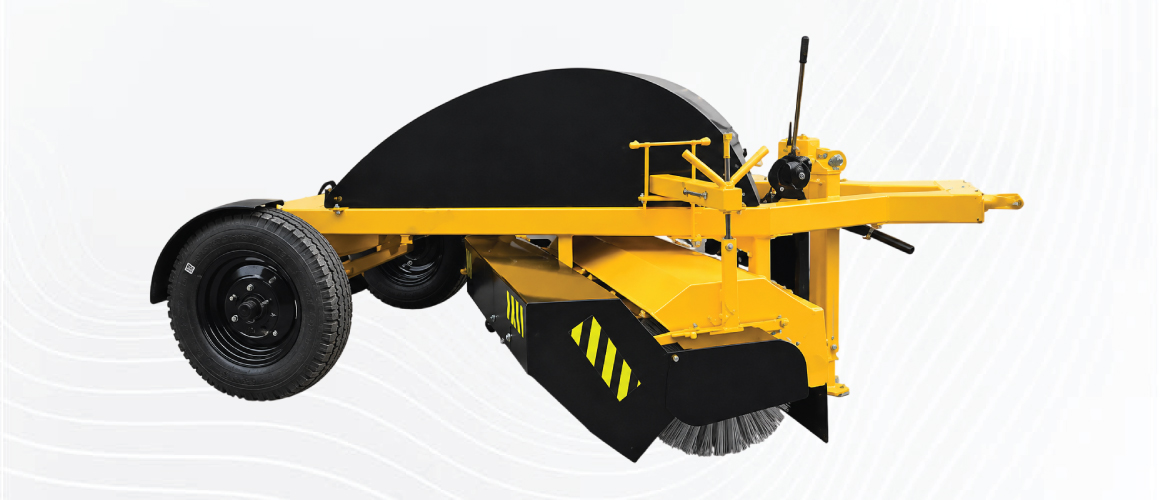
Road sweepers are more than just big brushes tidying up after a construction crew. While their role in keeping building sites neat is undeniable, these versatile machines play a crucial, often unseen, part in maintaining our towns, protecting our environment, and even safeguarding public health. From bustling city centers to vast industrial complexes, the humble road sweeper is a workhorse with a surprisingly wide range of applications.
How Do Road Sweepers Help Keep Cities Clean and Safe?
When you think of a road sweeper, you likely picture it gliding down a city street, vacuuming up leaves and litter. This core function is vital for urban living, contributing significantly to both aesthetics and public well-being.
Beautification and Public Image
Clean streets are a sign of a well-maintained community. Road sweepers regularly clear away debris like discarded packaging, fallen leaves, and general urban grime. This isn’t just about looking good; it’s about creating a more inviting environment for residents and visitors alike, fostering a sense of civic pride and cleanliness. A tidy city can even subtly influence economic activity and tourism, as people are more likely to visit and invest in well-kept areas.
Drainage System Maintenance
Beyond the visible surface, road sweepers play a critical role in protecting our crucial infrastructure. Accumulated leaves, dirt, and litter can clog storm drains, leading to localized flooding during heavy rain. This isn’t just an inconvenience; it can cause significant damage to property, create hazardous driving conditions, and even overwhelm wastewater treatment systems. Regular sweeping prevents these blockages, ensuring that water can flow freely into the drainage network and reducing the risk of water damage and related issues.
Reducing Slip and Fall Hazards
Piles of wet leaves, loose gravel, and spilt liquids can create dangerous conditions for pedestrians, cyclists, and even drivers. Sweepers effectively remove these hazards, improving traction and reducing the likelihood of accidents. This is particularly important in high-traffic areas like sidewalks, public squares, and bus stops, where pedestrian safety is paramount. Proactive sweeping helps mitigate legal liabilities for municipalities and businesses by demonstrating a commitment to public safety.
Pavement Life Extension
Dirt, grit, and small stones are abrasive. When left on road surfaces, they contribute to wear and tear, especially during freeze-thaw cycles or with heavy vehicle traffic. Sweeping removes these abrasive particles, reducing the rate of pavement deterioration and extending the lifespan of roads, reducing the need for costly repairs and resurfacing. This subtle maintenance task translates into significant long-term savings for infrastructure budgets.
How Do Road Sweepers Protect the Environment?
The impact of road sweeping extends far beyond surface cleanliness. These machines are increasingly recognized for their role in environmental protection, tackling pollution before it can cause widespread harm.
Air Quality Improvement
One of the less obvious but incredibly important functions of road sweepers is their contribution to cleaner air. Vehicle exhaust, industrial emissions, and even natural processes generate fine particulate matter (PM2.5 and PM10) that settles on road surfaces. When vehicles pass over these surfaces, or powerful winds blow, these particles become airborne again, contributing to respiratory issues, cardiovascular diseases, and other health problems. Modern sweepers, especially those with advanced filtration systems and regenerative air technology, are highly effective at capturing this particulate matter, preventing it from re-entering the atmosphere and significantly improving urban air quality.
Water Pollution Prevention
Rainfall washes accumulated debris, dirt, oil, metal fragments, and chemicals from road surfaces into storm drains. From there, this polluted runoff often flows directly into rivers, lakes, and oceans without treatment, harming aquatic ecosystems, contaminating drinking water sources, and impacting recreational areas. Road sweepers intercept a significant portion of these pollutants before they can be carried away by rain. By regularly removing these materials, sweepers reduce the contaminant load entering our waterways, playing a crucial role in safeguarding water quality and supporting biodiversity.
Material Recovery and Recycling
Many modern sweepers are equipped with systems that separate collected debris, allowing for more efficient material recovery. Metals, glass, and even certain plastics can be separated and sent for recycling, diverting waste from landfills and conserving natural resources. This focus on material recovery transforms what was once considered mere waste removal into a more sustainable waste management practice, aligning with circular economy principles.
Invasive Species Control
Believe it or not, road sweepers can play a subtle role in controlling the spread of invasive plant species. Seeds from these unwanted plants can be carried long distances by vehicles and wind, settling on roadsides and verges. Regular sweeping helps to collect these seeds before they can germinate and establish new populations, particularly along transport corridors where invasive species often gain a foothold.
Where Are Road Sweepers Used in Industrial Operations?
Road sweepers aren’t just for municipalities. Their efficiency in managing vast areas of solid waste makes them indispensable in various industrial settings.
Factories and Warehouses
Large industrial facilities, factories, and warehouses often cover huge areas with extensive parking lots, loading docks, and interior pathways. Keeping these expanses clean is crucial for operational efficiency, employee safety, and adherence to regulatory standards. Sweepers quickly clear dust, debris, spilled materials, and packaging waste, preventing damage to machinery, reducing the risk of slip-and-fall accidents, and maintaining a professional environment.
Ports and Airports
These logistical hubs operate on an enormous scale, with vast tarmac areas, runways, aprons, and storage zones. Foreign Object Debris (FOD) – anything from loose stones to dropped tools – poses a significant threat to aircraft engines and vehicle tires. Sweepers are essential for regularly clearing FOD, preventing costly damage and ensuring the unhindered flow of air and sea traffic. At ports, they also manage spills and general accumulated grime from cargo handling.
Mining and Quarrying Operations
In environments characterized by heavy dust, rock fragments, and often muddy conditions, sweepers are crucial for maintaining access roads, processing areas, and equipment yards. They help control dust emissions, a major health and safety concern in these industries, and keep surfaces clear for safe vehicle movement and operational efficiency. The robust design of industrial sweepers makes them suitable for these demanding conditions.
Power Plants and Refineries
These facilities often deal with fine powders (like coal dust), chemical spills, and general industrial grime. Specialized industrial sweepers, sometimes explosion-proof, are used to maintain safe and clean environments, preventing cross-contamination, mitigating fire hazards, and ensuring compliance with stringent safety and environmental regulations.
What Are the Innovative Uses of Road Sweepers Today?
|
Application |
Metrics |
|
Virtual Reality |
Engagement, User Retention |
|
Artificial Intelligence |
Accuracy, Efficiency |
|
Internet of Things |
Connectivity, Data Security |
|
Blockchain |
Transparency, Decentralization |
As technology advances, so too do the capabilities and uses of road sweepers, leading to some truly ingenious applications beyond their traditional roles.
Post-Disaster Cleanup
Following natural disasters like floods, hurricanes, or earthquakes, roads are often impassable due to accumulated mud, debris, and fallen vegetation. Road sweepers, sometimes augmented with specialized attachments, are quickly deployed to clear critical transportation routes, enabling emergency services access and facilitating recovery efforts. Their ability to rapidly clear large areas is invaluable in these urgent situations.
Construction Site Runoff Management
While sweepers clean after construction, they also play a role during it. On large construction sites, especially where significant earthwork is underway, vehicles can track mud and dirt onto public roads. Sweepers are strategically placed to clean these public access points, preventing the spread of construction-related grime and demonstrating good neighbor practices, reducing complaints from the public and adherence to environmental permitting requirements.
Event Management and Venue Maintenance
Large outdoor venues, stadiums, fairgrounds, and public event spaces generate vast amounts of litter and debris, especially after concerts, sporting events, or festivals. Road sweepers provide a rapid and efficient solution for post-event cleanup, quickly restoring the venue to its pristine state for future use. This speed is often essential when turnaround times between events are tight.
Agricultural Dust Control
In large-scale agricultural operations, particularly those involving grain storage, processing facilities, or extensive dirt roads, dust can be a major issue, impacting worker health, equipment longevity, and even crop quality. Industrial sweepers are employed to manage this dust, improving air quality and operational safety within these agricultural settings.
De-Icing and Anti-Icing Operations
Some specialized sweepers, particularly in colder climates, can be equipped with attachments for spreading de-icing agents or anti-icing brines. While not their primary role, this versatility allows a single piece of equipment to perform multiple functions crucial for maintaining safe driving conditions during winter months, enhancing the overall utility of the municipal fleet.
How Is Road Sweeper Technology Advancing?
The modern road sweeper is a far cry from its early predecessors. Continuous innovation has made these machines more efficient, environmentally friendly, and adaptable to a wider array of tasks.
Electric and Hybrid Models
Moving away from traditional diesel engines, many manufacturers now offer electric and hybrid road sweepers. These models significantly reduce noise pollution, a major benefit in urban areas, and dramatically lower exhaust emissions, contributing to cleaner air. This shift aligns with global efforts towards decarbonization and creates a more pleasant working environment for operators and residents alike.
Advanced Filtration Systems
Modern sweepers incorporate sophisticated filtration technologies, including HEPA filters, which capture even the finest airborne particulate matter. This improved filtration is crucial for their role in air quality management, particularly in areas with high levels of industrial or traffic pollution. Better filtration also means cleaner exhaust from the sweeper itself.
Telematics and Data Analysis
Equipping sweepers with GPS, telemetry, and smart sensors allows for real-time monitoring of their location, operational status, fuel consumption, and performance. This data helps municipalities and industrial operators optimize sweeping routes, schedule maintenance proactively, track productivity, and demonstrate compliance with environmental regulations, leading to significant operational efficiencies and cost savings.
Autonomous and Remote-Controlled Sweepers
While still somewhat nascent, autonomous and remote-controlled sweeper technologies are emerging. These innovations promise to enhance safety by removing operators from potentially hazardous environments, increase operational flexibility, and further optimize sweeping patterns for maximum efficiency, especially in large, open-area environments or in situations where human presence is undesirable.
Water Recycling Systems
To conserve water, many modern sweepers incorporate water recycling systems. The water used for dust suppression is filtered and reused, significantly reducing water consumption and operational costs, a particularly valuable feature in regions facing water scarcity. This closed-loop system also minimizes the amount of wastewater discharged.
The road sweeper, in essence, is a silent hero of modern society. From keeping our streets looking their best to protecting our waterways and improving the air we breathe, its uses extend far beyond simple tidying. As technology continues to evolve, we can expect these indispensable machines to take on even more critical and innovative roles in creating healthier, safer, and cleaner environments for us all.
FAQs
- What are the top 10 uses of road sweepers beyond construction?
Road sweepers are used for various purposes beyond construction, including street cleaning, parking lot maintenance, airport runway cleaning, event clean-up, industrial site maintenance, highway debris removal, snow removal, beach cleaning, and park maintenance.
- What are the municipal uses of road sweepers?
Municipalities use road sweepers for street cleaning, maintaining public spaces, clearing debris from roads and sidewalks, and ensuring a clean and safe environment for residents. Road sweepers are essential for maintaining the cleanliness of urban areas.
- What are the environmental benefits of road sweepers?
Road sweepers help reduce pollution by removing debris, dust, and pollutants from roads and public spaces. They also prevent debris from entering stormwater systems, which helps protect water quality. Additionally, road sweepers contribute to overall environmental cleanliness and sustainability.
- What are the industrial applications for sweepers?
Industries utilize road sweepers for maintaining cleanliness in manufacturing facilities, warehouses, distribution centers, and industrial yards. Road sweepers help remove dust, debris, and hazardous materials, contributing to a safer and more efficient work environment.
- What are some innovative uses of road sweepers?
Innovative uses of road sweepers include utilizing them for graffiti removal, cleaning bike lanes, maintaining solar panel fields, and clearing construction sites. Road sweeper technology continues to advance, leading to new and creative applications for maintaining cleanliness and safety in various settings.