
Dust Collection in Drum Mix Plants: Bag House vs Wet Scrubber
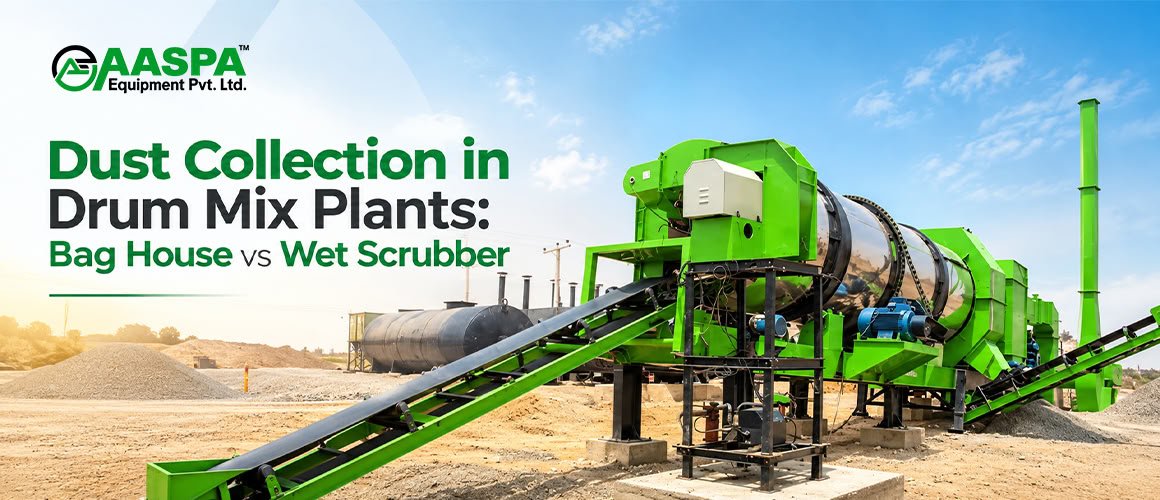
Compare baghouse and wet scrubber systems for drum mix plants, including dust collection, maintenance, and operating considerations.
Dust collection remains a critical component in the operation of drum mix plants, impacting both operational efficiency and environmental compliance. These facilities, essential for asphalt production, generate significant particulate matter, necessitating robust dust control systems. The choice between a baghouse and a wet scrubber is a primary decision for plant operators, each offering distinct advantages and considerations. Understanding the nuances of these technologies is paramount for effective dust management.
Understanding Dust Collection Needs in Drum Mix Plants
The environment within a drum mix plant is inherently dusty. The process of drying and mixing aggregates with asphalt binder, particularly the high temperatures involved and the turbulent nature of the drum, liberates a substantial amount of fine particulate matter. This dust, often silica-based, poses both operational and health hazards.
Sources of Dust Generation
Dust originates from several points within the drum mix plant. The primary source is the aggregate dryer, where hot gases pass over and through the aggregate, lifting fine particles. Material transfer points, such as conveyors and elevators, also contribute to airborne dust. Furthermore, the pugmill, where aggregates and asphalt are vigorously mixed, can also be a source, especially if the exhaust system is not adequately designed. Each of these points requires careful consideration when designing or upgrading a dust collection system.
Impact of Uncontrolled Dust
Failure to effectively collect dust has multifaceted negative consequences. Operationally, dust can lead to increased wear and tear on plant machinery, clogging moving parts and reducing their lifespan. It can also contaminate the final asphalt product, affecting its quality and performance. From a health and safety perspective, high concentrations of respirable dust, especially silica, pose a significant risk to workers, potentially leading to respiratory illnesses. Environmentally, uncaptured dust can travel significant distances, impacting air quality in surrounding communities and leading to non-compliance with environmental regulations.
Regulatory Requirements and Compliance
Environmental regulations, particularly those concerning particulate matter emissions, are becoming increasingly stringent globally. Drum mix plants are typically subject to air quality permits that dictate maximum allowable emission levels. Failure to meet these standards can result in hefty fines, operational shutdowns, and damage to a company’s reputation. A well-designed and maintained dust collection system is not merely an operational luxury but a legal and ethical imperative.
How Baghouse Systems Operate in Mix Plants
Baghouse systems, also known as fabric filters, are a widely adopted technology for dust collection in drum mix plants due to their high efficiency in capturing fine particulate matter. Their operational principle relies on mechanical filtration.
Components and Working Principle
A typical baghouse consists of a housing that contains numerous fabric filter bags, a fan to draw dust-laden air into the system, and a cleaning mechanism. Dust-laden gas from the drum mixer is drawn into the baghouse, where it passes through the fabric bags. As the gas permeates the fabric, dust particles are physically trapped on the outer surface of the bags, forming a “dust cake.” This dust cake itself aids in further filtration, increasing the system’s efficiency over time. Clean air then exits the baghouse through an exhaust stack.
Bag Cleaning Mechanisms
To maintain optimal filtration efficiency, the accumulated dust cake must be periodically removed from the bags. Several cleaning mechanisms exist, with pulse-jet being the most common for drum mix plants. In a pulse-jet system, short bursts of compressed air are directed into the interior of the bags, causing them to rapidly expand and dislodge the dust cake. The dislodged dust falls into a hopper at the bottom of the baghouse, from where it is typically conveyed for disposal or recycling. Other cleaning methods include shaker mechanisms and reverse air cleaning, though they are less frequently used in asphalt plant applications.
Types of Filter Media
The choice of filter media is crucial for the performance of a baghouse in a drum mix plant. Given the high temperatures of the exhaust gases from the dryer, bags made from heat-resistant materials are essential. Common materials include fiberglass, Nomex, and PPS (Ryton). The specific properties of the dust, such as its abrasiveness and chemical composition, also influence the selection of the appropriate filter media.
Wet Scrubber Technology: Benefits for Drum Mix Plants
Wet scrubbers offer an alternative approach to dust collection, utilizing liquid to capture particulate matter. While sometimes perceived as a less common choice than baghouses for drum mix plants, they offer distinct advantages, particularly in certain operational contexts.
Operational Principles of Wet Scrubbers
In a wet scrubber, dust-laden gas is brought into contact with a scrubbing liquid, typically water. The particulate matter in the gas stream collides with and becomes encapsulated by the liquid droplets. This contact can be achieved through various means, such as Venturi sections, packed beds, or spray towers. The wetted dust particles, now heavier, are then separated from the gas stream through centrifugal force, impaction, or other physical mechanisms. The resulting slurry, containing the captured dust, is then collected and treated.
Types of Wet Scrubbers for Drum Mix Plants
For drum mix plant applications, Venturi scrubbers are often favored due to their ability to handle high dust loadings and provide high collection efficiencies for fine particulates. In a Venturi scrubber, the gas stream is accelerated through a converging section, where scrubbing liquid is introduced. The high-velocity gas atomizes the liquid into fine droplets, creating intense contact with the dust particles. Other types, such as packed bed scrubbers, are more suited for gaseous pollutant removal but can also offer some particulate collection.
Advantages of Wet Scrubbers
Wet scrubbers offer several benefits. They are particularly effective at handling sticky, moist, or flammable dusts that can pose challenges for baghouses. The cooling effect of the water can also reduce the temperature of the exhaust gases, which can be advantageous in some scenarios. Furthermore, wet scrubbers can simultaneously remove some gaseous pollutants in addition to particulate matter, offering a multi-pollutant control solution. The absence of fabric filters eliminates concerns about bag blinding or damage from sparks, which can be a risk in baghouse operations.
When it comes to the core function of dust collection, both baghouses and wet scrubbers can achieve high efficiencies, but their performance characteristics and optimal application areas differ.
Particulate Removal Efficiency
Baghouses are generally recognized for their superior particulate removal efficiency, especially for very fine particles (sub-micron range). They can consistently achieve efficiencies exceeding 99.9% for a wide range of particle sizes. Wet scrubbers, while capable of high efficiencies, often require higher energy input (e.g., higher-pressure drop-in Venturi scrubbers) to achieve comparable performance, especially for the finest particles. The efficiency of a wet scrubber is highly dependent on the contact between the gas and liquid phases.
Handling High Temperatures and Moisture
Baghouses can struggle with high moisture content in the exhaust gas, which can lead to “bag blinding” where the dust becomes sticky and clogs the filter media. Similarly, excessively high temperatures require specialized and expensive filter materials. Wet scrubbers, on the other hand, are well-suited for high-temperature and high-moisture gas streams as the water naturally cools the gas and handles sticky particles more effectively. This makes them a robust choice in situations where moisture in the aggregate feed or other process variations lead to highly saturated exhaust.
Energy Consumption and Pressure Drop
Both systems require significant energy input. Baghouses primarily consume energy for the fan that moves the air through the system and for the compressed air used in pulse-jet cleaning. The pressure drop across a baghouse typically increases as the dust cake builds up, requiring more fan energy. Wet scrubbers, particularly Venturi scrubbers designed for high efficiency, often exhibit higher pressure drops, translating to greater fan power requirements. Additionally, energy is consumed for pumping the scrubbing liquid. A thorough energy analysis is crucial for determining the overall operational cost.
Maintenance Considerations for Dust Collection in Drum Mix Plants
|
Maintenance Aspect |
Metric/Parameter |
Recommended Frequency |
Notes |
|
Filter Inspection |
Pressure Drop Across Filter (inches of water gauge) |
Weekly |
Replace or clean filters if pressure drop exceeds 4-6 inches |
|
Filter Cleaning |
Filter Cleaning Cycle Duration (seconds) |
Daily or as needed |
Ensure pulse jet or shaker cleaning system is functioning properly |
|
Dust Collector Housing |
Visual Inspection for Corrosion and Leaks |
Monthly |
Repair any leaks or corrosion to maintain system efficiency |
|
Fan and Motor |
Vibration Level (mm/s RMS) |
Monthly |
Check for abnormal vibration indicating bearing wear or imbalance |
|
Fan and Motor |
Motor Temperature (°C) |
Monthly |
Ensure motor temperature remains within manufacturer specifications |
|
Dust Discharge System |
Discharge Rate (kg/hr) |
Weekly |
Verify that dust is being removed efficiently to prevent buildup |
|
Seals and Gaskets |
Integrity Check |
Quarterly |
Replace worn seals to prevent dust leakage |
|
System Airflow |
Airflow Rate (m³/min) |
Monthly |
Maintain airflow within design parameters for optimal dust capture |
|
Control System |
Operational Check |
Monthly |
Verify sensors and controls are functioning correctly |
Effective dust collection systems, regardless of technology, demand diligent maintenance to ensure their continued efficiency and compliance. Neglecting maintenance can lead to reduced performance, increased operational costs, and potential regulatory violations.
Baghouse Maintenance Regimes
Regular inspection of filter bags is paramount in baghouse maintenance. This includes checking for tears, abrasions, and signs of blinding. The pulse-jet cleaning system, including the diaphragms, solenoids, and compressed air supply, requires routine checks and calibration to ensure effective dust cake removal. Hopper discharge systems, such as screw conveyors and rotary valves, must be inspected for blockages and wear. Differential pressure across the baghouse is a key indicator of its performance and should be monitored continuously, with deviations prompting investigation.
Wet Scrubber Maintenance Practices
Wet scrubber maintenance focuses on preventing scaling, corrosion, and erosion. Regular cleaning of spray nozzles is essential to ensure proper liquid distribution. The scrubbing liquid itself needs consistent monitoring and treatment to manage pH levels, suspended solids, and potential foaming. Recirculation pumps, fans, and associated piping require routine inspection for wear and leaks. The slurry discharge system, including pumps and clarifiers, also demands attention to prevent blockages and ensure efficient solids removal.
Spare Parts and Inventory Management
Maintaining an adequate inventory of critical spare parts is essential for both baghouses and wet scrubbers. For baghouses, this includes a supply of replacement filter bags, cages, solenoids, and diaphragms. For wet scrubbers, spare nozzles, pump seals, and wear plates for Venturi throats are important. Proactive spare parts management minimizes downtime and ensures that necessary repairs can be conducted promptly, preventing extended operational disruptions.
Environmental Impact and Compliance in Dust Collection Systems
Beyond operational efficiency, the environmental performance and regulatory compliance of dust collection systems are of paramount importance for drum mix plants.
Emission Monitoring and Reporting
Continuous emission monitoring systems (CEMS) are increasingly common for drum mix plants, particularly for larger facilities or those in environmentally sensitive areas. These systems provide real-time data on particulate matter emissions, allowing operators to immediately detect and respond to excursions from permitted limits. Regular reporting of emission data to regulatory authorities is a standard requirement. For plants without CEMS, periodic stack testing by accredited laboratories is necessary to demonstrate compliance.
Dust Disposal and Recycling
The collected dust from both baghouses and wet scrubbers presents a waste management challenge. In baghouses, the dry dust can often be recycled back into the asphalt mix as mineral filler, reducing waste and providing an economic benefit. However, the quality of the dust must be consistent with asphalt mix specifications. Wet scrubber slurry, on the other hand, requires dewatering before the solids can be handled, and the liquid itself may need treatment before discharge or reuse. Proper disposal of unrecyclable dust or sludge must comply with local waste management regulations.
Noise Control and Energy Efficiency
While the primary focus is on dust, the environmental impact extends to other factors. Fans in both baghouses and wet scrubbers can generate significant noise, requiring abatement measures such as acoustic enclosures or silencers to protect worker health and minimize community impact. Furthermore, the substantial energy consumption of these systems contributes to the plant’s overall carbon footprint. Efforts to optimize fan efficiency, minimize pressure drop, and explore energy-efficient cleaning mechanisms are crucial for reducing the environmental footprint of dust collection. Achieving environmental compliance is not merely about meeting emission limits but also about operating responsibly and sustainably.
FAQs
- What are the primary dust collection needs in drum mix plants?
Drum mix plants generate significant dust during the mixing and heating of asphalt materials. Effective dust collection systems are essential to control airborne particulate matter, ensure worker safety, maintain product quality, and comply with environmental regulations.
- How do bag house systems operate in drum mix plants?
Bag house systems use fabric filter bags to capture dust particles from the exhaust air. Dust-laden air passes through the bags, which trap the particles on their surface. Periodic cleaning of the bags, often by pulse-jet or shaking mechanisms, removes the collected dust for disposal.
- What are the benefits of using wet scrubber technology in drum mix plants?
Wet scrubbers remove dust by passing exhaust gases through a liquid, typically water, which captures and removes particulate matter. Benefits include effective control of fine dust, cooling of exhaust gases, and the ability to handle sticky or oily dust that may clog dry filters.
- How do bag house systems compare to wet scrubbers in terms of dust control efficiency?
Bag house systems generally provide higher particulate removal efficiency, especially for fine dust, and produce dry waste that is easier to handle. Wet scrubbers are effective for certain dust types and offer additional gas cooling but may generate wastewater requiring treatment. The choice depends on specific plant conditions and regulatory requirements.
- What maintenance considerations are important for dust collection systems in drum mix plants?
Regular inspection and cleaning of filter bags or scrubber components are critical to maintain performance. Bag houses require monitoring for bag integrity and proper pulse cleaning, while wet scrubbers need attention to water quality, pump operation, and sludge removal. Proper maintenance ensures system efficiency and compliance with environmental standards.