
Cold Feed Bin Calibration: Its Impact on Drum Mix Plant Accuracy
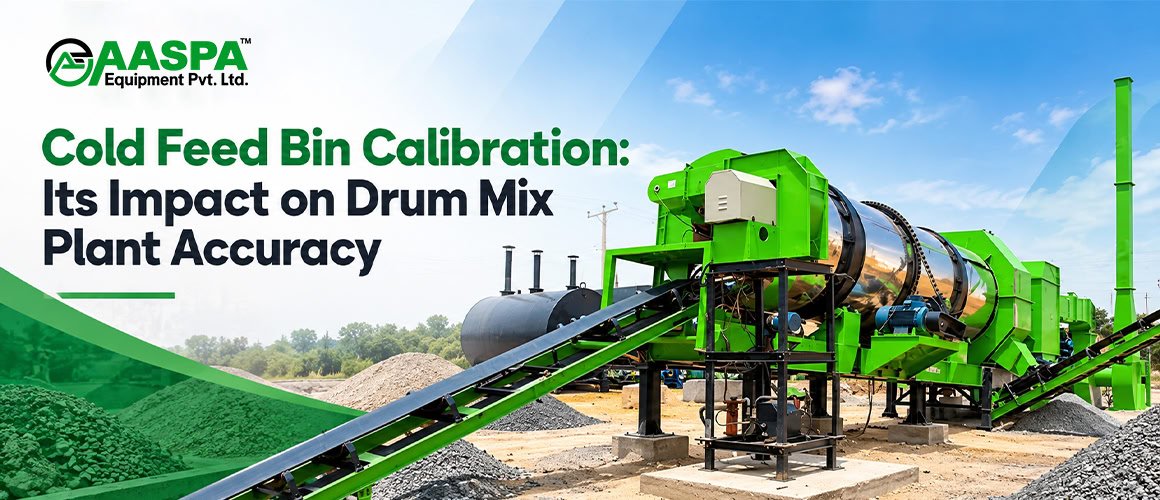
Learn how cold feed bin calibration improves aggregate proportions and supports accurate, consistent asphalt production in drum mix plants.
The seamless operation of a drum mix asphalt plant hinges on a delicate balance of precise material inputs. At the heart of this intricate process lies the cold feed bin calibration, a critical, often understated, element that profoundly influences the accuracy, efficiency, and ultimate quality of the finished asphalt. Without meticulous calibration, even the most sophisticated drum mix plant can falter, leading to inconsistent product, wasted materials, and compromised pavement performance. This article delves into the multifaceted importance of cold feed bin calibration, exploring its impact on drum mix plant accuracy, efficiency, material consistency, and the best practices for ensuring its ongoing precision.
The Foundation of Accuracy: Understanding Cold Feed Bin Calibration
Cold feed bins are the initial staging areas for the aggregate components of asphalt mix. They hold the various sizes and types of virgin and recycled aggregates, from which the final mix will be proportioned. Calibration, in this context, refers to the process of ensuring that the mechanisms controlling the flow rate of aggregate from these bins are accurately measuring and dispensing the intended weight or volume of each material. This is not a one-time event but a continuous endeavor, as material properties and environmental conditions can fluctuate.
The Aggregate’s Journey: From Bin to Drum
The aggregates, once stockpiled and loaded into their respective cold feed bins, are the raw ingredients of asphalt. Each bin is designated for a specific aggregate size fraction or type, such as coarse aggregate, fine aggregate, or mineral filler. The drum mix plant’s control system relies on accurate data from these bins to achieve the specified mix design. When the plant is ready to produce a batch, the control system signals the gates or conveyors of the cold feed bins to open, allowing aggregate to flow onto a common conveyor belt that leads to the mixing drum. The precise amount of each aggregate type is crucial. Too much of one size, or too little of another, can drastically alter the aggregate gradation, a fundamental characteristic of asphalt mix.
The Digital Dialogue: How the Control System Relies on Calibration
Modern drum mix plants are equipped with sophisticated control systems that orchestrate the entire production process. These systems receive real-time data on the flow rate of each aggregate from the cold feed bins, typically through load cells integrated into the conveyor system or by monitoring the speed and position of weigh belts. Accurate calibration ensures that the data transmitted to the control system reflects the actual amount of material being fed. If the calibration is off, the control system will make incorrect decisions regarding the proportions of other ingredients, such as asphalt binder, leading to a deviation from the target mix design. This digital dialogue, therefore, is entirely dependent on the physical reality of the calibrated feed bins.
Beyond the Numbers: The Real-World Impact of Inaccurate Measurement
The consequences of inaccurate cold feed bin calibration extend far beyond simple numerical discrepancies. An under-calibrated bin might dispense less material than intended, leading to an excess of asphalt binder relative to aggregate. This can result in a mix that is too rich, leading to pavement rutting under traffic loads. Conversely, an over-calibrated bin might feed too much aggregate, resulting in a lean mix. This can lead to premature cracking and a loss of structural integrity in the pavement. The ripple effect of these inaccuracies can be substantial, impacting project timelines, material costs, and the long-term performance of the road.
The Engine of Efficiency: How Accurate Feed Measurements Enhance Drum Mix Plant Efficiency
Efficiency in asphalt production is not solely about speed; it’s about producing the correct amount of quality product with minimal waste. Accurate cold feed bin calibration is a cornerstone of this efficiency, influencing several key aspects of the production process.
Minimizing Material Waste: The Economic Imperative
When cold feed bins are accurately calibrated, the plant consistently produces asphalt that meets the specified mix design. This directly translates to reduced material waste. If the plant is overfeeding aggregate, excess material might be rejected or require reprocessing, incurring additional costs and energy consumption. Similarly, an incorrect binder-to-aggregate ratio can lead to the entire batch being unusable, resulting in the loss of both aggregate and binder. Accurate calibration ensures that materials are used as intended, maximizing the yield from every load of aggregate and every gallon of asphalt binder.
Optimizing Throughput: Keeping the Drum Humming
The drum mix plant is designed to operate within specific parameters for material flow and mixing. Accurate feed measurements ensure that the plant can maintain its optimal throughput. If the feed rates are inconsistent, the plant might have to slow down to compensate, or even halt production altogether. This not only reduces overall output but also increases wear and tear on machinery due to frequent starts and stops. Properly calibrated feed bins allow the plant to operate at its designed capacity, consistently delivering a steady stream of asphalt.
Reducing Rework and Rejection: The Cost of Errors
Reworking or rejecting a batch of asphalt is a costly affair. It involves the expense of the materials themselves, the labor to mix and transport them, and the disposal of unusable product. Inaccurate cold feed bin calibration is a primary culprit behind these costly errors. When the aggregate gradation is off, or the binder content is incorrect, the asphalt produced will not meet specification, leading to rejection by the quality control team or the end client. Meticulous calibration significantly reduces the likelihood of such failures, saving time, money, and resources.
Streamlining Quality Control: Data You Can Trust
Quality control is an integral part of asphalt production. Accurate calibration provides reliable data for the quality control team to analyze. When the feed rates are consistently accurate, deviations in the final mix can be more readily attributed to other factors, such as aggregate quality changes or binder issues, allowing for more targeted troubleshooting. Conversely, if the feed bin calibration is questionable, it becomes difficult to trust any quality control data derived from the production process, leading to uncertainty and potential over-testing.
The Unseen Variables: Key Factors Affecting Cold Feed Bin Calibration Precision
Achieving and maintaining precise cold feed bin calibration is a dynamic process influenced by a variety of factors, some of which are beyond the direct control of the operator. Understanding these influences is crucial for implementing effective calibration strategies.
The Nature of the Material: Aggregate Characteristics
The physical properties of the aggregates themselves play a significant role in calibration. Moisture content is a major factor; wet aggregates are heavier and can cause bridging or clogging within the bins, leading to inconsistent flow rates. The shape and particle size distribution of the aggregates also influence how they flow. Angular, irregular particles might not flow as smoothly as rounded, granular materials, requiring adjustments to gate openings or belt speeds. The presence of fine materials, such as dust or fines, can also affect flow characteristics, potentially leading to bridging or adhering to bin walls.
The Wear and Tear of Equipment: Mechanical Factors
Over time, the mechanical components of the cold feed system are subject to wear and tear. Conveyor belts can stretch or become damaged, affecting their speed and load-carrying capacity. Gates and actuators that control aggregate flow can become worn, leading to imprecise openings. Load cells, the devices that measure the weight of the material, can also drift over time due to temperature fluctuations, vibrations, or physical damage. Regular inspection and maintenance of these mechanical components are therefore essential for maintaining calibration accuracy.
The Environmental Influence: Weather and Temperature
Environmental conditions can have a surprisingly significant impact on cold feed bin calibration. Extreme temperatures can affect the accuracy of load cells and the viscosity of asphalt binder, although the latter is more directly related to the mixing process. Moisture from rain or snow can increase the weight and alter the flow characteristics of aggregates, as mentioned earlier. Wind can also play a role, especially in outdoor stockpiles and feed systems, by displacing lighter materials or affecting the balance of the weighing mechanisms.
The Human Element: Operator Skill and Attention
While modern plants are highly automated, the human element remains critical. The skill and attention of the plant operator are paramount to accurate calibration. This includes ensuring that bins are loaded correctly, that material is not overfilled, and that routine calibration checks are performed diligently. Operators who understand the nuances of the plant and the materials they are working with are more likely to identify and address potential calibration issues before they become major problems.
The Cornerstone of Quality: The Impact of Bin Calibration on Material Consistency and Quality
| Metric | Before Bin Calibration | After Bin Calibration | Impact |
| Material Consistency (%) | 78 | 95 | +17% |
| Quality Defect Rate (%) | 12 | 4 | -8% |
| Calibration Accuracy (mm) | ±5 | ±1 | Improved by 80% |
| Production Downtime (hours/month) | 10 | 3 | -7 hours |
| Customer Complaints (per 1000 units) | 15 | 5 | -10 complaints |
The ultimate goal of asphalt production is to create a durable and high-performing pavement. Cold feed bin calibration directly underpins the consistency and quality of the asphalt produced, influencing its physical and mechanical properties.
Achieving the Right Aggregate Gradation: The Foundation of Durability
Aggregate gradation, the distribution of particle sizes within the mix, is arguably the most critical factor determining the performance of asphalt. Accurate cold feed bin calibration ensures that the plant consistently delivers the correct proportion of each aggregate size to achieve the target gradation. Deviations in gradation can lead to insufficient interlock between aggregate particles, resulting in a mix that is prone to rutting or ravelling. A precisely calibrated system ensures that the asphalt will have the necessary void structure and bearing strength.
Ensuring Correct Binder Content: The Glue That Holds It Together
The asphalt binder acts as the adhesive that coats the aggregates and binds them together. The binder content, expressed as a percentage of the total mix weight, is directly influenced by the accuracy of the aggregate feed. If the aggregate feed is inaccurate, the calculated binder content will also be inaccurate. Too little binder leads to a dry, brittle mix that cracks easily. Too much binder can result in a pavement that is susceptible to rutting and shoving under traffic loads. Accurate calibration ensures that the binder is present in the optimal quantity to create a cohesive and resilient pavement.
Predictable Performance: The Promise of Consistent Asphalt
When cold feed bins are accurately calibrated, the asphalt produced exhibits consistent properties from batch to batch and throughout the production run. This predictability is essential for ensuring that the finished pavement will perform as expected under various traffic and environmental conditions. Consistent asphalt means less variation in stiffness, permeability, and durability, leading to a longer service life for the road. Inconsistent asphalt, on the other hand, can lead to localized failures and premature deterioration.
Meeting Stringent Specifications: The Regulatory Requirement
Asphalt used in road construction is subject to stringent specifications set by transportation authorities. These specifications dictate acceptable ranges for aggregate gradation, binder content, and other material properties. Accurate cold feed bin calibration is fundamental to meeting these specifications consistently. Failure to meet these requirements can lead to the rejection of the asphalt, costly project delays, and potential legal ramifications for the contractor.
The Ongoing Pursuit of Precision: Best Practices for Maintaining Cold Feed Bin Accuracy
Maintaining cold feed bin accuracy is not a passive activity but an active and ongoing commitment. Implementing a set of best practices ensures that the plant operates with the highest level of precision.
Regular Calibration Checks: The Foundation of Vigilance
The most crucial best practice is the establishment of a regular calibration schedule. This schedule should dictate how frequently each cold feed bin is calibrated. The frequency of calibration can be influenced by factors such as the type of materials being used, the operating hours of the plant, and the history of previous calibration results. Daily or weekly checks might be appropriate for critical bins or during periods of significant material variation.
Utilizing Verified Weigh Systems: Trustworthy Measurements
The accuracy of the calibration process relies heavily on the reliability of the weighing systems used. It is essential to use verified and calibrated weigh systems, such as load cells or weigh belts, that have been regularly inspected and certified by an accredited third party. These systems should be regularly checked for drift and recalibrated as needed. The control system’s software for interpreting these measurements should also be regularly updated and verified.
Visual Inspections and Material Monitoring: Observing the Flow
Beyond the digital readouts, operators should conduct regular visual inspections of the cold feed bins and the aggregate flow. This involves observing how the material is discharging from the bins, looking for any signs of bridging, clogging, or uneven flow. Monitoring the material as it travels on the conveyor belt to the drum can also provide valuable insights into potential calibration issues. Observing the consistency of the aggregate stream is a vital complement to automated measurements.
Implementing a Preventative Maintenance Program: Addressing Wear and Tear
A robust preventative maintenance program is essential for addressing the mechanical factors
FAQs
- What is cold feed bin calibration and why is it important in asphalt production?
Cold feed bin calibration is the process of accurately measuring and adjusting the volume or weight of aggregate materials fed into a drum mix plant. It ensures that the correct proportions of materials are used, which is critical for producing consistent asphalt mix quality and meeting project specifications.
- How does accurate cold feed bin calibration improve drum mix plant efficiency?
Accurate calibration leads to precise feed measurements, reducing material waste and minimizing the need for rework. This enhances the overall efficiency of the drum mix plant by optimizing material usage, improving mix consistency, and maintaining steady production rates.
- What factors affect the precision of cold feed bin calibration?
Key factors include the condition and maintenance of the feed bins, the accuracy of weighing or measuring equipment, proper calibration procedures, environmental conditions such as moisture and temperature, and operator expertise.
- How does bin calibration impact material consistency and asphalt quality?
Proper calibration ensures that each aggregate type is fed in the correct proportion, maintaining the designed gradation and mix properties. This consistency directly affects the durability, strength, and performance of the final asphalt product.
- What are some best practices for maintaining cold feed bin accuracy and troubleshooting common issues?
Best practices include regular calibration checks, routine maintenance of feed equipment, cleaning bins to prevent material buildup, training operators on calibration procedures, and promptly addressing issues such as sensor malfunctions or material bridging to avoid inaccurate measurements.