
Eco-Friendly Practices in Brick Machine Operations
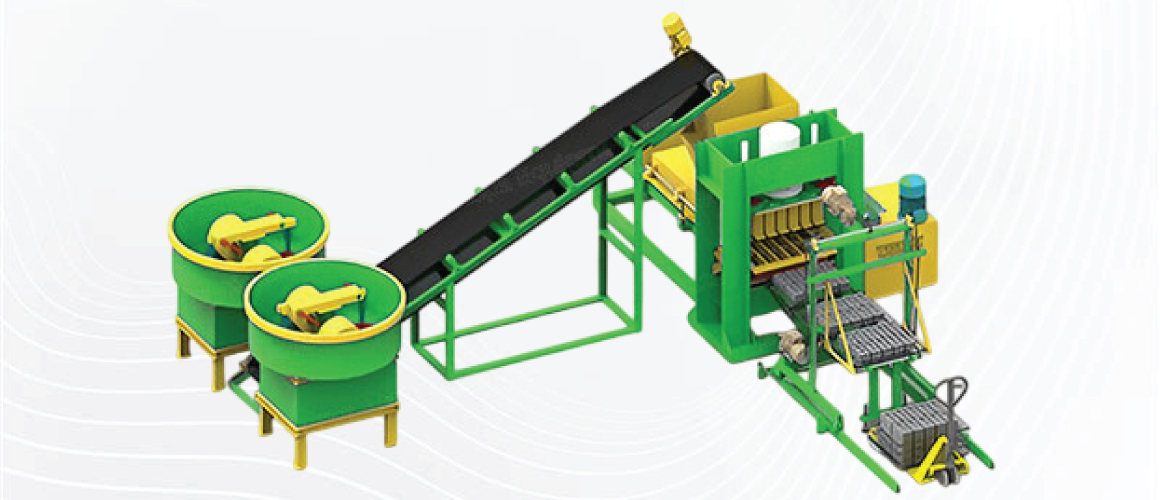
Thinking about making bricks and wondering if it’s possible to do it without leaving a huge mark on the planet? The good news is, yes, absolutely! Shifting towards eco-friendly practices in brick machine operations is not just a nice-to-have anymore; it’s becoming essential for responsible and sustainable manufacturing. This means looking at everything from the materials you use and how you power your machines to how you manage waste.
Why Should Brick Machine Operations Go Green?
When we talk about brick manufacturing, it’s easy to overlook the environmental side. Traditionally, making bricks has been a resource-intensive process. Think about the energy needed to fire those bricks, the raw materials extracted from the earth, and the emissions released into the atmosphere. These aren’t small impacts. Embracing eco-friendly methods isn’t just about feeling good; it’s about long-term viability, meeting growing consumer demand for sustainable products, and in many cases, it can even lead to cost savings.
The Environmental Footprint of Traditional Methods
The classic way of making bricks often involves large amounts of clay extracted from quarries. This process itself can disrupt landscapes and habitats. Then comes the firing stage, usually in kilns that burn fossil fuels like coal or gas. This is a major source of carbon dioxide and other greenhouse gas emissions. Add to that the dust and potential water pollution associated with mining and processing, and you start to see the scale of the environmental challenge. It’s a significant contribution to air pollution and climate change.
What Does “Eco-Friendly” Actually Mean Here?
For brick machine operations, “eco-friendly” translates to reducing consumption of resources, minimizing waste, lowering energy use, and cutting down on harmful emissions. It’s about a holistic approach, considering every step of the brick-making process. This can involve using recycled materials, optimizing energy efficiency, adopting cleaner production technologies, and managing water and waste responsibly.
How Can You Make Brick Machine Operations More Sustainable?
So, how do you actually make brick manufacturing more sustainable? It’s not a single fix, but a series of thoughtful changes. These range from the materials you source to the way you operate your machinery and manage your factory.
Choosing Sustainable Raw Materials
The foundation of your eco-friendly brick starts with what you build it from. Traditional bricks use a lot of virgin clay. However, there are many alternatives and supplements that can significantly reduce this reliance.
Incorporating Recycled Content
Using recycled materials is a game-changer. This could mean crushed construction and demolition waste, fly ash from power plants, or even industrial by-products. These materials often require less energy to process and can reduce the need for new resource extraction. They also help divert waste from landfills.
Alternative Soil Blends
Beyond just clay, there are other soil compositions that can be used. Exploring different soil mixtures, some of which might be locally sourced and require less intensive processing, can be a step forward. Finding local sources also cuts down on transportation emissions.
The Role of Industrial By-products
Fly ash, slag from steel manufacturing, and other industrial residues can be excellent substitutes or additives for clay. These materials are often abundant and would otherwise be considered waste. Properly processed, they can contribute to the strength and durability of the bricks.
How Can Brick Machines Use Energy More Efficiently?
Energy consumption is a huge factor in the environmental impact of brick making. From powering the brick-making machines themselves to the kilns, looking for ways to use less energy is crucial.
Modern, Efficient Machinery
Newer brick machines are often designed with energy efficiency in mind. They might use more advanced motors, optimized hydraulic systems, and better insulation. Simply upgrading older, inefficient equipment can lead to noticeable reductions in electricity consumption.
Optimizing Production Cycles
How you run your machines matters. Implementing smart scheduling, reducing idle times, and ensuring machines are running at their optimal load can make a difference. This is about maximizing output from the energy you put in.
Exploring Renewable Energy Sources
Powering your factory with renewable energy is a significant step. This could involve installing solar panels on your factory roof or sourcing electricity from wind or hydroelectric power providers. This directly reduces your reliance on fossil fuels.
How Can Water Be Managed Responsibly in Brick Production?
Water is used in various stages of brick making, from mixing raw materials to cooling machinery. Efficient water management minimizes consumption and prevents pollution.
Water Recycling and Reuse Systems
Implementing systems to collect, filter, and reuse water within the factory is a smart move. This could involve capturing rainwater or recycling water used in cooling processes. Minimizing the demand for fresh water is key.
Reducing Water Pollution
Ensuring that wastewater from the factory is properly treated before being discharged is essential. This prevents harmful substances from entering local water bodies.
How Can Waste Be Reduced in Brick Machine Operations?
Every factory produces waste, but in eco-friendly operations, the focus is on minimizing it and managing what remains responsibly.
Minimizing Material Waste During Production
This involves optimizing cutting, molding, and handling processes to reduce offcuts and damaged bricks. Proper training for operators and well-maintained machinery play a big role here.
Effective Waste Segregation and Recycling
Having clear systems for segregating different types of waste – from packaging to rejected bricks – allows for more effective recycling and proper disposal of what cannot be reused.
Exploring New Uses for By-products
Sometimes, what seems like waste can have value. Investigating if certain by-products from your process can be used in other industries or for different applications can turn a problem into a solution.
What Innovations Are Driving Greener Brick Manufacturing?
The world of manufacturing is constantly evolving, and brick making is no exception. New technologies and approaches are emerging that make it easier than ever to produce bricks with a lower environmental impact.
Advances in Kiln Technology
The energy-intensive firing process has been a historical bottleneck for sustainability. Innovations here are key.
Energy-Efficient Kiln Designs
Modern kilns are much more efficient than older models. They incorporate better insulation, advanced heat recovery systems, and optimized combustion processes. This means less fuel is burned for the same amount of output.
Alternative Firing Methods
Researchers are exploring alternatives to traditional fossil fuel firing. This includes using biomass, waste heat from other industrial processes, or even electric firing powered by renewables.
Precision Temperature Control
More precise temperature control in kilns means less energy is wasted on overheating and ensures bricks are fired optimally, reducing the number of rejects.
How Does Smart Manufacturing Help Sustainability?
Technology isn’t just about efficiency; it’s also about precision and control, which directly contribute to sustainability.
Process Optimization Through Data Analytics
Using sensors and data to monitor every stage of production allows for fine-tuning. This can identify inefficiencies, predict maintenance needs, and ensure consistent quality, thereby reducing waste.
Automated Material Handling
Automated systems can be more precise, reducing damage to materials and bricks. They can also operate continuously with less downtime needing manual intervention.
AI-Powered Quality Control
Artificial intelligence can be used to inspect bricks for defects with incredible accuracy. This reduces the number of bricks that are rejected due to minor imperfections, saving resources.
What Are the Benefits of Eco-Friendly Brick Machine Operations?
|
Advantages of Going Eco-Friendly |
Metrics |
|
Reduced Environmental Impact |
Decreased carbon footprint, less pollution |
|
Cost Savings |
Lower energy and water bills, reduced waste disposal costs |
|
Health Benefits |
Improved indoor air quality, fewer harmful chemicals |
|
Enhanced Brand Image |
Positive public perception, competitive advantage |
|
Resource Conservation |
Less water and energy usage, reduced deforestation |
Adopting sustainable practices in brick machine operations might seem like an added effort, but the benefits extend far beyond just environmental responsibility.
Cost Savings and Efficiency Gains
Often, eco-friendly practices lead to direct cost reductions. Using less energy means lower utility bills. Reducing waste means buying fewer raw materials and paying less for disposal. Optimizing processes can also lead to higher output with the same resources.
Enhanced Brand Reputation and Market Appeal
Consumers and businesses are increasingly prioritizing sustainability. Having a reputation for producing eco-friendly bricks can give you a significant competitive edge. It can open doors to new markets and partnerships.
Regulatory Compliance and Future-Proofing
Environmental regulations are tightening globally. Adopting these practices now means you’re better positioned to meet future requirements and avoid potential penalties. It’s about staying ahead of the curve.
Improved Working Environment
Many eco-friendly changes, like reducing dust and improving air quality within the factory, also lead to a healthier and safer environment for your employees.
What Is the Future of Sustainable Brick Manufacturing?
The journey towards truly sustainable brick manufacturing is ongoing. It requires a commitment to continuous improvement, a willingness to adopt new technologies, and a focus on the long-term impact of our operations. By integrating these eco-friendly practices, brick machine operations can not only reduce their environmental footprint but also build a more resilient and responsible future for the industry.
FAQs
What are eco-friendly practices in brick machine operations?
Eco-friendly practices in brick machine operations include using sustainable materials, implementing energy-efficient technologies, reducing waste and emissions, and adopting environmentally friendly production processes.
How do eco-friendly practices in brick machine operations contribute to a greener future?
Eco-friendly practices in brick machine operations contribute to a greener future by reducing carbon footprint, minimizing environmental impact, conserving natural resources, and promoting sustainable development in the brick manufacturing industry.
What are some innovations in brick machine operations for a greener future?
Innovations in brick machine operations for a greener future include the use of alternative materials such as fly ash and recycled aggregates, the development of energy-efficient brick making technologies, and the implementation of sustainable production techniques.
What role does technology play in creating eco-friendly brick machines?
Technology plays a crucial role in creating eco-friendly brick machines by enabling the development of energy-efficient equipment, automation of production processes, and the integration of sustainable practices into brick manufacturing operations.
What are the advantages of adopting eco-friendly practices in brick manufacturing operations?
The advantages of adopting eco-friendly practices in brick manufacturing operations include cost savings through energy efficiency, reduced environmental impact, compliance with regulations, improved public perception, and contribution to a sustainable future.