
Setting Up an Asphalt Plant: Site, Layout and Power Planning
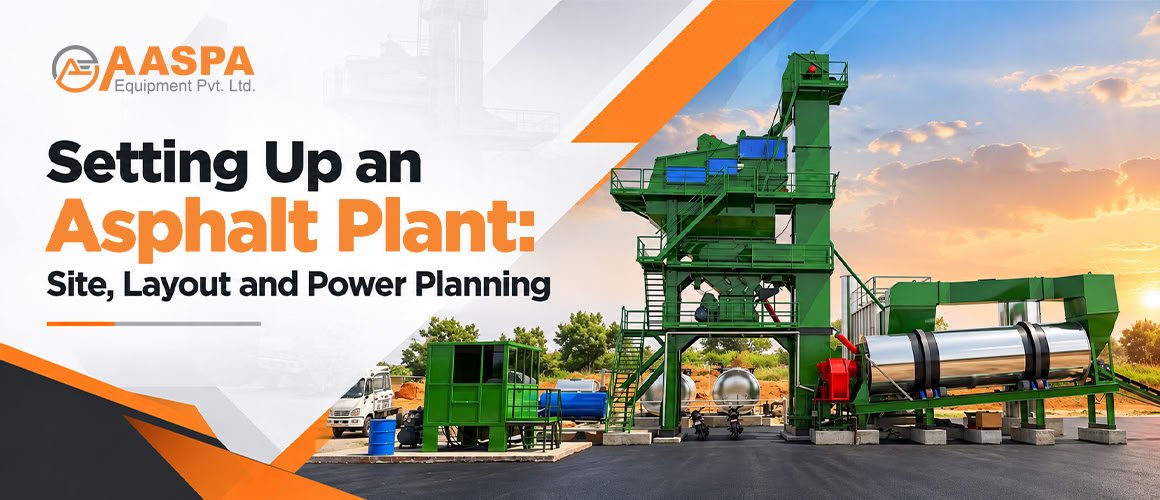
Explore key steps for setting up an asphalt plant, including site selection, layout design and power planning for efficient production and smooth operations.
The establishment of an asphalt production facility is a complex undertaking, demanding meticulous planning across several critical domains. From the initial selection of a suitable location to the intricate design of the plant’s internal workflow and the provision of robust power infrastructure, each stage plays a vital role in ensuring operational efficiency, environmental compliance, and long-term profitability. This comprehensive guide delves into the essential considerations for setting up an asphalt plant, focusing on site selection, layout design, and power planning.
Choosing the Ideal Site for Your Asphalt Plant
The foundational step in establishing an asphalt plant lies in the judicious selection of its physical location. This decision has far-reaching implications, influencing everything from material sourcing and transportation logistics to community relations and regulatory compliance. A well-chosen site can significantly streamline operations and minimize associated costs, while a poor choice can lead to persistent challenges.
Proximity to Raw Material Sources
One of the most significant factors influencing site selection is the proximity to essential raw materials, primarily aggregate and bitumen. Aggregates, such as crushed stone, sand, and gravel, constitute the largest proportion of asphalt mix. Transporting these bulky materials over long distances incurs substantial costs and increases the carbon footprint of the operation. Therefore, identifying a site that is reasonably close to active quarries or aggregate suppliers is paramount. Similarly, access to bitumen, a derivative of crude oil, needs to be considered. While bitumen is often transported via rail or truck from refineries, its availability and the efficiency of its delivery can be influenced by the plant’s location. Strategic placement near major transportation arteries, such as highways or railway lines, facilitates the consistent and cost-effective delivery of these crucial components.
Accessibility and Transportation Infrastructure
Beyond the immediate sources of raw materials, the overall accessibility of the site to transportation networks is crucial. An asphalt plant requires a steady inflow of aggregates, bitumen, and potentially fillers, as well as a reliable outflow of finished asphalt to various construction projects. Therefore, the site must have excellent access to major road networks, allowing for the efficient movement of heavy trucks. The presence of strong bridges and well-maintained roads leading to and from the site is also important to prevent delays and potential damage to vehicles. In some cases, access to rail spurs or even waterways might be advantageous, particularly for large-scale operations or for sourcing materials from distant locations. The ability to easily transport the finished asphalt mix to diverse customer locations, often within a specific radius depending on the product’s cooling rate, further underscores the importance of strategic site selection in relation to market demand.
Environmental and Regulatory Considerations
The asphalt industry is subject to stringent environmental regulations aimed at controlling emissions, noise pollution, and waste management. Before committing to a site, a thorough understanding of local, regional, and national environmental laws is essential. This includes air quality standards, noise ordinances, water discharge regulations, and requirements for the storage and disposal of hazardous materials. The chosen site must be capable of meeting these standards, or it must be feasible to implement the necessary mitigation measures. Furthermore, community acceptance is a significant, albeit sometimes intangible, factor. Locating a plant too close to residential areas can lead to opposition due to concerns about dust, noise, and truck traffic. Conducting thorough environmental impact assessments and engaging with local communities early in the planning process can help to preempt potential conflicts and ensure smoother project approval. Zoning regulations also play a critical role, ensuring that the chosen site is designated for industrial use and that the asphalt plant operation is permitted.
Land Availability and Future Expansion
The initial footprint of an asphalt plant can be substantial, encompassing areas for storage of raw materials, the plant itself, offices, and maintenance facilities. However, foresight regarding future needs is equally important. Land availability that allows for potential expansion of the plant, increased storage capacity, or the addition of new processes in the future can prevent costly relocations or operational constraints down the line. Considering the site’s topography and drainage is also part of land assessment. A relatively level site simplifies construction and layout, while good natural drainage can reduce the need for extensive and costly drainage systems. Conversely, sites prone to flooding or requiring extensive earthwork can add significant costs and complexities to the project.
Key Considerations in Asphalt Plant Layout Design
Once a suitable site has been identified, the next critical phase involves designing the plant’s layout. The internal arrangement of the various components of an asphalt plant is not merely an aesthetic consideration; it is a strategic imperative that directly impacts workflow efficiency, safety, operational costs, and environmental performance. A well-designed layout minimizes material handling, reduces energy consumption, and creates a safe working environment.
Material Handling and Storage Areas
The efficient movement and storage of raw materials are central to an asphalt plant’s operation. The layout must facilitate the seamless delivery of aggregates and bitumen to their respective storage areas. Aggregate storage areas, often consisting of stockpiles, should be positioned to allow for easy access by loaders or conveyors that feed the plant’s cold feed bins. The design should also consider the separation of different aggregate sizes and types to prevent contamination. Bitumen storage tanks require specific considerations for heating and insulation to maintain the material at the required temperature for easy pumping. Their location should be optimized for convenient transfer to the mixing unit, minimizing pipe runs and potential heat loss.
Flow of Materials Through the Plant
A logical and sequential flow of materials through the plant is essential for maximizing efficiency and minimizing bottlenecks. Typically, the process begins with the cold feed bins, where aggregates are metered and combined in the correct proportions. From there, the aggregates are conveyed to the drying and heating drum, where they are heated to the desired temperature and moisture is removed. The heated aggregates are then elevated to the screening tower, where they are separated into different size fractions. These fractions are then recombined in precise amounts in the mixer, where bitumen and any additives are introduced. The finished hot mix asphalt is then discharged into storage silos or directly loaded onto trucks. The layout must be designed to support this linear progression, avoiding unnecessary backtracking or complex material transfers.
Safety and Accessibility
Safety is paramount in the design of any industrial facility, and an asphalt plant is no exception. The layout must prioritize the safety of personnel and equipment. Walkways, platforms, and access routes should be clearly defined, well-lit, and free from obstructions. Adequate clearance around moving machinery is essential to prevent accidents. Emergency exits and access points for emergency services must be clearly marked and unobstructed. Furthermore, the layout should consider accessibility for maintenance personnel and equipment. Routine maintenance is crucial for the longevity and efficient operation of the plant, and the design should allow for easy access to all critical components, such as burners, screens, mixers, and motors. This includes providing adequate working space around machinery and ensuring the availability of lifting and handling equipment where necessary.
Environmental Control Measures Integration
Environmental protection is an integral part of modern asphalt plant operations. The layout must accommodate the integration of various emission control systems, such as baghouses, dust collectors, and scrubbers, which are crucial for capturing particulate matter and other pollutants. These systems need to be positioned logically within the material flow to capture emissions at their source. The layout should also consider space for the storage and handling of any waste materials or byproducts, as well as for any water treatment facilities if required. Proper drainage and containment measures for potential spills are also important design considerations to prevent environmental contamination.
Power Requirements and Planning for Efficient Plant Operation
The operation of an asphalt plant is inherently energy-intensive, relying on significant amounts of electrical power and, in many cases, fuel for heating. Comprehensive power planning is therefore a critical element of setting up a new facility or upgrading an existing one. Understanding the plant’s energy demands and securing reliable, cost-effective power solutions is essential for consistent production and profitability.
Assessing Electrical Load Demands
The primary electrical loads in an asphalt plant are associated with the motors that drive the conveyors, the fan systems for the drying drum and dust collectors, the bitumen pumps, and the control systems. Each of these components has a specific power consumption rating, and these need to be aggregated to determine the total electrical load the plant will require. This assessment should consider the peak load, which is the maximum power demand when all systems are operating simultaneously, as well as the average load. Understanding these demands is crucial for selecting the appropriate size of transformers, switchgear, and wiring. It also informs the decision regarding the power supply option, whether it be connection to the national grid or the installation of a dedicated generator.
Fuel Selection and Heating Systems
Beyond electrical power, asphalt plants heavily rely on fuel for heating the aggregates in the drying drum and, in some cases, for heating bitumen storage tanks. Common fuels include natural gas, propane, diesel fuel, and heavy fuel oil. The choice of fuel is influenced by factors such as local availability, cost, environmental regulations, and the plant’s heating requirements. Natural gas is often the most cost-effective and environmentally friendly option where available, producing lower emissions than liquid fuels. However, its availability can be limited in some regions. Diesel fuel and heavy fuel oil are more widely available but typically have higher operating costs and greater environmental impacts. The heating system itself, typically a burner within the drying drum, must be sized appropriately to meet the required production rates and aggregate moisture content.
Power Supply Options: Grid Connection vs. On-Site Generation
When considering the power supply for an asphalt plant, two primary options exist: connecting to the public utility grid or installing an on-site power generation system. Connecting to the grid offers the advantage of a generally reliable and consistent power supply, managed by the utility provider. However, it can be subject to fluctuating electricity prices and potential power outages. The cost of extending grid connections to remote sites can also be substantial. On-site generation, typically through diesel or gas generators, offers greater independence and control over power supply, especially in locations where grid reliability is questionable. It can also provide a stable power source during grid outages. However, on-site generation involves significant capital investment for the generators, ongoing fuel costs, and maintenance expenses. The decision between these options hinges on a detailed cost-benefit analysis, considering factors like grid reliability, local electricity tariffs, fuel prices, and the required operational continuity.
Energy Efficiency Measures
Optimizing energy consumption is not only environmentally responsible but also a significant driver of cost savings for asphalt plant operations. Implementing energy-efficient practices and technologies can substantially reduce operational expenses. This includes ensuring that heating systems are properly maintained and calibrated, insulating hot material transfer points to minimize heat loss, and utilizing variable frequency drives (VFDs) on motors to adjust speed according to demand, thereby reducing energy consumption. Regular maintenance of all equipment, particularly cleaning filters and checking for leaks, also contributes to improved energy efficiency. Furthermore, optimizing the drying process to remove only the necessary amount of moisture can significantly reduce fuel consumption.
Essential Steps in the Setup of an Asphalt Production Facility
|
Step |
Description |
Key Metrics |
Estimated Timeframe |
Considerations |
|
Site Selection |
Choosing a suitable location for the facility |
Proximity to raw materials, transportation access, zoning compliance |
2-4 weeks |
Environmental impact, land size, local regulations |
|
Permitting and Approvals |
Obtaining necessary environmental and construction permits |
Number of permits, approval time, compliance requirements |
1-3 months |
Air quality, noise limits, waste management |
|
Design and Engineering |
Planning plant layout and selecting equipment |
Plant capacity (tons/hour), equipment specs, layout efficiency |
4-6 weeks |
Scalability, energy efficiency, safety standards |
|
Procurement |
Purchasing machinery and materials |
Lead time, cost, supplier reliability |
6-8 weeks |
Warranty, maintenance support, delivery schedules |
|
Construction and Installation |
Building the facility and installing equipment |
Construction duration, labor hours, installation accuracy |
8-12 weeks |
Safety protocols, quality control, weather conditions |
|
Testing and Commissioning |
Verifying equipment operation and production quality |
Test runs, output quality, operational efficiency |
2-4 weeks |
Calibration, staff training, troubleshooting |
|
Operational Training |
Training staff on plant operation and safety |
Number of personnel trained, training hours, certification |
1-2 weeks |
Safety procedures, emergency response, maintenance |
|
Start-up and Production |
Beginning full-scale asphalt production |
Production rate, product quality, downtime |
Ongoing |
Continuous monitoring, quality assurance, maintenance |
The establishment of an asphalt production facility involves a series of sequential and interconnected steps, each requiring careful attention to detail and adherence to best practices. From initial feasibility studies to final commissioning, a structured approach ensures that all critical aspects are addressed systematically.
Feasibility Studies and Site Evaluation
The initial phase involves comprehensive feasibility studies to assess the viability of the project. This includes market analysis to determine demand for asphalt, geological surveys to confirm the availability of suitable aggregate sources, and a thorough evaluation of potential sites based on the criteria discussed previously. Financial modeling to project capital costs, operating expenses, and potential revenue is also a crucial part of this stage. Environmental impact assessments are initiated early to identify potential challenges and necessary mitigation strategies.
Permitting and Regulatory Approvals
Securing the necessary permits and regulatory approvals is a critical and often time-consuming part of the setup process. This involves submitting detailed plans and documentation to various government agencies, including environmental protection agencies, zoning boards, and building departments. Obtaining air quality permits, operational permits, and any required land use permits is essential before construction can commence. Early engagement with regulatory bodies and a thorough understanding of their requirements can help to streamline this process and avoid delays.
Procurement and Installation of Equipment
Once permits are secured and the site is prepared, the procurement and installation of the asphalt plant equipment can begin. This involves selecting reputable manufacturers and suppliers, negotiating contracts, and managing the logistics of equipment delivery. The installation process requires skilled labor and careful adherence to manufacturer specifications and engineering designs. This includes the erection of the main plant structure, the installation of the drying and mixing units, the erection of storage silos, and the connection of all electrical and fuel supply lines.
Commissioning and Performance Testing
After the physical installation is complete, the plant undergoes a rigorous commissioning and performance testing phase. This involves systematically testing each component and subsystem to ensure they are functioning correctly and safely. Following this, a performance test is conducted to verify that the plant can meet its designed production rates, produce asphalt mix that meets specified quality standards, and comply with environmental emission limits. This stage often involves fine-tuning of operational parameters to optimize performance.
Optimizing Plant Workflow Through Strategic Layout Planning
The layout of an asphalt plant is not a static blueprint but a dynamic tool that can be leveraged to significantly optimize the workflow, leading to improved productivity, reduced operational costs, and enhanced product quality. Strategic planning of the plant’s internal arrangement directly influences the efficiency of material movement and processing.
Minimizing Material Travel Distances
A fundamental principle of efficient workflow is the minimization of unnecessary material travel. The layout should be designed so that materials move in a logical, forward progression from raw material intake to finished product output. This means positioning cold feed bins close to aggregate stockpiles, placing the drying and heating drum in a direct line with the cold feed, and arranging screens and mixers to avoid extensive conveyor runs or material re-handling. Reduced travel distances translate to lower energy consumption for conveying systems, less wear and tear on equipment, and faster processing times.
Streamlining Maintenance Access
Effective plant workflow also relies on the ability to perform maintenance efficiently and with minimal disruption to production. The layout must incorporate clear and safe access routes to all critical machinery and components. Sufficient working space around equipment, as well as the strategic placement of service platforms and lifting points, facilitates routine inspections, repairs, and part replacements. A layout that makes maintenance challenging can lead to extended downtime, increased labor costs, and potential safety hazards. Proactive maintenance, enabled by good layout design, is crucial for preventing costly breakdowns.
Integrating Quality Control Processes
The layout should also facilitate the integration of quality control measures at various stages of the production process. Sample collection points should be strategically located within the material flow, allowing for easy and safe access by quality control personnel. The proximity of the laboratory to the production area can also improve response times for material testing and adjustments. A layout that supports efficient quality control ensures that the asphalt produced consistently meets the required specifications, thereby reducing the risk of costly rejections or rework.
Enhancing Operator Ergonomics and Safety
While not always directly linked to material flow, the layout significantly impacts operator ergonomics and overall safety. A well-designed plant considers the ease of operation, visibility of critical processes, and the reduction of potential hazards. Clear sightlines to machinery, logically placed control panels, and sufficient lighting contribute to a safer and more efficient working environment. Minimizing the need for operators to navigate complex or hazardous areas during their routine tasks enhances both productivity and well-being.
Integrating Power Solutions into Your Asphalt Plant Setup
The integration of power solutions into the asphalt plant setup is not an afterthought but a core component that demands careful consideration from the outset. A robust and well-planned power infrastructure underpins the entire operation, ensuring reliability, efficiency, and cost-effectiveness.
Designing for Scalability and Future Needs
Power systems should be designed with an eye towards future scalability. As production demands increase or new equipment is added, the power infrastructure must be capable of accommodating these changes without requiring extensive and costly modifications. This might involve selecting electrical distribution equipment with spare capacity or choosing generators that can be easily paralleled to increase output. Similarly, the design should consider the potential for incorporating renewable energy sources in the future, such as solar power, to supplement traditional energy supplies and reduce operating costs and environmental impact.
Implementing Redundancy and Backup Systems
For asphalt plants that operate in regions with unreliable grid power or where continuous operation is critical, implementing redundancy and backup power systems is a wise investment. This might involve having a secondary power supply source or investing in uninterruptible power supply (UPS) systems for critical control equipment. Backup generators play a crucial role in ensuring that production can continue uninterrupted during grid outages, preventing significant financial losses and maintaining customer commitments. The sizing and type of backup generation should be carefully calculated to meet the essential operational loads during an outage.
Optimizing Energy Distribution and Management
Efficient energy distribution and management are key to minimizing power wastage and controlling operating costs. This involves designing an electrical distribution system that minimizes voltage drop and power loss. The use of energy-efficient lighting, properly sized motors, and intelligent control systems that can optimize power usage based on production needs are all part of effective energy management. Implementing power monitoring systems can provide valuable data on energy consumption patterns, allowing for the identification of areas where further efficiencies can be achieved.
Ensuring Compliance with Electrical Safety Standards
Throughout the entire process of integrating power solutions, strict adherence to electrical safety standards and regulations is paramount. This includes proper grounding, insulation, circuit protection, and lockout/tagout procedures. The design and installation of the electrical system must be carried out by qualified electricians and engineers, ensuring that all work meets or exceeds industry safety codes. Regular inspections and maintenance of the electrical infrastructure are also essential to prevent hazards and ensure the ongoing safety and reliability of the power supply.
FAQs
- What factors should be considered when choosing the ideal site for an asphalt plant?
When selecting a site for an asphalt plant, key factors include proximity to raw materials and target markets, availability of utilities such as water and electricity, compliance with environmental regulations, accessibility for transportation, and sufficient space for plant layout and future expansion.
- How does layout design impact the efficiency of an asphalt plant?
A well-planned layout optimizes workflow by minimizing material handling distances, ensuring safe and easy access to equipment, facilitating maintenance activities, and allowing smooth integration of different plant components. This leads to increased productivity, reduced operational costs, and enhanced safety.
- What are the typical power requirements for operating an asphalt plant?
Power requirements vary depending on plant size and equipment but generally include electricity for mixers, conveyors, heaters, control systems, and auxiliary equipment. Proper power planning ensures reliable supply, prevents downtime, and supports energy-efficient operation.
- What are the essential steps involved in setting up an asphalt production facility?
Essential steps include site selection and preparation, designing the plant layout, procuring and installing equipment, integrating power and utility systems, conducting safety and environmental compliance checks, and performing trial runs before full-scale production.
- How can power solutions be integrated effectively into an asphalt plant setup?
Effective integration involves assessing total power demand, selecting appropriate power sources (grid connection, generators, or renewable options), designing electrical distribution systems, implementing energy management controls, and ensuring backup power availability to maintain continuous operation.