
Road Sweeper ROI: Cost Savings for Municipalities
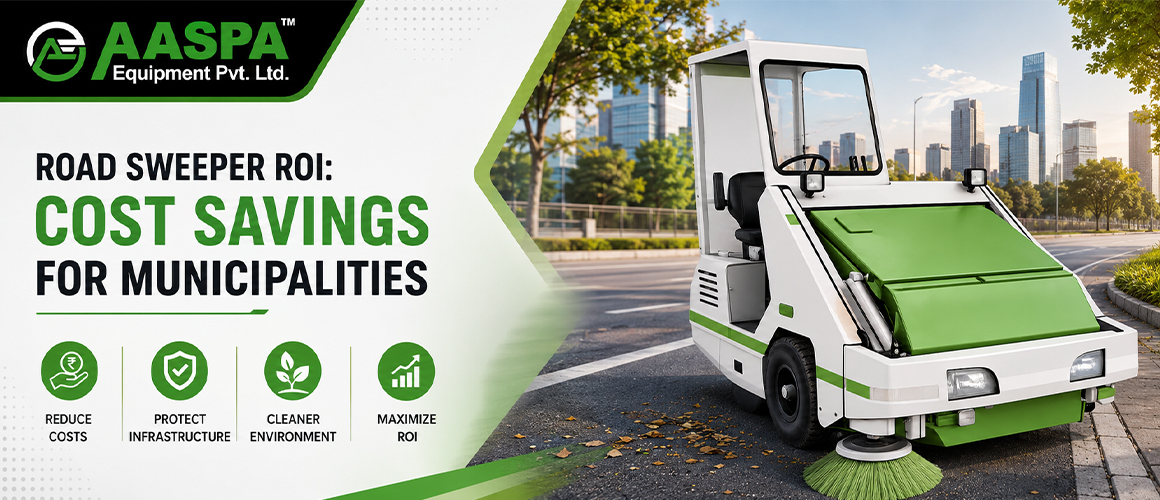
You might be wondering if investing in road sweepers is really worth the money for a municipality. The short answer is yes, absolutely. When you look at it from a Return on Investment (ROI) perspective, road sweepers can translate into significant cost savings and operational improvements for local governments. It’s not just about making the streets look nice; it’s about smart financial and infrastructural management.
Understanding the Value Proposition of Road Sweepers
When we talk about ROI for municipal road sweepers, we’re essentially looking at the financial benefits a municipality can gain from operating this equipment relative to its cost. This isn’t just about the initial price tag of a sweeper; it’s a holistic view that encompasses the long-term savings, improved efficiency, and even enhanced public health and safety that these machines bring. Think of it as an investment that pays for itself in multiple ways over time.
Beyond Surface Level: The Multifaceted Benefits
The benefits of having a robust road sweeping program extend far beyond just aesthetics. A well-maintained road surface can prevent a cascade of downstream costs that municipalities often bear.
Protecting Infrastructure from Wear and Tear
A buildup of debris – sand, gravel, leaves, and other grit – isn’t just unsightly. It acts like sandpaper on road surfaces, accelerating wear and tear on asphalt and concrete. This means roads deteriorate faster, requiring more frequent and expensive repairs to fix potholes, cracks, and general degradation. By routinely removing this abrasive material, sweepers help extend the lifespan of road infrastructure, delaying costly resurfacing projects. This is a direct saving in capital expenditure and reduces the disruption associated with major roadworks.
Preventing Drainage System Clogs
Leaves, dirt, and litter often find their way into storm drains and culverts. If left unchecked, this debris can cause blockages. Blocked drains prevent proper water runoff, leading to localized flooding. Dealing with flood damage can be incredibly expensive, involving property repairs, emergency services, and sometimes even displacement of residents. The cost of preventative sweeping is significantly lower than the cost of responding to and mitigating flood events caused by clogged drainage systems.
Reducing Environmental Contamination
Road debris can carry pollutants such as oil, grease, heavy metals, and microplastics. When it rains, these contaminants are washed into waterways, impacting water quality, harming aquatic life, and potentially posing risks to human health. Regular sweeping removes these pollutants before they can enter the environment, contributing to better water quality and reducing the burden on wastewater treatment facilities.
Calculating the Tangible Cost Savings
Figuring out the exact dollar amount a municipality saves through road sweeping can be complex, as it involves quantifying various benefits. However, by focusing on key areas, we can get a clearer picture of the impact of road sweeper ROI.
Reduced Pavement Maintenance Costs
This is often the most direct and measurable saving. Municipalities can track their annual spending on road repairs, resurfacing, and crack sealing. By comparing these costs before and after implementing or enhancing a road sweeping program, they can see a quantifiable reduction. A proactive sweeping schedule that prevents premature damage means fewer emergency repairs and a more predictable maintenance budget.
Quantifying Repair Expenses
Consider the average cost of repaving a mile of road versus the cost of a year of consistent sweeping. The savings in delaying a full repaving project by even a few years can easily offset the entire operational cost of a sweeper fleet. Analyzing historical repair data against the operational budget for sweeping allows for a direct ROI calculation.
The Cost of Doing Nothing
It’s also important to consider the cost of not sweeping. What is the projected future cost of roads that are not adequately maintained due to lack of sweeping? This can involve accelerated deterioration, increased safety hazards, and eventually, much larger capital outlays than would have been necessary with regular maintenance.
Lower Stormwater Management Expenses
As mentioned, preventing blockages in storm drains is a significant saving. This can be looked at in terms of reduced emergency call-outs for blocked drains, less money spent on manual clearing of drains, and the avoidance of costly flood damage mitigation.
Fewer Emergency Flood Response Costs
When storms hit and drains are blocked, municipalities incur costs for emergency services, sandbag deployment, and temporary pumping solutions. These are reactive expenses that a good sweeping program can largely prevent.
Reduced Need for Drain Cleaning Services
Many municipalities contract out drain cleaning or have in-house crews dedicated to this task. Regular sweeping of streets significantly reduces the amount of debris that reaches storm drains, meaning less frequent and less intensive drain cleaning is required.
Saving on Environmental Remediation
While sometimes harder to put a precise dollar figure on, the cost of environmental damage and remediation is substantial. Cleaning up polluted waterways or dealing with the long-term health impacts of environmental contamination is a direct financial burden that proactive sweeping helps to alleviate.
The Price of Water Quality Improvement
Investing in better water quality through sweeping is often more cost-effective than implementing expensive end-of-pipe treatment solutions to address runoff pollution.
Maximizing Efficiency: How Road Sweepers Contribute to ROI
The efficiency of a road sweeper operation itself is a critical factor in achieving a strong ROI. It’s not just about owning a sweeper; it’s about using it smartly.
Operational Planning and Route Optimization
Effective route planning ensures that sweepers cover the most critical areas thoroughly and efficiently. This minimizes travel time, reduces fuel consumption, and maximizes the amount of road swept per operational hour. Advanced route optimization software can analyze traffic patterns, road conditions, and debris accumulation rates to create the most efficient schedules.
Data-Driven Scheduling
By collecting data on debris levels in different areas, municipalities can prioritize sweeping efforts. For example, areas prone to leaf fall in autumn or construction zones with high dust levels might require more frequent attention. This targeted approach ensures resources are used where they are most needed, maximizing the impact of sweeping.
Fuel Efficiency and Maintenance Protocols
The type of sweeper chosen and how it’s maintained significantly impact operational costs. Newer, more fuel-efficient models can reduce running costs. Strict maintenance schedules ensure sweepers operate at peak performance, preventing costly breakdowns and extending the lifespan of the equipment. This proactive maintenance contributes directly to a lower cost per mile swept.
Choosing the Right Sweeper Technology
Different types of road sweepers are suited for different tasks. Understanding these distinctions helps municipalities invest in the right equipment for their specific needs, ensuring optimal performance and cost-effectiveness.
Understanding Sweeper Types
Mechanical sweepers are generally good for heavy debris like gravel and sand. Vacuum sweepers excel at picking up fine dust and litter. Regenerative air sweepers combine elements of both, offering versatility. Choosing a sweeper that matches the primary debris types and street conditions in a municipality is crucial for efficient operation and impact.
The Role of Water Usage
Many sweepers use water to control dust. Minimizing water usage through efficient spray systems and water recycling technologies can reduce operational costs, especially in drought-prone areas.
The Role of Road Sweepers in Municipal Budgeting and ROI
|
Metrics |
Data |
|
Cost of Road Sweeper Equipment |
150,000 |
|
Annual Maintenance Cost |
10,000 |
|
Number of Sweeping Hours per Year |
2,000 hours |
|
Cost per Sweeping Hour |
80 |
|
Annual Road Sweeping Budget |
160,000 |
|
Reduction in Road Maintenance Costs |
10% |
|
Environmental Impact (Tons of Debris Collected) |
500 tons |
Integrating road sweeping into the municipal budgeting process with a clear understanding of its ROI is essential for securing funding and demonstrating its value.
Justifying Capital Expenditures
When proposing the purchase of new road sweepers or upgrades to existing fleets, a strong ROI analysis is paramount. Presenting data that clearly shows how the investment will lead to reduced long-term spending in other areas (pavement repair, flood mitigation) makes a compelling case for the expenditure.
Demonstrating Long-Term Value
Municipal budgeting often involves looking at multi-year financial plans. Highlighting the long-term cost savings and infrastructure preservation facilitated by sweepers aligns with these long-term strategic planning goals.
Operational Budget Considerations
Beyond the initial capital cost, the operational budget for sweeping (labor, fuel, maintenance, consumables) needs to be carefully managed. Linking these operational costs to their tangible benefits through the ROI calculation helps justify the ongoing expenditure.
Cost-Benefit Analysis for Fleet Management
Regularly reviewing the operational costs of the sweeping fleet against the achieved cost savings allows for continuous improvement and adjustments to ensure the ROI remains strong. If certain sweeper models are proving disproportionately expensive to maintain or operate, this analysis can inform future purchasing decisions.
Case Studies: Demonstrating the ROI of Road Sweepers for Municipalities
Real-world examples can powerfully illustrate the financial advantages of road sweeping. Looking at what other municipalities have achieved can provide valuable insights and benchmarks.
Municipal A: Reducing Pavement Repair Costs
Consider a municipality that historically spent significant amounts on pothole repairs and crack sealing. After implementing a comprehensive street sweeping program, their spending on these repairs decreased by an average of 15% annually over a five-year period. When the cost of operating the sweeping fleet was factored in, the net annual saving was substantial, demonstrating a clear ROI in infrastructure preservation.
Quantifiable Savings in Repairs
Analyzing the specific types of repairs that decreased (e.g., less severe pothole formation, reduced need for crack sealing due to less abrasive debris) provides concrete evidence. The initial investment in two new sweepers was recouped within four years solely through reduced pavement maintenance expenditures.
Municipal B: Mitigating Flood Damage
Another municipality, located in a region prone to heavy rainfall, saw a significant reduction in storm drain blockages and subsequent minor flooding incidents after investing in advanced vacuum sweepers. This led to a measurable decrease in emergency responses related to localized flooding and eliminated several recurring costs associated with manual drain clearing.
Reduced Emergency Service Calls
By tracking the number of emergency service calls related to blocked drains and minor flooding before and after the sweeping program, this municipality could demonstrate a direct financial benefit. The savings in overtime for public works crews and reduced wear and tear on emergency response vehicles added to the overall ROI.
Investing in Road Sweepers: Long-Term ROI for Municipalities
For municipalities, investing in road sweepers isn’t a short-term fix; it’s a strategic decision that yields benefits for years to come. The long-term ROI is often much greater than immediate cost considerations might suggest.
Extending Infrastructure Lifespan
The primary long-term benefit is the extended lifespan of road surfaces. Roads that are regularly swept and maintained will last longer, delaying the need for incredibly expensive full-depth reconstruction or overlay projects. This can save millions of dollars over the life of the road network.
Planning for Future Capital Needs
By effectively preserving existing infrastructure through sweeping, municipalities can better plan and budget for future capital improvement projects, rather than being forced into urgent, reactive repairs that strain budgets.
Enhancing Public Health and Livability
While harder to quantify in dollar terms, the impact on public health and the overall livability of a community is a crucial aspect of ROI. Cleaner streets reduce air pollution from dust, leading to fewer respiratory issues. Aesthetically pleasing streets can boost community pride and even tourism. These improvements contribute to a higher quality of life for residents.
The Value of a Clean Community
A clean and well-maintained environment is often directly linked to resident satisfaction and a positive perception of municipal services. While not a direct financial saving, these intangible benefits contribute to the overall success and well-being of the municipality.
Road Sweeper ROI: Strategies for Achieving Cost Savings in Municipalities
To ensure the best possible return on investment from road sweepers, municipalities should adopt strategic approaches to their acquisition, operation, and maintenance.
Conducting Thorough Needs Assessments
Before purchasing any equipment, a detailed assessment of the municipality’s specific needs is crucial. This includes evaluating road types, traffic volumes, common debris types, drainage system conditions, and budgetary constraints. This ensures the municipality invests in the right-sized and appropriately equipped sweepers for their operational context.
Matching Equipment to the Job
A smaller, more manoeuvrable sweeper might be ideal for densely populated urban areas with narrow streets, while larger, more powerful units might be better suited for extensive arterial roads or industrial zones.
Implementing Robust Training Programs
The effectiveness of a road sweeper is heavily dependent on the skill of its operator. Comprehensive training programs ensure operators can use the equipment safely and efficiently, maximizing its sweeping performance and minimizing wear and tear.
Operator Efficiency and Longevity
Well-trained operators can identify potential issues, optimize sweeping patterns for different conditions, and maintain the sweeper properly, all of which contribute to better performance and potentially longer equipment life.
Embracing Technology and Data Analytics
Modern road sweepers can be equipped with GPS tracking, data logging, and diagnostic systems. Utilizing this technology allows municipalities to monitor sweeping patterns, track operational hours, measure debris collection efficiency, and identify areas for improvement.
Predictive Maintenance and Performance Monitoring
Data analytics can help implement predictive maintenance schedules, ensuring that repairs are made before minor issues become major, costly problems. This proactive approach minimizes downtime and keeps the fleet operating at peak efficiency.
Collaborative Procurement and Shared Services
For smaller municipalities, exploring collaborative procurement opportunities with neighboring towns or counties can lead to better pricing on sweepers and related equipment. Additionally, considering shared service models for sweeping operations could potentially reduce costs for all participating entities.
Leveraging Bulk Purchasing Power
By pooling resources and needs, municipalities can negotiate more favourable terms and pricing from manufacturers and suppliers, leading to initial cost savings on equipment acquisition. Furthermore, sharing specialized maintenance or operator training services could create efficiencies.
Ultimately, the ROI of road sweepers for municipalities is a story of proactive investment leading to significant long-term savings and improved operational efficiency. It’s about seeing beyond the initial purchase price and understanding the multifaceted value these machines bring to maintaining infrastructure, protecting the environment, and enhancing the quality of life for residents.
FAQs
- What is Road Sweeper ROI and why is it important for municipalities?
Road Sweeper ROI refers to the return on investment that municipalities can achieve by using road sweepers to maintain clean and debris-free streets. It is important for municipalities because it helps them understand the financial benefits of investing in road sweepers, such as cost savings, improved efficiency, and better budgeting.
- How do road sweepers contribute to cost savings for municipalities?
Road sweepers contribute to cost savings for municipalities by reducing the need for manual street cleaning, minimizing the risk of debris-related accidents, preventing damage to infrastructure, and improving overall public health and safety. Additionally, road sweepers help extend the lifespan of roads and reduce the frequency of repairs and maintenance.
- What are some strategies for achieving cost savings with road sweepers in municipalities?
Some strategies for achieving cost savings with road sweepers in municipalities include implementing regular street sweeping schedules to prevent debris buildup, using advanced technology and equipment for more efficient cleaning, conducting thorough cost-benefit analyses to optimize investment decisions, and prioritizing preventive maintenance to prolong the lifespan of road sweepers.
- How can municipalities calculate the impact of road sweeper ROI?
Municipalities can calculate the impact of road sweeper ROI by analyzing factors such as reduced labour costs, decreased equipment wear and tear, lower street cleaning expenses, minimized environmental impact, and improved public perception of cleanliness. By quantifying these benefits, municipalities can determine the overall financial impact of road sweeper ROI.
- What are some case studies or examples that demonstrate the long-term ROI of road sweepers for municipalities?
Case studies and examples demonstrating the long-term ROI of road sweepers for municipalities include data on reduced street cleaning costs, extended road lifespan, decreased accident rates, improved air quality, and enhanced community satisfaction. These real-world examples showcase the tangible benefits and long-term financial gains of investing in road sweepers.