
Automated vs. Manual Bitumen Spraying: Which Is Better?
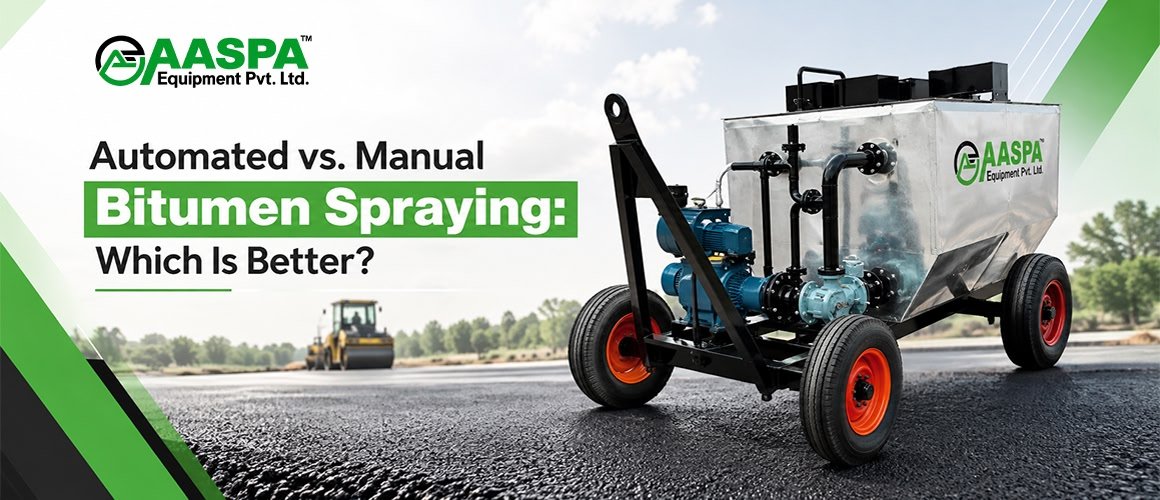
Compare automated vs manual bitumen spraying based on accuracy, cost, efficiency, labor and application quality for road construction projects.
The application of bitumen, a critical component in road construction and waterproofing, has long been a labor-intensive process. As technology advances, the industry is increasingly facing a pivotal question: Automated vs. Manual Bitumen Spraying: Which Is Better? This fundamental choice impacts everything from project timelines and budgets to worker safety and environmental footprints. Understanding the nuances of each approach is paramount for making informed decisions in modern infrastructure development.
The Advantages of Automated Bitumen Spraying
Automated bitumen spraying systems represent a significant leap forward in efficiency, precision, and overall project quality. Their inherent design addresses many of the challenges traditionally associated with manual application.
Enhanced Precision and Uniformity
Automated systems utilize sophisticated sensors and computer-controlled nozzles to ensure a consistently even and accurate distribution of bitumen across the designated surface. This level of precision is virtually impossible to achieve manually, where human factors such as fatigue, varying hand movements, and inconsistent application pressure can lead to patchy coverage. The result of automated application is a more uniform binder layer, which is crucial for the optimal adhesion of subsequent asphalt layers and the long-term durability of the road surface. Imperfections in bitumen application can lead to premature cracking, ravelling, and reduced pavement life, making this uniformity a critical advantage.
Increased Speed and Productivity
One of the most immediate benefits of automation is the dramatic increase in operational speed. Automated sprayers can cover vast areas much faster than manual crews, leading to expedited project completion times. This accelerated pace not only reduces labor costs but also minimizes traffic disruption and shortens the overall duration of construction projects. In large infrastructure endeavors, where time is often a critical constraint, the ability to rapidly apply bitumen can translate into substantial savings and increased project throughput.
Reduced Material Wastage
The precise control offered by automated systems minimizes overspray and material waste. Manual application often involves a certain degree of material loss due to inconsistent spraying patterns, drips, and uneven distribution. Automated systems, by contrast, apply bitumen exactly where it’s needed, in the correct quantity. This reduction in wastage not only lowers material costs but also contributes to a more sustainable construction practice by conserving resources.
Improved Worker Safety
Bitumen is applied at high temperatures and can be a hazardous substance. Automated systems significantly reduce the direct exposure of workers to hot bitumen, fumes, and the moving machinery involved in the spraying process. Operators can often control the system from a safer distance or within an enclosed cab, thereby mitigating risks of burns, respiratory issues, and other work-related injuries. This emphasis on safety is a crucial factor in modern construction, aligning with industry standards and regulations designed to protect the workforce.
Comparing Manual and Automated Bitumen Spraying Techniques
A direct comparison of these two methodologies reveals a stark contrast in their operational characteristics and overall outcomes. Understanding these differences is key to selecting the appropriate technique for a given project.
Operational Complexity and Skill Requirement
Manual bitumen spraying, while seemingly straightforward, requires a highly skilled and experienced operator. Achieving an even spray necessitates a steady hand, consistent speed, and an intuitive understanding of the material’s flow characteristics. Training and experience are paramount for producing quality results. Automated systems, conversely, shift the complexity from manual dexterity to technological oversight. While initial setup and programming require technical expertise, the operation itself can be more streamlined, with the system handling the intricate details of application. This can reduce reliance on a highly specialized manual workforce in the long run.
Adaptability to Varied Terrains and Project Sizes
Manual spraying offers greater flexibility for small, intricate, or irregularly shaped areas where large automated equipment might struggle to maneuver. Think of patching small sections of road, applying waterproofing to complex architectural elements, or working in confined spaces. Automated systems, while incredibly efficient for large, open stretches of road, may not be as cost-effective or practical for smaller, more specialized tasks. However, advanced automated systems are becoming increasingly adaptable, with smaller, more agile robotic sprayers emerging for specific applications.
Consistency of Application
As previously mentioned, consistency is a major differentiator. Automated systems inherently deliver a far more consistent and uniform application compared to manual methods. Factors like operator fatigue, varying nozzle heights, and fluctuating spray pressures can lead to significant inconsistencies in manual application, impacting the quality and longevity of the final product. The digital control of automated systems effectively eliminates these variables.
The core drivers behind the adoption of automated systems are often efficiency and accuracy. These two aspects are inextricably linked and directly impact project success.
Measuring and Controlling Application Rates
Automated systems incorporate highly accurate flow meters and GPS technology to precisely control the application rate of bitumen. Operators can program the desired quantity per square meter, and the system dynamically adjusts the spray output based on the vehicle’s speed and predefined parameters. Manual application, while guided by experience, relies on visual judgment and approximate estimates, making precise control of application rates challenging. This can lead to either under-application, compromising performance, or over-application, resulting in significant material waste.
Error Reduction and Quality Assurance
The inherent precision of automated systems drastically reduces the potential for human error. Incorrect application due to fatigue, inexperience, or misjudgment is largely eliminated. Many automated systems also include integrated quality control features, such as real-time feedback on spray patterns and coverage, allowing for immediate adjustments and ensuring adherence to specifications. Manual spraying, by contrast, relies heavily on post-application inspection to identify and rectify errors, which can be time-consuming and costly.
The financial implications of choosing between manual and automated methods are complex, extending beyond initial purchase prices to encompass operational expenses and long-term value.
Initial Investment and Capital Expenditure
Automated bitumen spraying systems typically involve a significantly higher upfront capital investment compared to manual equipment. This includes the cost of the specialized vehicle, advanced spraying technology, sensors, and control systems. Manual spraying equipment, by contrast, is relatively inexpensive, consisting of spray wands, hoses, and a basic pump system. This initial cost often acts as a barrier for smaller contractors or those with limited capital.
Operational Costs and Long-Term Savings
While the initial investment for automated systems is higher, they often lead to substantial long-term operational savings. These savings stem from reduced labor costs due to fewer personnel required, significant material savings through precise application, and decreased rework due to higher quality initial application. Furthermore, the increased speed of automated systems translates into shorter project durations, which can reduce overheads and potentially allow for more projects to be undertaken. Manual systems, while cheaper initially, can incur higher long-term costs through increased labor hours, material wastage, and potential rework.
Maintenance and Training Requirements
Automated systems, being more technologically advanced, typically require specialized maintenance and a skilled technician to diagnose and repair any issues. Operators also need training on the software and hardware components. Manual equipment is generally simpler to maintain, and troubleshooting often requires less specialized knowledge. However, the overall frequency of issues and the impact of downtime can differ significantly between the two.
The environmental implications of bitumen application are increasingly under scrutiny. Both methods have an environmental footprint, but automation offers pathways to mitigation.
Emissions and Resource Consumption
Both manual and automated systems involve the use of heavy machinery, which produces emissions from fuel combustion. However, the greater efficiency of automated systems can lead to reduced overall fuel consumption per unit of area covered, as tasks are completed faster and with less idle time. The significant reduction in material waste offered by automated systems also contributes to resource conservation, meaning less bitumen needs to be manufactured and transported. Manual methods, due to their inherent inefficiencies, can result in higher fuel consumption and greater material wastage over time.
Waste Reduction and Spill Prevention
Automated systems’ precision application minimizes overspray and potential spills, thereby reducing the amount of bitumen that might contaminate surrounding soil or water. The controlled environment of an automated system makes it less prone to accidental spillage compared to the more exposed nature of manual spraying. Any reduction in waste directly translates to a lighter environmental impact, as less hazardous material needs to be disposed of or cleaned up.
Noise Pollution and Localized Impact
While both methods involve machinery noise, the faster completion times of automated systems can lead to a shorter duration of localized noise pollution. Manual operations might require longer periods of activity on-site, potentially extending the period of community disturbance. The overall environmental footprint, viewed holistically, tends to favor automated systems due to their superior efficiency and waste reduction capabilities.
Technology is the driving force behind the evolution from manual to automated bitumen spraying, fundamentally transforming the capabilities and future of the industry.
GPS and Telematics Integration
Modern automated bitumen sprayers are often integrated with GPS and advanced telematics systems. This technology allows for precise tracking of the sprayer’s location, speed, and application coverage. It enables operators to follow predetermined spray plans with millimeter accuracy, ensuring comprehensive and uniform coverage while avoiding missed spots or double applications. For project managers, telematics data provides real-time insights into progress, performance, and material consumption, facilitating better planning and resource management. Manual operations, by contrast, lack this level of granular data and real-time oversight, relying on visual inspection and historical records.
Sensor Technology and Real-Time Adjustments
Automated systems leverage a suite of sensors to monitor critical parameters in real-time. These include temperature sensors for bitumen, pressure sensors for spray nozzles, and an array of proximity and flow sensors. This data feeds into the control system, which can then make immediate, dynamic adjustments to spray patterns, pressure, and vehicle speed to maintain the desired application rate and uniformity, even in varying conditions. Manual operators, while skilled, cannot react with the same level of speed and precision to minute changes in environmental or operational factors.
Data Analytics and Predictive Maintenance
The data collected by automated systems extends beyond just operational parameters. It can include diagnostic information about the machinery itself. This wealth of data opens the door to advanced analytics and predictive maintenance. By analyzing trends in machine performance, potential issues can be identified and addressed before they lead to costly breakdowns and downtime. This proactive approach to maintenance significantly extends the lifespan of expensive equipment and minimizes operational disruptions, something that is far more challenging to achieve with manually operated equipment.
Safety is paramount in any construction activity, and bitumen application presents several inherent risks that are addressed differently by manual and automated approaches.
Exposure to Hazardous Materials and High Temperatures
Bitumen is applied hot, typically at temperatures ranging from 150°C to 200°C (300°F to 400°F). Direct skin contact can cause severe burns. Additionally, the fumes released during application can be harmful to the respiratory system. Manual operators are directly exposed to these hazards, requiring extensive personal protective equipment (PPE) and strict adherence to safety protocols. Automated systems significantly reduce direct human exposure to hot bitumen and its fumes, as operators can often control the process from an enclosed, temperature-controlled cabin, or at a safe distance from the active spraying area.
Risk of Accidents from Moving Machinery
Both manual and automated bitumen spraying involve heavy machinery operating on construction sites, which inherently poses risks of collisions or crush injuries. However, in manual operations, workers are often walking in close proximity to the moving sprayer, increasing their vulnerability. Automated systems, with fewer personnel required on the ground and often better visibility for the operator (either directly or via cameras), can mitigate some of these risks. Advanced automated systems may also incorporate collision avoidance technology, enhancing safety further. The controlled and predictable movements of automated equipment generally offer a safer working environment.
Fatigue and Human Error in Safety Protocols
Manual bitumen spraying, especially over long shifts, can lead to operator fatigue, which increases the likelihood of human error in judgment or adherence to safety protocols. Distractions or momentary lapses in attention can have severe consequences when working with hazardous materials and heavy machinery. Automated systems, by minimizing direct human involvement in the application process, significantly reduce the impact of human fatigue on safety. The consistent, machine-driven adherence to programmed spray patterns and safety parameters enhances overall site safety by reducing variability introduced by human factors.
FAQs
- What are the advantages of automated bitumen spraying over manual spraying?
Automated bitumen spraying offers advantages such as increased efficiency, accuracy, and consistency in application. It also reduces labor costs and minimizes human error.
- How do manual and automated bitumen spraying techniques compare in terms of efficiency and accuracy?
Manual bitumen spraying techniques are often less efficient and accurate compared to automated systems. Automated systems can ensure precise application and coverage, leading to better overall results.
- What is the cost analysis between manual bitumen spraying and automated systems?
While the initial investment in automated bitumen spraying systems may be higher, they can lead to cost savings in the long run due to reduced labor costs, increased efficiency, and minimized material wastage.
- What is the environmental impact of manual versus automated bitumen spraying?
Automated bitumen spraying systems can contribute to a reduced environmental impact by minimizing material wastage and ensuring precise application, leading to less pollution and resource usage.
- What safety considerations should be taken into account when comparing manual bitumen spraying with automated systems?
Automated bitumen spraying systems can improve safety by reducing the need for manual labor in potentially hazardous environments. They also minimize the risk of human error, leading to a safer work environment.