
Drum Mix Plants for Rural and Municipal Roads: Cost-Effective Output
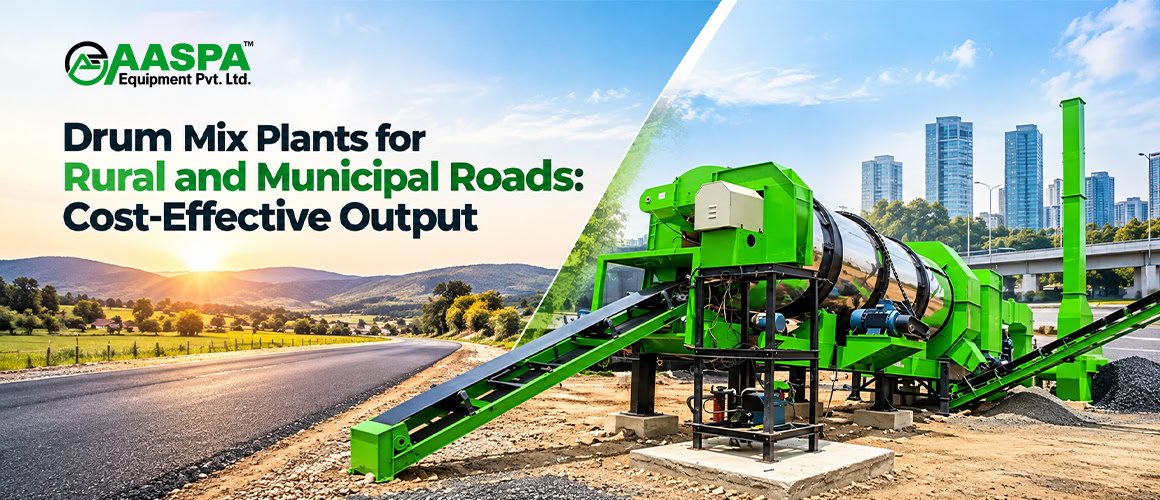
Discover how drum mix plants support cost-effective asphalt production for rural and municipal road construction projects.
The steady hum of asphalt production plants is a familiar sound in the world of infrastructure development. Among the various technologies employed for creating the durable surfaces that facilitate travel and commerce, drum mix plants have emerged as a particularly versatile and cost-effective solution, especially for the distinct challenges presented by rural and municipal road networks. These robust machines offer a compelling blend of efficiency, quality, and economic viability, making them an indispensable asset for projects ranging from remote country lanes to bustling urban thoroughfares. Their ability to deliver consistent output with optimized resource utilization makes them a cornerstone of modern road construction.
Understanding Drum Mix Plants: An Overview
At its core, a drum mix plant is a continuous flow asphalt mixing facility designed to produce hot mix asphalt (HMA) at high volumes. Unlike batch plants, which mix components in discrete batches, drum mix plants operate by continuously feeding aggregates, binder (asphalt cement), and other additives into a rotating drum. Within this drum, the aggregates are simultaneously dried, heated, and mixed with the binder. This continuous process allows for a steady output of asphalt, making them highly efficient for large-scale projects.
The Mechanism of Operation
The operational sequence of a drum mix plant begins with the cold feed system, where various sizes of aggregates are stored in bins and then precisely metered onto a conveyor belt. This belt transports the aggregates into the rotating drying and mixing drum. Inside the drum, a powerful burner introduces hot gases, which rapidly dry the aggregates and bring them to the desired temperature. Simultaneously, the heated aggregates are coated with a carefully measured quantity of liquid asphalt cement, which is sprayed into the drum through a nozzle system. As the drum rotates, the aggregates and binder are thoroughly agitated and blended, ensuring a uniform and homogeneous hot mix asphalt. This continuous tumbling action is critical to achieving the desired material properties.
Key Components of a Drum Mix Plant
A typical drum mix plant comprises several interconnected components, each playing a vital role in the production process. The cold feed bins, typically three to six in number, house different aggregate sizes and are equipped with variable speed feeders to control the proportion of each aggregate. A conveyor belt transports these aggregates to the drying and mixing drum, the heart of the plant. A powerful burner system, usually fueled by diesel or natural gas, provides the heat necessary for drying and heating the aggregates. The asphalt cement is stored in heated tanks and pumped to the drum at a precise flow rate. A control panel, often computerized, monitors and regulates all aspects of the production, from aggregate feed rates to burner temperature and asphalt cement flow. Finally, a discharge chute directs the finished HMA onto waiting trucks for transportation to the paving site. Modern plants also incorporate dust collection systems to minimize environmental impact.
Benefits of Using Drum Mix Plants for Rural Road Construction
Rural road construction often presents unique challenges, including limited access to resources, varied aggregate availability, and the need for cost-effective solutions for lower traffic volumes. Drum mix plants are particularly well-suited to address these specific demands. Their ability to be more readily relocated and their generally lower initial investment compared to larger batch plants make them an attractive option for projects in remote areas.
Enhanced Mobility and Setup
One of the significant advantages for rural projects is the relatively enhanced mobility of many drum mix plant configurations. While not truly mobile in the sense of being self-propelled, many models are designed for quicker assembly and disassembly, allowing them to be transported to more remote locations and set up with greater efficiency than their larger batch plant counterparts. This reduced setup time translates directly into cost savings and allows for projects to commence more swiftly, a crucial factor when working with limited construction seasons or tight deadlines. The modular design of many modern drum mix plants further facilitates this mobility.
Cost-Effectiveness for Lower Volume Requirements
Rural roads, by their nature, often have lower traffic volumes compared to urban arterial roads. This means that the sheer scale of asphalt production required is typically lower. Drum mix plants, with their continuous output, can efficiently meet these moderate volume requirements without the significant capital expenditure associated with very large batch plants. Their operational efficiency in producing smaller to medium quantities of HMA makes them a financially sound choice for a network of rural roads. The ability to minimize waste through continuous, on-demand production also contributes to their economic viability.
Quality and Consistency in Remote Areas
Despite the potentially remote nature of rural projects, the demand for high-quality, durable road surfaces remains paramount. Drum mix plants are capable of producing a consistent and high-quality asphalt mix, provided the input materials are well-controlled and the plant is properly calibrated. The continuous mixing action within the drum ensures a thorough coating of aggregates with binder, leading to a homogeneous mix that performs well under various environmental conditions. This consistency is crucial for ensuring the longevity and structural integrity of rural roads, minimizing the need for frequent repairs and maintenance.
Cost-Effective Solutions for Municipal Road Projects
Municipalities, much like rural areas, face the dual challenge of maintaining and expanding their road networks within budgetary constraints. Drum mix plants offer compelling cost-effective solutions for these urban environments, balancing the need for quality with economic practicality.
Optimized Production for Urban Demand
Urban road projects often require a steady, but not necessarily overwhelming, supply of hot mix asphalt. Drum mix plants are ideally suited to meet this kind of demand. Their continuous production capability minimizes downtime and maximizes output efficiency, ensuring that paving crews have a constant supply of material. This uninterrupted flow of asphalt reduces logistical complexities and allows for more efficient paving operations, which is particularly beneficial in congested urban settings where project timelines are often critical. The consistent availability of HMA means fewer delays and more productive workdays.
Reduced Operational Costs
From an operational standpoint, drum mix plants can offer significant cost savings for municipal projects. Their design often features fewer moving parts than traditional batch plants, which can translate into lower maintenance requirements and reduced spare parts inventory. Furthermore, the continuous drying and mixing process is generally energy-efficient, as it utilizes the heat from the burner directly for both drying and mixing, thereby minimizing heat loss. This energy efficiency contributes to lower fuel costs, a major component of asphalt production expenses. The streamlined operation also often requires a smaller crew, further reducing labor costs.
Flexibility for Varied Project Sizes
Municipal road networks encompass a wide array of projects, from small repair patches and utility cuts to resurfacing entire streets or building new access roads. Drum mix plants offer the flexibility to handle this varied demand. While they excel at continuous, higher volume production, many models can also be operated efficiently for smaller runs, adjusting their output to match specific project requirements. This versatility ensures that municipalities can leverage a single plant for a broad spectrum of paving needs, rather than investing in multiple types of asphalt production equipment, thus optimizing their capital expenditure.
Enhancing Road Quality with Advanced Mix Plant Technology
|
Metric |
Traditional Mix Plant |
Advanced Mix Plant Technology |
Improvement |
|
Mixing Precision (%) |
85 |
98 |
+13% |
|
Production Capacity (tons/hour) |
120 |
180 |
+50% |
|
Material Waste Reduction (%) |
10 |
3 |
-7% |
|
Energy Consumption (kWh/ton) |
25 |
18 |
-28% |
|
Road Durability (years) |
8 |
15 |
+87.5% |
|
Mixing Time (minutes) |
10 |
6 |
-40% |
|
Emission Reduction (%) |
0 |
30 |
+30% |
Modern drum mix plants are no longer just basic aggregate heaters and mixers. Technological advancements have significantly enhanced their capabilities, leading to superior asphalt mixes and ultimately, higher quality roads. These innovations address everything from material input to environmental impact.
Precise Control and Automation
Contemporary drum mix plants incorporate sophisticated control systems and automation. Computerized control panels allow operators to precisely monitor and adjust key parameters such as aggregate feed rates, burner temperature, asphalt cement injection, and additive percentages. This level of precision ensures that the mix design is consistently met, leading to a uniform and high-quality product. Automation reduces the potential for human error and ensures repeatable results, critical for achieving desired pavement performance and extending road life. Data logging capabilities also allow for detailed record-keeping and quality assurance.
Incorporating Recycled Materials
A significant advancement in drum mix plant technology is their ability to effectively incorporate recycled asphalt pavement (RAP) and other recycled materials. Many modern plants are equipped with dedicated RAP feed systems that introduce recycled aggregates into the mixing drum without compromising the quality of the final product. This not only offers an environmentally sustainable approach by reducing landfill waste but also provides a cost advantage by reducing the demand for virgin aggregates and binder. The proper introduction and heating of RAP require careful engineering, and advanced drum mix plants are designed to handle this efficiently.
Emissions Reduction and Environmental Compliance
Environmental considerations are paramount in modern construction. Advanced drum mix plants are designed with features to minimize their environmental footprint. State-of-the-art dust collection systems, including baghouses, effectively capture particulate matter, significantly reducing air pollution. Burners are engineered for efficient combustion, minimizing emissions of harmful gases. Noise reduction measures are also often incorporated, making these plants more acceptable in urban and populated areas. Adherence to strict environmental regulations is a key design criterion for contemporary drum mix plant manufacturers.
Key Factors Influencing the Cost Efficiency of Drum Mix Plants
While drum mix plants are inherently cost-effective, several key factors directly impact their overall economic efficiency. Understanding and managing these elements is crucial for maximizing the return on investment and ensuring project profitability.
Material Sourcing and Logistics
The cost of aggregates and asphalt cement forms the largest component of hot mix asphalt production. Therefore, the proximity of the plant to aggregate quarries and asphalt binder suppliers significantly influences the overall cost. Minimizing transportation distances for raw materials directly reduces logistics costs. Furthermore, the availability and cost of suitable aggregates can vary widely, impacting the choice of plant location and the overall project budget. Efficient material handling systems within the plant also contribute to cost-effectiveness by minimizing waste and optimizing flow.
Fuel and Energy Consumption
The burner in a drum mix plant is a major energy consumer, primarily using diesel or natural gas. The efficiency of the burner system, insulation of the drum, and overall plant design directly impact fuel consumption. Regular maintenance and calibration of the burner ensure optimal combustion and minimize energy waste. Monitoring global fuel prices and exploring alternative, more cost-effective energy sources can also contribute to significant savings over the plant’s operational lifetime. Modern plants often incorporate energy-saving features to reduce this substantial operating expense.
Maintenance and Downtime
Like any heavy machinery, drum mix plants require regular maintenance to operate efficiently and prevent costly breakdowns. A robust preventative maintenance program is essential for maximizing uptime and extending the lifespan of critical components. Unscheduled downtime due to equipment failure can lead to significant financial losses, not only from repair costs but also from project delays and idle labor. Investing in quality spare parts and having skilled maintenance personnel readily available are critical for ensuring continuous, cost-efficient operation.
Skill and Experience of Operators
The efficiency of a drum mix plant is heavily reliant on the skill and experience of its operators. Proficient operators can optimize production rates, ensure consistent mix quality, minimize fuel consumption, and quickly diagnose and address minor issues before they escalate. Proper training and ongoing professional development for the plant operating crew are investments that yield significant returns in terms of efficiency, output, and reduced operational costs. An experienced operator can make subtle adjustments that significantly impact the plant’s overall economic performance.
Implementing Drum Mix Plants in Rural and Municipal Infrastructure Development
The successful integration of drum mix plants into infrastructure development strategies, particularly for rural and municipal roads, requires careful planning, strategic investment, and a commitment to quality. Their role extends beyond mere asphalt production; they are a vital component of sustainable and efficient road networks.
Strategic Location Planning
For both rural and municipal projects, the strategic location of a drum mix plant is paramount. For rural areas, this might mean positioning the plant centrally to several ongoing projects to minimize transportation distances for the finished asphalt. For municipalities, a permanent or semi-permanent plant located near major road networks or aggregate sources can significantly reduce logistical challenges and costs. Considerations include access to utilities, environmental regulations for the chosen site, and proximity to transportation routes for raw materials and finished products.
Investment in Modern Technology
While initial capital costs are a factor, investing in modern drum mix plant technology often pays dividends in the long run. Advanced features such as automation, precise control systems, and the ability to incorporate recycled materials lead to higher quality asphalt, reduced operational costs, and greater environmental compliance. The long-term benefits of enhanced road durability, fewer repairs, and a reduced carbon footprint often outweigh the higher upfront investment in state-of-the-art equipment. This forward-looking approach ensures sustainable infrastructure development.
Long-Term Maintenance and Quality Assurance
The successful implementation of drum mix plants is intrinsically linked to a commitment to long-term maintenance and rigorous quality assurance. Regular calibration of plant components, consistent testing of raw materials, and continuous monitoring of the hot mix asphalt produced are essential to ensure that the final road surface meets all specifications and performance criteria. A comprehensive quality control program, extending from the plant to the paving site, is crucial for delivering durable and reliable roads that serve the community effectively for decades to come. This commitment ensures that the investment in a drum mix plant translates into enduring infrastructure assets.
FAQs
- What is a drum mix plant and how is it used in road construction?
A drum mix plant is a type of asphalt mixing plant that continuously mixes aggregate and bitumen to produce hot mix asphalt. It is commonly used in rural and municipal road construction projects to create durable and high-quality road surfaces efficiently.
- What are the benefits of using drum mix plants for rural road construction?
Drum mix plants offer several benefits for rural road construction, including cost-effectiveness, continuous production, ease of operation, and the ability to produce consistent asphalt mixes. These advantages help improve road quality while reducing construction time and expenses.
- How do drum mix plants provide cost-effective solutions for municipal road projects?
Drum mix plants reduce costs in municipal road projects by enabling continuous mixing, minimizing fuel consumption, and lowering labor requirements. Their efficient design and technology also reduce material waste, contributing to overall project savings.
- What advanced technologies in drum mix plants enhance road quality?
Advanced drum mix plants incorporate features such as precise temperature control, automated mixing processes, and improved emission controls. These technologies ensure uniform asphalt quality, better compaction, and environmentally friendly operations, leading to enhanced road durability.
- What factors influence the cost efficiency of drum mix plants in infrastructure development?
Key factors affecting cost efficiency include plant capacity, fuel type and consumption, maintenance requirements, location of the plant relative to the construction site, and the quality of raw materials used. Proper planning and selection based on these factors optimize the economic benefits of drum mix plants.