
Cost Comparison: Automated Vs. Manual Road Equipment
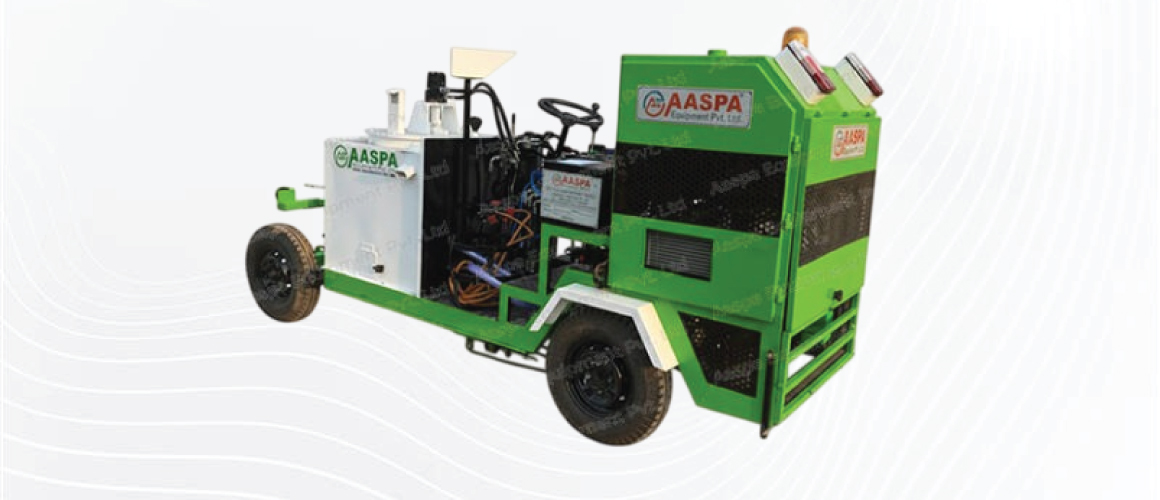
Automated road equipment, such as self-driving pavers and intelligent compaction machines, has revolutionized the construction industry by significantly enhancing efficiency and productivity. These advanced machines are equipped with cutting-edge technology that allows them to operate with precision and accuracy, resulting in faster completion of projects. In contrast, manual road equipment relies heavily on human labor, which can lead to inconsistencies in performance and productivity.
For instance, a self-driving paver can lay asphalt at a consistent speed and thickness, ensuring uniformity throughout the road surface, while a manual paver may be prone to variations in speed and quality due to human factors. Furthermore, automated road equipment can operate continuously without the need for breaks or rest, leading to uninterrupted workflow and increased productivity. In comparison, manual road equipment is subject to the limitations of human labor, including fatigue, breaks, and varying skill levels, which can impact the overall efficiency of the construction process.
Therefore, when evaluating the costs of automated versus manual road equipment, it is essential to consider the significant impact of efficiency and productivity on the overall project timeline and financial outcomes.
Labor costs represent a substantial portion of the overall expenses in road construction projects.
When comparing automated and manual road equipment, it is crucial to analyze the financial implications of labor costs associated with each option. Automated road equipment reduces dependency on manual labor, leading to potential savings in labor expenses.
Self-driving machines and automated systems can perform tasks that would otherwise require multiple workers, thereby reducing the need for a large workforce and minimizing labor-related costs. In contrast, manual road equipment heavily relies on skilled labor, which can be costly due to wages, benefits, and training expenses. Additionally, manual labor is susceptible to human errors and inconsistencies, which can result in rework and additional costs.
By transitioning to automated road equipment, construction companies can optimize their labor costs by leveraging advanced technology to streamline operations and minimize the reliance on manual labor. Therefore, when considering the financial impact of automated versus manual road equipment, the reduction in labor costs is a significant factor that contributes to the overall cost comparison.
Key Takeaways
- Automated road equipment can result in lower labor costs due to reduced manpower requirements
- Initial investment in automated road equipment may be higher, but long-term maintenance expenses are generally lower
- Automated road equipment can lead to significant time and cost savings in construction projects
- Technology integration in automated road equipment can provide financial benefits through improved efficiency and productivity
- Automated road equipment can offer cost-effective solutions while also reducing environmental impact in construction projects
Maintenance Expenses: Evaluating the Long-Term Costs of Automated and Manual Road Equipment
Maintenance expenses play a crucial role in determining the long-term costs of road equipment in construction projects. Automated road equipment is designed with advanced engineering and technology that often results in lower maintenance requirements compared to manual equipment. Self-driving machines and automated systems are built to withstand rigorous operational demands while maintaining optimal performance, thereby reducing the frequency of maintenance and repair needs.
On the other hand, manual road equipment necessitates regular maintenance to ensure operational efficiency and longevity. Components such as engines, hydraulics, and mechanical parts require ongoing maintenance and periodic replacements due to wear and tear from continuous use. These maintenance activities contribute to additional costs in terms of labor, parts, and downtime during repairs.
By evaluating the long-term maintenance expenses associated with automated versus manual road equipment, construction companies can make informed decisions regarding the cost-effectiveness of each option over the equipment’s lifecycle.
The initial investment required for acquiring automated or manual road equipment is a critical consideration for construction companies.
Automated road equipment typically commands a higher upfront investment due to its advanced technology, precision engineering, and innovative features. Self-driving pavers, intelligent compaction machines, and robotic surveying systems are examples of high-tech automated equipment that entail substantial initial costs.
However, these investments are justified by the long-term benefits in terms of efficiency, productivity, and reduced operational expenses. In contrast, manual road equipment generally involves lower initial investment costs compared to their automated counterparts. Traditional pavers, compactors, and grading machines are examples of manual equipment that are relatively more affordable at the outset.
However, it is essential to weigh these upfront costs against the long-term operational expenses and potential productivity gains when evaluating the overall financial impact of automated versus manual road equipment.
Project Timeline: Examining the Time and Cost Savings of Automated Road Equipment
The project timeline is a critical factor in construction projects as it directly impacts costs and resource allocation. Automated road equipment offers significant time savings due to its ability to operate with precision, consistency, and efficiency. Self-driving machines can work continuously without breaks or fatigue, leading to accelerated project timelines and reduced labor hours.
Additionally, advanced technology integrated into automated equipment enables real-time data collection and analysis, facilitating proactive decision-making and streamlined project management. In contrast, manual road equipment may result in longer project timelines due to factors such as human limitations, varying skill levels, and potential rework requirements. The reliance on manual labor can introduce inefficiencies that prolong project durations and increase overall costs.
By examining the time and cost savings associated with automated road equipment, construction companies can make informed assessments of the financial benefits derived from accelerated project completion and optimized resource utilization.
Technology Integration: Exploring the Financial Benefits of Automated Road Equipment in Construction
|
Equipment Type |
Financial Benefit |
|
Automated Excavators |
Reduced labor costs |
|
Automated Bulldozers |
Increased efficiency |
|
Automated Pavers |
Improved accuracy |
|
Automated Compactors |
Reduced material waste |
The integration of advanced technology in automated road equipment presents significant financial benefits for construction projects. Self-driving machines and intelligent systems leverage cutting-edge technologies such as GPS guidance, telematics, and machine learning algorithms to enhance operational efficiency and performance. These technological advancements enable precise control, data-driven decision-making, and automation of complex tasks, resulting in improved productivity and cost savings.
Furthermore, the integration of technology in automated road equipment facilitates seamless communication and coordination within construction operations. Real-time data sharing, remote monitoring capabilities, and predictive maintenance features contribute to streamlined workflows and optimized resource allocation. By exploring the financial benefits of technology integration in automated road equipment, construction companies can capitalize on enhanced operational capabilities while maximizing cost-effectiveness throughout project execution.
The environmental impact of road construction equipment is a crucial aspect that influences cost-effectiveness and sustainability. Automated road equipment often incorporates eco-friendly features such as energy-efficient engines, reduced emissions, and optimized fuel consumption. These environmental considerations align with regulatory standards and sustainability goals while contributing to long-term cost savings through reduced fuel expenses and lower environmental compliance costs.
In contrast, manual road equipment may have a higher environmental footprint due to fuel consumption, emissions, and noise pollution associated with traditional machinery. Additionally, manual operations may result in inefficiencies that lead to wastage of resources and materials, further impacting the environmental and financial aspects of construction projects. By considering the cost-effectiveness of automated versus manual road equipment from an environmental perspective, construction companies can prioritize sustainable practices while realizing potential financial benefits through reduced environmental impact.
In conclusion, the cost comparison between automated and manual road equipment encompasses various factors that influence financial outcomes in construction projects.
Efficiency and productivity, labor costs, maintenance expenses, initial investment, project timeline, technology integration, and environmental impact are critical considerations that shape the overall cost-effectiveness of each equipment type.
By carefully evaluating these factors and their respective financial implications, construction companies can make informed decisions regarding the adoption of automated road equipment to optimize operational efficiency while maximizing cost savings over the equipment’s lifecycle.
FAQs
What are the main differences between automated and manual road equipment in terms of efficiency and productivity?
Automated road equipment is designed to perform tasks with greater precision and speed compared to manual equipment, leading to increased efficiency and productivity on construction sites.
How do labor costs compare between automated and manual road equipment?
Automated road equipment can reduce labor costs by requiring fewer workers to operate, leading to potential cost savings for construction companies.
What are the long-term maintenance expenses associated with automated and manual road equipment?
While automated road equipment may have higher initial maintenance costs, it can often result in lower long-term expenses due to reduced wear and tear compared to manual equipment.
What are the upfront costs of investing in automated vs. manual road equipment?
Automated road equipment generally requires a higher initial investment compared to manual equipment, but it can lead to cost savings over time due to increased efficiency and productivity.
How do project timelines differ between automated and manual road equipment?
Automated road equipment can significantly reduce project timelines by completing tasks more quickly and accurately, potentially resulting in cost savings for construction projects.
What are the financial benefits of integrating technology into road equipment in construction?
Integrating technology into road equipment, such as automation and GPS systems, can lead to cost savings through improved efficiency, reduced labor costs, and more accurate project planning.
What is the cost-effectiveness of automated vs. manual road equipment in terms of environmental impact?
Automated road equipment can contribute to cost-effectiveness by reducing fuel consumption, emissions, and environmental impact compared to manual equipment, potentially leading to long-term cost savings.