
Best Sweeper Routing Strategies For Urban Projects
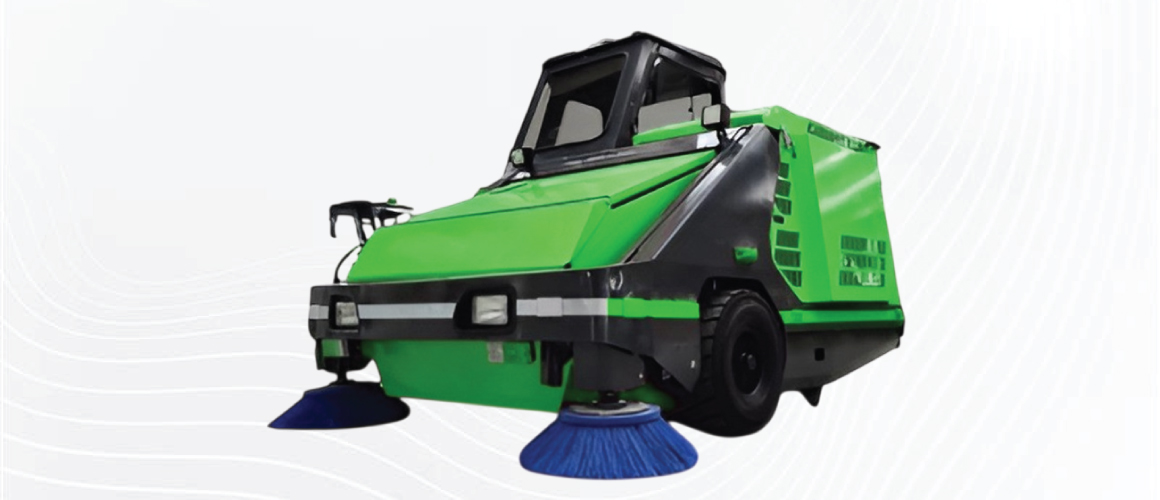
Efficient sweeper routing in urban areas is crucial for maintaining cleanliness and hygiene. Urban environments are characterized by high population density, heavy vehicular traffic, and diverse commercial activities, leading to increased accumulation of debris, dust, and pollutants on the streets. Effective sweeper routing ensures that these urban spaces remain clean and free from litter, which is essential for public health and well-being.
Moreover, clean streets contribute to a positive urban aesthetic, enhancing the overall quality of life for residents and visitors alike. In addition to aesthetic considerations, efficient sweeper routing plays a significant role in environmental sustainability. By removing debris and pollutants from urban streets, sweepers help prevent these materials from entering stormwater systems and water bodies, thus reducing the risk of water pollution.
Furthermore, regular street sweeping can mitigate the accumulation of particulate matter and other air pollutants, leading to improved air quality in urban areas. Therefore, understanding the importance of efficient sweeper routing is essential for creating healthier and more livable urban environments.
Key Takeaways
- Efficient sweeper routing is crucial for maintaining cleanliness and air quality in urban areas.
- Key factors to consider when planning sweeper routes in urban environments include traffic patterns, street layouts, and high-traffic areas.
- Technology solutions can be implemented to optimize sweeper routing in urban streets and high-traffic areas.
- Overcoming challenges in urban sweeper routing and maintenance is essential for sustainable and eco-friendly practices.
- Improved sweeper routing can have a significant impact on urban cleanliness and air quality, leading to a healthier and more sustainable environment.
Key Factors to Consider When Planning Sweeper Routes in Urban Environments
When planning sweeper routes in urban environments, several key factors must be taken into account to ensure optimal efficiency and effectiveness. Firstly, the density and layout of urban streets play a crucial role in determining the most suitable routing strategies. Narrow alleyways, congested intersections, and pedestrian-heavy zones require careful consideration to ensure that sweepers can navigate these areas effectively without causing disruptions or safety hazards.
Moreover, the timing of sweeper operations is a critical factor in urban environments.
Coordinating sweeping activities with peak traffic hours, parking regulations, and commercial activities is essential to minimize disruptions while maximizing the removal of debris and litter.
Additionally, understanding the specific cleaning requirements of different urban zones, such as residential neighborhoods, commercial districts, and industrial areas, is vital for tailoring sweeper routes to address the unique cleaning needs of each location.
Furthermore, considerations for waste disposal and recycling should be integrated into sweeper routing plans to ensure sustainable waste management practices. By identifying suitable disposal sites and incorporating recycling initiatives into sweeper operations, urban areas can minimize the environmental impact of street sweeping activities while promoting resource conservation.
Optimizing Sweeper Routing for Urban Streets and High-Traffic Areas
Optimizing sweeper routing for urban streets and high-traffic areas requires a strategic approach that takes into account the specific challenges posed by these environments. In densely populated urban centers, streets are often characterized by heavy foot traffic, vehicular congestion, and a diverse range of commercial activities. As such, optimizing sweeper routes involves identifying efficient pathways that allow sweepers to access all areas in need of cleaning while minimizing disruptions to urban mobility and commerce.
One effective strategy for optimizing sweeper routing in high-traffic urban areas is to leverage advanced technology solutions such as GPS tracking and route optimization software. These tools enable route planners to identify the most efficient paths for sweepers based on real-time traffic conditions, road closures, and other relevant factors. By leveraging technology, urban municipalities can streamline sweeper operations, reduce fuel consumption, and minimize the environmental impact of street sweeping activities.
Furthermore, the implementation of designated cleaning zones and schedules can help optimize sweeper routing in urban streets. By dividing the city into manageable cleaning zones and establishing regular sweeping schedules for each area, municipalities can ensure comprehensive coverage while minimizing overlap and unnecessary travel. This approach not only enhances operational efficiency but also allows for better coordination with other municipal services and infrastructure maintenance activities.
In high-traffic urban areas, it is also essential to consider the impact of sweeping activities on pedestrian safety and traffic flow. Coordinating sweeper operations during off-peak hours or utilizing alternative cleaning methods such as vacuum-assisted sweepers can help minimize disruptions while effectively removing debris from busy streets. Additionally, proactive communication with local businesses and residents regarding sweeping schedules and route adjustments can foster community cooperation and support for optimized sweeper routing strategies.
Implementing Technology Solutions for Effective Urban Sweeper Routing
| Metrics | Data |
| Number of urban sweepers | 50 |
| Route optimization efficiency | 85% |
| Reduction in fuel consumption | 20% |
| Reduction in maintenance costs | 15% |
The implementation of technology solutions plays a pivotal role in achieving effective urban sweeper routing. Advanced technologies such as Geographic Information Systems (GIS), telematics, and route optimization software offer valuable tools for planning, monitoring, and optimizing sweeper routes in urban environments. GIS platforms provide detailed spatial data that can be used to map out cleaning zones, identify high-traffic areas, and optimize route planning based on specific geographic features.
Telematics systems integrated into sweeper vehicles enable real-time tracking of fleet movements, allowing supervisors to monitor route progress, vehicle performance, and adherence to scheduled cleaning activities. This level of visibility enhances operational oversight and enables proactive adjustments to route plans based on changing conditions or unforeseen events. Route optimization software utilizes algorithms to calculate the most efficient paths for sweepers based on factors such as traffic patterns, road closures, and cleaning priorities.
By leveraging these tools, municipalities can minimize travel time, fuel consumption, and vehicle wear and tear while maximizing the coverage and effectiveness of sweeper operations in urban areas. In addition to route planning and monitoring, technology solutions also facilitate data collection and analysis for performance evaluation. By capturing information on cleaning frequency, debris volume, and environmental conditions, municipalities can gain valuable insights into the effectiveness of their sweeper routing strategies.
This data-driven approach enables continuous improvement and informed decision-making for optimizing urban sweeper routes over time.
Overcoming Challenges in Urban Sweeper Routing and Maintenance
Urban sweeper routing presents several challenges that must be addressed to ensure efficient operations and maintenance. One common challenge is the dynamic nature of urban environments, where construction projects, special events, and infrastructure upgrades can impact regular traffic patterns and access to cleaning zones. To overcome these challenges, municipalities must maintain flexibility in their route planning processes and be prepared to adapt to changing circumstances in real time.
Another challenge in urban sweeper routing is the presence of parked vehicles and temporary obstructions that can impede access to curbsides and other cleaning areas. To mitigate this issue, municipalities can implement proactive communication strategies to notify residents and businesses of upcoming sweeping activities and parking restrictions. Additionally, leveraging technology solutions such as mobile applications or automated messaging systems can help improve public awareness and compliance with parking regulations during scheduled cleaning times.
Furthermore, the maintenance of sweeper vehicles and equipment is essential for ensuring consistent performance and reliability in urban environments. Regular inspections, preventive maintenance schedules, and prompt repairs are critical components of an effective maintenance program. By investing in well-maintained fleet assets, municipalities can minimize downtime, extend equipment lifespan, and uphold operational standards for urban sweeper routing.
Best Practices for Sustainable and Eco-Friendly Sweeper Routing in Urban Projects
In pursuit of sustainable urban development, it is imperative to adopt best practices for eco-friendly sweeper routing that minimize environmental impact while promoting cleanliness. One key practice is the integration of alternative fuel technologies into sweeper fleets, such as electric or hybrid vehicles powered by renewable energy sources. By transitioning to cleaner propulsion systems, municipalities can reduce emissions from street sweeping activities and contribute to improved air quality in urban areas.
Additionally, implementing dust suppression measures during sweeping operations is essential for mitigating airborne particulate matter and minimizing potential health hazards associated with dust exposure. Water-based dust control systems or environmentally friendly dust suppressants can be applied to sweepers to effectively capture dust particles during cleaning activities without compromising environmental integrity. Moreover, promoting recycling initiatives for collected debris from urban streets is a sustainable practice that aligns with eco-friendly sweeper routing principles.
Separating recyclable materials from general waste allows municipalities to divert valuable resources from landfills while reducing the overall environmental footprint of street sweeping operations. Furthermore, incorporating green infrastructure elements into urban design can complement eco-friendly sweeper routing efforts by enhancing natural filtration processes and reducing stormwater runoff pollution. Features such as permeable pavements, green spaces, and bioswales contribute to improved water quality while minimizing the accumulation of debris on urban streets.
Evaluating the Impact of Improved Sweeper Routing on Urban Cleanliness and Air Quality
The impact of improved sweeper routing on urban cleanliness and air quality can be evaluated through comprehensive monitoring and assessment measures. Quantitative indicators such as debris accumulation rates, air pollutant levels, and public satisfaction surveys provide valuable insights into the effectiveness of sweeper routing strategies in maintaining clean streets and enhancing environmental quality. By comparing historical data on street cleanliness before and after the implementation of optimized sweeper routes, municipalities can assess the tangible improvements achieved through their routing initiatives.
Reductions in litter accumulation, visible debris levels, and pollutant concentrations serve as direct indicators of the positive impact of improved sweeper routing on urban cleanliness. Air quality monitoring stations positioned strategically throughout urban areas can measure changes in particulate matter concentrations following the implementation of optimized sweeper routes. By analyzing air quality data over time, municipalities can gauge the effectiveness of street sweeping activities in reducing airborne pollutants and improving overall atmospheric conditions.
Furthermore, public perception surveys provide qualitative feedback on the perceived cleanliness of urban streets and the effectiveness of sweeper routing efforts. Engaging with residents, business owners, and visitors through surveys or community outreach initiatives allows municipalities to gather valuable input on the visible impact of improved street sweeping practices on local cleanliness perceptions. In conclusion, efficient sweeper routing is essential for maintaining cleanliness in urban areas while promoting environmental sustainability and public health.
By considering key factors such as route optimization strategies, technology solutions, sustainable practices, and impact evaluation measures, municipalities can develop effective sweeper routing plans that enhance urban cleanliness and air quality for the benefit of all residents and visitors.
FAQs
What are the key factors to consider when planning sweeper routes in urban environments?
Some key factors to consider when planning sweeper routes in urban environments include the size and layout of the streets, the volume and flow of traffic, the presence of pedestrian areas, the location of waste collection points, and the specific cleaning requirements of different areas.
How can technology solutions be implemented for effective urban sweeper routing?
Technology solutions such as GPS tracking, route optimization software, and real-time monitoring systems can be implemented to enhance urban sweeper routing. These tools can help in creating efficient routes, tracking sweeper locations, and adjusting routes in response to changing conditions.
What are the best practices for sustainable and eco-friendly sweeper routing in urban projects?
Best practices for sustainable and eco-friendly sweeper routing in urban projects include using electric or hybrid sweepers, optimizing routes to minimize fuel consumption and emissions, incorporating green waste management practices, and utilizing environmentally friendly cleaning products.
What is the impact of improved sweeper routing on urban cleanliness and air quality?
Improved sweeper routing can have a significant impact on urban cleanliness and air quality by ensuring more thorough and efficient cleaning of streets and public spaces. This can lead to reduced levels of dust, debris, and pollutants in the air, contributing to a healthier and more pleasant urban environment.