
Choosing the Right Bitumen Sprayer for Highway Projects
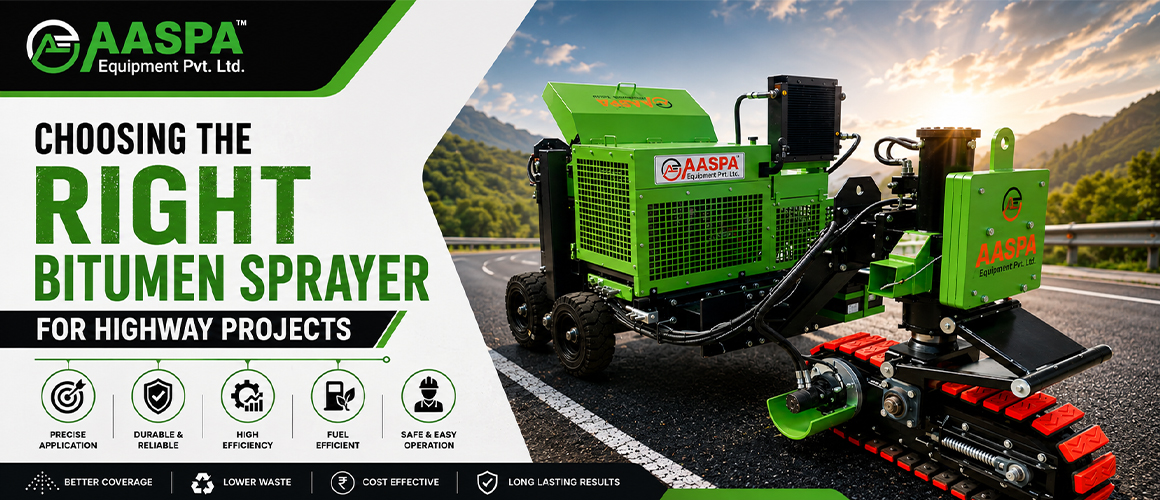
When tackling highway projects, choosing the right bitumen sprayer is more than just a preference; it’s a critical decision that directly impacts the efficiency, quality, and longevity of your work. The right sprayer ensures uniform application, minimizes waste, and helps you meet project deadlines without a hitch. Without doubt, picking the best sprayer makes all the difference in getting the job done well.
Understanding the Different Types of Bitumen Sprayers
Bitumen sprayers come in various forms, each designed for specific needs and project scales. Knowing these distinctions is the first step to making an informed choice.
Manual Bitumen Sprayers
These are generally smaller, often hand-operated units, perfect for patching small areas, sealing cracks, or working on access roads where a large machine isn’t practical. They’re more about precision in smaller applications than high volume.
Truck-Mounted Bitumen Sprayers
These are the workhorses of highway construction. As the name suggests, they’re mounted on a truck chassis, offering mobility and capacity for larger projects. They come with various tank sizes and spray bar configurations.
Trailer-Mounted Bitumen Sprayers
Similar in capacity to truck-mounted units, trailer-mounted sprayers offer flexibility. You can hitch them to a variety of prime movers, which can be useful if you have a diverse fleet of vehicles and want to optimize their usage.
Self-Propelled Bitumen Sprayers
These are integrated machines designed solely for spraying bitumen. They often feature advanced control systems and can be highly efficient for continuous, large-scale operations, offering excellent maneuverability within a construction site.
Factors to Consider When Selecting a Bitumen Sprayer for Highway Projects
Several key elements should guide your decision-making process when you’re looking for a bitumen sprayer. Think about your typical project size, the types of surfaces you’ll be working on, and your overall operational budget.
Project Scale and Capacity Requirements
For a major highway expansion, you’ll need a sprayer with a large tank capacity and a wide spray bar. Smaller patch-up jobs, however, might only need a more compact, maneuverable unit that can get in and out quickly. Matching the sprayer’s capacity to your average project size will prevent wasted time refilling small tanks or overspending on an oversized machine you rarely use to its full potential.
Type of Bitumen and Emulsions Used
Different sprayers are optimized for different types of bitumen and emulsions. Some are better at handling thicker materials, while others are designed for precision with lighter emulsions. Make sure the sprayer you choose is compatible with the specific materials you plan to use routinely. This ensures proper application and avoids potential equipment damage or substandard results from using the wrong material with the wrong machine.
Operating Environment and Terrain
Highway projects can present diverse terrains, from flat stretches to inclines and sharp curves. Consider the sprayer’s maneuverability and stability in these conditions. A truck-mounted unit might be ideal for long, straight sections, but a self-propelled or even a smaller trailer unit could be better for more challenging or confined areas, such as interchanges or ramps.
Automation and Control Systems
Modern sprayers offer varying degrees of automation, from basic manual controls to sophisticated computer-controlled systems that precisely regulate spray rates and widths. While automated systems can increase accuracy and reduce human error, they also come with a higher price tag and potentially more complex maintenance. Evaluate whether the precision and efficiency gains from automation justify the additional investment for your typical projects.
Maintenance and Spare Parts Availability
No machine runs forever without needing some TLConsider the ease of maintenance and the availability of spare parts for your chosen sprayer. A machine that’s difficult to service or for which parts are hard to find can lead to costly downtime and project delays. Look for brands with a good reputation for support and readily available components.
Key Features to Look for in a Bitumen Sprayer Machine
Once you’ve narrowed down the type of sprayer, it’s time to dig into the specific features that will make your day-to-day operations smoother and more effective.
Tank Capacity and Material
The tank size is a primary concern, directly dictating how often you’ll need to refill. Beyond size, consider the tank material. Stainless steel tanks are durable and resistant to corrosion, but carbon steel tanks can be a more economical choice, especially if well-maintained. Insulation is also crucial to maintain the bitumen’s temperature.
Heating System Efficiency
Bitumen needs to be kept at a specific temperature for effective spraying. Look for a heating system that is efficient, reliable, and quick to reach and maintain the target temperature. Good thermal insulation on the tank and pipes is also vital to minimize heat loss and fuel consumption.
Spray Bar Width and Adjustable Nozzles
The spray bar width directly impacts how wide a section you can cover in a single pass. Sprayers with adjustable sections or extendable spray bars offer greater flexibility for various lane widths or when maneuvering around obstacles. Adjustable nozzles allow for precise control over the spray pattern and application rate.
Pump Type and Capacity
The pump is the heart of the sprayer. It determines the pressure and flow rate of the bitumen. Different pump types, such as gear pumps or hydraulic pumps, offer various advantages in terms of reliability, maintenance, and handling different material viscosities. Ensure the pump capacity matches your desired application rates.
Control System and User Interface
A user-friendly control system simplifies operation and reduces the learning curve for your crew. Digital displays, intuitive controls, and diagnostic features can greatly enhance efficiency and troubleshooting. For more advanced projects, look for GPS integration for precise documentation and application mapping.
Agitation System
To prevent bitumen from settling or cooling unevenly, an effective agitation system is essential. This ensures a consistent material temperature and composition, which is critical for a uniform spray.
Comparing Bitumen Sprayer Models for Highway Construction
|
Bitumen Sprayer Model |
Capacity (liters) |
Spray Bar Width (meters) |
Heating System |
Control System |
|
Model A |
4000 |
2.5 |
Oil Jacketed |
Manual |
|
Model B |
6000 |
3.0 |
Direct Heating |
Automatic |
|
Model C |
8000 |
3.5 |
Oil Jacketed |
Automatic |
When you’re ready to look at specific models, it’s not just about features, but how those features come together to create a reliable and efficient machine.
Performance Indicators and Specifications
Dive into the specifications: maximum spray width, heating time, fuel consumption, and pump output. Compare these against your project requirements. Don’t just look at the highest number, but what’s most appropriate for your average job. A machine with impressive theoretical maximums might be overkill if you rarely push it to its limits.
Manufacturer Reputation and Support
A reputable manufacturer often means better build quality, more reliable components, and superior after-sales support. Check reviews, talk to other contractors, and inquire about warranty, service network, and spare parts availability. Good support can save you significant headaches down the line.
Cost-Benefit Analysis
Beyond the initial purchase price, consider the total cost of ownership. This includes fuel efficiency, maintenance costs, expected lifespan, and potential resale value. A cheaper upfront option might end up costing more in the long run if it’s unreliable or consumes excessive fuel.
Safety Features and Compliance
Safety should never be an afterthought. Look for features like emergency shut-offs, pressure relief valves, non-slip surfaces, and compliance with relevant safety standards. A safe machine protects your crew and prevents costly accidents.
Tips for Maintaining and Operating Your Bitumen Sprayer
Proper care and operation are crucial for extending the life of your sprayer and ensuring consistent, high-quality results.
Regular Cleaning and Inspection
Bitumen is sticky, and if not cleaned properly, it can quickly harden and clog components. Regular cleaning of the tank, pump, and spray bar is non-negotiable. Inspect hoses, nozzles, and connections for wear or damage before each use.
Calibration and Testing
Incorrect calibration can lead to uneven application and wasted material. Periodically calibrate your sprayer to ensure it’s delivering the correct amount of bitumen at the specified rate. Test the spray pattern to catch any issues with clogged or malformed nozzles.
Proper Storage Procedures
When not in use, store your sprayer in a clean, dry area, protected from extreme weather. Ensure the tank and lines are properly flushed and drained. Following the manufacturer’s storage guidelines will help prevent internal damage and corrosion.
Operator Training and Best Practices
Even the most advanced sprayer is only as good as its operator. Invest in thorough training for your crew on proper operation, safety protocols, and basic troubleshooting. Encourage best practices like maintaining a consistent speed during spraying for uniform coverage.
How to Ensure Efficient and Effective Bitumen Spraying on Highways
Getting the most out of your sprayer isn’t just about the machine; it’s also about a well-thought-out process.
Pre-Spraying Surface Preparation
The best sprayer in the world won’t compensate for poor surface preparation. Ensure the road surface is clean, dry, and free of debris. Any dust or loose aggregates can hinder adhesion and lead to premature failure of the bitumen layer.
Consistent Speed and Pressure
Maintaining a consistent machine speed and spray pressure is paramount for an even application. Variations can result in areas with too much or too little bitumen, both of which compromise the quality of the finish and the performance of the road.
Monitoring and Adjusting Application Rates
On-the-fly monitoring of application rates allows operators to make immediate adjustments. This prevents over-application (which wastes material and can cause bleeding) or under-application (which leads to poor adhesion). Modern sprayers with digital control systems make this much easier.
Weather Conditions Considerations
Bitumen spraying is highly sensitive to weather. Avoid spraying in very cold temperatures, strong winds, or during rain. These conditions can significantly impact the distribution, cooling, and adhesion of the bitumen, leading to poor results. Always check the forecast.
The Importance of Choosing the Right Bitumen Sprayer for Highway Projects
Ultimately, investing the time and effort into selecting the appropriate bitumen sprayer pays dividends far beyond the initial purchase.
Impact on Project Quality and Durability
The quality of bitumen application directly affects the lifespan and performance of a highway. A precisely applied, uniform layer ensures proper bonding, waterproofing, and load distribution, contributing to a more durable and safer road. The right sprayer greatly reduces the risk of flaws that could lead to premature deterioration.
Cost Efficiency and Material Optimization
An efficient sprayer minimizes material waste through accurate application and reduced overspray. This translates directly to cost savings by optimizing bitumen usage, a significant expense in any road project. Fewer errors also mean less rework, saving both time and labor costs.
Project Timelines and Productivity
A reliable and properly chosen bitumen sprayer can significantly speed up project completion. Fewer breakdowns, faster application rates, and consistent performance mean your crew can cover more ground effectively, keeping projects on schedule and avoiding costly delays.
Safety for Workers and Road Users
A well-maintained, feature-rich sprayer contributes to a safer work environment. Reliable heating systems reduce fire risks, while precise controls and sturdy construction minimize mechanical failures. Ultimately, a quality application ensures a safer road for the public, free from inconsistencies that could lead to issues like hydroplaning or premature rutting.
FAQs
- What are the different types of bitumen sprayers available for highway projects?
There are several types of bitumen sprayers available for highway projects, including truck-mounted sprayers, trailer-mounted sprayers, and skid-mounted sprayers. Each type has its own advantages and is suitable for different project requirements.
- What factors should be considered when selecting a bitumen sprayer for highway projects?
When selecting a bitumen sprayer for highway projects, factors such as the project size, required spraying width, heating system, pumping system, and the type of bitumen to be sprayed should be taken into consideration. Additionally, the ease of operation, maintenance requirements, and after-sales support should also be considered.
- What are the key features to look for in a bitumen sprayer machine?
Key features to look for in a bitumen sprayer machine include a reliable heating system, efficient pumping system, adjustable spraying width, insulated tank, user-friendly controls, and a durable chassis. Additionally, safety features such as emergency stop buttons and safety interlocks are important for safe operation.
- How can one ensure efficient and effective bitumen spraying on highways?
To ensure efficient and effective bitumen spraying on highways, it is important to calibrate the sprayer for the specific type of bitumen being used, maintain the correct spraying temperature, adjust the spraying width according to the road width, and ensure uniform coverage. Proper maintenance of the sprayer and regular inspection of its components are also crucial for efficient operation.
- What are some tips for maintaining and operating a bitumen sprayer?
Some tips for maintaining and operating a bitumen sprayer include following the manufacturer’s maintenance schedule, cleaning the sprayer after each use, checking for leaks and worn-out parts, and training operators on proper operation and safety procedures. It is also important to use high-quality bitumen and follow recommended spraying techniques for optimal results.