
Best Practices For Bitumen Sprayers During Winter
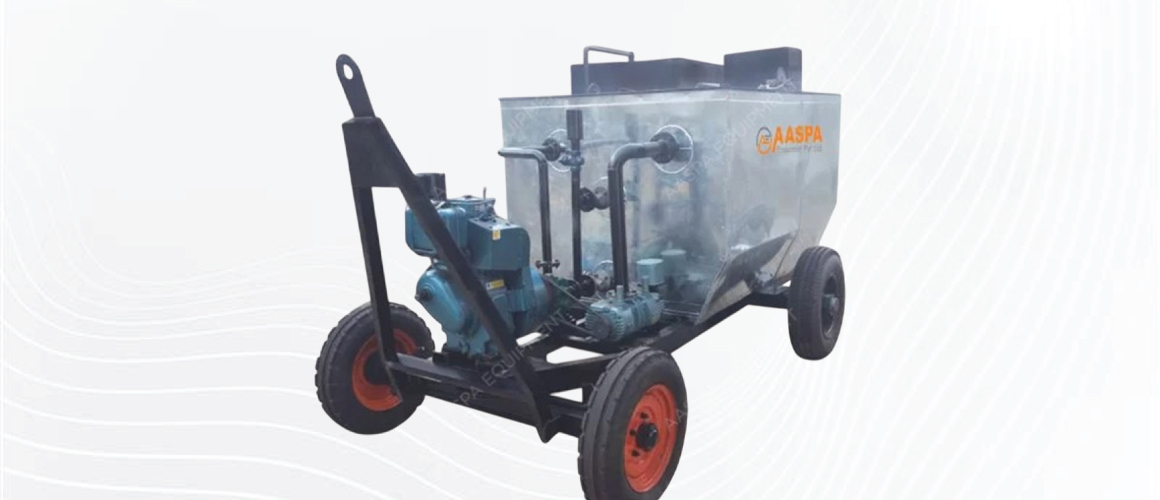
Winter weather can have a significant impact on the performance and maintenance of bitumen sprayers. The cold temperatures can cause the bitumen to thicken, making it more challenging to spray and apply evenly. Additionally, snow, ice, and freezing rain can create hazardous working conditions for bitumen sprayer operators.
It is crucial for professionals in the industry to understand the specific challenges that winter presents and to implement best practices to ensure the efficient and safe operation of bitumen sprayers during this season. Furthermore, the cold weather can affect the components of bitumen sprayers, such as pumps, hoses, and nozzles. These components may become more susceptible to freezing and damage, leading to potential downtime and maintenance issues.
Understanding the impact of winter on bitumen sprayers is essential for maintaining productivity and preventing costly repairs.
Key Takeaways
- Understanding the Impact of Winter on Bitumen Sprayers is crucial for effective maintenance and operation.
- Regular maintenance and winter-proofing are essential for maintaining Bitumen Sprayers in cold winter conditions.
- Choosing the right Bitumen Sprayer for winter applications is key to ensuring optimal performance.
- Safety precautions must be taken when using Bitumen Sprayers in winter to prevent accidents and ensure worker safety.
- Maximizing efficiency and performance of Bitumen Sprayers in cold weather requires following best practices for operation and maintenance.
Tips for Maintaining Bitumen Sprayers in Cold Winter Conditions
To maintain bitumen sprayers
conditions, it is essential to implement a proactive maintenance schedule. This includes regularly inspecting and servicing all components of the sprayer to ensure they are in optimal working condition. Additionally, it is crucial to use the appropriate grade of bitumen that is designed for cold weather applications.
This will help prevent issues such as clogging and uneven spraying due to bitumen thickening in low temperatures. Furthermore, keeping the sprayer and its components clean and free from ice and snow buildup is essential for preventing malfunctions and ensuring safe operation. Insulating critical components and using heating elements can also help maintain the temperature of the bitumen and prevent freezing.
By following these maintenance tips, operators can minimize downtime and maximize the efficiency of their bitumen sprayers during winter.
Best Practices for Operating Bitumen Sprayers in Winter
Operating bitumen sprayers in winter requires adherence to best practices to ensure safety and efficiency. It is crucial to monitor weather forecasts and plan operations accordingly, avoiding work during extreme cold or inclement weather conditions. Additionally, adjusting the spraying parameters, such as pressure and flow rate, to accommodate for the cold temperatures can help achieve consistent and uniform application of bitumen.
Moreover, operators should be trained on cold weather operating procedures and be equipped with appropriate personal protective equipment (PPE) to mitigate the risks associated with working in winter conditions. Regularly inspecting the sprayer during operation for any signs of freezing or blockages is also essential for preventing downtime and maintaining productivity. By following these best practices, operators can effectively navigate the challenges of operating bitumen sprayers in winter.
Winter-Proofing Your Bitumen Sprayer: Essential Maintenance Steps
|
Maintenance Step |
Description |
|
Check Heating System |
Inspect and test the heating system to ensure it is functioning properly for winter operation. |
|
Inspect Insulation |
Check the insulation of the bitumen sprayer to prevent heat loss and maintain temperature. |
|
Test Burner Performance |
Verify the burner performance to guarantee efficient heating of bitumen during cold weather. |
|
Check Hoses and Piping |
Inspect hoses and piping for any signs of wear, leaks, or damage that could affect operation in winter. |
|
Verify Temperature Controls |
Ensure temperature controls are calibrated and functioning correctly to maintain desired bitumen temperature. |
Winter-proofing a bitumen sprayer involves taking essential maintenance steps to ensure its reliability and performance during cold weather. This includes inspecting and replacing worn or damaged components, such as seals, hoses, and nozzles, which are more susceptible to failure in low temperatures. Additionally, applying protective coatings or insulating materials to critical parts of the sprayer can help maintain the temperature of the bitumen and prevent freezing.
Furthermore, implementing a thorough cleaning regimen to remove any accumulated ice, snow, or debris from the sprayer is crucial for preventing malfunctions and ensuring safe operation. Regularly lubricating moving parts and conducting preventive maintenance checks can also help identify potential issues before they escalate into costly repairs. By winter-proofing their bitumen sprayers through these essential maintenance steps, operators can minimize downtime and maximize productivity during the winter months.
How to Choose the Right Bitumen Sprayer for Winter Applications
Selecting the right bitumen sprayer for winter applications requires careful consideration of various factors to ensure optimal performance in cold weather conditions. It is essential to choose a sprayer with robust construction and components that are designed to withstand low temperatures and prevent freezing. Additionally, selecting a sprayer with adjustable spraying parameters and heating elements can help maintain the viscosity of the bitumen and ensure consistent application in winter.
Moreover, considering the capacity and efficiency of the sprayer is crucial for meeting the demands of winter projects while minimizing downtime for refilling or maintenance. Evaluating the manufacturer’s reputation, warranty, and after-sales support is also important for ensuring reliability and timely assistance in case of any issues during winter operations. By choosing the right bitumen sprayer for winter applications, operators can enhance their productivity and mitigate potential challenges associated with cold weather.
Safety Precautions for Using Bitumen Sprayers in Winter
Using bitumen sprayers in winter necessitates strict adherence to safety precautions to protect operators and prevent accidents. It is crucial for operators to be trained on cold weather safety procedures and equipped with appropriate PPE, including insulated clothing, gloves, and footwear, to minimize exposure to harsh weather conditions. Additionally, maintaining clear communication among team members and establishing emergency protocols for extreme weather events is essential for ensuring a safe working environment.
Furthermore, conducting regular safety inspections of the sprayer and its surroundings to identify potential hazards, such as ice buildup or slippery surfaces, is crucial for preventing accidents. Implementing proper lighting and visibility measures during low light conditions in winter is also important for enhancing safety on job sites. By prioritizing safety precautions when using bitumen sprayers in winter, operators can mitigate risks and ensure a secure working environment for all personnel involved.
Maximizing Efficiency and Performance of Bitumen Sprayers in Cold Weather
Maximizing the efficiency and performance of bitumen sprayers in cold weather requires a comprehensive approach that encompasses maintenance, operation, and safety considerations. Regular maintenance and winter-proofing measures are essential for preventing downtime and ensuring consistent performance of the sprayer in low temperatures. Additionally, optimizing spraying parameters based on weather conditions and using appropriate grade bitumen can help achieve uniform application and minimize wastage.
Moreover, providing ongoing training for operators on cold weather operating procedures and safety protocols is crucial for enhancing efficiency while mitigating risks associated with winter operations. Implementing a proactive approach to addressing potential issues, such as freezing or blockages during operation, can further enhance the overall performance of bitumen sprayers in cold weather.
By maximizing efficiency and performance through these measures, operators can effectively navigate the challenges of winter while maintaining productivity and safety standards.
In conclusion, understanding the impact of winter on bitumen sprayers is crucial for implementing best practices that encompass maintenance, operation, safety precautions, and equipment selection. By adhering to these best practices, operators can effectively maintain their bitumen sprayers, operate them safely in winter conditions, maximize efficiency and performance, and ultimately ensure successful project outcomes during the challenging winter months.
FAQs
What are the main challenges of operating bitumen sprayers in winter?
Operating bitumen sprayers in winter presents challenges such as cold temperatures, potential freezing of bitumen, reduced flowability of bitumen, and increased risk of equipment damage due to cold weather conditions.
How can bitumen sprayers be winter-proofed?
Bitumen sprayers can be winter-proofed by ensuring proper insulation of critical components, using heated hoses and tanks, implementing regular maintenance and inspections, and using appropriate additives to prevent bitumen from freezing.
What are the essential maintenance steps for bitumen sprayers in cold winter conditions?
Essential maintenance steps for bitumen sprayers in cold winter conditions include checking and replacing worn-out parts, ensuring proper heating and insulation, cleaning and draining the equipment after each use, and using anti-freeze additives in the bitumen.
How can bitumen sprayers be operated safely in winter?
Bitumen sprayers can be operated safely in winter by providing proper training to operators, using appropriate personal protective equipment, following recommended operating procedures, and conducting regular safety inspections of the equipment.
What are the best practices for maximizing efficiency and performance of bitumen sprayers in cold weather?
Best practices for maximizing efficiency and performance of bitumen sprayers in cold weather include preheating the equipment before use, maintaining consistent heating of bitumen during operation, and adjusting spraying parameters to account for cold weather conditions.
How can the right bitumen sprayer be chosen for winter applications?
The right bitumen sprayer for winter applications can be chosen by considering factors such as heating capacity, insulation quality, compatibility with anti-freeze additives, and the ability to maintain consistent spraying performance in cold weather.