
Dry Vs. Wet Mixes In Fly Ash Brick Production
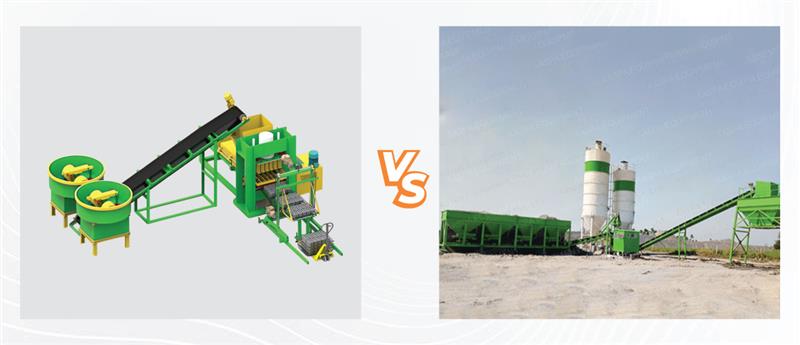
In the realm of fly ash brick production, the choice between dry and wet mixes plays a pivotal role in determining the quality, efficiency, and environmental impact of the process. Dry mix production involves mixing the dry ingredients, including fly ash, cement, sand, and water, while wet mix production entails mixing the same components with a higher water content to form a slurry. The distinction between these two methods lies in their approach to mixing and the subsequent impact on the properties of the bricks.
Dry mix production is characterized by the use of minimal water, resulting in a stiff mixture that can be compacted into molds to form bricks. On the other hand, wet mix production involves a higher water content, creating a slurry that is poured into molds and allowed to set. Understanding the nuances of these methods is crucial for brick manufacturers to make informed decisions regarding their production processes.
Fly ash, a byproduct of coal combustion, has been widely utilized in brick production due to its pozzolanic properties, which contribute to the strength and durability of the bricks. In dry mix production, fly ash is typically combined with other dry ingredients such as cement and sand before being compacted into molds. This method capitalizes on the pozzolanic reaction between fly ash and cement, resulting in strong and durable bricks.
Conversely, in wet mix production, fly ash is mixed with water to form a slurry before being poured into molds. The higher water content in wet mixes facilitates better workability and can enhance the overall compaction of the mixture. Understanding the role of fly ash in these distinct mixing methods is essential for optimizing the production of high-quality bricks.
Key Takeaways
- Dry mixes in fly ash brick production involve mixing the fly ash with other materials in a dry state, while wet mixes involve mixing the fly ash with water and other materials in a wet state.
- Dry mixes offer advantages such as faster production and lower energy consumption, but they may also have disadvantages such as lower strength and higher dust emissions.
- Wet mixes provide a viable alternative for fly ash brick production, offering advantages such as higher strength and lower dust emissions, but they may also have disadvantages such as longer production time and higher energy consumption.
- Quality control considerations for both dry and wet fly ash brick mixes include testing for strength, durability, and consistency to ensure the production of high-quality bricks.
- When choosing the right mix for fly ash brick production, factors to consider include the desired strength, production efficiency, energy consumption, and environmental impact.
Advantages and Disadvantages of Dry Mixes for Fly Ash Brick Production
Dry mix production offers several advantages, including reduced energy consumption during the drying process, faster production cycles, and better control over the mix design. Additionally, dry mixes are often preferred for their ability to produce bricks with higher compressive strength and lower water absorption rates. However, one of the primary challenges associated with dry mix production is achieving uniform mixing and compaction, which can impact the overall quality of the bricks.
On the other hand, wet mix production provides improved workability and can result in bricks with smoother surfaces and more consistent dimensions. The higher water content in wet mixes also facilitates better bonding between particles, potentially leading to enhanced strength and durability. However, wet mix production may require longer curing times and can be more susceptible to variations in water content, which can affect the final product’s properties.
Wet Mixes: A Viable Alternative for Fly Ash Brick Production
While dry mix production has been traditionally favored for fly ash brick manufacturing, wet mixes have emerged as a viable alternative with distinct advantages. The use of wet mixes can lead to improved compaction and reduced segregation during molding, resulting in bricks with enhanced structural integrity. Additionally, the higher water content in wet mixes can promote better hydration of cement particles, potentially leading to increased strength and durability.
Furthermore, wet mix production offers greater flexibility in adjusting the mix design to achieve specific performance requirements for fly ash bricks. By carefully controlling the water-to-cement ratio and other additives in wet mixes, manufacturers can tailor the properties of the bricks to meet diverse structural and aesthetic demands. As such, wet mixes present a compelling option for brick producers seeking to optimize their manufacturing processes.
Best Practices for Achieving Perfect Bitumen Spraying Temperature
| Quality Control Considerations | Dry Fly Ash Brick Mixes | Wet Fly Ash Brick Mixes |
|---|---|---|
| Particle Size Distribution | Uniform distribution of particles is crucial for strength and durability | Particle size should be controlled to ensure proper compaction and strength |
| Moisture Content | Optimal moisture content is essential for proper compaction and strength | Excess moisture can lead to cracking and reduced strength |
| Compressive Strength | Should meet specified standards for structural integrity | Compressive strength should be tested to ensure durability |
| Chemical Composition | Chemical properties should be within acceptable limits for stability | Chemical composition should be monitored to prevent efflorescence |
Quality control is paramount in ensuring the consistency and performance of fly ash bricks produced using both dry and wet mixes. In dry mix production, meticulous attention must be paid to achieving uniform mixing and compaction to prevent variations in brick quality. This necessitates stringent monitoring of raw material proportions, mixing times, and compaction pressures to uphold the desired standards.
Similarly, in wet mix production, quality control measures should focus on maintaining precise control over the water-to-cement ratio and ensuring thorough mixing to achieve homogeneity within the slurry. Additionally, proper curing protocols must be implemented to facilitate optimal strength development and minimize potential defects in the finished bricks. By implementing robust quality control practices, manufacturers can uphold consistent quality standards across their fly ash brick production processes.
Environmental Impact: Comparing Dry and Wet Mixes in Fly Ash Brick Production
The environmental impact of dry and wet mixes in fly ash brick production is a critical consideration for sustainable manufacturing practices. Dry mix production typically consumes less water and requires minimal energy for drying, contributing to lower overall environmental footprint. Furthermore, the efficient use of raw materials in dry mixes aligns with principles of resource conservation and waste reduction.
Conversely, wet mix production may entail higher water consumption and necessitate additional energy for curing processes.
However, the improved workability and compaction achieved through wet mixes can potentially lead to reduced material wastage and enhanced utilization of fly ash as a supplementary cementitious material.
Balancing these environmental factors is essential for brick manufacturers seeking to minimize their ecological impact while maximizing the performance of their products.
Choosing the Right Mix: Factors to Consider for Fly Ash Brick Production
When selecting between dry and wet mixes for fly ash brick production, several factors must be carefully considered to optimize manufacturing outcomes. These include the desired properties of the finished bricks, production efficiency, resource utilization, environmental impact, and overall cost-effectiveness. Manufacturers must assess these factors in conjunction with their specific operational capabilities and market demands to determine the most suitable mixing method for their production processes.
Additionally, ongoing research and development efforts continue to refine both dry and wet mix technologies, offering new insights into optimizing fly ash brick production. By staying abreast of advancements in mixing methodologies and material science, brick manufacturers can make informed decisions that align with their long-term strategic objectives while meeting evolving industry standards. In conclusion, understanding the nuances of dry and wet mixes in fly ash brick production is essential for optimizing manufacturing processes and achieving high-quality products.
By carefully evaluating the advantages, disadvantages, quality control considerations, environmental impact, and other pertinent factors associated with each mixing method, brick manufacturers can make informed decisions that align with their operational goals and sustainability objectives.
FAQs
What is the difference between dry and wet mixes in fly ash brick production?
Dry mixes in fly ash brick production involve mixing the fly ash with other materials in a dry state, while wet mixes involve mixing the fly ash with water and other materials to form a wet slurry.
What is the role of fly ash in brick production?
Fly ash is a byproduct of coal combustion and is used in brick production to improve workability, increase the strength and durability of the bricks, and reduce the overall environmental impact of brick manufacturing.
What are the advantages and disadvantages of dry mixes for fly ash brick production?
Advantages of dry mixes include lower energy consumption, reduced production costs, and better control over the mix design. Disadvantages may include dust generation and the need for additional equipment for handling dry materials.
Are wet mixes a viable alternative for fly ash brick production?
Yes, wet mixes are a viable alternative for fly ash brick production as they can improve the workability of the mix, reduce dust generation, and allow for better compaction of the material.
What quality control considerations should be taken into account for dry and wet fly ash brick mixes?
Quality control considerations for both dry and wet fly ash brick mixes include monitoring the consistency of the mix, ensuring proper compaction, and conducting regular testing for strength and durability.
What is the environmental impact of comparing dry and wet mixes in fly ash brick production?
Dry mixes generally have a lower environmental impact due to reduced energy consumption and lower water usage. However, wet mixes may have advantages in terms of dust control and overall workability.
What factors should be considered when choosing the right mix for fly ash brick production?
Factors to consider when choosing the right mix for fly ash brick production include the availability of materials, production costs, environmental impact, and the desired properties of the final bricks, such as strength and durability.