
Scaling Production with Fly Ash Brick Machines
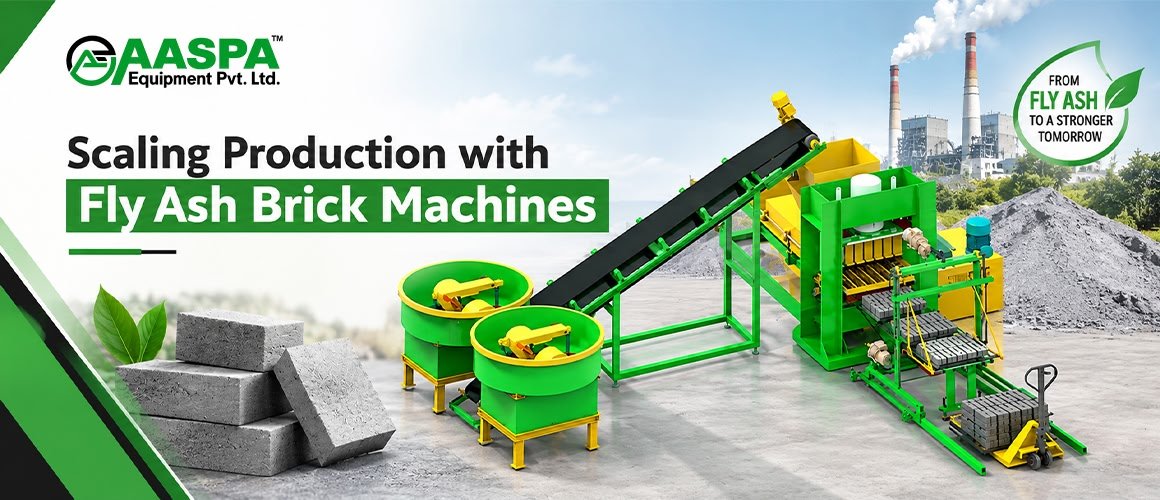
Learn how a fly ash brick machine helps scale production, improve efficiency, reduce labor and increase output in modern brick manufacturing operations.
Revolutionizing Construction: Scaling Production with Fly Ash Brick Machines
The construction industry is constantly seeking greater efficiency, sustainability, and cost-effectiveness. Traditional brick-making methods, while time-tested, often struggle to keep pace with demand and carry a significant environmental footprint. In this context, fly ash brick machines are emerging as a transformative solution, offering a pathway to scaled, sustainable, and profitable brick production. This article delves into the multifaceted benefits of integrating fly ash brick machines into construction operations, exploring their environmental advantages, the strategic considerations for machine selection, and the strategies for maximizing output and profitability.
Understanding the Profound Benefits of Scaling Production with Brick Making Machines
The decision to scale production, particularly with the adoption of automated or semi-automated brick making machinery, represents a pivotal moment for any construction enterprise. The advantages extend far beyond simply producing more bricks. It’s about fundamentally altering the operational landscape, achieving new levels of efficiency, and gaining a competitive edge in a dynamic market.
Increased Output and Throughput
The most immediate and apparent benefit of employing advanced brick making machines is the dramatic increase in production capacity. Manual labor, while valuable, is inherently limited in its speed and consistency. Fly ash brick machines, whether fully automated or semi-automated, are engineered for continuous operation and high-volume output. They can produce hundreds, even thousands, of bricks per hour, a feat impossible with traditional methods. This enhanced throughput directly translates to the ability to fulfill larger orders, meet tight construction deadlines, and capitalize on market opportunities that might otherwise be missed.
Meeting Market Demand Efficiently
The modern construction industry operates under increasing pressure to deliver projects faster and more economically. The ability to scale brick production with machines allows businesses to respond to this demand more effectively than ever before. Instead of being constrained by the limitations of manual labor, companies can confidently commit to large-scale projects, knowing they have the production capacity to supply the necessary materials without compromising on timelines. This responsiveness builds a reputation for reliability and can be a significant differentiator in securing future contracts.
Streamlining the Production Cycle
Beyond sheer volume, these machines streamline the entire brick production cycle. From material mixing to molding and even stacking, the process becomes more automated and less labor-intensive. This reduces bottlenecks that often occur in traditional brickyards. The consistency of machine operation also minimizes variations in brick quality, leading to a more uniform product and fewer rejects.
The Crucial Role of Fly Ash in Sustainable Brick Production
The inherent sustainability of fly ash bricks is a cornerstone of their growing appeal. Fly ash, a byproduct of coal combustion in power plants, is often considered waste. However, its pozzolanic properties make it an excellent binder in cementitious materials, effectively transforming a waste product into a valuable construction resource.
Environmental Advantages of Using Fly Ash
The environmental benefits of fly ash brick production are multifaceted and significant, addressing critical concerns within the construction sector. By utilizing fly ash, manufacturers directly reduce the demand for virgin materials that would otherwise be extracted, often through environmentally disruptive mining processes.
Reducing Landfill Burden
Traditionally, large quantities of fly ash are disposed of in landfills, contributing to land pollution and occupying valuable space. Incorporating fly ash into bricks diverts this material from landfills, thereby mitigating this environmental challenge. It’s a direct application of waste-to-resource principles, promoting a circular economy within the construction supply chain.
Lowering Carbon Footprint
The production of traditional burnt clay bricks is an energy-intensive process that releases substantial amounts of greenhouse gases, primarily carbon dioxide, into the atmosphere. Fly ash bricks, on the other hand, do not require firing in kilns, thereby eliminating the associated CO2 emissions. The energy required for their production is significantly lower, resulting in a much smaller carbon footprint. This reduction is a critical factor in the global effort to combat climate change and build more sustainably.
Conservation of Natural Resources
The reliance on clay in traditional brick making leads to the depletion of fertile topsoil and the destruction of agricultural land. Fly ash bricks significantly reduce this dependency, conserving natural resources for future generations. This conservation is vital for maintaining ecological balance and ensuring the availability of resources for other essential purposes.
Strategic Choices: Choosing the Right Machine for Scaling Brick Production
The journey to scaled production with fly ash brick machines necessitates careful consideration of the machinery itself. The “right” machine is not a one-size-fits-all solution; rather, it depends on a variety of factors specific to the individual business and its operational goals.
Assessing Production Needs and Capacity
The first and most crucial step is a thorough assessment of current and projected production needs. This involves analyzing the volume of bricks required to meet existing orders and forecasting future demand based on market trends and business expansion plans. Machines vary significantly in their capacity, from smaller, semi-automatic models suitable for emerging markets or smaller operations, to large, fully automated plants designed for high-volume industrial production.
Evaluating Automation Levels
The level of automation in a fly ash brick machine is a key determinant of its suitability for scaled production. Fully automated machines offer the highest output and require minimal human intervention, leading to greater efficiency and consistency. Semi-automatic machines, while requiring more manual input for certain stages, can still offer substantial production increases over manual methods and may be a more accessible entry point for businesses with budget constraints or specific operational requirements.
Considering the Type of Bricks Desired
The type of fly ash brick to be produced can also influence machine selection. Will the focus be on standard solid bricks, or will there be a demand for interlocking bricks, pavers, or other specialized shapes? Some machines are designed for multi-functional production, offering greater versatility. Understanding the end-product is essential for choosing a machine that can deliver the desired specifications reliably and efficiently.
Key Factors to Consider in Machine Acquisition
Beyond the core production capabilities, several other factors are critical when selecting a fly ash brick machine for scaling. These often represent the difference between a successful investment and a costly misstep.
Durability and Reliability
For scaled production, the chosen machine must be durable and reliable. Downtime due to mechanical failures can be extremely costly, halting production and leading to missed deadlines. Manufacturers with a strong reputation for building robust, long-lasting equipment should be prioritized. Inquiring about after-sales service, spare parts availability, and warranty is also crucial.
Maintenance and Operational Costs
The long-term operational costs associated with a machine are as important as its initial purchase price. This includes factors like energy consumption, wear and tear on components, and the availability and cost of skilled operators. Machines that are designed for ease of maintenance and have readily available, affordable spare parts will contribute to profitability in the long run.
Supplier Reputation and Support
The reputation of the machine manufacturer or supplier is paramount. A reputable supplier will offer comprehensive pre-sales consultation, technical support during installation and commissioning, and ongoing after-sales service. Their expertise can be invaluable in optimizing the machine’s performance and troubleshooting any issues that may arise.
Maximizing Efficiency and Output with Fly Ash Brick Machines
Once the appropriate fly ash brick machines are in place, the focus shifts to optimizing their operation to achieve the highest possible efficiency and output. This involves a combination of technical adjustments, operational best practices, and continuous improvement initiatives.
Optimizing the Material Mix
The precise composition of the raw material mix is critical for the quality and strength of fly ash bricks. While fly ash forms the core, other components like cement, sand, and water are also essential. Achieving the correct proportions and ensuring thorough mixing are vital. Modern machines often integrate advanced mixing systems that ensure uniformity and consistency, reducing waste and improving brick quality.
Batching and Mixing Precision
Accurate batching of raw materials prevents variations in the final product. Automated batching and mixing systems within the machines ensure that the correct quantities of each ingredient are introduced and thoroughly blended, leading to consistent brick strength and reduced material wastage.
Moisture Content Control
The moisture content of the mix is another crucial parameter that directly impacts the molding process and the curing of the bricks. Machines with integrated moisture sensors and control systems can automatically adjust water levels, ensuring optimal consistency and preventing issues like cracking or improper compaction.
Implementing Effective Operational Procedures
Beyond the technical aspects of the machine itself, implementing efficient operational procedures is fundamental to maximizing output. This encompasses everything from material handling to quality control and maintenance regimes.
Workflow Optimization
Analyzing and optimizing the entire workflow, from the delivery of raw materials to the stacking and curing of finished bricks, can reveal opportunities for greater efficiency. This might involve strategically placing material storage areas, ensuring smooth transitions between different stages of production, and minimizing unnecessary movement of personnel or materials.
Regular Maintenance and Servicing
A proactive approach to machine maintenance is crucial for preventing unexpected breakdowns and ensuring consistent performance. This involves adhering to the manufacturer’s recommended maintenance schedule, performing regular inspections, and promptly addressing any minor issues before they escalate into major problems.
Operator Training and Skill Development
The individuals operating and maintaining the fly ash brick machines play a vital role in their efficiency. Investing in comprehensive training programs for operators ensures they understand the machine’s capabilities, its limitations, and the best practices for operation. Skilled operators can identify potential issues early, optimize machine settings, and contribute significantly to overall output.
Navigating the Landscape: Overcoming Challenges in Scaling Production with Brick Making Machines
While the benefits of scaling production with fly ash brick machines are substantial, the transition and ongoing operation are not without their challenges. Proactive identification and strategic mitigation of these obstacles are essential for a successful and sustainable scaling journey.
Sourcing Consistent Quality Fly Ash
A primary challenge for fly ash brick manufacturers can be securing a consistent and reliable supply of high-quality fly ash. The properties of fly ash can vary depending on the source and the combustion process. Inconsistent fly ash can lead to variations in brick strength, curing times, and overall quality.
Establishing Strong Supplier Relationships
Building strong, long-term relationships with reputable power plants or fly ash suppliers is paramount. This involves understanding the source of the fly ash and working with suppliers who can provide detailed specifications and consistent quality. Regular dialogue and quality checks are essential.
Implementing In-house Quality Control
Establishing a robust in-house quality control system for incoming fly ash is also critical. This might involve simple visual inspections, but more importantly, laboratory testing to verify its chemical composition and physical properties. This allows for early detection of any deviations from acceptable standards.
Managing Energy Consumption and Downtime
While fly ash brick production is generally more energy-efficient than traditional methods, scaling up can still lead to significant energy demands. Furthermore, unexpected downtime can have a domino effect on production schedules and profitability.
Energy Efficiency Measures
Investing in energy-efficient machines and optimizing their operation can help manage energy consumption. This includes ensuring proper insulation, utilizing variable speed drives where applicable, and implementing routine maintenance to keep components running smoothly. Exploring renewable energy sources for powering the machinery can also be a long-term strategy.
Predictive Maintenance and Robust Spare Parts Management
Implementing a predictive maintenance program, which uses sensors and data analysis to anticipate potential equipment failures, can significantly reduce unplanned downtime. Simultaneously, maintaining an adequate inventory of critical spare parts ensures that any necessary replacements can be made swiftly, minimizing production interruption.
Examining the Unseen: Exploring the Environmental Impact of Fly Ash Brick Production
Beyond the immediate benefits of utilizing a waste product, the environmental impact of fly ash brick production warrants a deeper exploration, considering its lifecycle and broader ecological contributions.
Water Conservation and Reduced Pollution
The production of fly ash bricks generally requires significantly less water compared to traditional brick manufacturing. The water needed for mixing and curing is often less than that used in processes involving kiln firing and extensive washing. This reduced water consumption is a significant advantage, especially in water-scarce regions. Furthermore, by avoiding the burning of fossil fuels in kilns, fly ash brick production eliminates the release of harmful atmospheric pollutants such as sulfur dioxide and nitrogen oxides, which contribute to acid rain and respiratory problems.
Impact on Soil and Land Use
The reduction in clay extraction for traditional bricks directly benefits soil health and land use. Fertile topsoil, crucial for agriculture, is preserved. Moreover, the reduction in greenhouse gas emissions associated with fly ash brick production contributes to mitigating climate change, with its far-reaching environmental consequences, including extreme weather events and ecosystem disruption.
End-of-Life Considerations
While fly ash bricks offer a sustainable alternative during their production phase, their end-of-life environmental impact also merits consideration. As a cementitious material, fly ash bricks, once decommissioned, can often be crushed and recycled into aggregate for new construction projects, further contributing to a circular economy and minimizing landfill waste. Research into the long-term leaching potential of fly ash in construction materials also continues, ensuring that the environmental safety of these products is maintained throughout their lifespan.
The Ultimate Goal: Maximizing Profitability through Scaling Production with Brick Making Machines
The ultimate driver for scaling production with fly ash brick machines, beyond sustainability and efficiency, is the pursuit of enhanced profitability. By strategically leveraging the advantages of these machines, businesses can unlock new revenue streams and optimize their cost structures.
Cost Savings and Improved Margins
The adoption of fly ash brick machines can lead to significant cost savings. The reduced need for labor, lower energy consumption compared to traditional brick firing, and the utilization of a cheaper raw material (fly ash) all contribute to a lower cost of production per brick. This, in turn, allows for improved profit margins or the ability to offer more competitive pricing to clients.
Economies of Scale
As production volume increases with the use of efficient machinery, businesses can achieve economies of scale. This means the cost per unit of production decreases as output rises. Bulk purchasing of raw materials and optimized operational processes further enhance these savings, making the business more financially robust.
Diversification and New Market Opportunities
The enhanced production capacity offered by fly ash brick machines can enable businesses to diversify their product offerings. If a business previously focused on traditional bricks, the ability to produce fly ash bricks can open doors to environmentally conscious markets and projects seeking sustainable building materials. This diversification can lead to new revenue streams and a broader customer base.
Strategic Pricing and Market Competitiveness
The ability to produce high-quality bricks at a lower cost empowers businesses to adopt strategic pricing models. Offering competitive prices can attract a larger client base, while the inherent sustainability of fly ash bricks can serve as a unique selling proposition, commanding a premium in certain segments. This strategic approach to pricing, combined with consistent quality and reliable delivery, solidifies a strong market position. By embracing the technological advancements and inherent sustainability of fly ash brick machines, the construction industry can move towards a future that is not only more productive but also more environmentally responsible and economically prosperous.
FAQs
- What are the benefits of scaling production with brick making machines?
Scaling production with brick making machines can lead to increased efficiency, higher output, and reduced labor costs. It also allows for consistent quality and uniformity in the bricks produced, leading to improved profitability.
- How does fly ash contribute to sustainable brick production?
Fly ash, a byproduct of coal combustion, can be used as a raw material in brick production, reducing the need for clay and sand. This helps in conserving natural resources and reducing the environmental impact of brick manufacturing.
- What factors should be considered when choosing the right machine for scaling brick production?
When choosing a brick making machine for scaling production, factors such as production capacity, automation level, energy efficiency, and maintenance requirements should be considered. It’s important to select a machine that aligns with the specific production needs and goals.
- What are the challenges in scaling production with brick making machines, and how can they be overcome?
Challenges in scaling production with brick making machines may include initial investment costs, technical expertise, and market demand fluctuations. These challenges can be overcome through proper planning, training, and market research to ensure a sustainable and successful scaling process.
- What is the environmental impact of fly ash brick production compared to traditional brick manufacturing?
Fly ash brick production has a lower environmental impact compared to traditional brick manufacturing, as it reduces the consumption of natural resources and energy. Additionally, the use of fly ash in brick production helps in reducing the amount of waste sent to landfills, contributing to a more sustainable and eco-friendly production process.