
Safety Measures Around Kerb Paver Machines
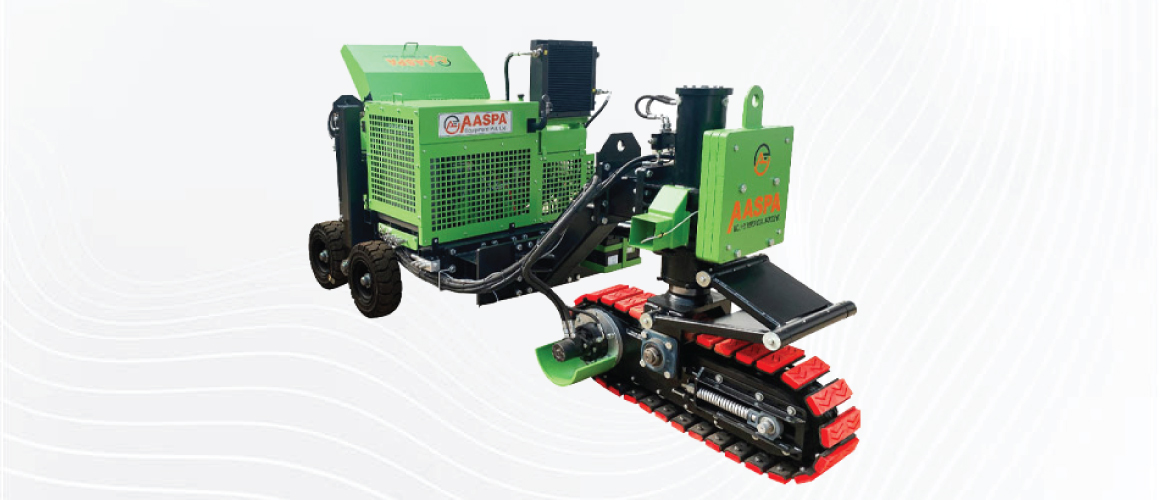
Kerb paver machines are essential equipment in the construction industry, used for laying concrete or asphalt kerbs along roadways, parking lots, and other paved surfaces. However, these machines pose significant risks to operators and workers in their vicinity. Understanding the potential hazards associated with kerb paver machines is crucial for implementing effective safety measures.
One of the primary risks is the potential for crushing injuries, as these machines involve heavy components and moving parts. Additionally, workers may be at risk of slips, trips, and falls due to the uneven terrain and the presence of wet concrete or asphalt. Moreover, exposure to loud noise levels and airborne dust particles during machine operation can lead to long-term health issues if proper precautions are not taken.
- Understanding the Risks: Safety Measures for Kerb Paver Machines
- Essential Safety Precautions for Operating Kerb Paver Machines
- Protecting Workers: Safety Guidelines for Working Around Paver Machines
- Ensuring Safe Operation: Key Safety Measures for Kerb Paver Machines
- Safety Training and Protocols for Using Kerb Paver Machines
Essential Safety Precautions for Operating Kerb Paver Machines
When operating kerb paver machines, it is essential to adhere to strict safety precautions to minimize the risk of accidents and injuries. Firstly, operators must undergo comprehensive training on the safe operation of the equipment, including understanding its controls, emergency shutdown procedures, and proper maintenance protocols. Personal protective equipment (PPE) such as hard hats, high-visibility vests, steel-toed boots, and hearing protection should be worn at all times while operating or working around kerb paver machines.
Furthermore, it is crucial to conduct a thorough inspection of the machine before each use to ensure that all components are in proper working condition. Regular maintenance and servicing of the equipment are also vital to prevent mechanical failures that could lead to accidents.
Protecting Workers: Safety Guidelines for Working Around Paver Machines
In addition to the operators of kerb paver machines, other workers in the vicinity must also adhere to specific safety guidelines to protect themselves from potential hazards. One critical aspect is maintaining a safe distance from the operating machinery to avoid being struck by moving parts or falling debris. Clear communication between operators and ground personnel is essential to ensure that everyone is aware of the machine’s movements and any potential risks.
Additionally, workers should be trained to recognize and avoid potential trip hazards, such as hoses, cables, or loose materials in the work area. Implementing designated walkways and barriers can help delineate safe zones for workers and prevent unauthorized access to the operating area.
Ensuring Safe Operation: Key Safety Measures for Kerb Paver Machines
| Key Safety Measures | Metrics |
| Operator Training | Number of operators trained |
| Regular Maintenance | Frequency of maintenance checks |
| Use of Personal Protective Equipment (PPE) | Percentage of workers using PPE |
| Adherence to Safety Guidelines | Number of safety violations |
| Emergency Response Plan | Response time to emergencies |
To ensure the safe operation of kerb paver machines, several key safety measures must be implemented. Firstly, the work area should be properly illuminated to enhance visibility, especially during low-light conditions or night-time operations. Adequate signage and barricades should be used to alert personnel and vehicular traffic to the presence of the operating machinery and potential hazards.
Moreover, regular housekeeping practices should be maintained to keep the work area free from clutter, debris, and other obstructions that could impede safe machine operation or pose tripping hazards. It is also crucial to monitor weather conditions and suspend operations during inclement weather to prevent slippery surfaces and compromised machine stability.
Safety Training and Protocols for Using Kerb Paver Machines
Comprehensive safety training and protocols are fundamental for anyone involved in using kerb paver machines. Operators should receive thorough training on the specific model of machine they will be operating, including its unique features, operational controls, and emergency procedures. Additionally, they should be educated on proper material handling techniques to minimize strain injuries when loading or unloading materials onto the machine.
Regular refresher training sessions should be conducted to reinforce safety protocols and update operators on any new developments in machine technology or safety standards. Furthermore, clear protocols for reporting any equipment malfunctions or safety concerns should be established to ensure that issues are promptly addressed.
Maintaining a Safe Work Environment: Best Practices for Kerb Paver Machine Safety
Maintaining a safe work environment around kerb paver machines involves implementing best practices that promote a culture of safety and vigilance. Regular safety audits and inspections should be conducted to identify potential hazards and ensure compliance with safety regulations. It is essential to foster open communication between workers and management regarding safety concerns or near-miss incidents to proactively address any underlying issues.
Additionally, providing access to first aid kits, emergency response equipment, and trained personnel can mitigate the impact of accidents or injuries should they occur. Encouraging a proactive approach to safety, such as conducting pre-task safety briefings and hazard assessments, can empower workers to take an active role in identifying and mitigating risks.
Implementing Safety Protocols: Preventing Accidents with Kerb Paver Machinesn
Preventing accidents with kerb paver machines requires a proactive approach that involves implementing robust safety protocols and continuously monitoring adherence to these measures.
Regular equipment inspections and maintenance schedules should be strictly followed to identify and rectify any potential mechanical issues before they escalate into safety hazards.
Furthermore, establishing clear protocols for reporting near-miss incidents or unsafe conditions can provide valuable insights into areas that require improvement or additional safeguards.
Employing advanced safety technologies such as proximity sensors, backup alarms, and automatic shut-off systems can further enhance the overall safety of kerb paver machine operations by alerting operators to potential dangers and preventing collisions with personnel or other equipment. In conclusion, prioritizing safety measures around kerb paver machines is essential for protecting the well-being of operators and workers in their vicinity. By understanding the risks associated with these machines, implementing essential safety precautions, and maintaining a safe work environment through comprehensive training and protocols, accidents and injuries can be minimized.
Adhering to best practices for safe operation and continuously monitoring compliance with safety measures can further contribute to preventing accidents with kerb paver machines and promoting a culture of safety within the construction industry.
FAQs
What are kerb paver machines?
Kerb paver machines are specialized equipment used in the construction industry to lay and shape concrete or asphalt kerbs along roads, parking lots, and other paved surfaces.
What are the risks associated with kerb paver machines?
The risks associated with kerb paver machines include potential for crushing injuries, entanglement in moving parts, exposure to hazardous materials, and risks related to working in proximity to heavy machinery.
What are some essential safety precautions for operating kerb paver machines?
Essential safety precautions for operating kerb paver machines include wearing appropriate personal protective equipment, ensuring proper training and certification for operators, conducting regular equipment inspections, and following safe operating procedures.
What are some safety guidelines for working around paver machines?
Safety guidelines for working around paver machines include maintaining a safe distance from the equipment while it is in operation, communicating effectively with other workers and equipment operators, and being aware of potential hazards in the work area.
What are some key safety measures for kerb paver machines?
Key safety measures for kerb paver machines include implementing lockout/tagout procedures during maintenance, providing adequate lighting and visibility around the work area, and ensuring proper ventilation when working with concrete or asphalt materials.
What are some safety training and protocols for using kerb paver machines?
Safety training and protocols for using kerb paver machines include comprehensive training for equipment operators, regular safety meetings to discuss potential hazards and best practices, and clear communication of emergency procedures.
What are some best practices for maintaining a safe work environment around kerb paver machines?
Best practices for maintaining a safe work environment around kerb paver machines include keeping the work area clean and free of debris, providing clear signage and markings to indicate potential hazards, and promoting a culture of safety awareness among all workers.
How can accidents with kerb paver machines be prevented through safety protocols?
Accidents with kerb paver machines can be prevented through safety protocols such as conducting thorough risk assessments before starting work, implementing a system for reporting and addressing safety concerns, and regularly reviewing and updating safety procedures based on industry best practices.