
Using Additives To Reduce Asphalt Mix Temperatures
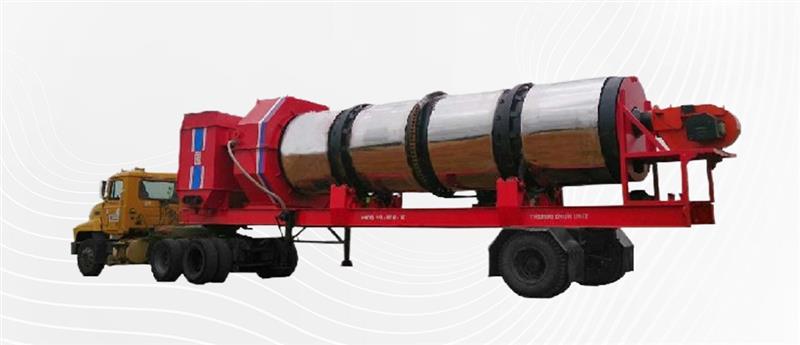
The use of additives to reduce asphalt mix temperatures offers a multitude of benefits. Firstly, it significantly lowers the energy consumption required for asphalt production, leading to reduced greenhouse gas emissions and overall environmental impact. Additionally, the lower temperatures achieved through additives result in improved working conditions for laborers, as well as reduced fumes and odors at the job site.
Furthermore, the use of warm mix asphalt additives can extend the paving season, allowing for construction and maintenance projects to be carried out in colder weather, thus increasing operational flexibility and efficiency. Moreover, the incorporation of additives in asphalt mixes can lead to enhanced pavement performance and durability. By reducing the aging of the asphalt binder, additives contribute to improved resistance against cracking and rutting, ultimately extending the lifespan of the pavement.
This not only results in cost savings for maintenance and repairs but also reduces the overall environmental impact associated with frequent road maintenance activities.
Key Takeaways
- Using additives can significantly reduce the temperature at which asphalt mixes are produced, leading to various benefits.
- Additives can lower the temperature of asphalt mixes by reducing the viscosity of the binder and allowing for better coating of aggregates.
- Warm mix asphalt additives contribute to improving sustainability by reducing energy consumption and greenhouse gas emissions during production.
- The environmental impact of using additives in asphalt mixes is positive, as it helps in reducing emissions and conserving energy.
- Additives play a crucial role in enhancing the performance and durability of asphalt mixes, leading to longer-lasting road surfaces.
How Additives Can Lower the Temperature of Asphalt Mixes
Additives play a crucial role in lowering the temperature of asphalt mixes by facilitating the reduction of viscosity in the asphalt binder. This reduction in viscosity allows for easier coating and mixing of aggregates at lower temperatures, thereby enabling the production of workable asphalt mixes without compromising quality. Additionally, certain additives act as surfactants, promoting better adhesion between the asphalt binder and aggregates, even at lower temperatures.
This ensures that the resulting asphalt mix maintains its structural integrity and performance characteristics. Furthermore, some warm mix asphalt additives function by generating foaming effects within the asphalt binder, leading to increased volume and improved workability at reduced temperatures. This foaming action not only aids in achieving adequate compaction during construction but also contributes to the overall reduction in energy consumption during the production process.
Overall, the use of additives effectively alters the rheological properties of the asphalt binder, allowing for lower mixing and compaction temperatures while preserving the desired engineering properties of the asphalt mix.
Improving Sustainability with Warm Mix Asphalt Additives
The utilization of warm mix asphalt additives aligns with sustainability initiatives within the construction and infrastructure sectors. By reducing the energy requirements for asphalt production, these additives contribute to a significant decrease in carbon emissions and energy consumption, thereby promoting a more sustainable approach to pavement construction. Additionally, the extended pavement lifespan resulting from the use of additives translates to reduced material consumption and waste generation over time, further enhancing the sustainability of infrastructure projects.
Moreover, warm mix asphalt additives enable the incorporation of higher percentages of reclaimed asphalt pavement (RAP) into new mixes, fostering a circular economy approach within the asphalt industry. This not only reduces the demand for virgin materials but also minimizes the environmental impact associated with RAP disposal. Furthermore, the ability to produce asphalt mixes at lower temperatures due to additive use can lead to decreased reliance on fossil fuels, contributing to overall resource conservation and environmental stewardship.
Exploring the Environmental Impact of Using Additives in Asphalt Mixes
|
Study Parameter |
Measurement |
|
CO2 Emissions |
kg/m2 |
|
Energy Consumption |
MJ/m2 |
|
Water Pollution |
mg/L |
|
Air Pollution |
ppm |
The environmental impact of using additives in asphalt mixes is predominantly positive, with notable reductions in energy consumption, greenhouse gas emissions, and overall carbon footprint. The lower production temperatures facilitated by warm mix asphalt additives result in decreased fuel usage and emissions from heating processes, contributing to improved air quality and reduced environmental pollution. Additionally, the extended pavement lifespan achieved through additive use leads to reduced material consumption and waste generation over time, further minimizing the environmental impact of infrastructure projects.
Furthermore, warm mix asphalt additives enable the incorporation of higher percentages of reclaimed materials such as RAP and recycled asphalt shingles (RAS) into new mixes, diverting these materials from landfills and reducing the need for virgin resources.
This circular economy approach not only conserves natural resources but also mitigates the environmental impact associated with extraction and processing of raw materials.
Overall, the use of additives in asphalt mixes represents a proactive step towards sustainable and environmentally responsible pavement construction practices.
Enhancing Performance and Durability with Warm Mix Asphalt Additives
The incorporation of warm mix asphalt additives leads to notable enhancements in pavement performance and durability. By reducing the aging of the asphalt binder, these additives contribute to improved resistance against cracking, rutting, and moisture damage, ultimately extending the service life of pavements. This results in reduced maintenance needs and associated costs, as well as minimized disruptions to traffic flow due to pavement deterioration.
Additionally, warm mix asphalt additives promote better workability and compaction at lower temperatures, ensuring that the resulting pavement exhibits superior density and structural integrity. This enhanced compaction leads to improved resistance against deformation under traffic loads, contributing to overall pavement durability. Furthermore, the use of additives facilitates better adhesion between the asphalt binder and aggregates, leading to improved cohesion within the asphalt mix and enhanced resistance to stripping and moisture-induced damage.
The Role of Additives in Achieving Lower Temperatures in Asphalt Mixes
Additives play a pivotal role in achieving lower temperatures in asphalt mixes by altering the rheological properties of the asphalt binder. By reducing the viscosity of the binder, additives enable easier coating and mixing of aggregates at lower temperatures without compromising the quality or performance characteristics of the resulting mix. Additionally, certain additives promote foaming effects within the asphalt binder, leading to increased volume and improved workability at reduced temperatures.
Moreover, warm mix asphalt additives act as surfactants, facilitating better adhesion between the asphalt binder and aggregates even at lower temperatures. This ensures that the resulting mix maintains its structural integrity and performance properties while being produced at reduced temperatures. Overall, additives effectively modify the behavior of asphalt binders, allowing for lower mixing and compaction temperatures while preserving the desired engineering properties of the resulting mix.
Implementing Additives for Reduced Energy Consumption in Asphalt Mix Production
The implementation of additives for reduced energy consumption in asphalt mix production offers significant advantages in terms of environmental sustainability and operational efficiency. By lowering production temperatures, warm mix asphalt additives lead to decreased fuel usage and emissions from heating processes, contributing to improved air quality and reduced environmental impact. This reduction in energy consumption aligns with global efforts to mitigate climate change by minimizing carbon emissions associated with infrastructure development.
Furthermore, the use of warm mix asphalt additives enables extended paving seasons by allowing construction activities to be carried out at lower temperatures. This operational flexibility not only enhances project scheduling and completion timelines but also reduces energy demands during colder weather conditions. Additionally, reduced energy consumption during production translates to cost savings for asphalt producers while promoting a more sustainable approach to pavement construction.
In conclusion, the utilization of additives to reduce asphalt mix temperatures offers a multitude of benefits across environmental, economic, and operational dimensions. By lowering production temperatures, these additives contribute to reduced energy consumption, improved sustainability, enhanced pavement performance, and extended service life. The environmental impact is notably positive, with reductions in greenhouse gas emissions and resource conservation.
Overall, warm mix asphalt additives represent a proactive approach towards sustainable and environmentally responsible pavement construction practices.
FAQs
What are warm mix asphalt additives?
Warm mix asphalt additives are a group of materials that are added to traditional hot mix asphalt to lower the production and placement temperatures of the asphalt mix. These additives can include waxes, organic acids, zeolites, and chemical surfactants.
How do additives reduce asphalt mix temperatures?
Additives reduce asphalt mix temperatures by lowering the viscosity of the asphalt binder, which allows for easier mixing and compaction at lower temperatures. This can result in energy savings, reduced emissions, and improved workability of the asphalt mix.
What are the benefits of using additives to reduce asphalt mix temperatures?
The benefits of using additives to reduce asphalt mix temperatures include lower energy consumption during production, reduced greenhouse gas emissions, improved workability and compaction of the asphalt mix, extended paving season, and potential cost savings.
How do additives improve sustainability in asphalt production?
Additives improve sustainability in asphalt production by reducing energy consumption, lowering emissions, and extending the lifespan of pavements. This can contribute to a more environmentally friendly and cost-effective approach to asphalt production and pavement construction.
What is the environmental impact of using additives in asphalt mixes?
The environmental impact of using additives in asphalt mixes can include reduced emissions of greenhouse gases and air pollutants, as well as decreased energy consumption during production. This can contribute to a more sustainable and environmentally friendly approach to asphalt production.
How do additives enhance performance and durability of asphalt mixes?
Additives can enhance the performance and durability of asphalt mixes by improving workability, compaction, and moisture resistance. This can result in longer-lasting pavements with reduced maintenance needs, ultimately leading to cost savings and improved infrastructure sustainability.
What role do additives play in achieving lower temperatures in asphalt mixes?
Additives play a crucial role in achieving lower temperatures in asphalt mixes by modifying the properties of the asphalt binder, allowing for easier mixing and compaction at reduced temperatures. This can lead to improved workability and performance of the asphalt mix.
How can additives be implemented for reduced energy consumption in asphalt mix production?
Additives can be implemented for reduced energy consumption in asphalt mix production by allowing for lower production and placement temperatures, which can lead to energy savings and reduced emissions. This can contribute to a more sustainable and cost-effective approach to asphalt production.