
Operator Training Tips For Maximum Road Sweeper Efficiency
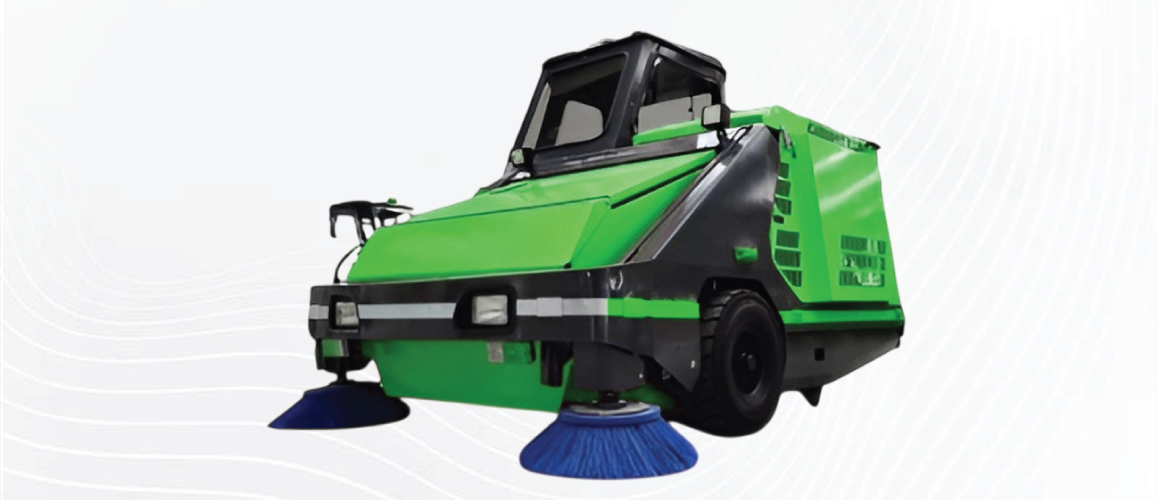
Effective operator training is crucial for maximizing the efficiency of road sweepers. These machines are essential for maintaining clean streets, reducing pollution, and enhancing the overall aesthetic of urban environments. However, the performance of a road sweeper is heavily dependent on the skills and knowledge of its operator.
Proper training ensures that operators understand the machine’s capabilities, limitations, and maintenance requirements, which can significantly impact its operational efficiency. To achieve maximum efficiency, training programs should encompass both theoretical knowledge and practical skills. Operators should be educated on the various components of the road sweeper, including the brushes, vacuum systems, and water tanks.
Understanding how these elements work together allows operators to make informed decisions during operation, such as adjusting brush height or selecting the appropriate sweeping mode for different surfaces. Additionally, hands-on training sessions can help operators develop the muscle memory needed to maneuver the machine effectively in various environments.
Key Takeaways
- Proper operator training is essential for maximizing road sweeper efficiency.
- Regular training sessions can help operators improve their performance and efficiency.
- Operators should be trained on the proper use of road sweeper equipment and techniques.
- Training can help reduce downtime and maintenance costs for road sweepers.
- Well-trained operators can help improve overall road cleanliness and safety.
Essential Training Tips for Maximum Road Sweeper Efficiency
One of the most essential training tips for road sweeper operators is to emphasize the importance of pre-operation checks. Before starting a shift, operators should conduct thorough inspections of the machine to ensure that all components are functioning correctly. This includes checking fluid levels, inspecting brushes for wear and tear, and ensuring that filters are clean.
By identifying potential issues before they escalate, operators can prevent downtime and maintain optimal performance throughout their shifts. Another critical aspect of training involves teaching operators about the different sweeping techniques suitable for various conditions. For instance, operators should be trained to adjust their sweeping patterns based on factors such as debris type, weather conditions, and road surface materials.
In wet conditions, for example, operators may need to modify their approach to prevent debris from sticking to the pavement. By equipping operators with this knowledge, municipalities can ensure that their road sweepers operate at peak efficiency regardless of external factors.
Operator Training: Key to Sweeper Efficiency
The role of operator training in enhancing road sweeper efficiency cannot be overstated. Well-trained operators are not only more adept at handling the machinery but also more aware of best practices that contribute to effective street cleaning. This awareness translates into better decision-making during operations, leading to improved cleaning results and reduced operational costs.
For instance, an operator who understands how to optimize water usage can minimize waste while still achieving thorough cleaning.
Moreover, ongoing training is vital in keeping operators updated on new technologies and techniques in road sweeping.
As manufacturers continue to innovate and improve their machines, it is essential for operators to stay informed about these advancements.
Regular training sessions can introduce operators to new features or enhancements that can further boost efficiency. This commitment to continuous learning fosters a culture of excellence within the workforce, ultimately benefiting the entire community through cleaner streets.
Maximizing Efficiency: Road Sweeper Operator Training Tips
|
Training Tips |
Efficiency Metrics |
|
Proper Equipment Familiarization |
Reduction in Equipment Downtime |
|
Route Planning and Time Management |
Increase in Area Coverage |
|
Effective Sweeping Techniques |
Reduction in Repeat Sweeping |
|
Regular Maintenance and Inspection |
Decrease in Maintenance Costs |
To maximize efficiency in road sweeping operations, it is essential to incorporate a variety of training methods tailored to different learning styles. Some operators may benefit from visual aids such as diagrams and videos that illustrate proper techniques, while others may prefer hands-on practice with real equipment. By diversifying training approaches, municipalities can ensure that all operators receive the information they need in a format that resonates with them.
Additionally, fostering a collaborative environment among operators can enhance learning outcomes.
Encouraging experienced operators to mentor newer team members can facilitate knowledge transfer and promote best practices within the team.
This peer-to-peer learning not only builds camaraderie but also helps create a more skilled workforce capable of tackling diverse challenges in road maintenance.
The Importance of Operator Training for Road Sweeper Efficiency
The importance of operator training extends beyond immediate operational efficiency; it also contributes to long-term sustainability and cost-effectiveness. Well-trained operators are less likely to make mistakes that could lead to costly repairs or inefficient cleaning practices. For example, improper use of brushes can lead to premature wear and tear, necessitating more frequent replacements and increasing overall maintenance costs.
Furthermore, effective operator training can enhance safety on the job site. Operators who are well-versed in safety protocols are less likely to experience accidents or injuries while operating heavy machinery. This not only protects the operators themselves but also ensures the safety of pedestrians and other road users.
By prioritizing safety through comprehensive training programs, municipalities can create a safer working environment while simultaneously improving operational efficiency.
Tips for Road Sweeper Operators to Maximize Efficiency
To further maximize efficiency, road sweeper operators should be encouraged to develop a routine that includes regular maintenance checks during their shifts. This practice not only helps identify potential issues early but also reinforces the importance of machine care among operators. Simple tasks such as cleaning filters or checking fluid levels throughout the day can prevent larger problems from arising and ensure that the machine operates smoothly.
Additionally, operators should be trained to adapt their strategies based on real-time feedback from the machine’s performance indicators. Many modern road sweepers come equipped with advanced monitoring systems that provide data on fuel consumption, brush wear, and overall performance metrics. By understanding how to interpret this data, operators can make informed adjustments during their shifts to optimize efficiency and reduce resource consumption.
Improving Road Sweeper Efficiency through Operator Training
Improving road sweeper efficiency through operator training requires a commitment from both management and operators alike. Management should prioritize investing in comprehensive training programs that cover all aspects of machine operation and maintenance. This investment not only enhances operational efficiency but also demonstrates a commitment to employee development and safety.
On the other hand, operators must take an active role in their own learning by seeking out additional resources and opportunities for skill enhancement. Engaging in workshops or online courses related to road sweeping technology can provide valuable insights that complement formal training programs. By fostering a culture of continuous improvement among operators, municipalities can ensure that their road sweeping operations remain efficient and effective over time.
Operator Training: Enhancing Road Sweeper Performance
Ultimately, operator training serves as a cornerstone for enhancing road sweeper performance across various dimensions. A well-trained operator is equipped not only with technical skills but also with a deep understanding of how their actions impact overall street cleanliness and community satisfaction. This holistic approach ensures that every sweep contributes positively to urban environments.
Moreover, as cities continue to evolve with increasing traffic and environmental challenges, the need for efficient road sweeping becomes even more critical. By investing in robust operator training programs today, municipalities can prepare their workforce for future demands while ensuring that their road sweepers operate at peak performance levels now and in the years to come.
FAQs
What is the importance of operator training for road sweeper efficiency?
Operator training is crucial for road sweeper efficiency as it ensures that operators are familiar with the equipment, understand proper operating procedures, and can effectively troubleshoot any issues that may arise. Well-trained operators can maximize the performance of the road sweeper, leading to improved efficiency and productivity.
What are some essential training tips for road sweeper operators to maximize efficiency?
Some essential training tips for road sweeper operators to maximize efficiency include proper equipment familiarization, understanding of sweeping techniques, knowledge of maintenance procedures, effective communication skills, and adherence to safety protocols. Additionally, ongoing training and refresher courses can help operators stay updated on the latest technologies and best practices.
How can operator training enhance road sweeper performance?
Operator training can enhance road sweeper performance by ensuring that operators are proficient in using the equipment, can identify and address potential issues, and understand how to optimize sweeping techniques for different surfaces and conditions. Well-trained operators are also more likely to operate the road sweeper in a safe and efficient manner, leading to improved overall performance.
What are some common challenges that road sweeper operators may face, and how can training help address them?
Common challenges that road sweeper operators may face include equipment malfunctions, navigating tight spaces, and effectively removing different types of debris. Training can help operators address these challenges by providing them with the knowledge and skills to troubleshoot equipment issues, maneuver the road sweeper in challenging environments, and use the appropriate sweeping techniques for different debris types.
How can road sweeper operators contribute to improving efficiency through training?
Road sweeper operators can contribute to improving efficiency through training by consistently applying best practices, conducting regular equipment inspections, promptly addressing any issues that arise, and communicating effectively with maintenance and management teams. Additionally, ongoing training can help operators stay informed about new technologies and techniques that can further enhance efficiency.