
Upcoming Construction Projects in Nigeria
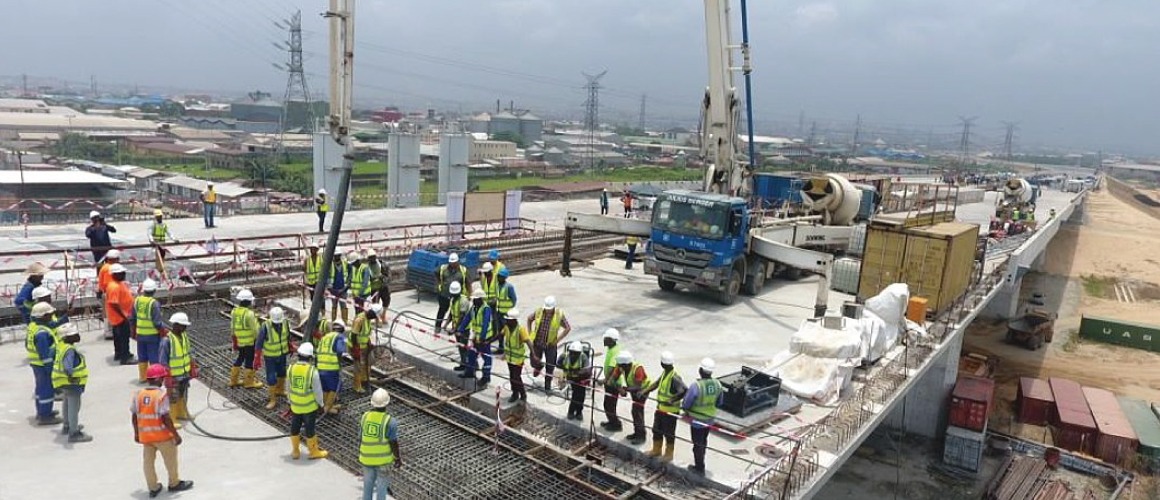
Nigeria, Africa’s most populous nation and largest economy, is experiencing a period of ongoing infrastructure development. This article will examine a selection of significant construction projects slated for the coming years, highlighting areas of focus such as transportation, energy, housing, and urban development. The goal is to provide a factual overview of these initiatives, outlining their scope and potential impact on the national landscape.
Transportation Infrastructure
Transportation infrastructure forms the backbone of any developing economy, facilitating trade, mobility, and regional integration. Nigeria’s upcoming projects reflect this understanding, with a clear emphasis on modernizing and expanding its roadways, railways, and ports.
Road Network Expansion and Rehabilitation
The federal government, alongside state governments and private sector partners, is undertaking numerous road projects. These range from the construction of new arterial highways to the rehabilitation of existing, deteriorating routes. One key project is the ongoing expansion and reconstruction of the Lagos-Badagry Expressway. This project, a crucial link between Nigeria and its West African neighbors, aims to ease congestion and improve travel times for commuters and commercial traffic alike. Its completion is expected to unlock further economic potential in the region.
Another significant undertaking is the rehabilitation of the Abuja-Kaduna-Kano Road. This major inter-state highway serves as a vital corridor for goods and people moving between the northern and central parts of the country. Improving its condition is paramount for reducing accidents, transport costs, and journey durations. The project is being executed in phases, focusing on critical sections first.
Furthermore, several states are investing in their internal road networks. Rivers State, for example, has initiated multiple flyover projects in Port Harcourt to address traffic bottlenecks. These localized interventions are designed to improve intra-city movement and reduce daily commuting frustrations. Think of these road projects as the arteries and capillaries of the national body, essential for the healthy flow of resources and movement.
Rail System Modernization and Expansion
Nigeria’s long-term vision includes a revitalized and expanded rail network. After decades of neglect, significant efforts are being made to establish a modern standard-gauge rail system across the country.
The most notable progress has been made on the Lagos-Ibadan Standard Gauge Railway, which is now operational. Building on this success, the federal government is advancing plans for the Ibadan-Kano Standard Gauge Railway. This ambitious project aims to connect the commercial hub of Lagos with the northern agricultural and commercial center of Kano, passing through numerous states. This railway line is envisioned as a game-changer for freight movement, offering a more efficient and cost-effective alternative to road transport for bulk goods.
Beyond the North-South axis, feasibility studies and initial works are underway for other critical lines. The Port Harcourt-Maiduguri Standard Gauge Railway is another strategic project designed to link the South-South region with the North-East, facilitating economic integration and agricultural evacuation. The challenges include securing adequate funding and managing the logistics of construction across diverse terrains. These rail lines are the strong sinews connecting different parts of Nigeria, allowing for more streamlined movement and stronger economic integration.
Port Development and Modernization
Seaports are Nigeria’s gateways to international trade. To enhance efficiency and capacity, several port development projects are in various stages of planning and execution.
The Lekki Deep Seaport, located east of Lagos, represents a significant private sector-led investment. This facility is designed to accommodate larger vessels and handle more cargo than existing ports, thereby reducing congestion at the traditional Apapa and Tin Can Island ports. Its operationalization is expected to increase Nigeria’s competitiveness in regional and global trade, positioning it as a transshipment hub for West Africa.
Another project of note is the Ibom Deep Seaport in Akwa Ibom State. This greenfield project aims to serve the South-South and South-East regions, providing an alternative export and import gateway. Its strategic location offers the potential to unlock economic growth in a resource-rich but historically underserved area. These ports are the outstretched hands of Nigeria, reaching out to the global marketplace, ready to receive and send goods.
Energy Sector Projects
Reliable and sufficient energy supply is fundamental to industrial growth and improved living standards. Nigeria, despite its vast oil and gas reserves, faces significant challenges in power generation and distribution. Upcoming projects seek to address these deficiencies across various energy sources.
Power Generation Initiatives
The government and private investors are pursuing diverse strategies to boost power generation capacity. Thermal power plants, particularly those fueled by Nigeria’s abundant natural gas, continue to be a focus. The ongoing construction of the Mambilla Hydroelectric Power Project in Taraba State is a landmark undertaking. This large-scale hydropower scheme, if completed, will add substantial clean energy to the national grid, significantly altering Nigeria’s energy mix. However, the project has faced funding and logistical hurdles.
Additionally, interest in renewable energy sources is growing. Several solar power projects are being developed, particularly in the northern states where solar insolation is high. These projects, often facilitated by independent power producers, aim to provide off-grid solutions and supplement the national grid. The implementation of mini-grids and distributed energy systems is also gaining traction, particularly for rural electrification.
Oil and Gas Infrastructure
Given Nigeria’s reliance on hydrocarbon revenues, investment in the oil and gas sector continues. The Ajaokuta-Kaduna-Kano (AKK) Gas Pipeline project is a strategic initiative aimed at transporting natural gas from the southern part of the country to industrial centers in the North. This pipeline is expected to provide gas for power generation, industrial consumption, and potentially, fertilizer production, stimulating economic activity along its route. Its completion is a critical component of the government’s gas industrialization plan.
Furthermore, several modular refineries are under construction or in advanced stages of planning. These smaller-scale facilities are intended to increase domestic refining capacity, reduce reliance on imported petroleum products, and address energy security concerns. Think of the energy sector as the nation’s heart, needing powerful and consistent beats to sustain the body.
Housing and Urban Development
Rapid population growth and urbanization present significant housing and infrastructure challenges in Nigerian cities. Upcoming projects aim to address these needs through various housing schemes and urban renewal initiatives.
Affordable Housing Programs
Both federal and state governments are implementing programs to provide more affordable housing options. The National Housing Programme, for instance, involves the construction of housing units across various states, targeting different income levels. These projects often involve public-private partnerships to leverage expertise and capital from the private sector. The emphasis is on building homes that are accessible to a wider segment of the population, reducing the burgeoning housing deficit.
Innovations in construction techniques, such as the use of local materials and prefabricated components, are also being explored to reduce construction costs and accelerate delivery. These housing projects are the foundational blocks upon which families and communities are built.
Urban Renewal and Satellite Cities
Major cities like Lagos, Abuja, and Port Harcourt are experiencing ongoing urban renewal efforts. This includes upgrading existing slums, improving public infrastructure, and developing new districts. Eko Atlantic City in Lagos, a private-sector-led initiative on reclaimed land, is an example of large-scale urban development designed to create a new financial and residential district.
The development of satellite cities and new towns outside existing metropolitan areas is another strategy to decongest urban centers and provide planned growth. These projects often include integrated infrastructure, such as roads, utilities, and social amenities, to create self-sufficient communities. Providing spaces for expansion is like a growing tree sending down new roots and branches.
Industry and Commercial Infrastructure
|
Category |
Metrics |
|
Industrial Production |
Output, Capacity Utilization, Industrial Growth Rate |
|
Commercial Infrastructure |
Retail Sales, Commercial Real Estate, Business Investment |
|
Employment |
Unemployment Rate, Job Openings, Labor Force Participation |
|
Trade |
Imports, Exports, Trade Balance |
To diversify its economy, Nigeria needs to foster industrial growth and attract investment. Upcoming projects reflect efforts to create enabling environments for businesses.
Export Processing Zones and Industrial Parks
The establishment and expansion of Export Processing Zones (EPZs) and Industrial Parks are key aspects of this strategy. These zones offer incentives to businesses, such as tax holidays and simplified customs procedures, aiming to attract foreign direct investment and boost domestic manufacturing. The Lekki Free Zone, for example, is attracting significant investments, including the multi-billion dollar Dangote Refinery and Petrochemical Complex, which is a major project nearing completion.
These industrial hubs are designed to create a cluster effect, where businesses can benefit from shared infrastructure and services. The objectives include job creation, technology transfer, and increased non-oil exports. These zones are the fertile ground where economic seeds can sprout and grow into vital industries.
Digital Infrastructure
In an increasingly digital world, robust digital infrastructure is essential. Ongoing projects include expanding fiber optic networks across the country to improve internet connectivity and reduce data costs. This will support the growth of the digital economy, e-commerce, and remote work, impacting various sectors from education to healthcare. The deployment of 5G technology in major cities is also underway, promising faster internet speeds and greater capacity.
Water Resources and Sanitation
Access to clean water and adequate sanitation remains a challenge for many Nigerians. Upcoming projects in this sector aim to improve public health and living conditions.
Water Supply Schemes
Numerous states are investing in new water treatment plants and expanding existing water supply networks to provide potable water to more communities. Projects often involve the construction of dams, boreholes, and pipeline networks. The rehabilitation of the Greater Port Harcourt Water Supply Scheme is one example, designed to improve water availability and quality for residents in the metropolitan area.
Sanitation and Waste Management
Addressing sanitation challenges includes upgrading sewage systems and improving waste management infrastructure. Projects often focus on constructing modern landfill sites, promoting recycling initiatives, and improving wastewater treatment facilities. These efforts are crucial for public health and environmental protection. Providing clean water and managing waste are like tending to the body’s internal systems, crucial for overall well-being.
In summary, Nigeria’s construction landscape is characterized by a range of projects aimed at modernizing infrastructure across various sectors. While challenges such as funding, security, and project management persist, these initiatives represent a significant push towards economic diversification, improved living standards, and enhanced regional competitiveness. The success of these projects will shape the nation’s trajectory for decades to come, laying the groundwork for future development.
FAQs
- What are some of the upcoming construction projects in Nigeria?
Upcoming construction projects in Nigeria include the expansion and rehabilitation of major road networks such as the Lagos-Badagry Expressway and the Abuja-Kaduna-Kano Road. Additionally, significant rail projects like the Ibadan-Kano Standard Gauge Railway and the Port Harcourt-Maiduguri Standard Gauge Railway are in progress. In the energy sector, the Mambilla Hydroelectric Power Project and various solar power initiatives are being developed. Housing projects under the National Housing Programme and urban renewal efforts in cities like Lagos and Abuja are also notable.
2. How is the infrastructure development in Nigeria being impacted by these upcoming construction projects?
These construction projects are expected to significantly enhance Nigeria’s infrastructure by improving transportation networks, increasing energy capacity, and providing affordable housing. The modernization of roads and railways will facilitate trade and mobility, while energy projects aim to address power shortages. Housing initiatives will help alleviate the housing deficit, and urban renewal projects will improve living conditions in major cities, ultimately contributing to economic growth and development.
3. What role does the oil industry play in driving the construction boom in Nigeria?
The oil industry is a major driver of Nigeria’s economy and significantly influences the construction sector. Revenues from oil and gas provide funding for infrastructure projects, including roads, energy facilities, and housing developments. Additionally, investments in oil and gas infrastructure, such as the Ajaokuta-Kaduna-Kano Gas Pipeline and modular refineries, are crucial for enhancing energy security and stimulating economic activity, which in turn supports construction growth.
4. What are the key factors contributing to the growth of Nigeria’s construction sector?
Key factors contributing to the growth of Nigeria’s construction sector include government initiatives to improve infrastructure, increased foreign direct investment, and public-private partnerships. The need for modernization in transportation, energy, and housing, driven by rapid urbanization and population growth, also plays a significant role. Furthermore, the government’s focus on diversifying the economy beyond oil dependency encourages investment in various construction projects.
5. What opportunities and challenges are associated with Nigeria’s upcoming construction projects?
Opportunities associated with these projects include job creation, economic diversification, and improved living standards. The construction boom can attract foreign investment and foster technological advancements. However, challenges such as securing adequate funding, managing logistics, addressing security concerns, and ensuring effective project management can hinder progress. Overcoming these challenges is essential for the successful implementation of construction initiatives in Nigeria.