
Dholera Semiconductor
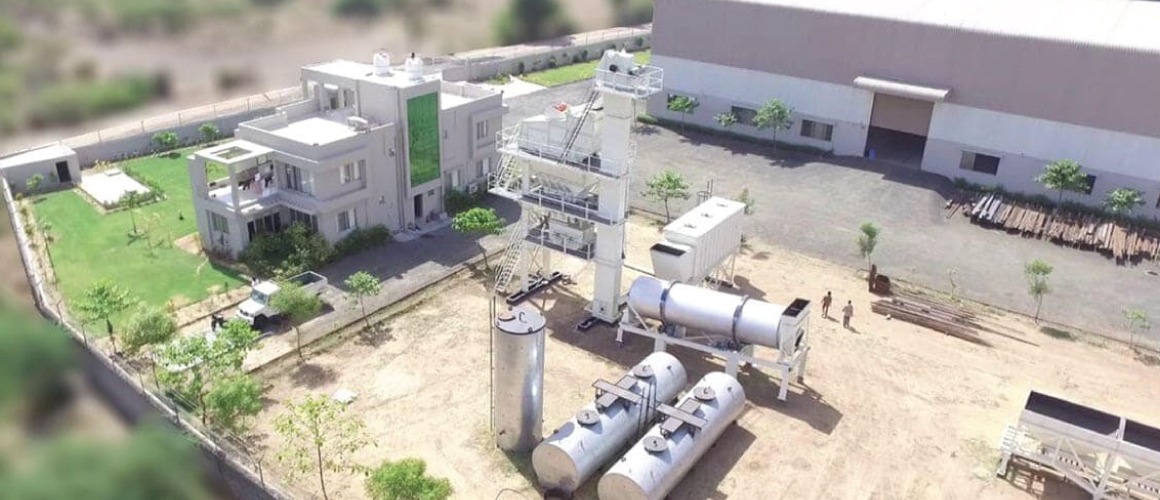
Introduction to Dholera Semiconductor Fab
Dholera, a planned city in Gujarat, India, is emerging as a significant location for semiconductor manufacturing. This development is part of India’s broader strategy to establish itself as a global hub for high-tech industries. The Dholera Special Investment Region (SIR) provides the infrastructure and policy support necessary for large-scale industrial projects. The focus on semiconductors in Dholera represents a critical step in India’s journey towards technological self-reliance and economic diversification.
The Dholera semiconductor fab, or fabrication plant, is a facility designed to produce integrated circuits (ICs). These circuits are the foundational components of almost all modern electronic devices, from smartphones and computers to automotive systems and artificial intelligence infrastructure. The establishment of such a facility is a complex undertaking, requiring substantial capital investment, advanced technology transfer, and a highly skilled workforce. Dholera’s strategic location, with its planned world-class infrastructure, aims to attract these essential elements. The fab will not only contribute to India’s GDP but also create numerous direct and indirect employment opportunities, fostering a localized ecosystem of suppliers, researchers, and technical professionals.
India’s Semiconductor Ambitions
India has long been a significant consumer of semiconductors but has historically lacked substantial domestic manufacturing capabilities. This reliance on imports creates vulnerabilities in global supply chains, especially during geopolitical tensions or economic disruptions. The Indian government recognized this strategic imperative to build indigenous semiconductor manufacturing. The “Make in India” initiative and the India Semiconductor Mission (ISM) are foundational to this drive. These programs offer financial incentives, policy support, and infrastructure development to attract global semiconductor companies and encourage local startups in the sector. Dholera is a key piece in this national puzzle, envisioned as a greenfield site where modern industrial practices and sustainable development can coexist. The government sees semiconductor manufacturing as a cornerstone of its digital economy aspirations, much like the steel industry was a cornerstone of industrial economies in the 20th century.
The Role of Investment and Collaboration
The Dholera semiconductor project relies heavily on both domestic and international investment. Attracting major global players requires demonstrating a robust policy environment, predictable regulatory frameworks, and a promise of long-term stability. The Indian government has positioned itself as a facilitative partner, actively engaging with semiconductor companies to understand their needs and address potential hurdles. Furthermore, international collaborations are crucial for technology transfer and expertise sharing. Semiconductor manufacturing is a globally interconnected industry, with a complex web of intellectual property and specialized equipment. Dholera aims to become a node in this global network, benefiting from partnerships while contributing to the global semiconductor supply chain. This collaborative approach recognizes that no single nation can master every aspect of semiconductor production in isolation.
The Rise of Dholera as a Semiconductor Hub
Dholera’s journey to becoming a semiconductor hub is not accidental but a result of deliberate planning and significant investment. The city itself is conceived as a smart, sustainable industrial metropolis. Its characteristics make it an attractive proposition for high-tech manufacturing, especially in a sector as demanding as semiconductors.
Strategic Location and Infrastructure
Dholera’s location in Gujarat offers several advantages. The state has a proven track record in industrial development and a supportive
government. The city is strategically positioned along the Delhi-Mumbai Industrial Corridor (DMIC), providing excellent connectivity to major economic centers and ports. This connectivity is vital for the timely import of raw materials and export of finished goods, an aspect that acts as the circulatory system for a semiconductor fab. The infrastructure development in Dholera is comprehensive, including dedicated power and water supply, fibre optic connectivity, and efficient transportation networks. Semiconductor fabs are enormous consumers of purified
water and stable electricity, making these infrastructure provisions non-negotiable. The existence of an international airport nearby further strengthens its appeal for global business travel and logistics.
Policy Support and Incentives
The Indian government’s semiconductor policy framework is a powerful magnet for investors. The India Semiconductor Mission (ISM) offers substantial financial incentives, including production-linked incentives (PLI) schemes that reduce the initial capital expenditure for setting up a fab. These incentives are designed to bridge the cost gap between manufacturing in India and other established semiconductor hubs. For example, subsidies cover a significant portion of project costs, making Dholera a competitive location. Beyond financial aid, the government provides regulatory support, streamlining approval processes and creating a single-window clearance system to expedite project implementation. Such policy clarity and consistency are like the steady winds that propel a ship forward, providing certainty for long-term investments. Additionally, special provisions are made for research and development (R&D) and skill development, ensuring a continuous supply of innovation and talent.
Talent Pool Development
One of the greatest challenges for any high-tech industry is the availability of skilled labour. India has a large pool of engineering graduates, but specialized training for semiconductor manufacturing is crucial. Dholera aims to address this through collaborations with academic institutions and vocational training centers. Programs are being developed to equip engineers and technicians with the specific skills required for semiconductor fabrication, process engineering, and equipment maintenance. This involves partnerships with international universities and companies to bring world-class curriculum and training methodologies to India. The long-term vision includes establishing research centers and incubators within Dholera, fostering a local innovation ecosystem that will attract and retain top talent. This effort to cultivate a high-skilled workforce is like nurturing the soil around a budding plant, ensuring it has the nutrients to grow strong.
Dholera’s Semiconductor Industry: A Closer Look
The Dholera semiconductor industry, still in its nascent stages, represents a significant leap for India. It is not merely about setting up a factory but about creating a holistic ecosystem that supports semiconductor research, design, manufacturing, and application.
Manufacturing Capabilities and Technologies
The primary focus of the Dholera fab will be on advanced semiconductor manufacturing processes. While the exact technology nodes (e.g., 28nm, 65nm) will depend on the specific investments and partnerships, the ambition is to move towards leading-edge or near-leading-edge technologies. This means producing chips with smaller feature sizes, allowing for greater transistor density and improved performance, critical for applications like AI, 5G, and high-performance computing. The fab will likely employ highly automated processes within cleanroom environments, which are essential to prevent contamination of sensitive silicon wafers. The types of semiconductors produced could include logic chips, memory chips, or specialized chips for particular industries, responding to global demand and market opportunities. The choice of technology node is a strategic decision, like selecting the right caliber of weapon for a specific task.
Ancillary Industries and Supply Chain
A semiconductor fab doesn’t operate in isolation; it sits at the heart of a vast supply chain. Dholera aims to attract ancillary industries that will supply essential materials, chemicals, gases, and specialized equipment to the fab. This includes companies manufacturing photoresists, high-purity silicon wafers, deposition materials, and advanced packaging solutions. The development of a local supply chain reduces reliance on imports, strengthens resilience against disruptions, and creates additional employment opportunities. Furthermore, the presence of a fab will naturally attract design houses and outsourced semiconductor assembly and test (OSAT) companies, creating a complete value chain within the region. This clustering of related industries is like a magnetic field, attracting more components to build a robust system.
Research and Development Synergy
Beyond manufacturing, Dholera seeks to foster a vibrant research and development (R&D) environment. The presence of a fab provides an invaluable platform for academic research and industrial innovation. Universities and research institutions can collaborate with the fab to develop new materials, processes, and chip architectures. This synergy between manufacturing and R&D is crucial for staying competitive in the fast-evolving semiconductor landscape. Incubators and accelerators within Dholera will support semiconductor startups, providing them with access to resources, mentorship, and potential customers. This commitment to R&D ensures that Dholera remains not just a manufacturing base but also a center of innovation.
The Future of Dholera’s Semiconductor Fab
|
Metrics |
Data |
|
Investment |
10 billion |
|
Employment |
5,000 jobs |
|
Production Capacity |
100,000 wafers per month |
|
Technology Node |
5nm |
The future of Dholera’s semiconductor fab is tied to India’s broader economic and technological trajectory. It holds the promise of significant growth and impact, but also faces considerable challenges.
Scaling Up Production and Technology Upgrades
Initial investments will establish the foundational manufacturing capabilities. The long-term vision involves scaling up production capacity and continuously upgrading to more advanced technology nodes. The semiconductor industry is characterized by rapid technological obsolescence; yesterday’s leading edge is tomorrow’s commodity. Therefore, continuous investment in R&D and equipment upgrades will be imperative to maintain competitiveness. This requires a dynamic ecosystem of suppliers, researchers, and trained personnel who can adapt to new processes and requirements. The fab will function as a living entity, constantly evolving and refining its capabilities.
Global Market Integration and Export Potential
Dholera’s semiconductor products will not only cater to India’s domestic needs but also aim for global markets. India’s strategic location facilitates trade across Asia, Africa, and beyond. As the global demand for semiconductors continues to surge, a reliable supply source from Dholera could become highly valuable. The ability to export high-quality, cost-competitive chips will be a testament to the success of the project and India’s manufacturing prowess. This integration into the global market positions Dholera as a contributor rather than just a consumer of advanced technology.
Dholera’s Role in the Global Semiconductor Market
Dholera’s entry into semiconductor manufacturing will undoubtedly reshape India’s position in the global market. It adds a new dynamic to a sector traditionally dominated by a few key players.
Diversifying the Global Supply Chain
The global semiconductor supply chain has shown its fragility in recent years, highlighting the need for diversification. Dholera, by becoming a new manufacturing hub, contributes to this diversification. It provides an alternative production source, potentially reducing the concentration risk associated with existing hubs. This move is welcomed by many international stakeholders who seek greater resilience in their supply chains. India’s presence as a semiconductor manufacturer adds a new layer to the global tapestry of chip production.
Contributing to India’s Economic Growth and Strategic Autonomy
The semiconductor industry is a high-value sector with significant multiplier effects on the economy. Dholera’s fab will directly contribute to India’s GDP, create high-skill jobs, and attract further foreign direct investment. More importantly, it enhances India’s strategic autonomy in critical technological domains. Having domestic manufacturing capability reduces reliance on external sources for fundamental components, strengthening national security and technological self-reliance, much like cultivating one’s own food supply rather than relying solely on imports.
Challenges and Opportunities for Dholera’s Semiconductor Industry
Like any ambitious endeavor, Dholera’s semiconductor journey faces both significant hurdles and promising avenues for growth. Understanding these aspects is crucial for a realistic assessment.
Navigating Global Competition and Technological Complexity
The semiconductor industry is intensely competitive, with established players holding decades of expertise and massive capital. Dholera must compete on cost, quality, and technological advancement. The sheer complexity of semiconductor manufacturing, from ultra-precise machinery to intricate process flows, presents a steep learning curve. Maintaining a technological edge requires continuous investment and a commitment to innovation. This is a field where standing still means falling behind.
Ensuring Sustainable Operations and Environmental Compliance
Semiconductor fabs are resource-intensive, requiring vast amounts of water and energy. Ensuring sustainable operations and strict environmental compliance will be paramount. Dholera’s smart city planning incorporates green initiatives, but consistent adherence to these principles will be an ongoing challenge. Efficient waste management, water recycling, and adoption of renewable energy sources will be crucial for long-term viability and public acceptance. The long-term viability of the project is tied to its environmental stewardship.
Talent Acquisition and Retention
While India has a large population, specialized semiconductor talent is rare. Attracting global experts and developing local talent proficient in advanced manufacturing techniques will be critical. Retaining this talent against international competition requires competitive compensation, attractive living conditions, and opportunities for professional growth. This challenge is not unique to Dholera but is amplified by the nascent nature of India’s semiconductor manufacturing sector.
Opportunities for Innovation and Niche Market Focus
Despite the challenges, Dholera has significant opportunities. India’s massive domestic market for electronics and growing digital economy provide a built-in demand for semiconductors. There’s also an opportunity to focus on niche markets, such as chips for automotive electronics, power management, or specialized IoT devices, where demand is high and competition might be less fierce than in general-purpose computing. Furthermore, India’s strength in software and design can create a powerful synergy with hardware manufacturing, fostering end-to-end innovation within Dholera. This synergy is like pairing a strong engine with a well-designed chassis.
Government Initiatives to Support Dholera’s Semiconductor Fab
The Indian government has positioned itself as the chief enabler and facilitator for Dholera’s semiconductor ambitions. Its initiatives span policy, finance, and infrastructure.
Financial Incentives and Subsidies
A cornerstone of government support is the package of financial incentives offered through initiatives like the India Semiconductor Mission. These include production-linked incentives (PLI) covering a significant percentage of capital expenditure, interest subsidies, and tax concessions. These financial levers aim to de-risk investments for companies considering setting up fabs in India, making the economics more attractive compared to other global locations. These incentives act as ballast, stabilizing the financial waters for prospective investors.
Infrastructure Development and Land Allocation
The government is investing heavily in the physical infrastructure necessary for semiconductor manufacturing. This includes securing consistent and high-quality power supply, guaranteed water availability, and robust transportation networks in Dholera. Furthermore, large tracts of land are being allocated specifically for industrial units, often at subsidized rates, to encourage rapid development. The planned city’s smart infrastructure ethos directly benefits these high-tech industries.
Skill Development and Research Promotion
Recognizing the human capital requirements, the government is actively promoting skill development programs. This involves collaborations with international experts, academic institutions, and industry players to train a specialized workforce. Funding for research and development activities in semiconductor design and manufacturing is also being provided, aiming to create an environment where innovation can flourish. This includes grants for universities and the establishment of centers of excellence.
Policy Stability and Ease of Doing Business
A critical aspect of government support is ensuring policy stability and fostering an environment conducive to business. This involves streamlining regulatory processes, providing single-window clearance mechanisms for projects, and offering long-term policy clarity. Such measures reduce bureaucratic hurdles and provide investors with confidence in the long-term viability of their ventures in Dholera. This commitment to ease of doing business acts as a clear pathway for industries to navigate.
FAQs
- What is Dholera Semiconductor Fab and its role in the semiconductor industry?
Dholera Semiconductor Fab is a state-of-the-art semiconductor manufacturing facility located in the Dholera Special Investment Region (DSIR) in Gujarat, India. It plays a crucial role in the semiconductor industry by producing advanced semiconductor chips for various electronic devices.
- How has Dholera emerged as a semiconductor hub?
Dholera has emerged as a semiconductor hub due to its strategic location, government support, and infrastructure development. The Dholera Special Investment Region has been designed to attract semiconductor companies and promote the growth of the semiconductor industry.
- What are the opportunities and challenges for Dholera’s semiconductor industry?
The semiconductor industry in Dholera presents opportunities for economic growth, job creation, and technological advancement. However, it also faces challenges such as global competition, technological innovation, and infrastructure development.
- What are the government initiatives to support Dholera’s semiconductor fab?
The Indian government has implemented various initiatives to support Dholera’s semiconductor fab, including incentives for semiconductor manufacturing, infrastructure development, and policies to attract investment in the semiconductor industry.
- What is the future outlook for Dholera’s semiconductor fab and its role in the global semiconductor market?
The future of Dholera’s semiconductor fab looks promising, with potential for expansion, technological innovation, and collaboration with global semiconductor companies. Dholera is expected to play a significant role in the global semiconductor market as it continues to grow and develop its semiconductor industry.