
How to Increase Productivity in Asphalt Mixing Plants
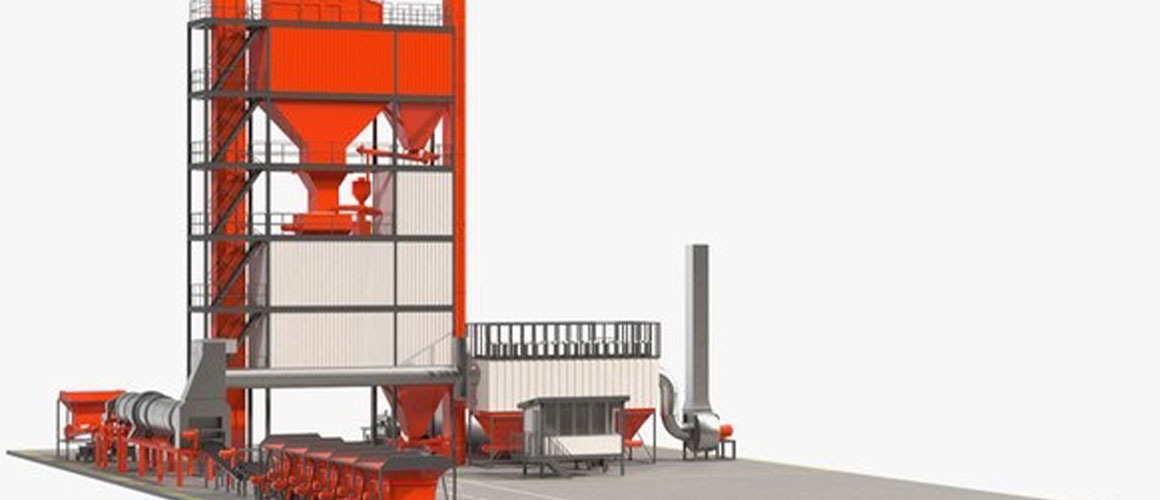
Let’s face it, getting more done at an asphalt mixing plant isn’t just about pushing harder; it’s about working smarter. If you’re looking to boost your plant’s output, you’re probably wondering what the real levers are. In a nutshell, increasing asphalt mixing plant productivity boils down to a few key areas: understanding what’s holding you back, refining your daily operations, planning ahead, making sure your team is up to snuff, adopting the right tech, keeping your equipment in top shape, and managing your materials like a pro. It’s a comprehensive approach, and we’ll dive into each part to give you actionable insights.
What Is Slowing Down Your Asphalt Mixing Plant Productivity?
Before you can speed things up, you need to know where the bottlenecks are. Think of it like figuring out why your car is sputtering before you try to fix the engine. Identifying the factors that are hampering your plant’s productivity is the crucial first step.
Material Flow and Storage Issues
Sometimes, it’s as simple as materials not being where they need to be, or not being available when needed.
Inefficient Aggregate Staging
Are your aggregate bins always full and readily accessible? If aggregates have to be moved around multiple times before they reach the cold feed, that’s lost time and effort. Proper staging ensures the right materials are at the front of the line.
Limited Cold Feed Capacity
If your cold feed bins can’t hold enough material for a sustained batch, you’ll be constantly waiting for refills. This interruption breaks the rhythm of the plant.
Binder Storage and Heating Challenges
Ensuring sufficient hot binder storage and maintaining the correct temperature without overheating or underheating is critical. Inconsistent binder temperatures can lead to mix quality issues and slow down the whole process.
Plant Design and Configuration Limitations
The way your plant is laid out and its inherent capabilities play a big role.
Age and Technology of the Plant
Older plants, while sometimes reliable, often lack the efficiency and automation of newer models. They might have slower mixing times, less precise controls, and require more manual intervention.
Plant Throughput Capacity
Every plant has a theoretical maximum output. If your targets consistently exceed this capacity, you’re setting yourself up for disappointment. Understanding your plant’s realistic maximum is key.
Batch vs. Continuous Mix Differences
Different plant types have inherent productivity characteristics. Batch plants typically offer more control over mix quality but might be slower in continuous operation compared to continuous mix plants that can offer higher output if managed well.
Environmental and Weather Impacts
You can’t control the weather, but you can plan for its effects.
Rain and Wind Disruptions
Heavy rain can halt operations entirely. Strong winds can make it difficult and dangerous to load materials, impacting the supply of aggregates and the safe operation of the plant.
Temperature Fluctuations
Extreme heat can affect asphalt binder viscosity and worker comfort. Extreme cold can impact heating efficiency and make materials harder to handle.
How Can Daily Operations Be Streamlined in Asphalt Mixing Plants?
Once you have a handle on the underlying issues, it’s time to fine-tune how things run day-to-day. Small, consistent improvements in your processes can add up to significant gains.
Optimizing the Batching Process
The core of asphalt production is the batching itself. Getting this right is paramount.
Accurate Weighing and Dosing
Precise measurement of aggregates and binder is non-negotiable. Over- or under-dosing leads not only to quality issues but also wastes material and time, as corrections may be needed or batches rejected.
Efficient Mixing Cycles
Minimizing the time aggregates spend in the mixer without compromising quality is a balancing act. Too short, and you get poor coating; too long, and you’re just burning fuel and holding up production.
Reduced Downtime Between Batches
Every second lost between batches is a direct hit to productivity. This includes time for screen changes, temperature adjustments, or equipment checks. A smooth handover is essential.
Improving Material Handling and Loading
Getting materials to and from the plant efficiently is a constant task.
Efficient Truck Loading Procedures
Queue management for loaded asphalt trucks is vital. Bottlenecks on the loading apron can clog the entire plant. Having clear lanes and efficient loading personnel can make a big difference.
Minimizing Spillage and Material Loss
Spilled aggregates or asphalt aren’t just a mess; they’re wasted material and money. Implementing good practices for loading and transport can reduce this.
Proper Storage of Finished Product
Ensuring the finished asphalt mix is stored correctly in insulated silos or trucks before delivery prevents segregation and temperature loss, which can lead to rejected loads and production delays.
Effective Workforce Management and Scheduling
Your team is your biggest asset, and their efficiency directly impacts output.
Clear Communication and Task Assignment
Ensuring everyone knows their role and what needs to be done next prevents confusion and wasted effort. Daily pre-shift briefings can be incredibly effective.
Skill Development and Cross-Training
Having a team where members can perform multiple roles provides flexibility. If your burner operator is unavailable, can someone else step in? This reduces reliance on single individuals and minimizes downtime.
Fatigue Management
Long shifts are common, but over-tired workers make mistakes. Implementing sensible break schedules and ensuring adequate rest can improve focus and reduce errors.
How Can Strategic Planning Maximize Asphalt Plant Output?
Productivity isn’t just about the immediate operation; it’s also about looking ahead and making smart decisions that pave the way for smoother production.
Proactive Material Procurement and Inventory Management
Running out of something you need is a production killer. Good planning prevents this.
Just-in-Time Delivery Strategies
While it sounds good, for asphalt plants, “just-in-time” needs careful consideration. You need to balance avoiding excess storage with ensuring you always have enough critical materials like binder and aggregates for a continuous run.
Forecasting Demand Accurately
Understanding upcoming projects and their material requirements allows for better procurement and scheduling. This means liaising closely with project managers and sales teams.
Maintaining Optimal Stock Levels
This is a careful balance. Too much stock ties up capital and space; too little risks production stoppages. Analyze your consumption rates and lead times to find that sweet spot.
Production Scheduling and Sequencing
How you plan your batches and when you produce them makes a difference.
Optimizing for Different Mix Designs
Switching between mix designs can involve cleaning and recalibration, which takes time. Planning production runs to complete larger quantities of a single mix design before switching can significantly reduce downtime.
Coordinating with Project Timelines
Aligning your production schedule with the needs of construction projects ensures your asphalt is ready when and where it’s needed, preventing delays at the project site which can sometimes loop back to impact your plant’s schedule.
Planning for Non-Production Periods
When the plant isn’t running, it’s an opportunity for maintenance, upgrades, or staff training. Proactively scheduling these periods can prevent unplanned downtime during peak production.
Resource Allocation and Equipment Utilization
Making sure everything is used to its full potential.
Efficient Use of Mobile Equipment
If you have front-end loaders, excavators, or forklifts, are they being used effectively? Minimizing travel time and ensuring they are always tasked appropriately can boost overall efficiency.
Maximizing Dryer and Mixer Capacity
Understanding the true capacity of your dryer and mixer, and operating them within those parameters without overloading or underutilizing them, is key to consistent output.
Strategic Use of Storage Silos
Effective use of finished product silos can buffer against short-term fluctuations in demand or delivery issues, allowing the plant to maintain a steady production pace.
How Can Worker Performance Improve Asphalt Plant Productivity?
|
Metrics |
Data |
|
Employee Satisfaction |
85% |
|
Productivity |
10% increase |
|
Quality of Work |
90% |
|
Attendance |
95% |
Your team is the engine of your plant. Investing in their skills and well-being directly translates to higher productivity.
Comprehensive Training and Skill Development
Well-trained operators are more efficient and make fewer mistakes.
Regular Refresher Training
Asphalt technology evolves, and so do best practices. Regular training ensures your team stays up-to-date on safe and efficient operation.
Cross-Training for Versatility
As mentioned before, having workers who can perform multiple roles makes your operation more resilient. If your burner operator calls in sick, you don’t grind to a halt.
Specific Equipment Operation Training
Ensuring operators are thoroughly trained on the specific equipment they use maximizes their ability to operate it at peak performance and troubleshoot minor issues.
Safety Culture and Ergonomics
A safe workplace is a productive workplace.
Implementing Robust Safety Protocols
Accidents cause significant downtime and disruption. A strong safety culture, where everyone is vigilant about hazards, is paramount.
Ergonomic Assessments of Workstations
Are your control rooms comfortable? Are your loading stations designed to minimize strain? Small ergonomic improvements can reduce fatigue and improve focus.
Encouraging Feedback and Problem-Solving
Your frontline workers often have the best insights into efficiency improvements. Create an environment where they feel comfortable suggesting solutions.
Performance Monitoring and Feedback
Providing constructive feedback helps individuals and the team improve.
Setting Clear Performance Metrics
What does “productive” look like for each role? Having measurable goals helps everyone understand expectations.
Regular Performance Reviews and Feedback Sessions
Beyond just annual reviews, engaging in regular, informal feedback can help address issues before they become major problems and reinforce good practices.
Recognition and Incentives for Good Performance
Acknowledging and rewarding excellent performance can be a powerful motivator for individuals and teams.
How Can Technology and Automation Increase Asphalt Mixing Plant Efficiency?
Modern technology isn’t just about fanciness; it’s about tangible gains in efficiency and precision.
Advanced Control Systems
These systems take the guesswork out of operation.
Automated Batching and Weighing
Modern plants use sophisticated computer systems to control aggregate and binder feeding, ensuring precise weights and optimal mix consistency every time. This reduces human error and speeds up the process.
Real-time Monitoring and Data Analytics
Sensors throughout the plant can collect data on everything from temperatures and pressures to material flows and production rates. This data can be analyzed to identify trends, predict issues, and pinpoint areas for improvement.
Remote Monitoring and Diagnostics
In some cases, you can monitor your plant’s performance remotely, and certain issues can even be diagnosed and sometimes resolved without needing an on-site technician.
Material Tracking and Management Software
Knowing where every bit of material is and how it’s being used.
Inventory Management Systems
These systems can track aggregate and binder levels, forecast needs, and automate reordering, preventing costly stockouts or overstocking.
Production Planning Software
Software can help optimize batch sequences, schedule maintenance, and integrate with project management tools for better overall planning and resource allocation.
Quality Control Integration
Linking your material testing data with your production data allows for immediate adjustments if a mix deviates from specification, saving material and preventing rework.
Automation in Material Handling
Reducing manual labor where it’s inefficient or hazardous.
Automated Conveyor and Feeder Systems
These can ensure a consistent and controlled flow of aggregates to the cold feed bins, reducing manual intervention and potential for over or underfeeding.
Automated Truck Loading Systems
While still developing, some automated systems can assist in the truck loading process, ensuring consistent fill levels and reducing the time a truck spends at the loading bay.
Predictive Maintenance Technologies
Sensors can monitor equipment vibrations, temperatures, and other parameters to predict when a component is likely to fail. This allows for scheduled maintenance before a breakdown occurs, avoiding costly unplanned downtime.
How Can Maintenance and Upkeep Improve Asphalt Plant Productivity?
A well-maintained plant is a productive plant. It’s not glamorous, but it’s essential.
Implementing a Preventative Maintenance Program
This is about fixing things before they break.
Scheduled Inspections and Lubrication
Regularly scheduled checks of all moving parts, followed by proper lubrication, are fundamental to preventing wear and tear. This needs to be documented.
Component Wear Analysis
Monitoring critical wear components like dryer flights, mixer paddles, or burner nozzles allows for proactive replacement before they cause significant operational problems or affect mix quality.
Calibration of Weigh Scales and Sensors
Ensuring that your weighing systems and production sensors are accurately calibrated is crucial for consistent mix quality and efficient material usage. This should be done regularly.
Proactive Repairs and Troubleshooting
Dealing with issues efficiently when they arise.
Quick Response to Breakdowns
Having a team or service provider ready to respond quickly to unexpected breakdowns minimizes downtime. This includes having essential spare parts on hand.
Root Cause Analysis of Failures
When equipment does break down, don’t just fix it and forget it. Understanding why it failed to prevent recurrence is vital for long-term reliability.
Planned Downtime for Major Overhauls
Every plant needs periodic deep cleaning and major component overhauls. Planning these shutdowns during off-peak seasons or when there’s less project demand is smart.
Spare Parts Management
Having the right parts available is key to quick fixes.
Identifying Critical Spares
Which parts are most likely to fail and will cause the longest downtime? Prioritize stocking these.
Inventory Control for Spare Parts
Just like raw materials, managing your spare parts inventory is important. Avoid overstocking, but ensure readily available access to essential items.
Establishing Relationships with Key Suppliers
Knowing you can get specialized parts quickly from reliable suppliers can save you days of waiting.
How Can Supply Chain Management Streamline Asphalt Plant Operations?
Your plant doesn’t operate in a vacuum. The materials coming in and the finished product going out are just as important as what happens inside the plant itself.
Aggregate Supply and Management
Getting the right stone, sand, and filler to the plant.
Reliable Supply Sources
Having dependable relationships with quarries ensures a consistent and quality supply of aggregates. Diversifying sources can also mitigate risks.
Efficient Rail or Truck Delivery Scheduling
Coordinating the delivery of aggregates, whether by rail or truck, is crucial. Minimizing waiting times for delivery vehicles at the plant and ensuring your own trucks aren’t held up waiting for loads is important.
On-Site Storage and Handling
Having adequate, well-organized storage for aggregates on-site allows for continuous feeding of the plant and buffers against minor delivery disruptions. Proper stacking and handling prevent contamination.
Binder Logistics and Storage
Handling that sticky, hot stuff.
Secure and Appropriately Heated Storage
Binder needs to be heated to specific temperatures for effective mixing. Insufficient or poorly maintained heating systems can lead to production delays and potentially affect mix quality.
Reliable Brokerage and Transport
Ensuring your binder supplier is reliable and that transport is efficient and timely is critical. Binder availability is often a direct constraint on production.
Managing Different Binder Types
If you handle multiple types of asphalt binder (e.g., standard, modified), managing their storage and transfer without cross-contamination is essential.
Finished Product Delivery Coordination
Getting the asphalt to the job site.
Effective Truck Scheduling and Dispatch
Optimizing the dispatch of asphalt trucks to job sites, considering traffic, travel times, and project sequencing, minimizes the time trucks spend waiting at the plant or on the road.
Communication with Project Sites
Maintaining clear communication with project managers about delivery needs and schedules prevents the plant from producing asphalt that isn’t immediately needed, which can lead to the material cooling or being rejected.
Load Size Optimization
Ensuring the load size for each truck is appropriate for the project’s immediate needs helps prevent overproduction and ensures quality upon arrival.
By focusing on these interconnected areas – understanding your plant’s limitations, refining your day-to-day processes, planning strategically, empowering your workforce, embracing technology, prioritizing maintenance, and mastering your supply chain – you can significantly enhance the productivity of your asphalt mixing plant. It’s an ongoing effort, but one that pays dividends in efficiency, cost savings, and higher output.
FAQs
- What are the key factors that affect productivity in asphalt mixing plants?
Factors that affect productivity in asphalt mixing plants include the quality of raw materials, equipment efficiency, maintenance practices, worker performance, supply chain management, and the use of technology and automation.
- How can efficient processes be implemented to boost asphalt mixing plant productivity?
Efficient processes can be implemented by optimizing maintenance and upkeep, streamlining supply chain management, enhancing worker performance, and utilizing technology and automation to increase efficiency in asphalt mixing plants.
- What are some strategies for maximizing output in asphalt mixing plants through strategic planning?
Strategies for maximizing output include strategic planning for equipment utilization, scheduling maintenance during off-peak hours, optimizing production schedules, and implementing predictive maintenance practices.
- How can worker performance be enhanced to improve asphalt plant productivity?
Worker performance can be enhanced through training and development programs, implementing performance incentives, providing a safe and ergonomic work environment, and utilizing technology to streamline processes.
- What are the benefits of utilizing technology and automation to increase asphalt mixing plant efficiency?
The benefits of utilizing technology and automation include improved accuracy and consistency in production, reduced labor costs, enhanced safety, real-time monitoring and control, and the ability to optimize processes for maximum efficiency.