
How an Asphalt Batch Mix Plant Delivers Consistent Mix Quality
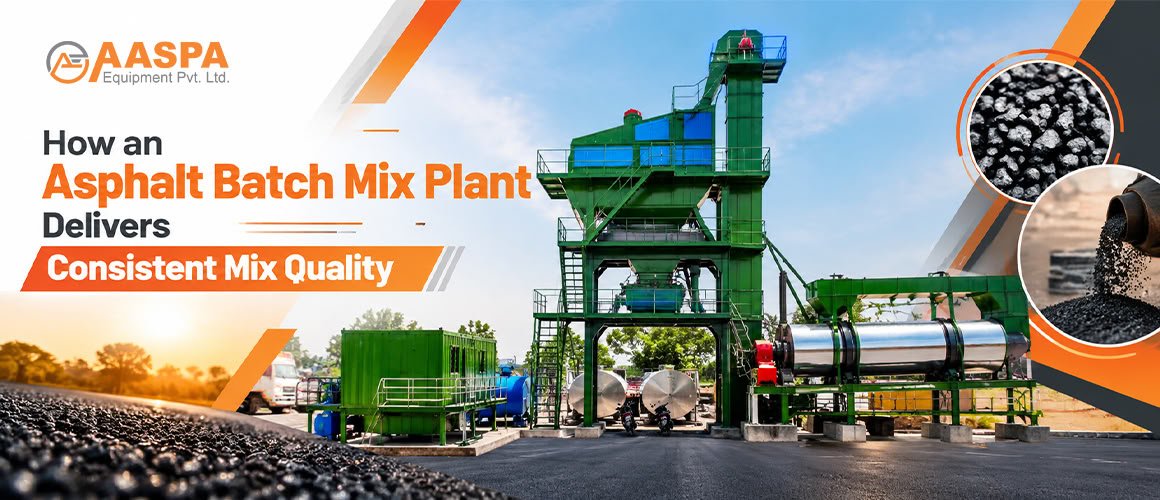
Learn how an asphalt batch mix plant delivers consistent mix quality through accurate weighing, temperature control, aggregate screening, and batch mixing.
The hum of heavy machinery and the rich, dark scent of asphalt are familiar companions on any major road construction project. At the heart of creating durable, long-lasting pavements lies a sophisticated piece of equipment: the asphalt batch mix plant. This industrial marvel is not merely a mixer; it is a meticulously engineered system designed to produce asphalt concrete with unwavering consistency, a critical factor for the structural integrity and longevity of our roadways. The very foundation of reliable pavement performance rests upon the shoulders of this plant’s ability to deliver a precisely formulated mix, batch after precise batch.
Understanding the Role of an Asphalt Batch Mix Plant in Road Construction
In the grand scheme of infrastructure development, the asphalt batch mix plant holds an indispensable position. Its primary function is to combine aggregates, bitumen, and sometimes additives in specific proportions and at elevated temperatures to create hot mix asphalt (HMA). This HMA is then transported to the construction site and compacted to form the various layers of a road. Unlike continuous drum mix plants, which produce asphalt in a continuous flow, batch mix plants operate in distinct cycles, allowing for greater control over each individual batch. This inherent characteristic makes them particularly well-suited for projects demanding stringent quality specifications and varied mix designs. The ability to precisely control the quantity of each material ensures that the final product consistently meets engineering requirements for strength, durability, and workability. Without this controlled production, the very fabric of our transportation networks would be compromised, leading to premature deterioration, costly repairs, and a diminished lifespan for crucial infrastructure. The batch mix plant, therefore, stands as a sentinel of quality, safeguarding the future performance of our roads.
The Fundamental Process of Asphalt Production
The journey of asphalt concrete from raw materials to a finished product within a batch mix plant is a multi-stage process. It begins with the careful storage and handling of various aggregates – typically sand, gravel, and crushed stone – which are segregated by size. These aggregates are then fed into a cold feed system, where precise volumetric feeders regulate their flow onto a conveyor belt. From there, they enter a rotary dryer, where moisture is removed and the aggregates are heated to the required temperature. Simultaneously, bitumen, the binder that holds the aggregates together, is stored in heated tanks and pumped to a weighing system. Once the aggregates are thoroughly dried and heated, and the bitumen is at its optimal viscosity, they are all transferred to the pugmill, the heart of the mixing process. Here, the materials are vigorously blended for a predetermined time, ensuring a homogeneous coating of bitumen over every aggregate particle. Finally, the finished HMA is discharged into a hot storage silo or directly into waiting trucks for transport to the paving site. Each step is carefully monitored and controlled to maintain the desired mix properties.
Adapting to Diverse Project Requirements
One of the significant advantages of asphalt batch mix plants lies in their adaptability. Road construction projects often present unique challenges, from varying traffic loads and environmental conditions to specific structural demands. A batch mix plant can readily accommodate these diverse requirements by allowing operators to quickly and easily change mix designs. For instance, a high-strength mix for a heavily trafficked highway can be produced in one batch, followed by a more flexible mix for a secondary road in the next. This flexibility is crucial for contractors who need to address multiple project specifications within a single operational cycle, optimizing resource utilization and minimizing downtime. The ability to fine-tune the proportions of aggregates, bitumen content, and additive inclusion for each batch provides an unparalleled level of precision, enabling the production of specialized asphalt mixes tailored to specific performance criteria, such as resistance to rutting, cracking, or moisture damage.
Key Components That Ensure Consistent Mix Quality
The consistent quality of asphalt produced by a batch mix plant is not a matter of chance; it is the result of a symphony of interconnected components, each playing a vital role in the overall precision of the operation. These components are designed with accuracy and repeatability in mind, forming a robust system that transforms raw materials into a highly engineered paving material. The reliability of the final asphalt mix is directly proportional to the accuracy and functionality of these critical parts.
Aggregate Weighing and Feeding Systems
The foundation of a consistent mix lies in the precise measurement of its constituent aggregates. Asphalt batch mix plants employ sophisticated aggregate weighing and feeding systems. These typically involve individual hoppers for different aggregate sizes, each equipped with load cells that accurately weigh the material before it is discharged into the dryer. The control system monitors these weights in real-time, adjusting feeder speeds to ensure that the exact proportion of each aggregate size, as specified by the mix design, is delivered to the drying drum. This meticulous control prevents variations in aggregate grading, which could otherwise lead to segregation in the final mix, affecting its stability and durability. Any deviation from the target weight is immediately flagged, allowing operators to intervene and maintain the specified material proportions.
Bitumen Storage and Dosing Systems
Bitumen, the crucial binding agent, requires careful handling and precise dosing. Batch mix plants feature heated bitumen storage tanks equipped with level sensors and temperature controls to maintain the bitumen at its optimal viscosity for pumping and mixing. The bitumen dosing system typically involves a heated weigh pot or a mass flow meter, which accurately measures the required quantity of bitumen for each batch. This measured bitumen is then sprayed into the pugmill at a controlled rate, ensuring even distribution and thorough coating of the aggregates. Any inaccuracies in bitumen content can significantly impact the strength, flexibility, and longevity of the asphalt pavement, making the precision of this system paramount. Modern systems often incorporate redundant sensors and calibration routines to guarantee the highest level of accuracy in bitumen delivery.
Filler and Additive Systems
Beyond aggregates and bitumen, many asphalt mixes incorporate mineral fillers and various additives to enhance specific properties. Filler, such as limestone dust or fly ash, improves the stiffness and durability of the mix, while additives can improve workability, adhesion, or resistance to moisture damage. Batch mix plants are equipped with dedicated systems for storing, weighing, and introducing these materials. These systems often involve screw conveyors and load cells to accurately measure small quantities of these materials, which are then pneumatically conveyed or gravity-fed into the pugmill. The precise control over filler and additive dosages is critical, as even small variations can significantly alter the performance characteristics of the final asphalt concrete. The ability to incorporate these specialized components on a batch-by-batch basis underscores the versatility and quality control capabilities of these plants.
The Importance of Precise Batching for Uniform Asphalt Production
The very term “batch mix plant” highlights the core principle of its operation: producing asphalt in discrete, carefully measured batches. This method is fundamental to achieving uniform asphalt production, a non-negotiable requirement for durable and reliable roadways. Each batch is essentially a self-contained unit, with all its components precisely weighed and mixed according to a predefined formula. This contrasts sharply with continuous processes where variations, once introduced, can persist throughout the entire production run.
Eliminating Material Segregation
One of the primary benefits of precise batching is its effectiveness in eliminating material segregation, a common issue that can plague less controlled mixing processes. When aggregates are not uniformly distributed throughout the mix, or when bitumen is not evenly coated, the resulting pavement will have areas of weakness. In a batch mix plant, the aggregates are weighed individually before being combined in the pugmill. The vigorous mixing action of the pugmill then ensures that the different aggregate sizes are thoroughly interspersed and uniformly coated with bitumen. This meticulous approach guarantees that each cubic meter of asphalt produced has the same composition and properties, leading to a homogenous and structurally sound pavement.
Achieving Consistent Volumetric Proportions
Road engineers design asphalt mixes based on precise volumetric proportions of aggregates, bitumen, and air voids. Precise batching allows for the meticulous control of these proportions. By accurately weighing each component before mixing, the plant ensures that the volumetric ratios are consistently met in every batch. This consistency is vital for achieving the desired density, stability, and permeability of the asphalt pavement. Any deviation in these ratios can lead to pavements that are either too stiff and prone to cracking, or too flexible and susceptible to rutting. The ability to consistently replicate these volumetric proportions is a hallmark of high-quality asphalt production.
How Automated Controls Enhance Mix Consistency
Modern asphalt batch mix plants are technological marvels, heavily reliant on sophisticated automated control systems. These systems are the unseen architects of consistency, meticulously orchestrating every stage of the production process to ensure unwavering quality and efficiency. The shift from manual to automated control has revolutionized the asphalt industry, elevating the precision and reliability of asphalt concrete production to unprecedented levels.
Programmable Logic Controllers (PLCs)
At the heart of an automated batch mix plant lies the Programmable Logic Controller (PLC). This industrial computer acts as the central brain, executing a predefined sequence of operations based on input from numerous sensors throughout the plant. The PLC monitors aggregate feeder speeds, dryer temperatures, bitumen flow rates, and mixing times, making real-time adjustments to maintain optimal conditions. It ensures that each component is introduced at the precise moment and in the exact quantity required by the mix design. The intelligence embedded within the PLC allows for complex algorithms to be implemented, optimizing energy consumption, reducing material waste, and, most importantly, guaranteeing the consistency of the final asphalt mix.
Sensor Technology and Feedback Loops
The effectiveness of automated controls hinges on a comprehensive network of sensor technology. Load cells measure aggregate and bitumen weights, thermocouples monitor temperatures in the dryer and bitumen tanks, and flow meters regulate the precise delivery of additives. These sensors provide continuous feedback to the PLC, forming critical feedback loops. If, for instance, the temperature of the aggregates exiting the dryer falls below the set point, the PLC will automatically increase the burner’s fuel supply. Similarly, if a bitumen weighment deviates, the system will adjust the pump speed for the subsequent batch. This constant monitoring and self-correction capability ensure that the production process remains within tight tolerances, delivering a consistently high-quality product.
Human-Machine Interface (HMI) for Oversight
While automation drives the process, a Human-Machine Interface (HMI) provides operators with a comprehensive overview and control. The HMI, typically a touchscreen display, presents real-time data on all plant parameters, including material levels, temperatures, weights, and production rates. Operators can select mix designs, monitor the batching process, and diagnose any issues that may arise. The HMI also allows for easy adjustments to mix parameters, enabling quick adaptation to changing project requirements or material characteristics. This seamless interaction between automated systems and human oversight ensures both efficiency and the ability to intervene if unforeseen circumstances occur, making the entire operation both robust and adaptable.
Quality Control Measures in Asphalt Batch Plants
The production of asphalt concrete is not a “set it and forget it” operation. Even with sophisticated automation, rigorous quality control measures are indispensable to confirm that the asphalt consistently meets the specified engineering requirements. These measures are embedded throughout the entire production process, from the initial raw material assessment to the final product analysis, providing layers of assurance regarding the quality of the asphalt produced.
Raw Material Testing and Verification
Quality control begins even before the raw materials enter the plant. Aggregates are routinely tested for their gradation, specific gravity, absorption, and soundness. Bitumen samples are analyzed for penetration, viscosity, and flash point. These tests ensure that the incoming materials meet the required specifications and will perform as expected within the asphalt mix. Any material that fails to meet these initial quality checks is rejected, preventing substandard components from compromising the final product. This proactive approach to quality control is a cornerstone of reliable asphalt production.
Inline Monitoring and Data Logging
During the production process itself, numerous inline monitoring systems continuously collect data. This includes the temperature of aggregates in the dryer, the temperature of the bitumen, the precise weight of each component in every batch, and the mixing time within the pugmill. This data is meticulously logged and stored, creating a comprehensive record of each batch produced. This detailed data logging provides invaluable information for troubleshooting, process optimization, and, crucially, for demonstrating compliance with project specifications. In the event of a pavement performance issue, this data can be retrieved to understand the precise conditions under which the asphalt was manufactured.
Finished Mix Sampling and Laboratory Analysis
The ultimate verification of mix quality comes from sampling the finished asphalt concrete and conducting laboratory analyses. Samples are taken from each production run or at specified intervals and subjected to a battery of tests. These typically include asphalt content determination (often through ignition ovens), aggregate gradation analysis, theoretical maximum specific gravity (Gamm) testing, and sometimes volumetric properties such as air voids and Voids in Mineral Aggregate (VMA). These tests confirm that the asphalt concrete meets the design specifications for binder content, aggregate proportions, and overall volumetric properties, which are critical for long-term pavement performance. Any deviations from the target values trigger investigations and adjustments to the plant’s operational parameters, ensuring that subsequent batches are brought back into specification.
Benefits of Using a Batch Mix Plant for Reliable Pavement Performance
The investment in an asphalt batch mix plant is justified by the numerous benefits it offers, particularly in the realm of ensuring reliable pavement performance. The attributes inherent in this type of plant directly translate into pavements that are more durable, longer-lasting, and ultimately, more cost-effective over their lifecycle. The precision and control afforded by batching are instrumental in achieving these critical outcomes.
Enhanced Durability and Longevity of Pavements
The consistent quality of asphalt concrete produced by a batch mix plant directly translates into enhanced pavement durability and longevity. When every batch is precisely formulated and thoroughly mixed, the resulting pavement has a uniform structure and consistent mechanical properties throughout its entirety. This uniformity minimizes weak spots that could otherwise lead to premature cracking, rutting, or unravelling under traffic loads and environmental stresses. A homogeneous mix ensures that the pavement layers can withstand the rigors of heavy traffic, extreme temperatures, and moisture intrusion for extended periods, reducing the need for frequent maintenance and early replacement.
Reduced Risk of Pavement Failures and Defects
One of the most significant advantages of using a batch mix plant is the substantial reduction in the risk of pavement failures and defects. Inconsistent asphalt mixes are a leading cause of premature pavement distress. By providing precise control over material proportions, temperatures, and mixing times, batch mix plants effectively eliminate the variability that can compromise pavement integrity. This leads to fewer instances of fatigue cracking, thermal cracking, shoving, and bleeding, all of which contribute to a shorter pavement lifespan and increased maintenance costs. The inherent precision acts as a preventative measure against costly construction errors.
Optimization of Material Usage and Cost-Effectiveness
While the initial investment in a batch mix plant might be significant, its long-term cost-effectiveness is undeniable. The precise control over material dosages minimizes waste, as aggregates and bitumen are used in exact proportions, avoiding over-application or under-application. This optimization of material usage translates into tangible cost savings over the course of a project. Furthermore, by producing higher quality, more durable pavements, batch mix plants contribute to reduced lifecycle costs. Less frequent repairs, rehabilitation, and reconstruction mean lower expenses for road authorities and taxpayers alike, making them an economically sound choice for infrastructure development. The initial expenditure is recouped through extended pavement life and efficient resource utilization.
FAQs
- What is the primary function of an asphalt batch mix plant in road construction?
An asphalt batch mix plant is designed to produce consistent and high-quality asphalt mixtures by precisely batching and mixing aggregates, bitumen, and filler materials. It ensures uniformity in the mix, which is crucial for durable and reliable road pavement.
- Which key components of an asphalt batch mix plant contribute to consistent mix quality?
Key components include the cold aggregate feeder, drying drum, hot aggregate elevator, vibrating screen, weighing system, mixer, and bitumen storage tanks. Each component plays a vital role in accurately measuring, heating, and mixing materials to maintain consistent quality.
- Why is precise batching important in asphalt production?
Precise batching ensures that the correct proportions of aggregates, bitumen, and filler are combined in each batch. This uniformity is essential to achieve the desired mechanical properties and performance of the asphalt mix, leading to longer-lasting pavements.
- How do automated controls improve the consistency of asphalt mixes?
Automated control systems monitor and regulate the weighing, heating, and mixing processes in real-time. They reduce human error, maintain exact material proportions, and adjust parameters as needed, resulting in a more consistent and reliable asphalt mix.
- What quality control measures are typically implemented in asphalt batch mix plants?
Quality control measures include regular calibration of weighing systems, temperature monitoring, sampling and testing of asphalt batches for gradation and bitumen content, and routine maintenance of plant components. These practices ensure the mix meets specified standards and performance criteria.