
Self-Loading Mixer Machines for Improving Concrete Productivity on Construction Sites
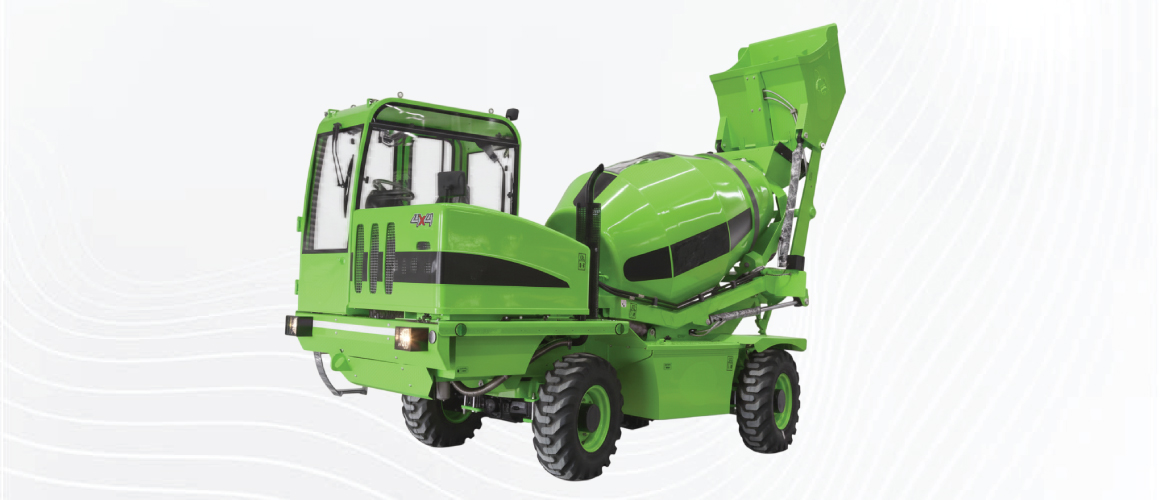
You’re probably wondering if self loading concrete mixer machines can actually boost productivity on your construction site, and the short answer is a resounding yes. These machines are designed to streamline the entire concrete batching process, from raw material handling to on-site delivery, and that directly translates to getting more done in less time.
Why Self-Loading Mixer Machines Improve Concrete Productivity
Gone are the days of juggling multiple machines and crews to get concrete mixed and placed. Self loading mixers, sometimes called mobile concrete batching plants, combine several functions into a single, powerful unit. This consolidation of tasks is where the magic happens for productivity.
Faster Concrete Batching on Site
The most obvious way a self loading mixer boosts productivity is by dramatically reducing the time it takes to get concrete ready on-site. Instead of needing separate loaders, weigh batchers, and mixers, you have one machine that does it all. This means less setup, less transit time for materials, and less waiting around for batches to be prepared.
Better Material Handling Efficiency
Think about it: a self loading mixer machine has its own integrated loader bucket. It can scoop up aggregates (sand, gravel) and cement from stockpiles and directly load them into the mixing drum. This eliminates the need for a wheel loader or excavator to constantly shuttle materials to a fixed batching plant or other mixing equipment. Less material handling means fewer steps, less fuel consumption, and less labour required for those tasks.
Accurate Dosing and Uniform Mixing
Accuracy is key to both quality and productivity. Self loading mixer machines are equipped with systems for weighing the materials as they are loaded. This ensures you’re always mixing the correct proportions according to your design mix. Consistent, accurate batches mean fewer rejects and less rework, saving time and resources down the line. The mixing action happens directly in the rotating drum, often at high speeds, ensuring a homogeneous mix efficiently.
Reducing Delays and Site Bottlenecks
Construction sites are notorious for bottlenecks. A self loading mixer acts as a proactive solution to many common delays.
Less Site Congestion
Having one machine perform multiple roles can significantly reduce the number of vehicles and equipment operating on a busy site. Less congestion means easier movement for other machinery, improved safety, and a generally smoother workflow. This freedom of movement can shave off valuable minutes from every task, adding up quickly.
Concrete Available on Demand
One of the biggest advantages is the ability to produce concrete exactly when and where you need it. No more waiting for a concrete truck to arrive, especially on remote sites or during peak hours when deliveries can be scarce. If your project requires a constant supply of concrete, a self loading mixer provides that reliable, on-demand capability.
Core Benefits of Self-Loading Mixer Machines
Beyond simply increasing output, self loading mixer machines bring a host of benefits to the table that contribute to a more efficient and cost-effective operation.
High Mobility and Flexible Operation
The “mobile” in mobile concrete batching plant is a critical advantage. These machines are designed to move around your site or even be transported to different sites with relative ease.
Suitable for Different Site Conditions
Whether you’re working on a sprawling infrastructure project or a tight urban site, a self loading mixer can adapt. Its manoeuvrability allows it to navigate varied terrain and confined spaces, placing it precisely where concrete is needed. This flexibility means you don’t have to transport concrete long distances from a centralized batching plant, saving time and avoiding potential segregation of the mix during transit.
Useful Across Multiple Projects
The ability to relocate a self loading mixer machines makes it a valuable asset for companies that handle multiple projects. Instead of investing in dedicated batching equipment for each site, one self-loading mixer can serve several projects over its lifespan, offering significant cost savings and operational flexibility.
Lower Operating Cost and Labor Savings
The economic argument for self loading mixers is compelling. By consolidating functions, these machines can lead to substantial savings.
Fewer Equipment Requirements
As mentioned, one self loading mixer machines can replace the need for separate loaders, weigh batchers, and sometimes even smaller mixing trucks. This reduces your capital expenditure on equipment and lowers maintenance costs by having fewer machines to service.
Better Use of Workforce
By automating material handling and mixing, self loading mixer machines reduce the number of workers required for these specific tasks. This doesn’t necessarily mean fewer jobs, but rather the ability to redeploy skilled labour to more critical areas of the construction process, such as formwork, finishing, or supervisory roles. It’s about using your human resources more effectively.
Better Concrete Quality Control
Inconsistent concrete quality can be a major headache, leading to delays, structural issues, and costly repairs. Self loading mixers offer a way to maintain better control over the mixing process.
Correct Material Proportions
The integrated weighing systems ensure that cement, aggregates, and water are added in the precise proportions specified by the mix design. This consistency is crucial for achieving the desired strength and durability of the concrete.
Uniform Concrete Mixing
The design of the mixing drum and the rotation speed are optimized to create a uniform, well-mixed concrete batch every time. This prevents pockets of unmixed material and ensures that the final product performs as intended.
How Self-Loading Mixers Increase Construction Efficiency
Efficiency is the name of the game in construction, and self loading mixers are engineered to deliver it by optimizing every stage of the concrete supply chain on site.
Smooth Concrete Workflow Management
The biggest impact of a self-loading mixer is how it reorganizes and accelerates the entire concrete production and delivery sequence.
All-in-One Concrete Operation
Imagine a typical workflow. Without a self loading mixer machine, you’d have a loader feeding aggregates and cement into a batching system, which then feeds a mixer or a waiting truck. With a self-loading mixer, the machine itself performs the scooping, weighing, and mixing, then acts as the delivery vehicle. This eliminates multiple handoffs and transition times, creating a far more fluid process.
Faster Turnaround Time
The time from deciding you need concrete to having a usable batch ready for placement is significantly reduced. This rapid turnaround means your crews can maintain a consistent pace, preventing idle time and maximizing the productive hours of the day.
On Site Concrete Batching Control
Producing concrete directly on site gives you unparalleled control over your supply and quality.
No Transit Problems
When concrete is delivered by truck, there’s always a risk of segregation, premature setting, or incorrect mix proportions if the batching was flawed at the plant. On-site batching with a self-loading mixer removes these risks. You control the materials, the proportions, and the mixing time.
Reduced Concrete Waste
By producing concrete only when and where it’s needed, and in the exact quantities required, self-loading mixers help minimize waste. This is good for your bottom line and better for the environment.
Strong Performance in Challenging Projects
Self-loading mixers are particularly beneficial in scenarios where traditional concrete supply chains can falter.
Ideal for Remote Construction Sites
For construction projects in remote areas, or those with challenging terrain, the logistics of getting concrete delivered can be a major obstacle. A self-loading mixer can operate independently, effectively creating a mobile batching plant wherever it’s needed.
Suitable for Frequent Small Batches
Some projects, like specialized foundation work or repairs, might require relatively small but frequent batches of concrete. Self loading mixers are perfect for this, as they can quickly produce a single batch without the economic inefficiency of ordering a full truckload.
Choosing the Right Mixer for Your Construction Project
|
Mixer Type |
Advantages |
Disadvantages |
|
Tilting Drum Mixer |
Easy to use, portable |
Less efficient for large projects |
|
Non-Tilting Drum Mixer |
High capacity, efficient |
Less portable, requires more space |
|
Forced Action Mixer |
High quality mix, suitable for specialized materials |
Expensive, requires skilled operator |
Not all self loading mixers are created equal, and selecting the one that best fits your project needs is crucial for maximizing its benefits.
Understanding Project Requirements
The first step is to understand the scale and nature of your construction work.
Required Concrete Volume
Are you building a multi-story building that requires large volumes of concrete consistently, or are you working on smaller infrastructure repairs that need intermittent, smaller batches? This will dictate the required capacity of the mixer. A larger project might benefit from a mixer with a higher output per hour, while smaller jobs might prioritize manoeuvrability and smaller batch sizes.
Site Access and Terrain
Consider the typical working environment for your mixer. Will it be operating on smooth, level ground, or will it need to navigate rough, uneven terrain? This will influence the type of chassis, tires, and suspension you need. Some models are designed for more rugged conditions.
Type of Concrete Mix Needed
While most self loading mixers can handle standard concrete mixes, if you anticipate using specialized or high-performance mixes, it’s worth checking if the machine’s weighing and mixing capabilities can accommodate those requirements accurately.
Important Features to Check
Drum Capacity and Output
This is a fundamental specification. Drum capacity dictates the maximum batch size, and the output rate (cubic meters or yards per hour) tells you how quickly it can produce concrete. Match these to your project’s demands.
Loader Bucket Capacity
The loader bucket is central to the self-loading function. Look at its capacity for aggregates and cement, and how its design facilitates efficient scooping and transfer into the drum. Some buckets have specific features for loading cement bags.
Weighing System Accuracy
A precise weighing system is non-negotiable for quality concrete. Understand the type of weighing system (e.g., electronic load cells) and its claimed accuracy to ensure it meets industry standards.
Easy Movement on Site
Consider the machine’s ability to move around your site. Four-wheel drive, articulated steering, and the turning radius are important factors, especially for confined or challenging sites.
Easy Operation and Maintenance
How intuitive is the control panel? How accessible are the components for routine maintenance and cleaning? These factors contribute to overall efficiency and reduce the learning curve for operators.
The Role of Self-Loading Mixers in Construction Site Safety
While productivity is a primary driver, the integration of self-loading mixers also has a positive impact on site safety by reducing manual handling and streamlining operations.
Reduced Manual Work and Heavy Lifting
A significant portion of construction site injuries stems from manual handling and ergonomic strain. Self-loading mixers directly address this.
Lower Injury Risk
By automating the loading and mixing of materials, the need for workers to manually lift heavy bags of cement or shovels of aggregates is greatly reduced. This directly lowers the risk of sprains, strains, and other musculoskeletal injuries.
Safer Material Transfer Process
The integrated loading and mixing process means materials are transferred within the machine, minimizing the risk of dropped materials or accidental contact with moving parts associated with separate loading operations.
Improved Site Movement and Less Congestion
A well-managed site is a safer site, and self loading mixers contribute to this by improving flow and reducing hazards.
Fewer Machines on Site
Consolidating multiple functions into one machine means fewer vehicles and pieces of equipment moving around the site. This reduces the potential for collisions between machinery and between machinery and personnel.
Organized Work Areas
When material handling is confined to a single unit, it often leads to more organized and less congested work areas. This makes it easier for workers to see and avoid hazards.
Better Operator Safety
Modern self-loading mixers are designed with operator safety in mind.
Comfortable Operator Cabins
Many models feature well-designed cabins with good visibility of the surrounding work area, protecting the operator from the elements and potential hazards.
Controlled Machine Operation
The integrated control systems allow operators to manage the entire batching and mixing process from a single, safe vantage point, reducing the need to be in close proximity to dangerous moving parts or in the path of material transfer.
Maximizing Concrete Production with Self Loading Mixers
To truly unlock the productivity potential of a self-loading mixer, a strategic approach to its deployment and operation is key. It’s not just about owning the machine; it’s about using it smart.
Strategic Site Planning
Position Near Work Zones
Ideally, position the self-loading mixer as close as practically possible to where the concrete is needed most frequently to minimize travel time of the mixed concrete. However, ensure it’s placed on stable ground and doesn’t obstruct access for other critical operations.
Organized Material Stockpiles
Organize your aggregate and cement stockpiles so that the mixer’s loader bucket can access them easily and without obstruction. This reduces the effort and time spent manoeuvring to pick up materials.
Operator Training
Understanding Machine Functions
Ensure operators are thoroughly trained on all functions of the specific self-loading mixer model they are using. This includes loading, weighing, mixing, and discharge procedures.
Faster Batching Cycles
Skilled operators can learn to optimize the timing of each stage of the batching cycle, anticipating material needs and minimizing idle moments.
Regular Cleaning and Maintenance
A well-maintained machine operates more reliably and efficiently. Encourage operators to perform daily checks and clean the drum and loading bucket after each use.
Integration with Site Workflow
Good Communication with Site Team
Open communication channels between the mixer operator and site managers or foremen are vital. This ensures the operator is aware of concrete demand and can adjust production accordingly.
Align With Project Schedule
Incorporate the self-loading mixer’s operation into the master construction schedule. Understand when and where concrete is needed and ensure the mixer can meet those demands.
FAQs
- What are self-loading mixer machines and how do they increase concrete productivity on construction sites?
Self-loading mixer machines are a type of concrete mixer that is equipped with a self-loading system, allowing it to load, mix, and discharge concrete on its own. These machines increase concrete productivity on construction sites by eliminating the need for additional equipment and labour to load and mix the concrete, thus saving time and increasing efficiency.
- What are the advantages of using self-loading mixer machines on construction sites?
The advantages of using self-loading mixer machines on construction sites include increased productivity, reduced labour costs, improved efficiency, and the ability to work in remote or difficult-to-reach areas. These machines also offer the flexibility to produce different types of concrete and can be easily transported from one site to another.
- How do self-loading mixers improve efficiency on construction sites?
Self-loading mixers improve efficiency on construction sites by streamlining the concrete production process. With their self-loading capabilities, these machines eliminate the need for additional equipment and manpower, reducing the time and effort required to produce concrete. This results in faster project completion and cost savings.
- What factors should be considered when choosing the right mixer for a construction project?
When choosing the right mixer for a construction project, factors such as the required concrete output, mobility, terrain conditions, and the specific needs of the project should be considered. It is important to select a mixer that can meet the production demands of the project while also being suitable for the site conditions.
- What role do self-loading mixers play in construction site safety and how can they be integrated into the construction workflow?
Self-loading mixers contribute to construction site safety by reducing the need for manual handling of concrete, which can be a source of accidents and injuries. These machines can be integrated into the construction workflow by being strategically positioned on-site to optimize the concrete production process, ensuring a smooth and safe workflow.