
Predictive Maintenance Using Machine Learning in Road Equipment
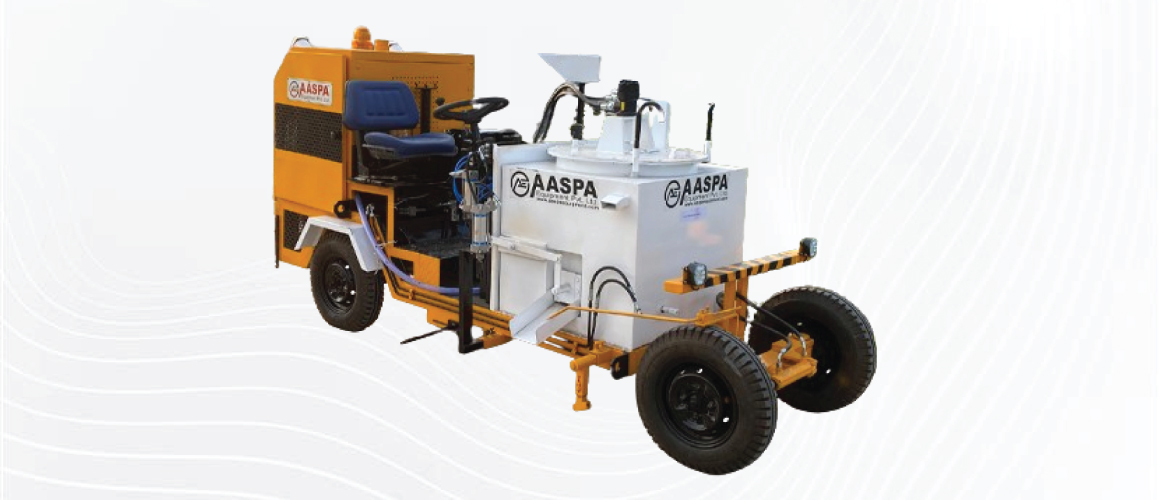
So, can machine learning actually help us keep road equipment running smoothly and avoid those unexpected breakdowns? The short answer is a resounding yes. By analyzing data from your machines, machine learning can predict when a part is likely to fail before it actually happens, allowing you to fix it proactively. It’s not magic; it’s smart data analysis that can save you a lot of headaches and money.
What is Predictive Maintenance for Road Equipment?
At its core, predictive maintenance is about shifting from a reactive approach – waiting for something to break and then fixing it – to a proactive one. Instead of just doing routine checks or repairs based on a schedule, predictive maintenance uses data to anticipate problems. Think of it like going to the doctor for regular checkups that catch potential issues early, rather than waiting until you’re seriously ill. For road equipment, this means a more efficient and less disruptive way to manage a fleet of expensive and critical machinery.
The Traditional Maintenance Approaches
Historically, maintenance has fallen into a couple of main categories. There’s reactive maintenance, which is essentially fixing things after they’ve broken. This is often the most expensive and disruptive approach because unexpected failures can bring projects to a standstill, leading to delays, overtime, and potentially more severe damage. Then there’s preventive maintenance. This involves scheduled inspections and repairs, often based on manufacturer recommendations or usage hours. While better than reactive, it can still lead to unnecessary work if a component is fine, or miss a problem if the wear pattern is different from the schedule.
How Predictive Maintenance Changes the Game
Predictive maintenance takes things a step further. Instead of fixed schedules, it looks at the actual condition of the equipment. By continuously monitoring key parameters, we can get a really good idea of how a specific component is performing and how it’s likely to age. This allows for maintenance to be scheduled precisely when it’s needed, maximizing the lifespan of parts and minimizing downtime.
How Does Machine Learning Help Road Equipment Maintenance?
This is where machine learning really shines. It’s not just about collecting data; it’s about making sense of it. Machine learning algorithms are designed to identify patterns, anomalies, and trends in data that humans might miss. In the context of road equipment, this means these algorithms can learn what “normal” operation looks and sounds like for a particular machine, and then flag anything that deviates from that norm.
What Machine Learning Actually Does
Think of machine learning as a super-smart assistant that can process vast amounts of sensor data. It can take measurements from vibration sensors, temperature gauges, oil analysis, engine performance logs, and even operational history. By training on historical data, including past failures, the machine learning model learns to recognize the subtle indicators that precede a breakdown. For instance, a gradual increase in vibration and a slight temperature rise in a particular bearing might be a precursor to failure, but individually, these might not trigger an alert. Machine learning can correlate these signals and predict a problem with high confidence.
What Types of Machine Learning Are Used?
Several types of machine learning are relevant here. Supervised learning is common for predictive maintenance, where the model is trained on data that’s labeled with outcomes (e.g., “component failed,” “component healthy”). Unsupervised learning can be useful for anomaly detection, identifying unusual patterns without needing predefined labels. Reinforcement learning could even be employed to optimize maintenance schedules over time based on cost and operational impact. Ultimately, the goal is to build models that can accurately forecast the Remaining Useful Life (RUL) of critical components.
What Are the Benefits of Predictive Maintenance in Road Machinery?
The benefits of shifting to a predictive maintenance strategy for road equipment are substantial. It’s not just about avoiding breakdowns; it’s about optimizing operations in a holistic way.
Reduced Unexpected Downtime
This is arguably the most significant advantage. When you know a component is likely to fail in the next few weeks, you can schedule its replacement during planned downtime, perhaps a weekend or a period of lower operational demand. This avoids those costly situations where a crucial piece of equipment breaks down in the middle of a critical phase of a project, halting progress.
Extended Equipment Lifespan
By addressing issues early and ensuring components are operating within their optimal parameters, you can prevent premature wear and tear. This means your expensive road equipment will last longer, deferring the need for costly capital expenditures on replacements. It’s about getting the most out of the assets you already have.
Lower Maintenance Costs
While there’s an initial investment in sensors and software, predictive maintenance generally leads to lower overall maintenance costs. You’re not replacing parts unnecessarily, and you’re avoiding the high costs associated with emergency repairs and extended downtime. Targeted repairs are almost always more cost-effective than emergency fixes.
Improved Safety on Work Sites
A failing piece of equipment can pose a significant safety risk to operators and those working around it. By identifying potential issues before they become critical, predictive maintenance contributes to a safer working environment. A stable, well-maintained machine is a safer machine.
What Challenges Come with Predictive Maintenance?
|
Challenges |
Metrics |
|
Data Quality |
Percentage of inaccurate sensor readings |
|
Downtime Reduction |
Number of hours saved through predictive maintenance |
|
Cost Savings |
Amount of money saved on maintenance expenses |
|
Equipment Failure Rate |
Percentage of unexpected equipment failures |
Implementing predictive maintenance isn’t always a smooth ride. There are definitely some obstacles to consider before diving in.
Data Quality and Quantity
One of the biggest challenges is ensuring you have the right kind of data, and enough of it. Machine learning models need high-quality, consistent data to learn effectively. This means having reliable sensors, proper data collection protocols, and enough historical data that includes both normal operation and instances of component degradation or failure. Inconsistent or incomplete data will lead to unreliable predictions.
Sensor Installation and Integration
Getting the right sensors on your equipment and making sure they communicate effectively with your data platform can be a complex process. You need to choose the right sensors for the right parameters – for example, vibration sensors for rotating parts, temperature sensors for hydraulic systems, or oil analysis for engine health. Integrating these sensors into existing fleet management systems might require significant IT effort.
Cost of Implementation
There’s an upfront investment required for sensors, data acquisition hardware, software platforms, and potentially specialized personnel to manage and interpret the data. For smaller operations, this initial outlay can be a barrier. It requires a business case that clearly demonstrates the long-term return on investment.
Skill Gaps and Training
Successfully implementing and utilizing predictive maintenance requires a workforce that understands the technology. This might involve training existing technicians on how to interpret sensor data and alerts, or even hiring data scientists or engineers with expertise in machine learning and industrial IoT. Bridging this skill gap is crucial for the system to be effective.
What Are Real-World Examples of Predictive Maintenance?
Talking about theory is one thing, but seeing how it works in practice is even better. Several road construction and maintenance companies have begun to leverage machine learning for predictive maintenance with encouraging results.
A Major Highway Authority’s Fleet Optimization
One large highway authority, responsible for maintaining thousands of miles of road, implemented a predictive maintenance program for its asphalt pavers. By outfitting these machines with advanced vibration sensors and engine telematics, they were able to collect real-time data. Machine learning algorithms analyzed this data, identifying subtle patterns that indicated impending bearing failures in the screed components. This allowed them to schedule bearing replacements during off-peak seasons, averting an average of three major paver breakdowns per year during critical paving windows. This saved them considerable downtime and prevented costly project delays, as well as extending the life of their expensive paver components.
A Global Construction Firm’s Roller Fleet
A global construction firm focused on large-scale infrastructure projects deployed predictive maintenance on its fleet of asphalt rollers. They integrated sensors that monitored hydraulic fluid pressure, engine temperature, and track wear. The machine learning models were trained to recognize anomalies that correlated with failures in hydraulic pumps and drive motors. This proactive approach led to a significant reduction in unscheduled maintenance events, with an estimated 20% decrease in critical component failures over a two-year period. The ability to plan repairs well in advance also smoothed out their maintenance scheduling and workforce allocation.
What Are Future Trends in Predictive Maintenance?
The field of predictive maintenance is constantly evolving, and for road equipment, the future looks even more integrated and intelligent.
AI-Powered Anomaly Detection
As machine learning models become more sophisticated, we’ll see even more advanced anomaly detection capabilities. This means systems will be able to identify a wider range of potential issues with greater accuracy, even very obscure ones that haven’t been seen before. The AI will become better at spotting the “unknown unknowns.”
Integration with Digital Twins
The concept of “digital twins” – virtual replicas of physical assets – is gaining traction. For road equipment, this could mean creating a dynamic digital model that receives real-time data from the physical machine. This digital twin can then be used to simulate different operating conditions, test potential maintenance strategies, and provide a highly accurate prediction of future performance and component health.
Enhanced Cybersecurity for Connected Equipment
As more equipment becomes connected and data-driven, cybersecurity will become an even more critical consideration. Reliable predictive maintenance relies on secure data transfer and storage. Future trends will undoubtedly involve more robust cybersecurity measures to protect sensitive operational data and maintain the integrity of the predictive models themselves.
How Can You Successfully Implement Predictive Maintenance?
If you’re considering predictive maintenance for your road equipment, there are some tried-and-true approaches that can help ensure a successful rollout.
Start Small and Scale
Don’t try to implement a full-blown predictive maintenance system across your entire fleet overnight. Begin with a pilot program on a smaller set of critical equipment or a specific type of machine. This allows you to learn, refine your processes, and demonstrate the value before a broader deployment.
Focus on Critical Components
Identify the components that are most prone to failure, the most expensive to replace, and whose failure would have the biggest impact on your operations. Prioritize collecting data and building predictive models for these critical parts first.
Invest in Data Management Infrastructure
A robust system for collecting, storing, and processing data is essential. This includes reliable sensors, a secure network for data transmission, and a platform for data analysis and visualization. Think about scalability from the outset.
Foster Collaboration and Training
Ensure that your maintenance teams, operators, and IT personnel are involved and trained. Open communication and cross-functional collaboration are key to understanding the equipment’s behavior and effectively using the insights from the predictive models. Training is not a one-time event; it’s an ongoing process.
FAQs
- What is predictive maintenance in road equipment and how does it work?
Predictive maintenance in road equipment involves using machine learning algorithms to analyze data from the equipment to predict when maintenance is needed. This allows for proactive maintenance to be performed before a breakdown occurs, reducing downtime and increasing the lifespan of the equipment.
- What is the role of machine learning in road equipment maintenance?
Machine learning plays a crucial role in predictive maintenance for road equipment by analyzing data from sensors, historical maintenance records, and other sources to identify patterns and predict when maintenance is needed. This helps to optimize maintenance schedules and reduce costs associated with unplanned downtime.
- What are the benefits of implementing predictive maintenance in road machinery?
Implementing predictive maintenance in road machinery can lead to reduced downtime, lower maintenance costs, increased equipment lifespan, improved safety, and better overall operational efficiency. It also allows for better planning and resource allocation for maintenance activities.
- What are the challenges and considerations for implementing predictive maintenance in road equipment?
Challenges for implementing predictive maintenance in road equipment include data quality and availability, integration with existing maintenance processes, and the need for specialized skills in data analysis and machine learning. Considerations include the cost of implementing the technology and the potential impact on workforce roles and responsibilities.
- What are the future trends and best practices for implementing predictive maintenance in road machinery?
Future trends in predictive maintenance for road equipment include the use of advanced analytics, IoT integration, and the development of more sophisticated machine learning models. Best practices for implementation include starting with a pilot project, involving maintenance staff in the process, and continuously monitoring and refining the predictive maintenance system.