
Augmented Reality Repair Guides for Operators
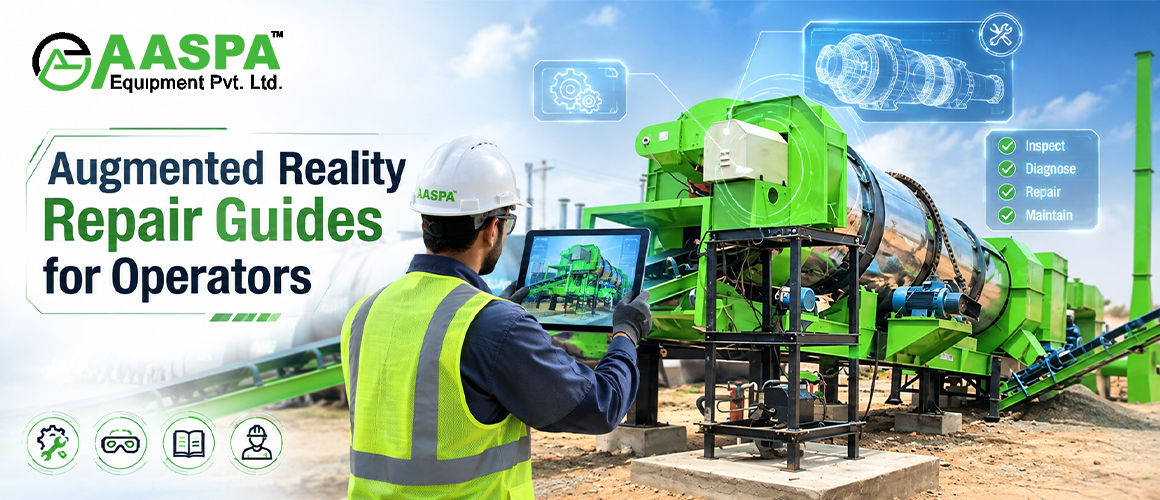
- Augmented Reality Repair Guides for Operators
The landscape of industrial maintenance and operations is undergoing a profound transformation, driven by innovative technologies designed to enhance efficiency, reduce downtime, and empower the workforce. Among these advancements, Augmented Reality (AR) stands out as a particularly disruptive force, offering a paradigm shift in how operators approach equipment repair and maintenance tasks. This article explores the burgeoning field of AR repair guides, examining their fundamental principles, compelling benefits, and the strategic implications for modern industrial environments.
- Introduction to Augmented Reality Repair Guides
Augmented Reality repair guides represent a sophisticated evolution of traditional instruction manuals, leveraging digital overlays to superimpose contextual information directly onto a user’s view of the physical world. Unlike virtual reality, which immerses users in an entirely simulated environment, AR enhances reality, providing real-time data, visual cues, and step-by-step instructions that are dynamically aligned with the equipment being serviced.
- Defining Augmented Reality in the Context of Repair
At its core, AR in repair guides involves using a device, such as a smartphone, tablet, or smart glasses, to display digital content that interacts with the real-world object. This content can range from 3D models of internal components and animated repair sequences to live sensor data and diagnostic feedback. The key differentiator is the seamless integration of digital information with the physical environment, creating an intuitive and highly effective learning and execution experience for operators. For instance, an operator looking at a complex piece of machinery through an AR-enabled device might see arrows indicating which bolt to loosen next, a 3D overlay of a replacement part, or even a real-time thermal map of the equipment’s operational temperature.
- Evolution from Traditional Manuals to Digital Overlays
Historically, operators have relied on bulky paper manuals, often filled with dense technical jargon, static diagrams, and limited visual aids. These traditional methods frequently lead to misinterpretations, extended troubleshooting times, and a higher risk of errors, particularly for complex or unfamiliar equipment. The transition to digital manuals offered some improvements, primarily in terms of searchability and portability. However, AR takes this evolution a significant step further by bringing the instructions directly to the point of need. Instead of consulting a separate screen and then looking back at the equipment, operators can simultaneously view the machinery and its corresponding repair instructions, minimizing cognitive load and maximizing precision. This spatial alignment of information makes the repair process far more intuitive and efficient.
- Benefits of Using Augmented Reality in Repair Guides for Operators
The advantages of integrating AR into repair guides for operators are manifold, impacting various aspects of operational efficiency, safety, and workforce development. These benefits translate directly into tangible improvements for businesses, from reduced operational costs to enhanced product quality.
- Enhanced Accuracy and Reduced Error Rates
One of the most compelling benefits of AR repair guides is their ability to significantly enhance accuracy and consequently reduce error rates. By providing precise, visual, and context-sensitive instructions, AR minimizes ambiguity and guesswork. Operators are guided through each step with clear overlays, ensuring that the correct tools are used, the right parts are identified, and procedures are followed meticulously. This precision is particularly crucial in industries where even minor errors can have catastrophic consequences, such as aerospace, medical device manufacturing, or energy production. The visual nature of AR guides leaves less room for misinterpretation than text-based instructions, leading to fewer reworks and improved first-time fix rates.
- Faster Troubleshooting and Reduced Downtime
Downtime in industrial settings represents a substantial financial burden, often costing thousands of dollars per hour. AR repair guides directly address this challenge by accelerating the troubleshooting and repair process. When an issue arises, operators can quickly access relevant AR guides that overlay diagnostic information, highlight potential failure points, and provide immediate step-by-step solutions. This rapid access to critical information shortens the time required to identify the root cause of a problem and implement a solution. The visual guidance allows for more efficient execution of tasks, transforming complex repairs into streamlined, guided procedures, thereby minimizing the duration of equipment downtime and maximizing operational uptime.
- Improved Operator Safety
Safety is paramount in any industrial environment. AR repair guides contribute significantly to improving operator safety by providing clear warnings, highlighting hazardous areas, and guiding operators through proper safety protocols. For example, an AR overlay could alert an operator to a live electrical component, indicate the need for personal protective equipment (PPE) before proceeding, or illustrate the correct sequence for safely shutting down machinery. By making safety information immediately visible and contextually relevant, AR reduces the likelihood of accidents and injuries, fostering a safer working environment. The visual nature of the warnings and instructions can often be more impactful and memorable than text-based warnings, ensuring operators are more likely to adhere to safety procedures.
- Knowledge Transfer and Skill Development
The aging workforce and the complexity of modern machinery often pose challenges for knowledge transfer and skill development. AR repair guides serve as powerful tools for bridging this gap, enabling less experienced operators to perform complex repairs with the same confidence and accuracy as seasoned technicians. The guides act as a digital mentor, providing on-the-job training and allowing operators to learn by doing. This capability significantly reduces the training time required for new employees and ensures that critical institutional knowledge is captured and disseminated effectively, mitigating the impact of workforce turnover. The ability to visualize complex internal structures and repair sequences in 3D can also deepen an operator’s understanding of the equipment’s functionality, fostering a more skilled and knowledgeable workforce.
- How Augmented Reality Enhances Operator Training for Repairs
The traditional methods of training operators for equipment repairs, often involving classroom lectures, static manuals, and limited hands-on experience, are being revolutionized by the immersive and interactive capabilities of Augmented Reality. AR transforms the learning experience, making it more engaging, effective, and directly applicable to real-world scenarios.
- Experiential Learning and On-the-Job Guidance
AR facilitates a highly effective form of experiential learning, allowing operators to practice repair procedures in a safe and guided environment without the risk of damaging actual equipment or incurring downtime. Trainees can don smart glasses or use a tablet to view virtual overlays on a physical piece of equipment, practicing disassembly, inspection, and reassembly tasks with real-time feedback.
This hands-on approach, combined with immediate visual guidance, significantly accelerates the learning curve. Furthermore, AR systems can provide “on-the-job” guidance for complex or infrequent repairs, acting as an ever-present expert that walks the operator through each step, ensuring correct execution even when a supervisor or senior technician is not physically present. This continuous learning support strengthens an operator’s independence and capability.
- Standardization of Repair Procedures
In large organizations with multiple facilities or diverse teams, ensuring consistent repair procedures can be a significant challenge.
AR repair guides offer a powerful solution for standardizing these processes. By digitally embedding approved repair sequences, troubleshooting flows, and best practices directly into the AR application, organizations can guarantee that all operators follow the same validated methods. This standardization not only improves quality and reduces variability in repairs but also simplifies compliance with regulatory requirements and internal quality control standards.
When every operator follows the exact same visual instructions, the likelihood of procedural deviation decreases dramatically, leading to more predictable outcomes and easier performance monitoring.
- Reduced Training Costs and Time
Traditional training often involves significant costs associated with specialized instructors, dedicated training facilities, travel expenses, and the opportunity cost of pulling experienced technicians away from their primary duties. AR-based training solutions can substantially reduce these expenditures. Once an AR guide is developed, it can be deployed to numerous operators across various locations with minimal additional cost.
The self-paced, interactive nature of AR training also means that operators can acquire new skills more quickly, thereby reducing the overall time commitment for training and allowing them to become productive sooner. This efficiency in training directly translates to improved resource allocation and reduced operational overhead.
- Implementing Augmented Reality Repair Guides in the Field
| Metrics | 2019 | 2020 | 2021 |
| Number of AR repair guides implemented | 10 | 15 | 20 |
| Percentage of field technicians using AR guides | 30% | 40% | 50% |
| Reduction in repair time | 15% | 20% | 25% |
| Customer satisfaction rating | 4.2 | 4.5 | 4.8 |
The successful deployment of AR repair guides in real-world industrial settings requires careful planning, robust technology, and a focus on user experience. From selecting the right hardware to integrating with existing systems, several factors influence the effectiveness of an AR implementation.
- Hardware and Software Considerations
The foundation of any AR repair guide system lies in the choice of appropriate hardware and software. Hardware options typically include industrial-grade smart glasses (such as Microsoft HoloLens, Magic Leap, or RealWear), ruggedized tablets, or even smartphones. The selection depends on factors like the environment (e.g., hands-free operation, dusty conditions), required immersion level, and budget. Software considerations involve the AR platform itself (e.g., Unity, Unreal Engine, dedicated AR development kits), the content creation tools for developing 3D models and interactive sequences, and the integration capabilities with enterprise systems like asset management (EAM) or enterprise resource planning (ERP). A critical aspect is ensuring the software is intuitive and user-friendly, minimizing the learning curve for operators.
- Data Integration and Content Creation
For AR repair guides to be truly effective, they must be seamlessly integrated with existing operational data. This includes accessing equipment schematics, maintenance histories, sensor data, and inventory information in real-time. Creating compelling and accurate AR content involves converting existing technical documentation, 3D CAD models, and expert knowledge into interactive digital overlays. This often requires specialized skills in 3D modeling, animation, and instructional design. The process involves identifying key repair steps, illustrating them visually, and designing interactive elements that guide the operator through the procedure. Maintaining and updating this content as equipment or procedures evolve is also a crucial ongoing task.
- Pilot Programs and Phased Rollout
Implementing AR technology is a significant undertaking that benefits from a strategic approach. Pilot programs, conducted with a select group of operators and specific equipment types, are essential for testing the system’s effectiveness, identifying potential challenges, and gathering user feedback. This iterative process allows organizations to refine the AR guides, optimize workflows, and address any technical glitches before a broader deployment. A phased rollout, gradually expanding the AR solution to more operators and equipment, allows for continuous learning and adaptation, ensuring a smoother and more successful overall implementation. This systematic approach minimizes disruption and maximizes the likelihood of widespread adoption and positive impact.
- Case Studies: Success Stories of Augmented Reality in Repair Guides
Numerous industries have already begun to harness the power of AR in their repair and maintenance operations, demonstrating tangible benefits and proving the technology’s transformative potential. These success stories provide compelling evidence of AR’s real-world impact.
- Manufacturing Sector Achievements
In the manufacturing sector, companies have reported significant improvements in assembly line efficiency and maintenance response times. For example, a leading automotive manufacturer deployed AR smart glasses for quality control inspections and complex engine assembly. Operators, guided by real-time AR overlays, were able to identify defects more quickly and assemble intricate components with fewer errors, leading to a substantial reduction in rework and improved product quality. Another instance involved a large industrial machinery producer using AR to guide field service technicians through intricate repair procedures for heavy equipment, resulting in a 30% reduction in repair time and a dramatic decrease in costly repeat visits. The visual guidance provided by AR ensured that technicians, even those less experienced, could perform complex tasks accurately the first time.
- Aerospace and Defense Applications
The aerospace and defense industries, characterized by high precision, stringent safety regulations, and complex systems, have found AR to be particularly invaluable. An airline maintenance company utilized AR to train technicians on complex aircraft engine repairs. By overlaying 3D models and step-by-step instructions directly onto the physical engine, the training time for certain procedures was reduced by 25%, while accuracy rates improved significantly. Similarly, a defense contractor employed AR to assist in the maintenance of advanced weaponry systems. Technicians, wearing AR glasses, received visual cues and technical data that allowed them to perform diagnostics and repairs faster and with greater precision in challenging operational environments, ultimately enhancing mission readiness and reducing logistical burdens.
- Energy and Utilities Industry Innovations
The energy and utilities sector, often dealing with vast infrastructure and hazardous environments, has also seen remarkable success with AR repair guides. A major utility provider implemented AR for inspecting and repairing remote power grid components. Field technicians, equipped with AR tablets, could access interactive schematics, identify faulty parts, and receive expert guidance from remote specialists, all while on-site. This reduced the need for multiple trips to difficult-to-reach locations and significantly decreased repair times. Another energy company used AR to train operators on the safe shutdown and startup procedures for complex power plant equipment, leading to a 40% reduction in training errors and improved adherence to critical safety protocols during high-risk operations. The ability to visualize invisible threats or critical data overlays in a hazardous environment has proven to be a game-changer for safety and efficiency.
- The Future of Augmented Reality in Operator Repair Guides
The trajectory of Augmented Reality in operator repair guides is one of continuous innovation and expanding capabilities. As the technology matures and becomes more integrated into industrial ecosystems, its role will become even more central to operational excellence.
- Integration with AI and Machine Learning
The future of AR repair guides will undoubtedly involve deep integration with Artificial Intelligence (AI) and Machine Learning (ML). AI algorithms could analyze operator performance data to personalize training and repair guidance, adapting instructions based on individual skill levels and common error patterns. ML could enable predictive maintenance by analyzing sensor data from equipment and proactively triggering AR repair guides before a failure occurs. Imagine an AR system that not only shows you how to fix a problem but also anticipates it, then guides you through the preventative measures with intelligent, adaptive overlays. This combination will transform AR guides from reactive tools to proactive, intelligent assistants.
- Advanced Sensor Integration and Real-Time Data Overlays
Future AR repair guides will leverage an even broader array of sensor data, providing operators with richer, more real-time information. This could include integrating with thermal cameras to highlight overheating components, acoustic sensors to pinpoint unusual noises, or even haptic feedback devices to guide physical interactions. Real-time data overlays, pulling from complex SCADA systems or IoT devices, will offer operators an unprecedented level of insight into the operational status and health of machinery. This immediate access to comprehensive data, presented visually and contextually, will empower operators to make more informed decisions and perform repairs with unparalleled precision.
- Remote Assistance and Collaborative AR
The concept of remote assistance, where an expert guides an on-site operator through a repair using AR, is already gaining traction. The future will see this capability evolve into more sophisticated collaborative AR environments. Multiple operators, both on-site and remote, could simultaneously view and interact with the same AR overlays on a piece of equipment, facilitating real-time problem-solving and knowledge sharing. This will democratize expertise, allowing a single specialist to guide numerous field technicians concurrently, regardless of their geographical location. Such collaborative AR will be particularly impactful for highly complex or rare repairs, ensuring that institutional knowledge is always accessible and applied effectively across the global operational footprint. The continuous evolution of AR will solidify its position as an indispensable tool for empowering operators and optimizing industrial repair and maintenance processes.
FAQs
- What are augmented reality repair guides for operators?
Augmented reality repair guides for operators are digital guides that use augmented reality technology to provide step-by-step instructions for repairing equipment or machinery. These guides overlay digital information onto the real-world view through a device such as a smartphone or tablet, allowing operators to see detailed instructions and visual cues while performing repairs.
- What are the benefits of using augmented reality in repair guides for operators?
Using augmented reality in repair guides for operators offers several benefits, including improved accuracy and efficiency in completing repairs, reduced downtime, enhanced operator training, and the ability to access real-time support and remote assistance. Augmented reality also allows for the integration of 3D models, animations, and interactive elements, making the repair process more intuitive and accessible for operators. - How does augmented reality enhance operator training for repairs?
Augmented reality enhances operator training for repairs by providing a more immersive and interactive learning experience. Operators can practice and familiarize themselves with repair procedures in a simulated environment, improving their confidence and proficiency when performing actual repairs. Augmented reality also enables trainers to create dynamic and engaging training materials, leading to better retention of information and skills. - How can augmented reality repair guides be implemented in the field?
Augmented reality repair guides can be implemented in the field by equipping operators with compatible devices, such as smart glasses or tablets, and providing access to the necessary software and content. Organizations can also establish support systems for remote assistance and troubleshooting, allowing operators to receive real-time guidance from experts when needed. Additionally, integrating augmented reality repair guides with existing maintenance and asset management systems can streamline the repair process and improve overall operational efficiency. - What are some success stories of implementing augmented reality in repair guides? Several case studies have demonstrated the successful implementation of augmented reality in repair guides, showcasing significant improvements in repair accuracy, efficiency, and training outcomes. For example, companies in the manufacturing, aerospace, and automotive industries have reported reduced error rates, faster repair times, and cost savings after adopting augmented reality repair guides for their operators. These success stories highlight the potential of augmented reality to transform the way operators perform repairs and maintenance tasks.