
How Indian Construction Firms are Adopting IoT in Equipment
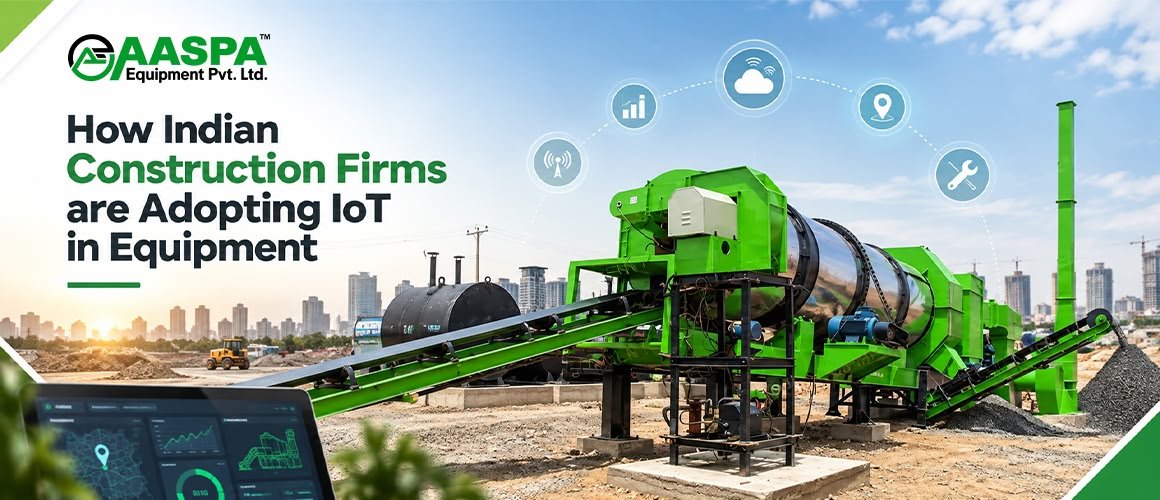
Learn how Indian construction firms are adopting IoT in construction equipment to improve monitoring, maintenance, productivity, safety and equipment efficiency.
The rhythmic thrum of heavy machinery has long defined the Indian construction landscape, a symphony of brute force and human ingenuity. However, a silent revolution is now taking hold, transforming these traditional powerhouses into intelligent, connected entities. Indian construction firms are increasingly recognizing the profound potential of the Internet of Things (IoT) to optimize operations, enhance safety, and drive unprecedented efficiency. This technological embrace is not merely a trend but a strategic imperative, reshaping how projects are conceived, executed, and maintained across the nation.
The Dawn of Smart Equipment in Indian Construction
The Indian construction sector, a colossal contributor to the national economy, has traditionally been characterized by its labor-intensive nature and a gradual adoption of advanced technologies. However, the rapidly expanding infrastructure demands, coupled with a growing awareness of global best practices, are catalysing a paradigm shift. IoT, with its ability to embed sensors, software, and other technologies into physical objects, enabling them to connect and exchange data over the internet, is emerging as a powerful tool in this transformation.
Understanding the IoT Landscape in Construction
At its core, IoT in construction equipment involves embedding sensors within machinery such as excavators, cranes, loaders, and even smaller tools. These sensors collect a wealth of data, ranging from operational parameters like fuel consumption, engine health, and GPS location, to environmental factors like temperature and humidity. This data is then transmitted wirelessly, often via cellular networks or satellite, to a central platform for analysis and interpretation. The insights gleaned from this data empower firms to make informed decisions, moving away from reactive problem-solving towards proactive management.
Early Adopters and Their Success Stories
While widespread adoption is still gaining momentum, several forward-thinking Indian construction companies have already begun experimenting with IoT solutions, reporting promising results. These early adopters often focus on critical assets, deploying IoT for fleet tracking and basic diagnostics. Their success stories, though initially modest, are paving the way for broader integration, demonstrating tangible benefits such as reduced downtime and improved resource allocation.
Advantages of IoT Integration in Indian Construction Equipment
The benefits of integrating IoT into construction equipment are multi-faceted, addressing some of the most persistent challenges faced by the industry. From boosting operational efficiency to enhancing safety protocols, IoT offers a comprehensive solution package.
Optimizing Operational Efficiency
IoT provides an unparalleled level of insight into equipment performance, allowing firms to meticulously monitor and manage their fleet.
Predictive Maintenance and Downtime Reduction
One of the most significant advantages of IoT is its ability to enable predictive maintenance. Instead of adhering to fixed maintenance schedules, which can be inefficient, IoT sensors continuously monitor the health of components. They can detect subtle anomalies or early signs of wear and tear, alerting maintenance teams before a major breakdown occurs. This proactive approach drastically reduces unscheduled downtime, a major cost factor in construction, and extends the lifespan of expensive machinery. For instance, an excavator’s hydraulic pressure can be monitored in real-time, and any deviation from optimal parameters can trigger an alert, preventing a costly failure on-site.
Fuel Consumption and Resource Management
Fuel is a substantial operational expense for construction firms. IoT-enabled equipment can precisely track fuel consumption, identifying inefficiencies such as excessive idling or aggressive driving patterns. This data allows companies to optimize routes, train operators for more fuel-efficient practices, and even detect instances of fuel theft. Similarly, by monitoring the utilization of individual pieces of equipment, firms can ensure that resources are allocated effectively, preventing underutilization of expensive assets and avoiding unnecessary rentals.
Enhanced Productivity and Project Timelines
By ensuring equipment is operating at peak performance and minimizing downtime, IoT directly contributes to increased productivity. Real-time tracking of equipment location and activity allows project managers to gain a clear understanding of progress, identify bottlenecks, and reallocate resources as needed. This granular control over operations helps in adhering to project timelines more effectively, leading to on-time and on-budget project completion.
Bolstering Site Safety and Security
Construction sites are inherently hazardous environments. IoT offers innovative solutions to mitigate risks and improve safety for personnel and assets.
Remote Monitoring and Operator Behavior Analysis
IoT sensors can monitor operator behavior, detecting instances of unsafe practices such as speeding, harsh braking, or operating machinery outside designated zones. This data can be used for targeted training and to enforce safety protocols. Furthermore, geo-fencing capabilities allow firms to set virtual boundaries for equipment, triggering alerts if machinery enters restricted areas or operates beyond designated working hours, preventing accidents and unauthorized use.
Asset Tracking and Theft Prevention
The high value of construction equipment makes it a prime target for theft. GPS tracking, a fundamental component of construction IoT, allows firms to monitor the real-time location of their assets. In case of theft, this greatly increases the chances of recovery. Additionally, geofencing can be used to notify authorities if equipment leaves a specified site without authorization, acting as a powerful deterrent.
Improving Data-Driven Decision Making
The sheer volume of data generated by IoT-enabled equipment provides an invaluable resource for strategic decision-making.
Performance Benchmarking and Future Planning
By collecting and analyzing data across their fleet, construction firms can establish performance benchmarks for different types of equipment and operators. This data can inform future procurement decisions, helping companies invest in machinery that offers the best return on investment. Furthermore, historical data on equipment performance and maintenance can be used to forecast future operational costs and plan long-term maintenance strategies.
Enhanced Quality Control and Compliance
In some applications, IoT can even contribute to quality control. For example, sensors in asphalt pavers can monitor the temperature and consistency of the asphalt mix in real-time, ensuring it meets specified standards. This immediate feedback helps in maintaining quality throughout the project and ensures compliance with regulatory requirements.
Overcoming Challenges of Adopting IoT in Construction Equipment
While the benefits of IoT are compelling, its widespread adoption in the Indian construction sector is not without its hurdles. Firms must navigate a complex landscape of technological, financial, and cultural challenges.
Initial Investment and ROI Concerns
The upfront cost of implementing IoT solutions, including sensors, connectivity hardware, software platforms, and data analytics tools, can be substantial.
For many Indian construction firms, particularly small and medium-sized enterprises (SMEs), this initial investment can be a significant deterrent. Demonstrating a clear and measurable return on investment (ROI) is crucial to encourage wider adoption. Vendors and solution providers are working on flexible pricing models and scalable solutions to address these concerns.
Data Security and Privacy Issues
The collection and transmission of vast amounts of operational data raise legitimate concerns about data security and privacy.
Construction firms must ensure robust cybersecurity measures are in place to protect sensitive information from unauthorized access, breaches, or misuse. This includes encrypting data, implementing strong access controls, and adhering to data protection regulations. Building trust in the security of these systems is paramount for broader acceptance.
Interoperability and Standardization
The IoT ecosystem is characterized by a diverse range of hardware and software solutions from various vendors.
This can lead to interoperability challenges, where different systems may not seamlessly communicate with each other. A lack of industry-wide standards can further complicate integration efforts, creating silos of data and hindering a holistic view of operations. The development of common protocols and open platforms is essential to foster a more integrated and efficient IoT environment.
Skill Gap and Training Requirements
Operating and maintaining IoT-enabled equipment, as well as analyzing the data it generates, requires a new set of skills that may not be readily available within the existing workforce.
There is a pressing need for training programs to upskill current employees and to integrate IoT-related competencies into vocational education and engineering curricula. This includes training on sensor installation, data interpretation, platform management, and troubleshooting.
Connectivity Infrastructure in Remote Areas
Many construction projects in India are located in remote or rural areas where reliable internet connectivity, particularly high-speed broadband or cellular networks, can be sparse or non-existent. This poses a significant challenge for real-time data transmission, a core component of many IoT applications.
The expansion of robust communication infrastructure, including satellite-based solutions, will be critical to extending the reach of IoT in these regions.
Implementing IoT Solutions in the Construction Industry
|
Challenges |
Solutions |
|
Lack of standardized IoT platforms |
Develop custom IoT platforms or use adaptable solutions |
|
Data security concerns |
Implement robust security measures and encryption protocols |
|
Integration with existing construction equipment |
Utilize IoT gateways and retrofitting solutions |
|
High initial investment |
Calculate long-term cost savings and productivity gains |
Successful IoT implementation requires a strategic approach, moving beyond simply purchasing sensors to developing a comprehensive framework that integrates technology with business objectives.
Pilot Projects and Scalable Deployment
Instead of a “big bang” approach, many firms are opting for pilot projects to test IoT solutions on a smaller scale. This allows them to assess the technology’s effectiveness, identify potential challenges, and refine their implementation strategy before a broader rollout. Scalability is a key consideration, ensuring that initial successes can be replicated across a larger fleet and integrated into different project types.
Vendor Selection and Partnership Models
Choosing the right IoT vendor is crucial. Firms must carefully evaluate vendors based on their technological expertise, industry experience, data security protocols, and post-sales support. Many construction firms are exploring partnership models, collaborating with IoT solution providers to develop customized applications that address their specific operational needs. These partnerships can also facilitate knowledge transfer and provide access to specialized expertise.
Data Analytics and Integration with Existing Systems
The true value of IoT lies in the actionable insights derived from the collected data. Construction firms need robust data analytics capabilities to process, interpret, and visualize this information effectively. Furthermore, seamless integration of IoT data with existing enterprise resource planning (ERP) systems, project management software, and other operational platforms is essential to create a unified view of business operations and maximize the utility of the data.
Future Trends of IoT in the Indian Construction Sector
The trajectory of IoT adoption in the Indian construction sector points towards a future where intelligent equipment and connected sites are the norm, not the exception.
Rise of Digital Twins and AI Integration
The concept of a “digital twin” – a virtual replica of a physical asset or system – is gaining traction. Digital twins, fed with real-time data from IoT sensors, can provide a comprehensive and dynamic representation of equipment performance, enabling advanced simulations, predictive modeling, and scenario planning. Furthermore, the integration of artificial intelligence (AI) with IoT data will unlock even greater potential, allowing for automated decision-making, advanced pattern recognition, and predictive analytics that transcend human capabilities.
Increased Focus on Sustainability and Green Construction
IoT will play a pivotal role in promoting sustainable construction practices. By optimizing fuel consumption, reducing waste, and enabling precise material management, IoT can significantly lower the environmental footprint of construction projects. Monitoring of air quality, noise levels, and energy consumption on site will also become more prevalent, helping firms adhere to environmental regulations and build greener infrastructure.
Robotics and Autonomous Equipment
The convergence of IoT with robotics and autonomous equipment is another significant future trend. While fully autonomous construction equipment is still in its nascent stages, IoT will provide the foundational connectivity and data exchange necessary for these machines to operate safely and efficiently. Teleoperation of equipment from remote locations, guided by real-time IoT data, will become more commonplace, addressing labor shortages and improving safety in hazardous environments.
Enhanced Supply Chain Management
Beyond individual equipment, IoT will revolutionize the entire construction supply chain. Real-time tracking of materials, components, and tools, from manufacturing to delivery and installation, will enhance visibility, reduce delays, and optimize inventory management. This end-to-end connectivity will lead to more efficient and resilient supply chains, minimizing disruptions and improving overall project execution.
In conclusion, the Indian construction sector is at a critical juncture, poised to leverage the transformative power of the Internet of Things. While challenges remain, the clear advantages in terms of efficiency, safety, and data-driven decision-making are driving a steady momentum towards widespread adoption. As technology matures and infrastructure improves, IoT will undoubtedly redefine the landscape of Indian construction, paving the way for smarter, safer, and more sustainable infrastructure development for generations to come. The era of the connected construction site has truly begun.
FAQs
- What is IoT and how is it being adopted in Indian construction firms?
IoT, or Internet of Things, refers to the network of physical devices, vehicles, and other items embedded with electronics, software, sensors, and network connectivity that enable them to collect and exchange data. Indian construction firms are adopting IoT in their equipment by integrating sensors and connectivity to monitor and manage the performance of machinery, improve safety, and optimize operations.
- What are the advantages of integrating IoT in Indian construction equipment?
Integrating IoT in Indian construction equipment offers several advantages, including real-time monitoring of equipment performance, predictive maintenance to reduce downtime, improved safety through monitoring of worker activities, enhanced productivity and efficiency, and better resource allocation.
- What are the challenges that Indian construction firms face when adopting IoT in their equipment?
Some of the challenges that Indian construction firms face when adopting IoT in their equipment include the high initial investment required for IoT implementation, concerns about data security and privacy, the need for skilled personnel to manage IoT systems, and the integration of IoT with existing equipment and processes.
- How are Indian construction firms overcoming the challenges of adopting IoT in their equipment?
Indian construction firms are overcoming the challenges of adopting IoT in their equipment by investing in training and upskilling their workforce, partnering with IoT solution providers to address security and integration concerns, and gradually implementing IoT in phases to manage the initial investment.
- What are the future trends of IoT in the Indian construction sector?
The future trends of IoT in the Indian construction sector include the continued integration of IoT in construction equipment to enable autonomous operation, the use of advanced analytics and AI to derive insights from IoT data, the development of IoT platforms tailored for the construction industry, and the expansion of IoT applications to areas such as smart buildings and infrastructure.