
Heat Stress Management for Operators on Site
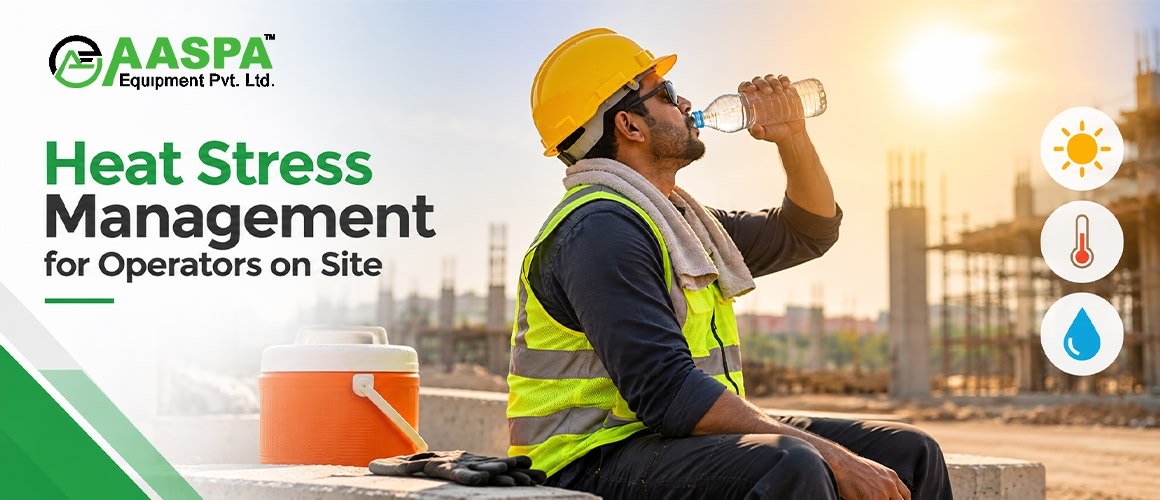
Learn heat stress management for operators with practical safety tips, hydration strategies, rest breaks, PPE guidance and heat illness prevention on work sites.
The relentless sun beats down upon the worksite, a constant companion that, while necessary, also poses a significant threat to the well-being of the operators. Heat stress, a condition that arises when the body’s natural cooling mechanisms struggle to cope with elevated temperatures, is a pervasive and often underestimated danger in many industrial and construction environments. Ensuring the safety and productivity of these vital personnel necessitates a comprehensive understanding of this risk and the proactive implementation of robust management strategies.
Understanding the Risks of Heat Stress for Operators on Site
The human body is an intricate machine, designed to maintain a core temperature within a narrow range. When exposed to excessive heat, this delicate balance is disrupted, leading to a cascade of physiological responses that can range from uncomfortable to life-threatening. Operators on site, often engaged in physically demanding tasks and clad in protective gear that can further trap heat, are particularly vulnerable.
Physiological Impact of Elevated Temperatures
As the ambient temperature rises, the body attempts to dissipate heat primarily through sweating. This evaporative cooling process is highly effective, but it comes at a cost. Prolonged sweating leads to fluid and electrolyte loss, which, if not replenished, can impair cardiovascular function and hinder the body’s ability to regulate temperature. A significant increase in core body temperature, even by a few degrees, can begin to affect organ function.
Environmental and Occupational Contributing Factors
Several elements contribute to the heightened risk of heat stress for operators. High ambient temperatures are the most obvious, but humidity plays an equally crucial role, as it impedes the evaporation of sweat, making cooling less efficient. Direct sunlight, especially during peak hours, significantly increases radiant heat load. Furthermore, the physical exertion required for many operational tasks generates internal body heat, compounding the external heat burden. Enclosed spaces with poor ventilation, such as those found in some construction settings or industrial plants, can also trap heat, creating localized hotspots. The type of protective clothing and equipment worn by operators, while essential for other safety reasons, can also act as insulation, preventing heat loss.
Potential Health Consequences of Unmanaged Heat Stress
The spectrum of heat-related illnesses is broad, ranging from mild discomfort to severe medical emergencies. Heat rash, characterized by small red bumps, is a common but relatively benign irritation. Heat cramps, painful muscle spasms, signal a more significant electrolyte imbalance. Heat exhaustion, a more serious condition, presents with symptoms such as heavy sweating, dizziness, nausea, and headache, indicating the body’s struggle to cope. The most severe form, heatstroke, is a medical emergency where the body’s temperature regulation system fails entirely, leading to a dangerously high core temperature, confusion, seizures, and loss of consciousness, often with fatal consequences if not treated promptly. Beyond these acute illnesses, chronic exposure to heat stress can also exacerbate pre-existing medical conditions and lead to long-term health issues.
Implementing Effective Management Strategies for Heat Stress
Proactive and systematic approaches are essential to mitigate the risks of heat stress. A multi-faceted strategy that addresses environmental factors, operator practices, and emergency preparedness is crucial for safeguarding the workforce.
Engineering Controls and Environmental Modifications
Modifying the work environment is often the most effective first line of defense. Providing shade structures, such as temporary canopies or awnings, can significantly reduce direct solar radiation. Increasing ventilation in enclosed spaces through fans or exhaust systems can improve air circulation and facilitate heat dissipation. Misting systems can also offer localized cooling in specific work areas. Where feasible, scheduling high-intensity tasks during cooler parts of the day, such as early mornings or evenings, can drastically reduce heat exposure. The provision of climate-controlled rest areas, even if temporary, offers operators a vital respite from the heat.
Administrative Controls and Work Practices
Administrative measures play a vital role in managing operator exposure. Implementing mandatory rest breaks in shaded or cooled areas allows the body to recover and rehydrate. Establishing a work-rest cycle that adjusts based on environmental conditions and task intensity is paramount. Limiting strenuous activities during peak heat hours is another effective strategy. Acclimatization programs, which gradually expose new or returning operators to hot environments, are crucial for building heat tolerance. Supervision must also be vigilant in observing operators for signs of heat stress and ensuring adherence to safety protocols.
Personal Protective Equipment (PPE) Considerations
While protective clothing can contribute to heat retention, selecting appropriate PPE is critical. Lighter-weight, breathable fabrics with good wicking properties can help manage heat. Cooling vests, hydration packs, and wide-brimmed hats can also offer additional protection. It is important to remember that PPE should be carefully chosen to balance protection from other hazards with the need to minimize heat burden. Regular cleaning and maintenance of PPE also contributes to its effectiveness.
Recognizing the Signs and Symptoms of Heat Stress in Operators
Early recognition of heat stress is paramount for preventing the escalation of heat-related illnesses. Supervisors, team leaders, and even fellow operators must be trained to identify the subtle and overt indicators that an individual is struggling with the heat.
Differentiating Between Levels of Heat-Related Illnesses
It is important to understand the progression of heat stress. Heat cramps are characterized by muscle pain or spasms, usually in the abdomen, arms, or legs, often occurring during or after strenuous activity. Heat exhaustion presents with profuse sweating, cold or clammy skin, weakness, dizziness, headache, nausea, and sometimes vomiting. The individual may appear pale.
Heatstroke, the most severe condition, involves a core body temperature above 104°F (40°C), hot, red, or flushed dry skin (though sweating may still occur in some cases), confusion, altered mental state, seizures, and loss of consciousness. It is a life-threatening emergency requiring immediate medical attention.
Behavioral and Physical Indicators to Watch For
Beyond the explicit symptoms, behavioral changes can also signal heat stress. Irritability, difficulty concentrating, clumsiness, and impaired judgment can all be subtle indicators. Operators might complain of feeling unusually tired, thirsty, or lightheaded. Physically, look for changes in gait, slurred speech, or unusual agitation. Rapid heart rate and shallow breathing are also red flags. Observing a fellow operator exhibiting these signs warrants immediate intervention.
The Importance of Peer Monitoring and Self-Assessment
Fostering a culture of peer monitoring is invaluable. Operators working together should be encouraged to look out for one another, as individuals experiencing heat stress may not recognize their own impairment. Regular self-assessment, where operators are encouraged to pause and evaluate how they are feeling, is also a powerful tool. Encouraging open communication about discomfort and providing easy access to supervisors are crucial elements of this proactive approach.
Importance of Proper Hydration and Rest for Managing Heat Stress
|
Metrics |
Importance |
|
Water intake |
Proper hydration helps regulate body temperature and prevent heat stress |
|
Rest breaks |
Allowing for rest breaks in a cool environment helps the body recover from heat stress |
|
Electrolyte balance |
Proper hydration helps maintain electrolyte balance, crucial for managing heat stress |
|
Heat-related illnesses |
Proper hydration and rest can prevent heat exhaustion and heat stroke |
Adequate hydration and strategically planned rest are fundamental pillars of any effective heat stress management program. These simple yet powerful interventions directly address the physiological demands placed on the body in hot environments.
The Critical Role of Fluid Intake
Water is the body’s primary coolant, and its continuous replenishment is non-negotiable. Operators should be encouraged to drink water frequently throughout the day, even before feeling thirsty. Thirst is often an indicator of incipient dehydration. Cool, potable water should be readily available at all workstations and rest areas. While sports drinks can be beneficial for replacing electrolytes lost during prolonged, intense sweating, plain water is generally sufficient for most operational tasks. Sugary beverages and caffeinated drinks should be limited, as they can have a diuretic effect.
Strategic Rest Breaks and Cooling Periods
Rest breaks are not merely opportunities to step away from work; they are vital recovery periods. These breaks should be taken in shaded or cooled environments, allowing the body to reduce its core temperature and conserve energy. The duration and frequency of rest breaks should be adjusted according to the heat index and the intensity of the work. During these breaks, operators should also be encouraged to remove any unnecessary protective gear to facilitate cooling. Providing opportunities for light stretching or movement during breaks can also help maintain circulation without increasing heat production.
Nutritional Considerations for Maintaining Electrolyte Balance
While hydration is paramount, maintaining electrolyte balance is equally important, especially during extended periods of sweating. Sodium, potassium, and magnesium are crucial electrolytes that support muscle function and nerve transmission. While sports drinks can contribute, a balanced diet rich in fruits and vegetables can also help replenish these vital minerals. Operators should be educated on the importance of a nutritious diet to support their overall health and resilience in hot conditions.
Training and Education for Operators on Heat Stress Management
Knowledge is a powerful tool in the fight against heat stress. Comprehensive training and ongoing education are essential to empower operators to protect themselves and their colleagues effectively.
Developing Comprehensive Training Programs
Training programs should cover the fundamental aspects of heat stress, including its causes, symptoms, and potential health consequences. Operators must understand the risks specific to their work environment and the types of tasks they perform. The training should be practical and engaging, utilizing real-world scenarios and interactive discussions. It should also be regularly reviewed and updated to incorporate the latest best practices and scientific understanding. New hires and operators returning from extended leave should receive specific refresher training.
Empowering Operators Through Knowledge and Best Practices
Empowerment comes from understanding. Operators should be taught how to recognize their own personal limits and the importance of speaking up when they feel unwell. Training should include practical techniques for staying cool, such as pacing oneself, taking regular breaks, and utilizing cooling measures. They should also be familiarized with the site-specific procedures for reporting heat-related incidents and accessing first aid. The training should emphasize that taking a break or seeking assistance is a sign of responsibility, not weakness.
Emergency Response Protocols and First Aid Procedures
A critical component of training involves educating operators on emergency response protocols for heat-related illnesses. This includes knowing who to contact in an emergency, the location of first aid stations, and basic first aid procedures for heat exhaustion and heatstroke. Hands-on demonstrations of cooling techniques, such as applying cool, wet compresses or using a fan, can be highly beneficial. Emphasizing the importance of rapid cooling for heatstroke victims is paramount, as every minute counts in preventing severe complications.
Creating a Safe and Supportive Work Environment to Manage Heat Stress
Ultimately, managing heat stress is not solely the responsibility of the individual operator; it is a collective effort requiring a commitment from management to foster a safe and supportive work environment.
Fostering a Culture of Safety and Open Communication
A culture where safety is prioritized above all else is fundamental. Operators should feel comfortable reporting discomfort or concerns without fear of reprimand or judgment. Open communication channels, where feedback regarding environmental conditions and comfort levels is encouraged, are vital for continuous improvement. Regular safety meetings that address heat stress specifically can reinforce this commitment and provide opportunities for discussion.
Management’s Role in Providing Resources and Support
Management holds the ultimate responsibility for providing the necessary resources to combat heat stress. This includes investing in engineering controls, ensuring a readily available supply of clean drinking water, and providing access to cooling facilities. Adequate staffing levels are also crucial to allow for proper work-rest cycles without compromising productivity targets. Management must demonstrate a visible commitment to operator well-being, as this sets the tone for the entire worksite.
Continuous Improvement Through Monitoring and Feedback
Heat stress management is an ongoing process, not a one-time event. Regular monitoring of environmental conditions, such as temperature and humidity, is essential. Feedback from operators on the effectiveness of current strategies is invaluable for identifying areas for improvement. Post-incident reviews of any heat-related illnesses can provide critical learning opportunities to refine existing protocols and prevent future occurrences. By continuously evaluating and adapting their approach, organizations can ensure that their operators remain safe and productive, even in the most challenging hot environments.
FAQs
What is heat stress and why is it a concern for operators on site?
Heat stress occurs when the body’s internal temperature regulation system is overwhelmed by external heat. This can lead to a range of heat-related illnesses, such as heat exhaustion and heat stroke. Operators on site are at risk of heat stress due to working in hot environments, wearing protective gear, and engaging in physically demanding tasks, which can all contribute to increased body temperature and dehydration.
What are some effective management strategies for preventing heat stress in operators on site?
Effective management strategies for preventing heat stress in operators on site include implementing regular rest breaks in shaded or air-conditioned areas, providing adequate hydration and electrolyte replacement, scheduling physically demanding tasks during cooler times of the day, and educating operators on the signs and symptoms of heat stress. Additionally, acclimatization programs and proper ventilation in work areas can help reduce the risk of heat stress.
What are the signs and symptoms of heat stress that operators should be aware of?
Operators should be aware of the signs and symptoms of heat stress, which can include excessive sweating, fatigue, dizziness, nausea, headache, rapid heartbeat, and confusion. If left untreated, heat stress can progress to heat stroke, which is a life-threatening condition characterized by a high body temperature, hot and dry skin, and loss of consciousness.
Why are proper hydration and rest important for managing heat stress in operators on site?
Proper hydration is important for managing heat stress because it helps the body regulate its temperature and replace fluids lost through sweating. Operators should drink water frequently, even if they do not feel thirsty, and avoid beverages that contain caffeine or alcohol, as these can contribute to dehydration. Adequate rest is also important for managing heat stress, as it allows the body to recover and cool down.
How can a safe and supportive work environment help in managing heat stress for operators on site?
A safe and supportive work environment can help in managing heat stress for operators on site by providing access to shaded or air-conditioned rest areas, promoting a culture of looking out for one another’s well-being, and encouraging open communication about heat stress concerns. Additionally, supervisors and management can lead by example by prioritizing the health and safety of their team members and implementing policies and procedures that prioritize heat stress management.