
Ergonomics in Road Equipment Cabin Design
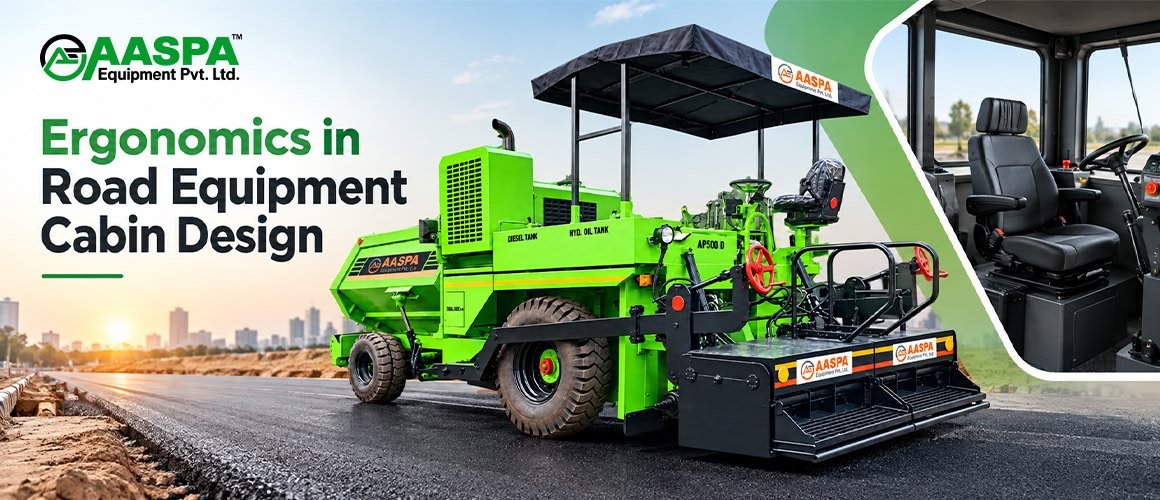
Learn how road equipment cabin ergonomics improves operator comfort, safety, visibility and productivity through better seating, controls and cabin design.
The intricate world of road construction and maintenance relies heavily on sophisticated machinery, each piece playing a pivotal role in shaping our infrastructure. Yet, amidst the clatter and roar of these powerful giants, a silent, critical element often determines both their efficiency and the well-being of their operators: ergonomics. The importance of ergonomics in road equipment cabin design cannot be overstated, as it directly impacts productivity, reduces fatigue, enhances safety, and ultimately contributes to the longevity and profitability of operations. By carefully considering the human element within these complex machines, manufacturers and operators alike can unlock significant benefits.
The Foundation of Operator Well-being and Productivity
Ergonomics, at its core, is the science of designing and arranging workplaces, products, and systems so that they fit the people who use them. In the context of road equipment, this means crafting an environment that minimizes physical strain, maximizes comfort, and optimizes the operator’s interaction with the machine. When an operator is comfortable and positioned correctly, their focus sharpens, their reaction times improve, and their overall effectiveness increases. Conversely, a poorly designed cabin can lead to chronic pain, repetitive strain injuries, and a heightened risk of accidents, transforming a productive workday into a strenuous ordeal.
Minimizing Fatigue and Musculoskeletal Disorders
One of the primary goals of ergonomic cabin design is to mitigate operator fatigue. Long hours spent in a vibrating, confined space, often under challenging conditions, can quickly lead to exhaustion. Thoughtful ergonomic considerations, such as adjustable seating, proper lumbar support, and intuitive control placement, help distribute the operator’s weight, reduce muscle strain, and maintain good posture. This, in turn, significantly decreases the likelihood of developing musculoskeletal disorders, a common ailment among heavy equipment operators. A comfortable operator is a vigilant operator, less prone to errors caused by fatigue.
Enhancing Safety and Reducing Accidents
Safety is paramount on any construction site, and ergonomic cabin design plays a direct role in preventing accidents. When controls are logically arranged, within easy reach, and clearly labeled, operators can respond swiftly and accurately to unexpected situations. Excellent visibility, facilitated by large windows and strategically placed mirrors, allows operators to maintain awareness of their surroundings, reducing blind spots and the risk of collisions. Ergonomic principles extend to the design of entry and exit points, ensuring secure handholds and non-slip surfaces, thereby minimizing slips and falls when operators are getting in and out of the cabin.
Key Considerations for Construction Equipment Cabin Ergonomics
Designing an ergonomically sound cabin involves a multifaceted approach, addressing various aspects of the operator’s interaction with the machine. Each element, from the seat to the control panel, contributes to the overall effectiveness and comfort of the workspace.
Seating and Posture Support
The operator’s seat is arguably the most critical ergonomic component. It must be fully adjustable, allowing for various body types and preferences. Features such as height adjustment, recline, lumbar support, and armrests are essential. The seat should also be designed to absorb vibrations and shocks, isolating the operator from the jarring movements inherent in heavy equipment operation. Proper seating promotes a neutral spine position, reducing pressure on the back and neck, and preventing discomfort during extended shifts.
Control Layout and Accessibility
The placement and design of controls directly impact operator efficiency and safety. Controls should be logically grouped by function, within easy reach of the operator without excessive stretching or awkward movements. Tactile feedback, distinct shapes, and clear labeling help operators identify and operate controls intuitively, even in low-light conditions or when wearing gloves. Modern designs often incorporate joysticks and touchscreens, requiring careful ergonomic integration to ensure ease of use and minimal eye strain.
Visibility and Environmental Control
Unobstructed visibility is crucial for safe and efficient operation. Large windows, strategically placed mirrors, and, increasingly, camera systems provide a comprehensive view of the work area. Tinted glass or sunshades can reduce glare, while effective HVAC (heating, ventilation, and air conditioning) systems maintain a comfortable internal temperature, irrespective of external weather conditions. Good ventilation also helps prevent the buildup of fumes or dust, contributing to a healthier breathing environment for the operator.
Innovations in Ergonomic Design for Road Equipment Cabins
The field of ergonomics is constantly evolving, driven by technological advancements and a deeper understanding of human factors. Manufacturers are continually pushing the boundaries, introducing innovative solutions to enhance operator comfort, safety, and productivity.
Advanced Seating and Suspension Systems
Beyond basic adjustments, modern road equipment often features advanced seating and suspension systems. Air-ride seats, for instance, utilize compressed air to dampen vibrations and provide a smoother ride, significantly reducing fatigue.
Some systems even incorporate active suspension, dynamically adjusting to terrain changes to maintain a stable and comfortable platform for the operator. These innovations represent a significant leap forward in isolating operators from the harsh realities of the worksite.
Integrated Control Systems and Digital Interfaces
The proliferation of digital technology has transformed cabin design.
Integrated control systems consolidate multiple functions into intuitive interfaces, often utilizing touchscreens and customizable displays. While these offer greater flexibility, their ergonomic integration is crucial. Careful consideration is given to screen placement to minimize neck strain, glare reduction, and intuitive menu navigation.
Haptic feedback on touchscreens can provide a tactile confirmation of input, mimicking the feel of physical buttons.
Telematics and Operator Monitoring
Telematics systems, while primarily focused on machine performance and maintenance, also play an indirect role in ergonomics. By monitoring operator behavior, such as harsh braking or sudden movements, these systems can identify potential ergonomic stressors or poor operating habits. This data can then be used to provide targeted training or suggest adjustments to cabin settings, ultimately promoting safer and more comfortable operation.
Furthermore, some systems can monitor operator alertness, providing warnings if signs of fatigue are detected.
Integrating Ergonomics into Construction Equipment Cabin Layout
|
Metrics |
Value |
|
Operator Comfort |
High |
|
Visibility |
Optimal |
|
Reachability of Controls |
Efficient |
|
Noise Level |
Low |
|
Operator Fatigue |
Reduced |
Effective ergonomic design isn’t an afterthought; it’s an integral part of the initial design process. From concept to prototype, ergonomic principles must guide every decision regarding the cabin’s layout and features.
Human-Centered Design Approach
A human-centered design approach places the operator at the forefront of the design process. This involves extensive research into operator needs, preferences, and physiological characteristics. Mock-ups and simulations are used to test different layouts and control placements, allowing designers to gather feedback and refine their designs before production. This iterative process ensures that the final product truly meets the demands of its intended users.
Modularity and Customization Options
Recognizing that operators come in all shapes and sizes, and that different tasks may require different configurations, modularity and customization options are becoming increasingly important. Adjustable steering columns, movable control pods, and customizable display layouts allow operators to tailor their workspace to their specific needs, optimizing comfort and efficiency. This flexibility caters to a wider range of operators and can improve job satisfaction.
Noise and Vibration Reduction
Beyond seating and suspension, engineers employ various strategies to reduce noise and vibration within the cabin. Acoustic insulation materials, anti-vibration mounts for the engine and other components, and careful sealing of the cabin structure all contribute to a quieter and more stable environment. Reduced noise levels improve communication and decrease operator stress, while mitigated vibrations lessen the impact on the operator’s body.
Addressing Challenges in Ergonomics for Road Equipment Cabins
Despite significant advancements, challenges remain in achieving optimal ergonomics across all road equipment. Factors such as cost constraints, diverse operator populations, and the inherent demands of the worksite often present complex design dilemmas.
Balancing Cost and Ergonomic Features
Implementing advanced ergonomic features can add to the manufacturing cost of road equipment. Manufacturers must balance the desire for cutting-edge design with the need to produce economically viable machines. This often involves prioritizing the most impactful ergonomic features and exploring cost-effective solutions for others. Education about the long-term benefits of ergonomics, such as reduced absenteeism and improved productivity, can help justify initial investments.
Accommodating Diverse Operator Populations
The global nature of the construction industry means that road equipment is operated by individuals of varying heights, weights, and physical abilities. Designing a “one-size-fits-all” cabin is therefore impractical. The challenge lies in creating highly adjustable and adaptable cabins that can comfortably accommodate a wide range of operators, minimizing the need for awkward postures or reaching.
Integrating Ergonomics with Harsh Operating Environments
Road equipment operates in some of the most demanding environments imaginable – extreme temperatures, dust, vibration, and uneven terrain are common. Integrating ergonomic features that can withstand these harsh conditions without compromising their functionality or durability is a significant challenge. Materials must be robust, controls must be reliable, and environmental control systems must be effective, all while maintaining ergonomic integrity.
Best Practices for Incorporating Ergonomics in Construction Equipment Cabin Design
To achieve truly effective ergonomic cabin design, manufacturers and operators should adhere to a set of best practices that prioritize the operator’s well-being and operational efficiency.
Early Integration in the Design Process
As previously mentioned, ergonomics should not be an afterthought. Integrating ergonomic principles from the earliest stages of design ensures that operator needs are considered at every step, leading to more holistic and effective solutions. This proactive approach prevents costly redesigns later in the development cycle.
User Feedback and Testing
Continuous feedback from actual operators is invaluable. Throughout the design and development process, engaging operators in testing prototypes and providing input on designs ensures that the final product meets their real-world needs. This iterative process of feedback and refinement is critical for optimizing ergonomic performance.
Training and Education for Operators
Even the most ergonomically designed cabin can be ineffective if operators are not properly trained on how to adjust and utilize its features. Comprehensive training programs should educate operators on the importance of ergonomic principles, proper seating adjustments, and the correct use of controls to maximize comfort and minimize strain. Empowering operators with this knowledge helps them take ownership of their own well-being.
Regular Maintenance and Updates
Ergonomic features, like any other component of heavy equipment, require regular maintenance to remain functional and effective. Worn-out seat cushions, malfunctioning adjustment mechanisms, or faulty HVAC systems can quickly negate ergonomic benefits. Furthermore, manufacturers should continuously explore and integrate new ergonomic advancements into their designs, offering updates and retrofits where feasible to keep pace with evolving best practices.
In conclusion, the careful application of ergonomic principles in the design of road equipment cabins is not merely an amenity; it is a fundamental requirement for enhancing productivity, ensuring safety, and safeguarding the health of operators. By prioritizing the human element, manufacturers can create machines that are not only powerful and efficient but also comfortable, safe, and truly fit for purpose, paving the way for a more sustainable and productive construction industry. The ongoing commitment to ergonomic innovation will continue to shape the future of road equipment, benefiting both the machines and the skilled individuals who operate them.
FAQs
- What is the importance of ergonomics in road equipment cabin design?
Ergonomics in road equipment cabin design is crucial for ensuring the comfort, safety, and productivity of equipment operators. Proper ergonomic design can reduce the risk of musculoskeletal disorders, fatigue, and other health issues, while also improving overall performance and efficiency.
- What are the key considerations for construction equipment cabin ergonomics?
Key considerations for construction equipment cabin ergonomics include the arrangement of controls and displays for easy access and operation, the design of seating and visibility for optimal comfort and visibility, and the incorporation of adjustable features to accommodate operators of different sizes and preferences.
- What are some innovations in ergonomic design for road equipment cabins?
Innovations in ergonomic design for road equipment cabins include the use of advanced seating systems with integrated vibration control, adjustable armrests and controls, improved climate control systems, and the integration of advanced technology for monitoring and optimizing operator comfort and performance.
- How can ergonomics be integrated into construction equipment cabin layout?
Ergonomics can be integrated into construction equipment cabin layout by carefully considering the placement of controls, displays, and seating to minimize operator strain and fatigue, as well as by incorporating adjustable features and advanced technology to enhance comfort and performance.
- What are the best practices for incorporating ergonomics in construction equipment cabin design?
Best practices for incorporating ergonomics in construction equipment cabin design include conducting thorough ergonomic assessments, involving equipment operators in the design process, utilizing advanced simulation and modeling tools, and continuously seeking feedback and making improvements based on operator experience and performance.