
Key Components of an Asphalt Batch Mix Plant and Their Impact on Output
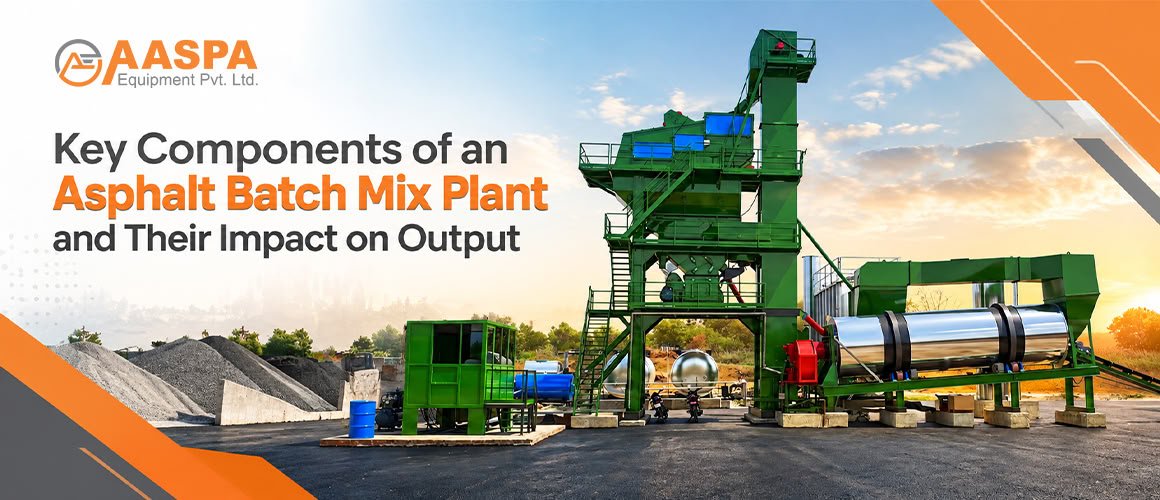
Discover asphalt batch mix plant components and how feeders, dryers, screens and mixers affect production output, mix quality and efficiency.
The asphalt batch mix plant stands as a cornerstone of modern infrastructure development, a sophisticated assembly of machinery meticulously engineered to produce the asphaltic concrete that paves our roads, highways, and countless other surfaces. Its operation, a complex symphony of material handling, heating, mixing, and storage, directly dictates the quality, quantity, and cost-effectiveness of the finished product. Understanding the key components and their individual roles is paramount for any operator, engineer, or stakeholder involved in the asphalt production process. This exploration delves into these critical elements, dissecting their functions and illuminating their profound impact on the overall output and efficiency of an asphalt batch mix plant.
Overview of the Main Components in an Asphalt Batch Mix Plant
At its heart, an asphalt batch mix plant is a system designed to precisely combine aggregates (crushed stone, sand, and filler) with bitumen (asphalt binder) at controlled temperatures. While configurations can vary, a typical plant comprises several interconnected modules, each fulfilling a specific purpose in the journey from raw materials to finished asphalt. These core components, when working in harmony, ensure the consistent production of asphaltic concrete that meets stringent specifications for durability, performance, and workability. The seamless integration and precise calibration of each part are what ultimately determine the plant’s capacity, the quality of its output, and its operational longevity. The design and layout of these components are crucial, influencing material flow, energy consumption, and the ease of maintenance and operation. Modern plants often incorporate advanced technologies to optimize each stage of the process, minimizing waste and maximizing efficiency.
The Foundation: Material Reception and Storage
The initial stage of any batch plant operation involves the reception and storage of the primary raw materials: aggregates and bitumen. Aggregates, sourced from quarries, are typically delivered by trucks and stored in separate bays or stockpiles according to their size and type. This initial segregation is vital for accurate proportioning later in the process. Bitumen, a viscous liquid at elevated temperatures, is stored in heated tanks to maintain its workability and prevent solidification. The design of these storage facilities directly impacts the plant’s ability to maintain a steady supply of materials, a crucial factor in preventing production bottlenecks. The capacity of these storage areas also determines the plant’s autonomy, allowing it to operate for extended periods without the need for frequent deliveries, especially in remote locations.
The Preparation Phase: Drying and Heating
Before aggregates can be effectively mixed with bitumen, they must be thoroughly dried and heated to specific temperatures. This is achieved in the dryer drum, a rotating cylindrical vessel where aggregates are tumbled and exposed to a flow of hot gases. The efficiency of this process directly influences the bitumen’s ability to coat the aggregate uniformly. Over-drying or under-drying can lead to segregation, poor adhesion, and ultimately, a compromised asphalt mix. The temperature control within the dryer is paramount, requiring precise monitoring to avoid overheating, which can degrade the aggregate, or underheating, which can result in a cold mix.
The Core Process: Mixing and Blending
The heart of the batch mix plant is the mixing tower, where the dried and heated aggregates are precisely measured and combined with bitumen in a vigorous mixing action. This is where the transformation from individual components to a cohesive asphaltic concrete occurs. The design of the mixer, its capacity, and the mixing time are all critical factors in achieving a homogeneous and consistent blend. The goal is to ensure every aggregate particle is thoroughly coated with bitumen, creating a strong and durable bond.
The Final Touches: Storage and Dispatch
Once mixed, the hot asphalt is typically discharged into storage silos. These silos not only hold the finished product temporarily but also ensure it remains at the correct temperature for efficient loading onto transport vehicles. The design and number of storage silos can significantly impact the plant’s overall throughput, allowing for continuous loading operations while the next batch is being prepared.
The Role of the Cold Aggregate Feeder in Batch Production
The cold aggregate feeder is the initial point of contact for the raw materials in a batch mix plant, playing a critical role in setting the stage for the entire production cycle. Its primary function is to accurately and consistently deliver the various aggregate sizes from their storage stockpiles to the drying and heating system. Typically, this involves a series of conveyor belts or vibrating feeders, each dedicated to a specific aggregate fraction. The precise control over the flow rate of each aggregate type is paramount. This control allows for the accurate proportioning of different aggregate sizes, a fundamental step in creating an asphalt mix that meets specific design requirements for strength, stability, and workability. Without a reliable and accurate cold aggregate feeder, the subsequent stages of the plant would be operating with flawed material inputs, leading to inconsistent mix designs and compromised final product quality.
Ensuring Accurate Proportioning
The impact of the cold aggregate feeder on proportioning is direct and profound. Each feeder bin is equipped with adjustable gates or variable speed drives that allow operators to control the volume of aggregate released. By carefully calibrating these settings based on the asphalt mix design, operators can ensure that the correct ratio of coarse aggregate, fine aggregate, and filler is introduced into the plant. Any inaccuracies at this early stage will propagate through the entire process, resulting in a final asphalt product that deviates from its intended properties. This can manifest as a mix that is too lean (insufficient bitumen), leading to premature cracking, or too rich (excess bitumen), resulting in rutting and shoving under traffic loads. The feeder’s ability to deliver these materials consistently, batch after batch, is what underpins the reliability of the entire operation.
Material Flow and Throughput
Beyond accurate proportioning, the cold aggregate feeder significantly influences the plant’s overall throughput. The capacity of the feeders and the speed at which they can deliver materials directly impact how quickly the dryer drum and subsequent components can be supplied. If the feeders are undersized or prone to blockage, they can create a bottleneck, slowing down the entire plant’s production rate. Conversely, a well-designed and robust feeder system ensures a continuous and adequate supply of aggregates, allowing the plant to operate at its maximum capacity and meet demanding project schedules. The physical layout of the feeder bins and the conveyor systems also plays a role in how efficiently materials can be loaded from stockpiles, minimizing downtime for material replenishment.
Maintaining Material Integrity
The design of the cold aggregate feeder also has an impact on the integrity of the aggregates themselves. Harsh handling or excessive dropping of materials can lead to unnecessary degradation and the generation of fines, which can alter the gradation of the aggregate and affect the final mix properties. Modern feeders are designed with gentler handling mechanisms to minimize such issues, preserving the quality of the raw materials. The selection of appropriate materials for the feeder components, such as wear-resistant liners, also contributes to their longevity and the prevention of contamination of the aggregates.
How the Dryer Drum Influences Asphalt Quality and Efficiency
The dryer drum is arguably the most energy-intensive and critical component in an asphalt batch mix plant. Its primary function is to remove inherent moisture from the aggregates and heat them to precise temperatures required for optimal bitumen coating and adhesion. The effectiveness of this process directly correlates with the quality of the final asphalt mix and the overall efficiency of the plant. A well-performing dryer drum ensures that aggregates are uniformly heated, without scorching or degradation, allowing the bitumen to flow and bind effectively.
Moisture Removal and Aggregate Heating
The process within the dryer drum involves the tumbling of aggregates in conjunction with a stream of hot gases, typically generated by a burner fueled by natural gas, LPG, or fuel oil. This tumbling action maximizes the surface area of the aggregates exposed to the heat, facilitating rapid and uniform moisture evaporation. The temperature and residence time of the aggregates within the drum are meticulously controlled. Insufficient drying leaves residual moisture, which can interfere with bitumen adhesion, leading to premature pavement failure due to stripping. Conversely, overheating can cause thermal degradation of both the aggregate and any residual bitumen that may have been introduced prematurely, negatively impacting the mix’s performance and potentially creating harmful emissions.
Impact on Bitumen Coating and Adhesion
The temperature to which the aggregates are heated is crucial for achieving proper bitumen coating. Aggregates must be hot enough to allow the bitumen to achieve a sufficiently low viscosity for it to spread evenly and coat each aggregate particle thoroughly. This comprehensive coating is fundamental to the strength and durability of the asphalt pavement. If the aggregates are too cold, the bitumen will be too viscous to spread properly, resulting in “bare” aggregate spots and a weak, porous mix. The dryer drum’s ability to consistently deliver aggregates at the target temperature is, therefore, a direct determinant of the quality of the bitumen adhesion and the longevity of the pavement.
Energy Efficiency and Emissions Control
The dryer drum is also a significant factor in the plant’s energy consumption and environmental impact. Optimizing the burner system for efficient combustion, ensuring proper insulation of the drum, and effectively managing the airflow are all crucial for minimizing fuel usage. Furthermore, the hot gases exiting the dryer drum carry dust and fine particles, which must be captured by an effective dust collection system, typically involving baghouses or cyclones, to comply with environmental regulations and prevent air pollution. The efficiency of the dryer drum directly influences the amount of fuel required to process a given tonnage of asphalt, impacting the operational cost of the plant. Modern dryer drums incorporate advanced burner technology and combustion control systems to maximize heat transfer efficiency and minimize fuel consumption.
Importance of the Mixing Tower in Achieving Consistent Mix Output
|
Metric |
Description |
Impact on Mix Consistency |
Typical Value/Range |
|
Mixing Time |
Duration the materials spend in the mixing tower |
Longer mixing time generally improves homogeneity |
30-120 seconds |
|
Mixing Speed |
Rotational speed of mixing blades or paddles |
Optimal speed ensures thorough blending without segregation |
50-150 RPM |
|
Temperature Control |
Ability to maintain consistent temperature during mixing |
Prevents premature setting and ensures uniformity |
20-25°C (68-77°F) |
|
Material Flow Rate |
Rate at which raw materials enter the mixing tower |
Consistent flow rate avoids variations in mix proportions |
Variable, depending on plant capacity |
|
Mixing Tower Height |
Physical height of the mixing tower structure |
Influences residence time and mixing efficiency |
5-15 meters |
|
Homogeneity Index |
Quantitative measure of mix uniformity |
Higher index indicates better consistency |
0.85 – 0.98 (scale 0-1) |
|
Output Consistency Rate |
Percentage of batches meeting quality standards |
Reflects reliability of mixing process |
95% – 99% |
The mixing tower, often referred to as the “heart” of the batch mix plant, is where the magic of asphalt production truly happens. It houses the weigh hoppers, screeners, and the pugmill mixer, all working in concert to precisely combine the heated aggregates with bitumen to form the final asphaltic concrete. The meticulous design and operation of the mixing tower are paramount for achieving consistent mix output, ensuring that every batch produced adheres to the specified design parameters. Inaccuracies or inefficiencies within this module can quickly lead to a cascade of problems, compromising the quality and uniformity of the asphaltic product.
Precision Weighing and Screening of Aggregates
Within the mixing tower, aggregates are accurately weighed into individual batches according to the mix design. This is typically achieved through a system of weigh hoppers, each dedicated to a specific aggregate size or a combination thereof. The accuracy of these weigh scales is critical. Any deviation from the specified weights will result in a mix that is either too rich or too lean in certain aggregate fractions, directly impacting the asphalt’s performance characteristics. Following weighing, aggregates are often passed through screens within the tower to confirm their gradation and ensure that no foreign material has been introduced during the heating process. This double-checking mechanism is vital for maintaining the integrity of the mix.
The Pugmill Mixer: The Engine of Blending
The pugmill mixer is the central component of the mixing tower, responsible for the vigorous and thorough blending of aggregates and bitumen. It consists of a U-shaped trough containing counter-rotating shafts fitted with paddles. As the heated aggregates and bitumen are introduced, the paddles churn and mix the materials, ensuring that every aggregate particle is evenly coated with bitumen. The design of the pugmill, including the number and angle of the paddles, the mixing time, and the speed of rotation, are all critical factors in achieving a homogeneous mix. A poorly designed or operated pugmill can lead to segregation, uneven coating, and “balled-up” material, all of which compromise the quality of the asphalt.
Ensuring Homogeneity and Consistency
The primary objective of the mixing tower is to produce a homogeneous and consistent asphalt mix, batch after batch. This means that the distribution of aggregates and bitumen should be uniform throughout the entire batch. The synergistic operation of the weigh hoppers, screeners, and the pugmill mixer is essential for this. Any malfunction or calibration error in any of these components can disrupt the homogeneity, leading to variations in the asphalt’s properties from one batch to the next. This inconsistency can result in a pavement that exhibits uneven wear, cracking, or rutting over time, significantly reducing its lifespan and increasing maintenance costs. The precise control over the mixing cycle, including the sequence of material addition and the duration of the mixing process, is fundamental to achieving this desired consistency.
Impact of the Control System on Batch Plant Performance
The control system of an asphalt batch mix plant is the modern-day brain, orchestrating the complex symphony of operations and dictating the plant’s overall performance, efficiency, and product quality. Gone are the days of purely manual operation; modern batch plants rely on sophisticated computerized systems that monitor, regulate, and record every aspect of the production process. The effectiveness and user-friendliness of this control system have a direct and profound impact on the plant’s ability to produce consistent, high-quality asphalt in a safe and economical manner.
Automation and Precision Control
Modern control systems enable a high degree of automation, minimizing the potential for human error that was inherent in manual operations. They precisely control key parameters such as aggregate feed rates, burner temperatures, bitumen injection rates, and mixing times. This precision ensures that each batch is produced to exact specifications, leading to a more consistent and reliable asphalt product. The system can also implement interlocks and safety protocols, preventing operations from proceeding if critical parameters are not met, thereby enhancing safety and preventing costly material or equipment damage. The ability to precisely replicate mix designs across multiple batches is a hallmark of a well-implemented control system.
Data Logging, Analysis, and Optimization
A significant benefit of advanced control systems is their capacity for data logging and analysis. They record crucial information for each batch produced, including material weights, temperatures, mixing times, and production rates. This wealth of data can be invaluable for optimizing plant performance. Operators can analyze historical production data to identify trends, pinpoint areas for improvement, and fine-tune operating parameters to maximize efficiency and minimize waste. This data-driven approach to plant management allows for continuous improvement and can lead to significant cost savings over time. Furthermore, this data is often essential for quality control documentation and for demonstrating compliance with project specifications.
User Interface and Operational Ease
The user interface of the control system plays a critical role in the ease of operation and the overall efficiency of the plant. An intuitive and well-designed interface allows operators to easily monitor plant status, adjust parameters, and troubleshoot issues. Clear visual displays, user-friendly menus, and readily accessible diagnostics contribute to a more efficient and less stressful operating environment. A poorly designed interface, on the other hand, can lead to confusion, errors, and a reduction in operator productivity. The ability of the system to provide real-time feedback and alerts empowers operators to make informed decisions and proactively address potential problems before they impact production.
Storage Silos and Their Effect on Asphalt Batch Plant Productivity
Storage silos are the final frontier for the produced asphalt before it is dispatched to the construction site, and their design and capacity have a significant influence on the overall productivity and operational flow of an asphalt batch mix plant. While they may seem like passive holding vessels, their role in maintaining the asphalt’s temperature, managing production flow, and facilitating efficient loading is critical for maximizing throughput and minimizing downtime. The strategic placement and configuration of these silos can transform a plant’s ability to meet demanding project schedules.
Temperature Maintenance and Material Quality
Hot mix asphalt needs to be maintained at a specific temperature range to remain workable and ensure proper compaction on the road. Storage silos are equipped with heating systems, typically using thermal oil or electric elements, to keep the asphalt at the optimal temperature. The effectiveness of this heating system directly impacts the quality of the asphalt delivered to the paving crew. If the silos are poorly insulated or the heating system is inadequate, the asphalt can cool down too much, becoming stiff and difficult to lay, potentially leading to premature deterioration of the pavement. The design of the silo, including its shape and internal lining, also plays a role in minimizing heat loss and preventing segregation of the asphalt mix within the silo.
Managing Production Flow and Bottlenecks
The number and capacity of storage silos are directly related to the plant’s ability to manage its production flow and avoid bottlenecks. A plant with insufficient silo capacity may find itself forced to slow down or even stop production if the rate of asphalt production exceeds the rate at which it can be loaded onto trucks. This can lead to wasted fuel and lost production time. Conversely, a plant with adequately sized and numerous silos can continue producing asphalt even if truck availability is temporarily limited, allowing for a more consistent and efficient operation. The ability to store a reserve of hot mix also provides flexibility in responding to fluctuating demand from paving operations.
Facilitating Efficient Loading and Dispatch
The design of the silo discharge gates and the loading infrastructure significantly impacts the speed and efficiency of loading trucks. Silos that allow for a smooth and rapid discharge of asphalt, combined with well-designed loading bays and loading controls, can drastically reduce the time it takes to fill a truck. This minimizes the turnaround time for haulage vehicles, allowing more loads to be delivered to the project site within a given timeframe, thereby enhancing overall project productivity. The ability to load multiple trucks simultaneously from different silos can further improve efficiency. The integration of the silo system with the plant’s control system also allows for automated loading sequences, further streamlining the dispatch process and reducing the potential for errors.
FAQs
- What are the main components of an asphalt batch mix plant?
The main components of an asphalt batch mix plant include the cold aggregate feeder, dryer drum, mixing tower, control system, and storage silos. Each plays a crucial role in the production process and overall plant efficiency.
- How does the cold aggregate feeder affect batch production?
The cold aggregate feeder is responsible for accurately measuring and feeding different sizes of aggregates into the dryer drum. Its precision directly impacts the consistency and quality of the asphalt mix produced.
- What role does the dryer drum play in asphalt quality and efficiency?
The dryer drum heats and dries the aggregates before mixing with bitumen. Proper drying ensures the removal of moisture, which is essential for achieving high-quality asphalt and improving the plant’s operational efficiency.
- Why is the mixing tower important for consistent mix output?
The mixing tower combines heated aggregates, bitumen, and filler materials uniformly. Its design and operation are critical for producing a consistent and homogenous asphalt mix that meets specified standards.
- How does the control system impact the performance of an asphalt batch plant?
The control system manages and monitors the entire production process, including material feeding, drying, mixing, and storage. An efficient control system enhances accuracy, reduces errors, and optimizes plant productivity.