
Production Rate vs Rated Capacity: Why Asphalt Plant Output Varies
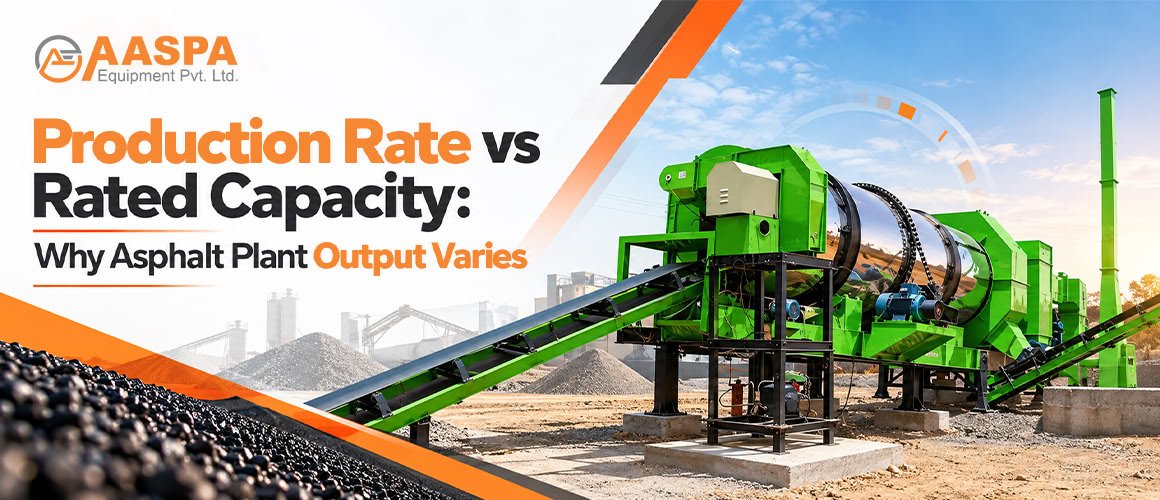
Learn why asphalt plant output varies from rated capacity and how moisture, mix design, fuel efficiency and downtime affect actual production rates.
The asphalt industry, a cornerstone of modern infrastructure, relies heavily on the efficient and consistent production of paving materials. Yet, the reported production rate of an asphalt plant often diverges from its theoretical rated capacity. This discrepancy is not merely a statistical anomaly but a critical factor influencing project timelines, profitability, and resource allocation. Understanding the nuanced relationship between rated capacity and actual output is paramount for plant managers, engineers, and anyone involved in the asphalt supply chain.
The rated capacity of an asphalt plant is a figure provided by the manufacturer, representing the maximum output achievable under ideal, laboratory-like conditions. This theoretical benchmark is typically expressed in tons per hour (tph) or metric tons per hour (MTPH) and is derived from engineering calculations based on the size and capabilities of individual components, such as the dryer, mixer, and screens. It assumes perfect material flow, optimal aggregate characteristics, consistent fuel quality, and a complete absence of operational interruptions.
The Idealized Scenario of Rated Capacity
When a manufacturer states a plant’s rated capacity, they are envisioning a scenario where the aggregates are perfectly sized, pre-dried to a specific moisture content, and consistently fed into the system at the exact rate required. The burner operates at peak efficiency, heating the aggregates to the desired temperature without any fluctuations. The mixing drum, or pugmill, churns out a perfectly homogenous asphalt mix with each cycle, and the hot mix asphalt (HMA) is discharged without delay. In this idealized world, every component of the plant functions flawlessly and in perfect synchronicity, leading to a continuous and maximum flow of material.
The Real-World Constraints on Actual Output
In reality, achieving the rated capacity consistently is an elusive goal. Numerous factors, ranging from the inherent variability of raw materials to the unpredictable nature of operational demands, conspire to reduce actual output. Real-world conditions rarely align with the pristine environment of a manufacturer’s test facility. This means that while a plant might be rated for 300 tph, its sustained operational output might realistically fall closer to 200-250 tph, or even lower, depending on a myriad of influences. The disparity between theoretical potential and practical attainment is where the true challenge and art of asphalt production lie.
Key Factors Influencing Asphalt Plant Production Rates
The actual production rate of an asphalt plant is a dynamic variable, constantly fluctuating in response to a complex interplay of internal and external factors. Identifying and managing these influences is crucial for optimizing plant performance and meeting project demands.
Aggregate Characteristics and Quality
The quality and characteristics of the aggregates are arguably the most significant determinant of an asphalt plant’s production rate. Variations in aggregate moisture content directly impact the energy required for drying. Wet aggregates demand more heat and a longer drying time, thus slowing down the entire process. Similarly, the size and gradation of aggregates influence drying efficiency and screening capacity. Finer aggregates, for instance, present a larger surface area per unit of mass, requiring more energy for heating and potentially causing issues with dust collection. Conversely, overly coarse aggregates can lead to inefficiencies in mixing and compaction. Contaminants within the aggregate stream, such as clay, silt, or organic matter, can also hinder production by affecting drying, burning, and even the final mix quality.
Mix Design and Specifications
Different asphalt mix designs inherently possess varying production complexities. A dense-graded asphalt concrete, for example, might be easier to produce consistently than a highly specialized stone matrix asphalt (SMA) or open-graded friction course (OGFC). Mix designs that call for specific additives, such as fibers, polymers, or recycling agents, introduce additional steps and potential bottlenecks in the production process. The required mixing time for certain designs, particularly those with high percentages of reclaimed asphalt pavement (RAP), can also extend cycle times and reduce overall output. Tight specifications regarding temperature, aggregate percentages, and binder content demand precise control, which can sometimes necessitate a slower, more deliberate production pace to ensure quality.
Operational Practices and Plant Setup
The way a plant is operated, including the calibration of feeders, burner settings, and dust collection systems, profoundly impacts its output. Incorrectly calibrated cold feed bins can lead to inconsistent aggregate proportions, requiring adjustments and potentially halting production. Inefficient burner operation, either due to poor maintenance or improper fuel-to-air ratios, can reduce drying efficiency and increase fuel consumption. The plant’s overall setup, including the layout of material handling systems, storage silos, and truck loading areas, also plays a role. Any bottleneck in these ancillary systems, such as slow truck loading or insufficient hot mix storage capacity, can directly limit the continuous flow of production.
How Material Quality Impacts Asphalt Production Efficiency
The quality of raw materials extends beyond aggregates to encompass the asphalt binder, fuel, and any additives used in the mix. Each component contributes to the overall efficiency and consistency of the asphalt production process.
Asphalt Binder and Additive Management
The asphalt binder, while not subjected to the same drying process as aggregates, still influences production efficiency. Consistent viscosity and temperature of the binder are crucial for proper atomization in the mixing drum and adequate coating of the aggregates. Variations can lead to poor coating, necessitating longer mixing times or even rejection of the mix. The introduction of additives, such as liquid anti-stripping agents or solid fibers, must be precisely controlled. Inconsistent dosing or improper incorporation of these materials can compromise mix quality and require adjustments to the production process, thereby reducing efficiency.
Fuel Quality and Combustion Efficiency
The fuel used to fire the dryer burner is a direct input to the drying process. Variations in fuel quality, such as changes in BTU content or the presence of contaminants, can lead to inconsistent heat output and affect the drying efficiency of the aggregates. A poorly maintained burner or an improperly tuned combustion system will waste fuel and struggle to achieve the desired aggregate temperatures efficiently, forcing the plant to operate at a lower throughput. Regular monitoring of fuel quality and burner performance is essential for maintaining optimal drying efficiency and maximizing production rates.
The Role of Equipment Maintenance in Maintaining Plant Output
An asphalt plant is a complex assembly of interconnected machinery, and the health of each component directly affects the overall system’s performance. Proactive and diligent maintenance is not merely about preventing breakdowns; it is a fundamental strategy for sustaining high production rates and maximizing rated capacity.
Preventive and Predictive Maintenance Regimes
Moving beyond reactive “fix-it-when-it-breaks” approaches, modern asphalt plants benefit immensely from comprehensive preventive maintenance (PM) and predictive maintenance (PDM) programs. PM schedules regular inspections, lubrication, and replacement of wear parts, ensuring that components are addressed before they fail. PDM, utilizing sensors and data analysis, anticipates potential failures based on operational trends, allowing for interventions during planned downtime rather than experiencing unexpected breakdowns during peak production. A well-executed maintenance schedule minimizes unscheduled downtime, which is a major contributor to lost production.
Impact of Component Wear and Tear
Every component within an asphalt plant, from the cold feed belts to the hot mix storage silos, experiences wear and tear. Worn dryer flights reduce heat transfer efficiency, leading to increased drying times. Abraded pugmill tips result in inefficient mixing and poor aggregate coating. Damaged screens can lead to incorrect aggregate gradation, requiring rework or reducing the quality of the final product. Even minor issues, like a worn idler on a conveyor belt, can eventually escalate into a larger problem that halts production. Regular inspection and timely replacement of worn parts are critical to maintaining the plant’s operational efficiency and ensuring that each component contributes effectively to the overall production rate.
Calibration and System Optimization
Beyond just replacing worn parts, proper calibration of all plant systems is vital. Feeder gates, weigh scales, temperature probes, and asphalt binder pumps must be accurately calibrated to ensure precise material proportions and temperatures. Miscalibrated systems can lead to off-spec mix, necessitating adjustments, reprocessing, or even rejection of the material, all of which reduce effective production. Regular system optimization, involving fine-tuning burner settings, fan speeds, and mixing times based on current aggregate conditions and mix designs, can unlock latent production capacity and improve fuel efficiency.
Environmental Conditions and Their Effect on Asphalt Production
|
Environmental Condition |
Effect on Asphalt Production |
Typical Impact on Quality |
Mitigation Strategies |
|
Ambient Temperature (°C) |
Influences mixing temperature and cooling rate |
Low temperatures can cause premature cooling, leading to poor compaction |
Adjust mixing temperature; use heated storage tanks |
|
Humidity (%) |
High humidity can increase moisture content in aggregates |
Excess moisture leads to stripping and reduced adhesion |
Dry aggregates thoroughly before mixing; use anti-stripping agents |
|
Wind Speed (km/h) |
Accelerates cooling of asphalt mix during transport and laying |
Rapid cooling reduces workability and compaction quality |
Minimize transport time; use windbreaks at paving site |
|
Precipitation (mm) |
Rain can introduce moisture and delay production |
Leads to poor bonding and surface defects |
Schedule production during dry periods; cover stockpiles and equipment |
|
Solar Radiation (W/m²) |
Increases temperature of stockpiles and mix |
Can cause overheating and aging of asphalt binder |
Monitor temperatures; use shading or cooling methods |
While often overlooked, the surrounding environmental conditions can significantly influence an asphalt plant’s operational efficiency and production capacity. These external factors can create challenges that directly impact throughput.
Ambient Temperature and Humidity
Cold ambient temperatures require more energy to heat aggregates and maintain the temperature of the asphalt binder. This increased thermal demand can strain the burner and dryer, potentially slowing down production if the plant is already operating near its capacity. Similarly, high humidity contributes to the moisture content of aggregates, demanding more drying effort and fuel. In regions with significant seasonal temperature swings, plant managers must adjust their operational parameters accordingly to maintain optimal production rates.
Precipitation and Wind
Rain and snow directly increase the moisture content of stockpiled aggregates, especially if they are not properly covered. This leads to higher fuel consumption and slower drying times. Strong winds can disrupt the heat transfer within the dryer and increase heat loss from exposed components, making it more challenging to maintain consistent temperatures and reducing overall thermal efficiency. Dust control, already a concern in asphalt plants, can also be exacerbated by windy conditions, potentially leading to increased emissions and operational interruptions for cleaning.
Air Pressure and Altitude
Although less common, significant changes in air pressure or operating at high altitudes can affect burner efficiency. Lower atmospheric pressure at higher altitudes reduces the oxygen available for combustion, which can necessitate adjustments to the burner’s air-to-fuel ratio to maintain efficient drying. While most plants are designed to operate within a range of environmental conditions, extreme or unusual circumstances can introduce unexpected challenges to maintaining desired production rates.
Strategies to Optimize Production Rate and Maximize Plant Capacity
Achieving and sustaining an optimal production rate requires a holistic approach that integrates technology, operational best practices, and continuous improvement.
Data-Driven Decision Making
Modern asphalt plants generate vast amounts of data, from aggregate moisture content and temperatures to fuel consumption and emissions. Leveraging this data through advanced control systems and analytical software allows for real-time monitoring of key performance indicators. By analyzing trends and identifying deviations, plant managers can make informed decisions to optimize settings, anticipate potential problems, and streamline operations. This data-driven approach moves beyond guesswork, enabling precise adjustments that directly impact production efficiency.
Investment in Technology and Upgrades
While initial capital intensive, strategic investments in new technologies and plant upgrades can significantly boost production capacity and efficiency. This could include upgrading to more efficient dryer burners, installing advanced dust collection systems, implementing automated aggregate feeding systems, or incorporating higher capacity screens. Technologies like warm mix asphalt (WMA) systems can reduce drying energy requirements, thereby indirectly increasing effective production by allowing faster throughput for the same energy input.
Continuous Operator Training and Skill Development
The most sophisticated equipment is only as good as the operators who run it. Continuous training and skill development for plant personnel are crucial. Well-trained operators understand the nuances of the plant, can quickly diagnose problems, and know how to make appropriate adjustments to optimize production. Their ability to respond effectively to changing aggregate conditions, mix designs, and environmental factors directly contributes to maintaining consistent and high output. Fostering a culture of learning and empowering operators to contribute to process improvement can unlock significant gains in production efficiency.
Regular Audits and Process Improvement
Periodically conducting comprehensive audits of the entire production process, from aggregate sourcing to HMA loadout, can identify inefficiencies and bottlenecks. These audits might involve reviewing material flow, analyzing energy consumption, assessing maintenance practices, and gathering feedback from operators. Based on audit findings, implementing targeted process improvements, even seemingly minor ones, can collectively lead to substantial increases in production rate and overall plant capacity utilization. This commitment to continuous improvement ensures that the asphalt plant remains competitive and responsive to evolving market demands.
FAQs
- What is the difference between production rate and rated capacity in asphalt plants?
Production rate refers to the actual amount of asphalt produced by a plant within a specific time frame, while rated capacity is the theoretical maximum output the plant can achieve under ideal conditions. The production rate is often lower than the rated capacity due to various operational and environmental factors.
- How do material quality and equipment maintenance affect asphalt plant output?
Material quality directly impacts the efficiency of the asphalt production process; poor-quality materials can cause delays and reduce output. Regular equipment maintenance ensures that machinery operates smoothly and prevents unexpected breakdowns, both of which are essential for maintaining consistent production rates.
- What environmental conditions influence asphalt plant production rates?
Environmental factors such as temperature, humidity, and wind can affect the drying and mixing processes in asphalt production. Extreme weather conditions may slow down operations or require adjustments, thereby impacting the overall production rate.
- Why is there often a difference between theoretical rated capacity and real-world output?
Theoretical rated capacity assumes optimal conditions without interruptions, whereas real-world output is influenced by factors like equipment downtime, material variability, environmental conditions, and operational inefficiencies, all of which can reduce actual production rates.
- What strategies can be employed to optimize production rate and maximize plant capacity?
Strategies include regular equipment maintenance, using high-quality materials, training operators for efficient plant management, monitoring environmental conditions to adjust processes accordingly, and implementing process improvements to reduce downtime and enhance throughput.