
Cleaner Fuel Alternatives for Asphalt Machinery
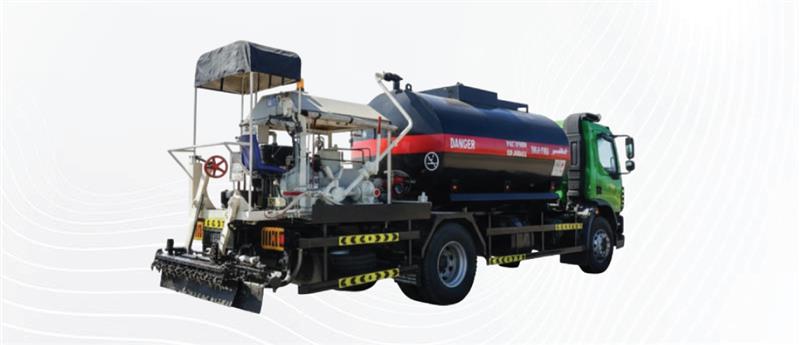
Asphalt machinery is the bedrock of our infrastructure, but its reliance on traditional fossil fuels presents a growing challenge for both the environment and our wallets. Simply put, cleaner fuel alternatives for asphalt machinery are not just a nice-to-have; they’re becoming a necessity. The good news is that there’s a spectrum of options emerging, offering tangible benefits in terms of emissions, operational costs, and even machine longevity. This move isn’t about radically redesigning every piece of equipment overnight, but rather about a gradual shift towards more sustainable and efficient energy sources.
The Burning Question: Why Change Fuels?
The asphalt industry has historically been heavily dependent on diesel, and for good reason: it’s readily available, energy-dense, and machinery has been optimized for it over decades. However, this convenience comes at a cost, both environmental and financial.
Environmental Imperatives
Burning traditional diesel releases a host of pollutants into the atmosphere. We’re talking about greenhouse gases like carbon dioxide (CO2) that contribute to climate change, and particulate matter (PM), nitrogen oxides (NOx), and sulfur oxides (SOx). These aren’t just abstract numbers; they have real impacts on air quality, contributing to respiratory illnesses and smog, especially in urban areas where much of the work takes place. With increasing public awareness and stricter environmental regulations, the pressure to reduce these emissions is mounting. Companies are finding themselves scrutinized not just for the quality of their roads, but also for the environmental footprint of their operations.
Economic Drivers
While the initial thought might be that cleaner fuels are more expensive, this isn’t always the full picture. Fuel prices are notoriously volatile, and diversification away from a single energy source can provide a buffer against these fluctuations. Beyond that, many governments are offering incentives, tax breaks, and grants for companies adopting greener technologies. There are also potential savings in maintenance; some cleaner fuels burn more efficiently, potentially leading to less wear and tear on engine components and extended service intervals. Factor in the rising cost of carbon credits and the potential for public image improvement, and the economic case for switching starts to look much stronger. In a competitive market, anything that can reduce long-term operating costs and enhance a company’s reputation is worth exploring.
Exploring the Spectrum of Cleaner Fuel Options
The good news is that we’re not talking about a single, magic bullet here. Instead, there’s a range of cleaner fuel alternatives, each with its own characteristics, advantages, and challenges.
Biodiesel: A Familiar Blend
Biodiesel is perhaps one of the most accessible alternative fuels for asphalt machinery. It’s essentially a renewable diesel fuel derived from vegetable oils, animal fats, or recycled cooking grease.
Drop-In Compatibility
One of biodiesel’s biggest selling points is its “drop-in” nature. In many cases, it can be used in existing diesel engines with little to no modification, particularly in lower blend percentages (e.g., B5, B20). This significantly reduces the barrier to entry for companies wanting to experiment with cleaner fuels without overhauling their entire fleet. The fuel infrastructure is also largely compatible, making distribution relatively straightforward.
Emission Reductions
Compared to petroleum diesel, biodiesel offers substantial reductions in particulate matter, hydrocarbons, and carbon monoxide emissions. While NOx emissions can sometimes be slightly higher depending on the blend and engine type, the overall environmental benefit is generally positive, especially concerning black carbon and harmful particulates. It’s also biodegradable and non-toxic, which is a bonus in case of spills.
Renewable Diesel (HVO): The Premium Petroleum Replacement
Hydrotreated Vegetable Oil (HVO), often referred to as renewable diesel, is distinct from traditional biodiesel. It’s produced by hydrotreating vegetable oils or animal fats, resulting in a fuel that is chemically almost identical to fossil diesel.
Superior Performance and Purity
HVO burns much cleaner than conventional diesel, significantly reducing harmful emissions like NOx, PM, and greenhouse gases. It also has a higher cetane number, which can lead to more efficient combustion and smoother engine operation. Crucially, HVO performs exceptionally well in cold weather, a common Achilles’ heel for traditional biodiesel. Its pure composition means less soot and deposits in the engine, potentially leading to reduced maintenance and extended engine life.
Infrastructure and Cost Considerations
Like biodiesel, HVO is a drop-in fuel, making it easy to integrate into existing fleets and infrastructure. The primary hurdle, however, remains its cost. Currently, HVO tends to be more expensive than conventional diesel, though this gap is narrowing as production scales up and sustainability pressures increase. Supply chains are also still developing compared to traditional fossil fuels.
Natural Gas (CNG/LNG): A Powerful Alternative
Natural gas, stored as compressed natural gas (CNG) or liquefied natural gas (LNG), offers a significant departure from diesel. While it requires more substantial modifications to machinery, the benefits can be considerable.
Lower Emissions and Cost Stability
Natural gas vehicles (NGVs) emit significantly fewer greenhouse gases and virtually no particulate matter, sulfur oxides, or black smoke. It’s also generally more cost-stable than diesel, offering a predictable fuel expense which can be a huge advantage for long-term planning. The sheer abundance of natural gas also points to a more secure and domestically sourced fuel.
Infrastructure and Conversion Challenges
The main challenges with natural gas lie in the infrastructure and vehicle conversion. Natural gas fueling stations are less common than diesel stations, especially in rural areas, requiring careful route planning or the development of on-site fueling. Converting an existing diesel engine to run on natural gas is a complex and costly process, typically reserved for new fleet purchases or major overhauls. Storage on machinery also requires larger, more specialized tanks.
Overcoming Hurdles: Making the Switch Practical
Adopting cleaner fuel alternatives isn’t just about choosing a fuel; it’s about navigating a transition. There are legitimate challenges to consider, but many of them have practical solutions.
Addressing Infrastructure Gaps
The availability of alternative fuels is often cited as a major barrier. For biodiesel and HVO, this is less of an issue due to their drop-in nature and existing distribution networks. For natural gas or future options like hydrogen, dedicated fueling stations are crucial.
Strategic Partnerships and On-Site Solutions
Companies can mitigate this by forming strategic partnerships with fuel suppliers or by investing in their own on-site fueling infrastructure, particularly for natural gas. For large-scale operations or for fleets operating within a defined geographical area, on-site fueling can be highly efficient and cost-effective. Collaboration between industry players and government support for infrastructure development will also be vital in accelerating adoption.
Managing Conversion Costs and Technical Considerations
The upfront cost of converting existing machinery or purchasing new alternative-fuel-ready equipment can be a significant hurdle, especially for smaller companies.
Phased Adoption and Pilot Programs
A practical approach involves phased adoption. Instead of a wholesale change, companies can start by integrating alternative fuels into a portion of their fleet, perhaps with new machinery purchases, or by using lower blend percentages of biodiesel or HVO. Pilot programs can help evaluate the practicalities, costs, and benefits in a real-world setting without committing to a full switch. OEMs (Original Equipment Manufacturers) are increasingly offering machines designed for alternative fuels or providing conversion kits, making the technical aspects more manageable.
The Road Ahead: Advancements and Future Prospects
| Topic | Metrics |
| Technological Advancements | AI, Machine Learning, IoT, Blockchain |
| Future Prospects | Automation, Sustainability, Space Exploration |
| Challenges | Security, Privacy, Ethical Considerations |
| Impact | Economic Growth, Job Displacement, Environmental Sustainability |
The landscape of cleaner fuels is constantly evolving, with ongoing research and development promising even more viable options in the future.
Electric and Hybrid Solutions
While fully electric asphalt pavers and milling machines are still in their infancy due to power demands and battery capacity, hybrid electric solutions are gaining traction. These systems combine an electric motor with a traditional internal combustion engine, offering fuel savings and reduced emissions, especially during idle times or lower power demands. Battery technology is advancing rapidly, and as charging infrastructure improves, fully electric options for some lighter asphalt machinery could become more prevalent.
Hydrogen: The Ultimate Clean Burn
Hydrogen, often touted as the “fuel of the future,” offers zero tailpipe emissions – only water vapor. Both hydrogen internal combustion engines (H2-ICE) and hydrogen fuel cells (converting hydrogen to electricity) are under development for heavy machinery.
Powerful Potential, Significant Challenges
The energy density of hydrogen is impressive, making it suitable for high-power applications like asphalt machinery. However, the challenges are significant: producing “green” hydrogen (using renewable energy), safe storage (either compressed or cryogenic), and developing a robust fueling infrastructure are all major undertakings. While not an immediate solution for most, hydrogen represents a long-term goal for truly emissions-free heavy equipment.
Making the Shift: A Practical Approach
Ultimately, the move towards cleaner fuel alternatives in asphalt machinery isn’t about immediate radical change, but a strategic, phased approach. It involves careful evaluation of existing fleet capabilities, operational requirements, available infrastructure, and the specific environmental and economic goals of a company. By progressively integrating suitable alternatives, the asphalt industry can significantly reduce its environmental footprint, improve operational efficiency, and build a more sustainable future for our infrastructure. The benefits are clear, and with ongoing innovation, the pathways to cleaner operations are becoming more accessible than ever before.
FAQs
- What are cleaner fuel alternatives for asphalt machinery?
Cleaner fuel alternatives for asphalt machinery include biodiesel, ethanol, natural gas, and electric power. These alternatives aim to reduce emissions and environmental impact compared to traditional diesel fuel.
- Why is there a need for cleaner fuel alternatives in asphalt machinery?
The need for cleaner fuel alternatives in asphalt machinery arises from the environmental impact of traditional diesel fuel, including air pollution and greenhouse gas emissions. Using cleaner fuel alternatives can help reduce these negative effects and promote sustainability in the asphalt industry.
- What are the benefits of using alternative fuels in asphalt machinery?
Using alternative fuels in asphalt machinery can lead to reduced emissions, lower environmental impact, and improved air quality. Additionally, some alternative fuels may offer cost savings and energy security benefits.
- What advancements have been made in cleaner fuel technology for asphalt machinery?
Advancements in cleaner fuel technology for asphalt machinery include the development of more efficient engines, the use of renewable fuels such as biodiesel and ethanol, and the integration of electric power options. These advancements aim to improve the environmental performance of asphalt machinery.
- What are the challenges in adopting cleaner fuel alternatives for asphalt machinery?
Challenges in adopting cleaner fuel alternatives for asphalt machinery include infrastructure limitations, cost considerations, and the need for industry-wide adoption. Overcoming these challenges may require investment in infrastructure, policy support, and technological innovation.