
Fuel-Efficient Road Sweeper Technologies
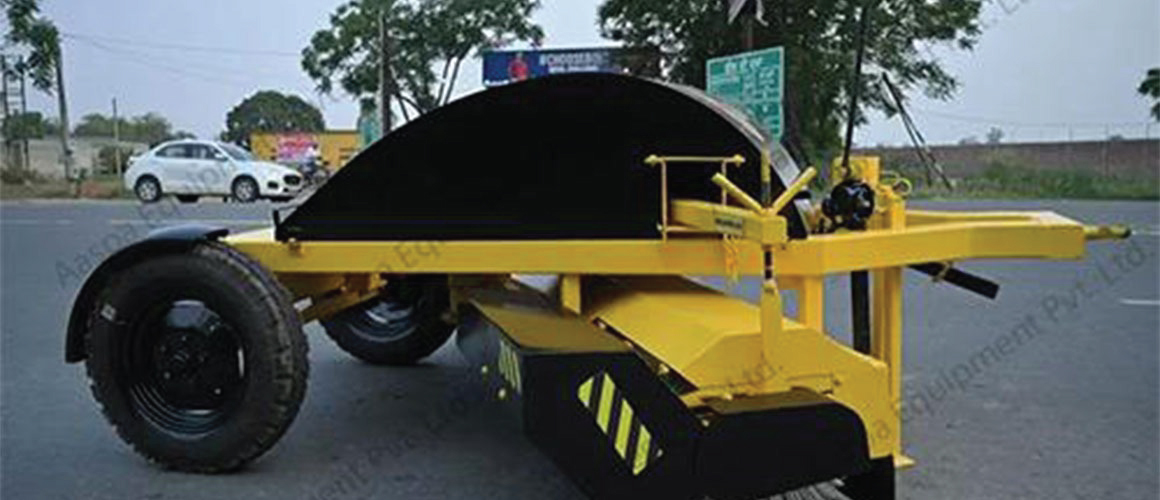
Swapping your old road sweeper for a fuel efficient model is a solid move, and not just for your wallet. It’s about cutting down on exhaust fumes, saving on those ever-increasing fuel costs, and generally making your sweeping operations smarter and cleaner. Think of it as a win-win that benefits your budget and the environment.
The Lowdown on Efficient Sweeping
So, what exactly makes a road sweeper “fuel-efficient”? It boils down to a few key things, primarily how the machine is powered and how it uses that power. It’s not just about having a smaller engine; it’s about how that engine is managed and how the other systems on the sweeper, like the brushes and water sprayers, are designed to sip fuel instead of guzzling it.
Engine Tech That Matters
Modern engines are miles ahead of what was common even a decade ago. We’re talking about more precise fuel injection, better turbocharging, and systems designed to run optimally across a wider range of conditions.
Diesel Downsizing and Optimization
Many newer sweepers are using smaller, yet more powerful, diesel engines. These aren’t the gas-guzzlers of the past. They’re engineered for efficiency, often with advanced emission control systems that reduce particulate matter and nitrogen oxides. The trick is they don’t sacrifice torque or power needed for heavy sweeping jobs.
Alternative Power Sources
Beyond just tweaking diesel engines, there’s a growing interest and implementation of alternative power. Electric sweepers are becoming a reality, especially for smaller, urban environments. They offer silent operation and zero tailpipe emissions, though range and charging infrastructure are still areas of development. Hybrid models are also an option, combining a traditional engine with electric power to reduce fuel consumption during slow-speed operation or idling.
Sweepers Evolving: What’s New Under the Hood and Brush
The evolution of road sweeper technology isn’t just about the engine. Manufacturers are constantly innovating across the board to create machines that are more effective, more user-friendly, and, crucially, more economical to run.
Smarter Water Management
Water is essential for dust suppression, but it can also be a weight that burns more fuel. Modern sweepers have sophisticated systems to manage water use.
Recirculation Systems
Many newer sweepers incorporate water recirculation. This means water is filtered and reused, significantly cutting down the need for frequent refills and therefore reducing water truck trips and the associated fuel burn.
Variable Water Flow
Instead of a constant, high-pressure spray, some sweepers allow for variable water flow. This means the operator can adjust the amount of water based on the conditions less water needed on damp days, more on very dry, dusty ones. This is a direct way to save water and, by extension, reduce the engine load.
Brush Technology Advancements
The business end of the sweeper, the brushes, have also seen innovation to improve cleaning efficiency and reduce wear, which indirectly impacts fuel use.
Material Innovations
Newer brush materials are more durable and can be designed to dislodge debris more effectively with less power. Some use a combination of materials to tackle different types of dirt and grime.
Optimized Brush Patterns and Speeds
The way brushes are angled, their speed, and their interaction with the road surface are all carefully calibrated in modern sweepers. This ensures maximum debris collection with minimal energy expenditure. Some systems can even adjust brush pressure on the fly, based on the surface type.
Sweeping for a Greener Tomorrow
The link between fuel efficient road sweepers and environmental sustainability is pretty straightforward. Less fuel burned means fewer greenhouse gas emissions. It’s a tangible contribution to cleaner air and a healthier planet.
Reducing Exhaust Emissions
Every gallon of fuel burned releases pollutants into the atmosphere. By using less fuel, efficient sweepers directly reduce the output of carbon dioxide (CO2), nitrogen oxides (NOx), and particulate matter. This is vital for improving air quality in urban areas, which often suffer from higher levels of pollution.
Lowering the Carbon Footprint
Beyond immediate emissions, reducing overall fuel consumption contributes to a lower carbon footprint for municipal services and the private companies that operate them. This aligns with broader climate change mitigation goals and can help organizations meet their own sustainability targets.
Noise Pollution Reduction
While not directly tied to fuel, many advancements in fuel efficient sweepers, particularly electric and hybrid models, also come with significantly reduced noise levels. This is a considerable benefit to communities, lessening the disruption caused by street cleaning operations.
Features That Squeeze Out Every Drop
|
Feature |
Benefit |
|
Efficient Compression |
Maximizes storage space and reduces file transfer time |
|
Data Deduplication |
Eliminates redundant data to save storage space |
|
Optimized Caching |
Improves data access speed and reduces latency |
|
Smart Resource Management |
Ensures optimal utilization of system resources |
You’ve got to hand it to manufacturers; they’ve thought a lot about how to wring maximum performance out of every drop of fuel. It’s a combination of smart design and clever technology.
Intelligent Drive Systems
Modern sweepers often feature advanced drive systems. These aren’t just about going forward and backward. They manage power delivery to the wheels and the sweeping mechanisms in ways that optimize for efficiency.
Variable Displacement Hydrostatic Transmissions
These transmissions allow for precise control over speed and power. They can efficiently deliver the torque needed for heavy debris while minimizing fuel use during lighter loads or when just maneuvering. They also allow the engine to operate at its most efficient RPM range more often.
Engine Management Systems (EMS)
Sophisticated EMS monitor and control engine functions in real-time. They ensure the engine is always running at its peak efficiency, adjusting fuel injection, air intake, and other parameters based on the demands placed upon it. This is like having a very smart mechanic constantly fine-tuning the engine.
Integrated Sweeping Mechanisms
The interaction between the engine, hydraulics, and the brushes themselves is crucial. When these systems work together harmoniously, less energy is wasted.
Hydraulic Efficiency
Improvements in hydraulic pump design and accumulator technology mean that the energy generated by the engine is used more effectively to power the brushes, water pumps, and vacuum systems. Less leakage and more direct power transfer mean less fuel consumed.
Efficient Brush Drive Systems
Direct hydraulic drives or optimized belt drive systems can reduce energy losses compared to older, less efficient mechanical setups. This means more of the engine’s power actually goes into turning the brushes and moving debris.
The Hard Cash Benefits
Let’s be honest, saving money is a big driver for any operational change, and fuel efficiency delivers in spades. It’s not just about a slightly smaller bill; it’s about significant long-term savings that can be redirected to other essential services.
Reduced Operating Costs
The most obvious benefit is lower fuel expenditure. Fuel is a substantial portion of a sweeper’s running costs, so any reduction directly impacts the bottom line. Over the lifespan of a sweeper, these savings can be substantial.
Lower Maintenance Requirements
Efficient engines, when running optimally, often experience less wear and tear. Plus, advanced emission control systems on modern sweepers can be more reliable. This can translate into fewer breakdowns and therefore lower maintenance and repair bills over time.
Extended Equipment Lifespan
When equipment is used more efficiently and maintained better, it tends to last longer. This means municipalities and companies can get more years of service out of their investment before needing to replace the sweeper, further reducing the total cost of ownership.
The difference between a sweeper from, say, ten or twenty years ago and a modern, fuel-efficient model is night and day when it comes to performance and resource consumption.
Fuel Consumption Differences
Traditional sweepers, especially older models with less sophisticated engines and hydraulics, could be notoriously thirsty. They often had larger engines that were less optimized for the stop-start nature of urban sweeping. Modern sweepers, with their intelligent engine management and efficient hydraulics, can consume significantly less fuel, sometimes by 20-30% or even more, depending on the model and application.
Emission Levels
Older machines often lacked modern emission control technologies, meaning they spewed out more pollutants. Newer, fuel efficient sweepers, by their very nature of burning less fuel, also emit fewer pollutants. Additionally, they are equipped with advanced exhaust after-treatment systems that further scrub the air.
Operational Performance
While fuel is a primary consideration, efficiency also impacts operational effectiveness. Modern sweepers often have better debris collection capabilities, quieter operation, and more comfortable operator environments, all of which contribute to better overall service delivery. Some even integrate better with digital fleet management systems for optimized routing and scheduling.
Bringing Efficiency Home: Implementing New Tech
For municipalities, making the switch to fuel efficient sweepers is a strategic decision that requires planning. It’s about more than just purchasing new equipment; it’s about integrating it into existing operations and realizing the full benefits.
Procurement Strategies
When procuring new sweepers, make fuel efficiency a key performance indicator. Look at the projected fuel consumption, emissions ratings, and the total cost of ownership, not just the initial purchase price. Consider leasing options that might include maintenance and upgrade plans to manage costs.
Operator Training
Even the most advanced sweeper won’t be as efficient as it could be without proper operation. Comprehensive training for operators is essential. This includes understanding how to use the variable speed controls, water management systems, and how to optimize brush settings for different conditions. Educating operators on the impact of their driving habits on fuel consumption is also crucial.
Fleet Management and Data Analysis
Leveraging telematics and fleet management software can provide invaluable data on sweeper performance. Tracking fuel usage, idle times, route efficiency, and maintenance records can help identify areas for further improvement and ensure that the fleet is operating at peak efficiency. This data-driven approach allows for continuous optimization of sweeping operations.
FAQs
- What are fuel-efficient road sweeper technologies?
Fuel efficient road sweeper technologies are advancements in road sweeper technology that aim to reduce fuel consumption and increase the efficiency of cleaning operations. These technologies may include hybrid or electric power systems, regenerative braking, aerodynamic designs, and advanced engine management systems.
- How do fuel-efficient sweepers contribute to environmental sustainability?
Fuel efficient sweepers contribute to environmental sustainability by reducing carbon emissions and air pollution. By using less fuel, these sweepers help to minimize the environmental impact of cleaning operations, making them a more sustainable choice for municipalities and other organizations.
- What are the economic benefits of fuel-efficient road sweepers?
The economic benefits of fuel efficient road sweepers include reduced fuel costs, lower maintenance expenses, and potential eligibility for government incentives or rebates for using environmentally friendly equipment. Additionally, the longer lifespan of fuel-efficient sweepers can lead to cost savings over time.
- How do traditional sweepers compare to fuel-efficient models?
Traditional sweepers typically rely on diesel or gasoline engines and may have higher fuel consumption and emissions. In contrast, fuel efficient models utilize advanced technologies to minimize fuel usage and environmental impact, making them a more sustainable and cost-effective choice.
- How can municipalities implement fuel-efficient road sweeper technologies?
Municipalities can implement fuel efficient road sweeper technologies by investing in new equipment with fuel-efficient features, retrofitting existing sweepers with fuel-saving technologies, and providing training for operators to maximize the efficiency of the equipment. Additionally, seeking out government grants or incentives can help offset the initial investment in fuel-efficient sweepers.