
Future of Asphalt Plants: Electric & Hydrogen Options
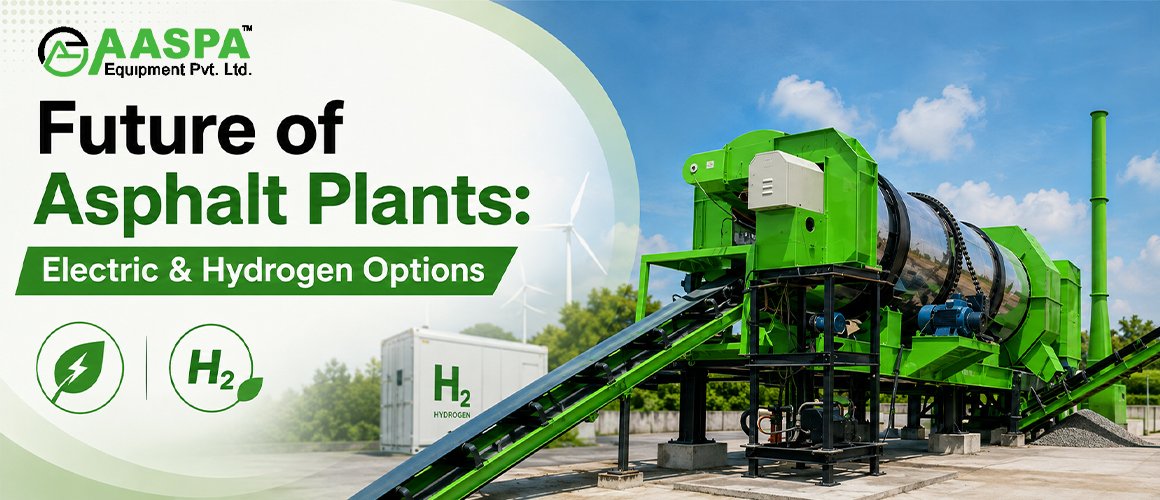
The asphalt industry, a cornerstone of global infrastructure development, stands at a pivotal moment. For decades, asphalt plants have relied predominantly on fossil fuels, primarily heavy fuel oil and natural gas, to generate the immense heat required for drying aggregates and mixing them with bitumen. However, the intensifying global focus on climate change, coupled with evolving regulatory landscapes and the pursuit of operational efficiencies, is compelling a radical re-evaluation of this fundamental aspect of construction. The future of asphalt production is undeniably shifting, with electric and hydrogen technologies emerging as transformative forces poised to redefine the industry’s environmental footprint and operational paradigms.
- The Inevitable Shift: Why Traditional Asphalt Plants Face a Crossroads
The current model of asphalt production, while effective, carries significant environmental baggage. The combustion of fossil fuels releases substantial amounts of greenhouse gases, contributing to air pollution and the acceleration of climate change. Furthermore, the volatility of fossil fuel prices creates economic uncertainty for plant operators, impacting project budgets and long-term planning. The traditional reliance on these fuels also presents logistical challenges, including transportation and storage, which add to operational complexity and cost. As public and governmental pressure mounts for cleaner industrial processes, the inherent limitations of fossil fuel-dependent asphalt plants become increasingly apparent. This confluence of environmental, economic, and logistical pressures necessitates a proactive approach to innovation, pushing the industry towards more sustainable and resilient solutions.
- The Environmental Imperative: Meeting Decarbonization Goals
The global commitment to net-zero emissions by mid-century demands a fundamental decarbonization of all industrial sectors, and asphalt production is no exception. The significant carbon footprint associated with conventional asphalt plants makes them a prime target for intervention. Reductions in greenhouse gas emissions are not merely an ethical consideration; they are rapidly becoming a regulatory necessity, with governments worldwide implementing stricter emissions standards and carbon pricing mechanisms. The long-term viability of asphalt producers will depend on their ability to demonstrably reduce their environmental impact.
- Air Quality and Public Health: Beyond Greenhouse Gases
Beyond the overarching concern of greenhouse gas emissions, the combustion of fossil fuels in asphalt plants also releases a cocktail of other pollutants that negatively impact local air quality and public health. Particulate matter, sulfur dioxide, and nitrogen oxides contribute to respiratory illnesses, cardiovascular problems, and other health issues in communities located near these facilities. Transitioning to cleaner energy sources directly addresses these localized pollution concerns, fostering healthier living environments and improving the public perception of the asphalt industry.
- Economic Realities: The Long-Term Cost of Fossil Fuels
While the initial capital investment for transitioning to new technologies can be a consideration, the long-term economic advantages of electric and hydrogen-powered asphalt plants are becoming increasingly compelling. The price of fossil fuels is inherently volatile, subject to geopolitical events and global market fluctuations. This unpredictability makes it challenging for businesses to forecast operational costs accurately and can lead to significant budget overruns. In contrast, electricity prices, while subject to some variation, often offer greater stability, especially when sourced from renewable energy. Hydrogen, as it scales, is also projected to become more cost-competitive, particularly when produced using renewable electricity through electrolysis.
- Operational Efficiency and Reduced Maintenance: A Hidden Advantage
Electric and hydrogen-powered systems often boast higher operational efficiencies compared to their combustion-engine counterparts. Electric motors, for example, are known for their precise control and consistent performance, leading to more consistent aggregate drying temperatures and potentially a higher quality end product. Furthermore, electric and hydrogen systems generally have fewer moving parts than traditional diesel or gas burners, which translates to reduced wear and tear and consequently, lower maintenance costs and less downtime. This reduction in maintenance not only saves money but also improves the overall reliability and productivity of the asphalt plant.
- The Dawn of New Energy: Exploring Electric and Hydrogen Options
The technological advancements in electric and hydrogen energy are opening up exciting new possibilities for the asphalt industry. These alternative energy sources offer the potential to significantly reduce or eliminate direct emissions at the point of production, aligning with global decarbonization efforts and providing a cleaner path forward.
- Electric Asphalt Plants: Harnessing the Power Grid
Electric asphalt plants represent a direct pathway to decarbonization, especially when powered by renewable electricity sources such as solar, wind, or hydroelectric power. In an electric asphalt plant, the heat required for the drying and mixing processes is generated through electric heating elements or induction heating systems. These systems offer precise temperature control, which is crucial for producing high-quality asphalt mixes. The integration of electric heating can be implemented in various components of the plant, from the aggregate dryer drum to the bitumen heating tanks. The main advantage lies in the elimination of direct on-site combustion of fossil fuels, leading to zero on-site emissions.
- Grid Integration and Renewable Energy Synergy: A Powerful Combination
The viability of electric asphalt plants is intrinsically linked to the availability and reliability of the electricity grid. As the grid increasingly incorporates renewable energy sources, the environmental benefits of electric asphalt plants are amplified. Furthermore, smart grid technologies and energy storage solutions can help manage the electricity demand of asphalt plants, which can be significant during peak operating hours. This synergy between electric asphalt plants and renewable energy allows for a truly sustainable and low-carbon production process.
- Induction Heating: A Precise and Efficient Electric Solution
Induction heating is a particularly promising electric technology for asphalt plants. It uses electromagnetic fields to directly heat conductive materials, such as the aggregates. This method offers rapid heating, excellent temperature control, and improved energy efficiency compared to traditional convective heating methods. Induction heating can be applied to the dryer drum, leading to faster drying times and reduced energy consumption. Its precise control also minimizes thermal degradation of the bitumen, contributing to a more durable asphalt product.
- Hydrogen-Powered Asphalt Plants: The Clean Fuel of the Future
Hydrogen, particularly “green” hydrogen produced through electrolysis powered by renewable electricity, presents another powerful alternative for decarbonizing asphalt plants. Hydrogen can be used as a direct fuel source in modified burners to generate the heat required for the drying and mixing processes. While still in earlier stages of widespread adoption compared to electric options, hydrogen offers the advantage of potentially providing high-temperature heat with only water vapor as a byproduct.
- Green Hydrogen Production and its Role in the Asphalt Sector: A Sustainable Fuel Source
The key to the environmental benefits of hydrogen-powered asphalt plants lies in the method of hydrogen production. “Green” hydrogen, produced via electrolysis of water using renewable electricity, is the only truly sustainable option. As the cost of green hydrogen production decreases and its availability increases, it becomes an increasingly attractive fuel for industries that require high-temperature heat, such as asphalt production. This offers a pathway for asphalt plants to significantly reduce their carbon footprint without requiring a complete overhaul of their thermal processes.
- Hydrogen Burner Technology: Adapting Existing Infrastructure
The development of hydrogen-compatible burners is crucial for enabling the transition to hydrogen-powered asphalt plants. While significant modifications may be required for existing burners, the underlying principles of combustion remain similar. Research and development are focused on creating efficient and safe hydrogen burners that can seamlessly integrate into existing plant designs, minimizing the need for extensive infrastructure changes. This adaptability can accelerate the adoption of hydrogen technology.
- Advantages of Electric and Hydrogen-Powered Asphalt Plants
The transition to electric and hydrogen technologies offers a multitude of benefits for the asphalt industry, extending beyond environmental improvements to encompass economic efficiencies and operational enhancements. These advantages collectively position these new energy sources as the future of asphalt production. ”
- Transitioning to Electric and Hydrogen Asphalt Plants: Challenges and Opportunities
|
Challenges |
Opportunities |
|
High initial investment cost for electric and hydrogen infrastructure |
Long-term cost savings from reduced fuel consumption and maintenance |
|
Limited availability of electric and hydrogen infrastructure in some regions |
Potential government incentives and grants for transitioning to sustainable technologies |
|
Technical challenges in adapting existing asphalt plant designs for electric and hydrogen use |
Opportunity to innovate and develop new technologies for more efficient and sustainable asphalt production |
|
Concerns about the reliability and performance of electric and hydrogen-powered asphalt plants |
Potential for improved operational efficiency and reduced emissions with advanced electric and hydrogen technologies |
The path towards adopting electric and hydrogen technologies in the asphalt industry is not without its hurdles, but these challenges are accompanied by significant opportunities for innovation and growth. A strategic and forward-thinking approach is crucial for navigating this transition successfully.
- Infrastructure Requirements: Power Grid and Hydrogen Supply Chain
One of the primary challenges is the requirement for robust electrical infrastructure. Asphalt plants, especially older ones, may need significant upgrades to their electrical connections to handle the increased power demand of electric heating systems. Similarly, the widespread adoption of hydrogen-powered plants necessitates the development of a reliable and accessible hydrogen supply chain, including production, storage, and transportation. This may involve investments in localized hydrogen production facilities or strategic partnerships for supply.
- Grid Modernization and Capacity Building: Ensuring Reliable Power Delivery
For electric asphalt plants, ensuring sufficient grid capacity and reliability is paramount. This may involve collaboration with utility companies to upgrade local transformers and power lines. Investments in on-site energy storage solutions, such as battery banks, can also help manage peak demand and ensure continuous operation even during grid fluctuations.
- Developing a Hydrogen Ecosystem: Production, Storage, and Distribution
Establishing a comprehensive hydrogen ecosystem is vital for the successful implementation of hydrogen-powered asphalt plants. This includes developing cost-effective green hydrogen production methods, establishing safe and efficient storage solutions, and creating a robust distribution network to deliver hydrogen to plant locations. Government support and private sector investment will be crucial in building this infrastructure.
- Capital Investment and Financing: Securing the Future
The initial capital investment for retrofitting existing plants or building new electric or hydrogen-powered facilities can be substantial. Securing adequate financing and demonstrating the long-term return on investment will be critical for widespread adoption. Government incentives, grants, and green financing options will play a significant role in making these transitions economically feasible for a wider range of asphalt producers.
- Government Incentives and Financial Support: Catalysing the Transition
Governments can play a crucial role in accelerating the adoption of clean technologies by offering financial incentives, tax credits, and grants for the installation of electric and hydrogen infrastructure and equipment. These programs can significantly reduce the upfront capital burden for companies and make the transition more attractive.
- Green Financing and Investment Models: Attracting Sustainable Capital
The increasing focus on environmental, social, and governance (ESG) principles is driving interest in green financing. Asphalt companies can leverage this trend by exploring green bonds, sustainability-linked loans, and other innovative financing models that attract capital from investors focused on sustainable development.
- Workforce Training and Skill Development: Preparing for a New Era
The operation and maintenance of electric and hydrogen asphalt plants will require a workforce with new skill sets. Training programs will need to be developed to equip existing employees with the knowledge and expertise to safely and efficiently operate and maintain these advanced systems. This includes training on electrical safety, hydrogen handling, and the diagnostics of new equipment.
- Upskilling the Existing Workforce: Investing in Human Capital
Investing in the training and upskilling of the existing workforce is essential for a smooth transition. This ensures that experienced personnel can adapt to new technologies, retaining valuable institutional knowledge while acquiring the necessary skills for the future.
- Attracting New Talent: The Appeal of Sustainable Industries
The growing emphasis on sustainability can also attract new talent to the asphalt industry. Highlighting the adoption of cutting-edge clean technologies can make the sector more appealing to a new generation of engineers and technicians who are passionate about environmental responsibility.
- Environmental Benefits of Electric and Hydrogen Asphalt Plants
The environmental advantages of transitioning to electric and hydrogen technologies for asphalt production are multifaceted and contribute significantly to a more sustainable future for the construction industry and the planet. These benefits extend beyond simply reducing emissions to encompass resource conservation and pollution mitigation.
- Drastic Reduction in Greenhouse Gas Emissions: A Cornerstone of Climate Action
The primary environmental benefit is the substantial reduction, or complete elimination, of greenhouse gas emissions from asphalt plants. By replacing fossil fuels with electricity (preferably from renewable sources) or green hydrogen, asphalt producers can directly contribute to achieving global climate goals. This move is critical in decarbonizing a sector that has historically been energy-intensive and reliant on carbon-emitting fuels.
- Contribution to Global Decarbonization Efforts: Meeting Climate Targets
Asphalt plants are significant contributors to industrial greenhouse gas emissions. By adopting electric and hydrogen technologies, the industry can make a meaningful contribution to national and international efforts to reduce carbon footprints and limit global warming. This transition is not just about regulatory compliance but about active participation in solving the climate crisis.
- Carbon Sequestration and Offset Opportunities: Enhancing Sustainability Credentials
As the industry moves towards cleaner operations, the potential for carbon sequestration in construction materials and the integration of offset strategies becomes more viable. While not directly related to the energy source of the plant, the overall reduction in operational emissions creates a more favorable environment for pursuing broader carbon management initiatives.
- Elimination of Harmful Air Pollutants: Cleaner Air for Healthier Communities
The combustion of fossil fuels in traditional asphalt plants releases a range of harmful air pollutants, including particulate matter, sulfur dioxide, and nitrogen oxides. These pollutants have detrimental effects on public health, contributing to respiratory and cardiovascular diseases. Electric and hydrogen technologies, by eliminating or significantly reducing these emissions, lead to cleaner air and healthier communities surrounding production sites.
- Improving Local Air Quality and Reducing Health Impacts: A Direct Benefit
The immediate impact of cleaner asphalt production is improved local air quality. This translates to tangible health benefits for residents and workers, reducing the incidence of pollution-related illnesses and creating a more pleasant and safe living and working environment.
- Mitigating Acid Rain and Smog Formation: Broader Environmental Protection
The reduction in sulfur dioxide and nitrogen oxides also has broader environmental benefits, such as mitigating acid rain and reducing the formation of ground-level smog. These pollutants can damage ecosystems, corrode infrastructure, and impair visibility.
- Reduced Water Usage and Waste Generation: Conserving Resources
While the primary focus is on emissions, electric and hydrogen systems can also indirectly lead to reduced water usage and waste generation. For example, more efficient drying processes might require less water for dust suppression. Furthermore, the precise control offered by these technologies can lead to fewer production errors and less material waste.
- Optimizing Resource Consumption: A Holistic Approach to Sustainability
The transition encourages a more holistic approach to resource management. By optimizing energy inputs, companies can also scrutinize other resource consumption areas, leading to further efficiencies and a reduced environmental footprint across the entire production lifecycle.
- Integrating Electric and Hydrogen Technologies into Asphalt Plant Operations
The successful integration of electric and hydrogen technologies into existing asphalt plant operations requires careful planning, phased implementation, and a deep understanding of operational dynamics. This transition is not a simple replacement but an intelligent adaptation of processes and infrastructure.
- Phased Retrofitting and Hybridization: A Practical Approach to Transition
A gradual approach to adopting these new technologies, often referred to as phased retrofitting or hybridization, offers a practical pathway. This might involve initially electrifying certain components, such as bitumen heating systems, or incorporating hydrogen burners into existing dryer drums as a supplementary fuel source. This allows for learning and adaptation while minimizing disruption.
- Gradual Electrification of Ancillary Systems: Stepping Towards a Fully Electric Future
Starting with the electrification of smaller, ancillary systems within the plant, such as pumps, conveyors, or lighting, can be an initial step. As experience is gained and the benefits become apparent, the focus can shift to electrifying the core heating processes in the dryer drum and other high-energy consumption areas.
- Hybrid Burner Systems: Leveraging Both Existing and New Fuels
Hybrid burner systems that can utilize both natural gas and hydrogen, or electricity and hydrogen, offer a flexible solution during the transition. This allows operators to gradually incorporate hydrogen as its availability and cost-effectiveness improve, while still relying on established fuel sources during the interim.
- Smart Control Systems and Data Analytics: Optimizing Performance
The integration of advanced smart control systems and data analytics is crucial for maximizing the efficiency and performance of electric and hydrogen-powered asphalt plants. These systems can monitor energy consumption, optimize heating processes in real-time, predict maintenance needs, and ensure consistent product quality.
- Real-time Monitoring and Optimization: Enhancing Operational Efficiency
Smart control systems enable continuous monitoring of critical parameters such as temperature, pressure, and energy usage. This data can then be used to fine-tune the operation of the plant in real-time, ensuring that energy is used as efficiently as possible and that the asphalt mix meets stringent quality standards.
- Predictive Maintenance and Fault Diagnosis: Minimizing Downtime
By analyzing operational data, predictive maintenance algorithms can identify potential equipment failures before they occur. This allows for scheduled maintenance, preventing unexpected breakdowns and minimizing costly downtime, thereby improving the overall reliability and productivity of the plant.
- Collaboration with Technology Providers and Research Institutions: Driving Innovation
Close collaboration with technology providers, equipment manufacturers, and research institutions is essential for staying at the forefront of innovation in electric and hydrogen asphalt plant technologies. These partnerships can facilitate the development of bespoke solutions, pilot new technologies, and ensure that the industry remains informed about the latest advancements.
- Joint Development and Pilot Projects: Testing and Refining New Technologies
Engaging in joint development projects with technology providers allows asphalt companies to contribute to the design and refinement of new electric and hydrogen systems, ensuring they meet the specific needs of the industry. Pilot projects provide invaluable real-world testing grounds for these technologies before full-scale deployment.
- Knowledge Sharing and Best Practice Dissemination: Accelerating Adoption
Collaborative efforts in knowledge sharing and the dissemination of best practices are crucial for accelerating the adoption of these new technologies across the industry. Industry associations and research forums can play a vital role in facilitating this exchange of information and experience.
- Investing in the Future: The Economic Viability of Electric and Hydrogen Asphalt Plants
The economic case for investing in electric and hydrogen asphalt plants is becoming increasingly robust, driven by long-term operational savings, reduced environmental liabilities, and the potential for enhanced market competitiveness. While upfront costs are a consideration, the total cost of ownership over the plant’s lifecycle presents a compelling argument for these sustainable alternatives.
- Long-Term Operational Savings: The Payoff of Efficiency and Reduced Fuel Costs
The sustained reduction in energy costs, coupled with lower maintenance requirements, translates into significant long-term operational savings. While the initial capital outlay may be higher, the elimination of volatile fossil fuel expenses and the decreased need for routine repairs and part replacements can lead to a lower total cost of ownership over the lifespan of the plant.
- Reduced Fuel Expenditure: A Predictable Cost Advantage
The shift away from fluctuating fossil fuel prices to more stable electricity or potentially more affordable green hydrogen offers a significant economic advantage. This predictability allows for more accurate budgeting and financial planning, insulating businesses from the shocks of market volatility.
- Lower Maintenance and Repair Costs: Minimizing Downtime and Expenses
Electric and hydrogen systems, with their fewer moving parts and simpler designs compared to combustion engines, generally require less frequent and less costly maintenance. This reduction in downtime also translates directly into increased productivity and revenue.
- Enhanced Market Competitiveness and Brand Reputation: The Green Advantage
In an increasingly environmentally conscious market, asphalt producers that embrace sustainable technologies gain a significant competitive edge. Clients, particularly government agencies and large infrastructure developers, are often prioritizing projects that utilize low-carbon materials and environmentally responsible production methods.
- Attracting Environmentally Conscious Clients: Securing Future Business
Companies that can demonstrate a commitment to sustainability through their operational practices are more attractive to clients who are also striving to meet their own environmental goals. This can lead to securing more contracts and building stronger, long-term client relationships.
- Building a Positive Brand Image: Leadership in Sustainability
Adopting cutting-edge clean technologies positions a company as a leader in sustainability within the construction industry. This positive brand image can enhance public perception, attract talent, and contribute to overall business growth and resilience.
- Future-Proofing Operations: Adapting to Evolving Regulations and Market Demands
Investing in electric and hydrogen asphalt plants is not just about current economic benefits; it’s about future-proofing the business. As environmental regulations become stricter and the demand for sustainable construction practices intensifies, companies that have already made the transition will be well-positioned to thrive, while those who lag behind may face increasing compliance costs and a shrinking market share.
- Staying Ahead of Regulatory Curves: Proactive Compliance
By proactively adopting cleaner technologies, asphalt producers can anticipate and exceed future environmental regulations, avoiding potential penalties and the costly need for last-minute retrofits. This forward-thinking approach ensures long-term operational continuity.
- Capitalizing on the Green Economy: Unlocking New Opportunities
The global shift towards a green economy is creating new markets and opportunities. Companies that embrace sustainable technologies in their operations are better equipped to capitalize on these emerging markets, including those that prioritize low-carbon materials and circular economy principles. The future of asphalt production is intrinsically linked to its ability to adapt and innovate, and electric and hydrogen technologies represent the vanguard of this transformative evolution.
FAQs
- What are the advantages of electric and hydrogen-powered asphalt plants?
Electric and hydrogen-powered asphalt plants offer several advantages, including reduced emissions, lower operating costs, and increased energy efficiency. These technologies also contribute to a cleaner and more sustainable asphalt production process.
- What are the challenges and opportunities in transitioning to electric and hydrogen asphalt plants?
Transitioning to electric and hydrogen asphalt plants presents challenges such as initial investment costs, infrastructure requirements, and technological adaptation. However, it also offers opportunities for innovation, environmental stewardship, and long-term cost savings.
- What are the environmental benefits of electric and hydrogen asphalt plants?
Electric and hydrogen-powered asphalt plants significantly reduce greenhouse gas emissions, air pollutants, and noise levels compared to traditional asphalt plants. These technologies contribute to improved air quality and support efforts to mitigate climate change.
- How can electric and hydrogen technologies be integrated into asphalt plant operations?
Electric and hydrogen technologies can be integrated into asphalt plant operations through the use of electric heaters, electrically powered conveyor systems, and hydrogen fuel cells for heating and drying processes. This integration requires careful planning and investment in infrastructure and equipment.
- What is the economic viability of investing in electric and hydrogen asphalt plants?
Investing in electric and hydrogen asphalt plants can lead to long-term economic benefits, including reduced energy costs, lower maintenance expenses, and potential incentives for using clean energy technologies. Additionally, these investments align with sustainability goals and may enhance the market competitiveness of asphalt producers.