
Green Certifications For Road Construction Equipment
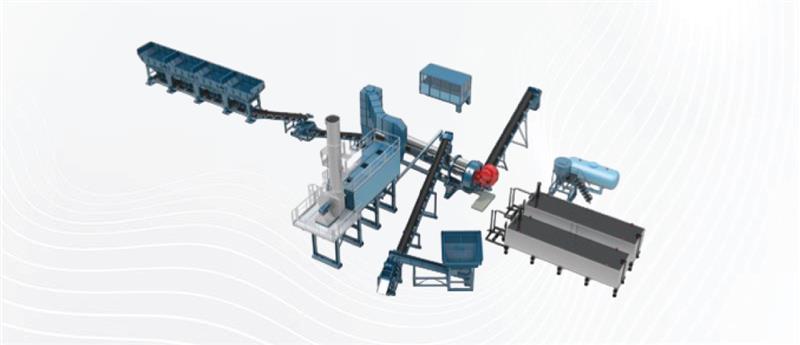
Green certifications for road construction equipment have emerged as a critical component in the quest for sustainable development within the construction industry. These certifications serve as a benchmark for evaluating the environmental performance of machinery used in road building and maintenance.
As global awareness of climate change and environmental degradation increases, stakeholders in the construction sector are increasingly recognizing the need to adopt practices that minimize ecological impact.
Green certifications not only signify compliance with environmental regulations but also reflect a commitment to sustainability, which can enhance a company’s reputation and marketability. Moreover, green certifications can drive innovation in road construction equipment. Manufacturers are incentivized to develop more efficient, less polluting machinery that meets stringent environmental standards.
This shift not only benefits the environment but also leads to advancements in technology, resulting in equipment that is more efficient and cost-effective over time. As a result, green certifications play a pivotal role in shaping the future of road construction, encouraging companies to prioritize sustainability in their operations.
Key Takeaways
- Green certifications for road construction equipment are important for promoting sustainable practices and meeting environmental standards.
- These certifications play a crucial role in ensuring that road construction equipment meets the necessary environmental standards and regulations.
- By choosing the right green certification, companies can demonstrate their commitment to sustainability and environmental responsibility.
- Green certifications for road construction equipment offer a range of benefits, including cost savings, improved efficiency, and reduced environmental impact.
- The future of green certifications in the road construction equipment industry is promising, as more companies prioritize sustainability and environmental stewardship.
Meeting Environmental Standards: Green Certifications for Road Construction Equipment
The process of obtaining green certifications involves rigorous assessments that evaluate various aspects of road construction equipment, including emissions, energy consumption, and overall environmental impact. Organizations such as the Environmental Protection Agency (EPA) in the United States and the European Union’s Eco-Management and Audit Scheme (EMAS) have established guidelines that manufacturers must adhere to in order to achieve certification. These standards are designed to ensure that equipment not only meets current environmental regulations but also strives for continuous improvement in sustainability practices.
In addition to regulatory compliance, green certifications often require manufacturers to implement best practices in resource management and waste reduction. For instance, equipment that utilizes alternative fuels or incorporates energy-efficient technologies may receive higher ratings. This focus on innovation encourages manufacturers to explore new materials and processes that reduce their carbon footprint, ultimately leading to a more sustainable approach to road construction.
The Role of Certification in Promoting Sustainable Practices in Road Construction Equipment
Certification plays a crucial role in promoting sustainable practices within the road construction equipment sector. By establishing clear criteria for environmental performance, certifications provide a framework for manufacturers to follow, ensuring that sustainability is integrated into their design and production processes.
This structured approach not only helps companies identify areas for improvement but also fosters a culture of accountability and transparency within the industry.
Furthermore, green certifications can influence purchasing decisions among contractors and project managers. When selecting equipment for road construction projects, many stakeholders prioritize environmentally friendly options that carry recognized certifications. This trend encourages manufacturers to invest in sustainable technologies and practices, as they seek to meet the growing demand for eco-friendly solutions.
As a result, certification becomes a powerful tool for driving change within the industry, promoting a shift towards more sustainable practices across the board.
Exploring the Benefits of Green Certifications for Road Construction Equipment
| Green Certification | Benefits |
| Reduced Emissions | Lower environmental impact |
| Energy Efficiency | Reduced fuel consumption |
| Cost Savings | Lower operating costs |
| Regulatory Compliance | Meeting environmental standards |
The benefits of obtaining green certifications for road construction equipment extend beyond mere compliance with regulations. One significant advantage is the potential for cost savings through improved fuel efficiency and reduced operational costs. Equipment that meets green standards often incorporates advanced technologies designed to minimize energy consumption and emissions, leading to lower fuel expenses over time.
This financial incentive can be particularly appealing to contractors operating on tight budgets. Additionally, green certifications can enhance a company’s competitive edge in the marketplace. As public awareness of environmental issues grows, clients are increasingly seeking out contractors who demonstrate a commitment to sustainability.
By showcasing green certifications, companies can differentiate themselves from competitors and attract environmentally conscious clients. This not only helps secure contracts but also fosters long-term relationships built on shared values regarding sustainability and responsible resource management.
Navigating the Landscape of Green Standards for Road Construction Equipment
The landscape of green standards for road construction equipment is diverse and continually evolving. Various organizations and regulatory bodies have developed their own certification programs, each with unique criteria and focus areas. For instance, the EPA’s SmartWay program emphasizes fuel efficiency and emissions reductions for transportation-related equipment, while other certifications may focus on lifecycle assessments or resource conservation.
Navigating this complex landscape requires manufacturers and contractors to stay informed about the latest developments in green standards. Engaging with industry associations and participating in workshops or training sessions can provide valuable insights into emerging trends and best practices. By understanding the nuances of different certification programs, stakeholders can make informed decisions about which certifications align best with their sustainability goals and operational needs.
hoosing the Right Green Certification for Road Construction Equipment
Selecting the appropriate green certification for road construction equipment involves careful consideration of several factors. First and foremost, stakeholders should assess their specific environmental goals and operational requirements. For example, a company focused on reducing greenhouse gas emissions may prioritize certifications that emphasize fuel efficiency and emissions standards, while another organization may seek certifications that address broader sustainability issues such as resource conservation or waste management.
Additionally, it is essential to evaluate the credibility and recognition of various certification programs within the industry. Certifications backed by reputable organizations or government agencies tend to carry more weight with clients and regulatory bodies alike. Engaging with peers in the industry can also provide insights into which certifications have proven beneficial in practice.
Ultimately, choosing the right green certification can enhance a company’s commitment to sustainability while positioning it favorably within an increasingly eco-conscious market.
The Future of Green Certifications in Road Construction Equipment Industry
The future of green certifications in the road construction equipment industry appears promising as global emphasis on sustainability continues to grow. With increasing regulatory pressures and public demand for environmentally responsible practices, it is likely that more stringent standards will emerge over time. This evolution will push manufacturers to innovate further, developing cutting-edge technologies that reduce emissions and enhance energy efficiency.
Moreover, as digital technologies such as artificial intelligence and data analytics become more integrated into construction processes, they may play a role in shaping future certification criteria. For instance, real-time monitoring of equipment performance could provide valuable data for assessing compliance with green standards, leading to more dynamic certification processes. As the industry adapts to these changes, green certifications will remain a vital tool for promoting sustainable practices and ensuring that road construction contributes positively to environmental stewardship.
FAQs
What are green certifications for road construction equipment?
Green certifications for road construction equipment are official recognitions that a particular piece of equipment meets certain environmental standards and criteria. These certifications are awarded to equipment that demonstrates a commitment to sustainability, energy efficiency, and reduced environmental impact.
Why are green certifications important for road construction equipment?
Green certifications are important for road construction equipment because they demonstrate a commitment to environmental responsibility and sustainability. They also help construction companies and government agencies meet regulatory requirements and demonstrate their commitment to reducing their environmental impact.
What are some common green certifications for road construction equipment?
Some common green certifications for road construction equipment include LEED (Leadership in Energy and Environmental Design), EPA SmartWay, and ISO 14001. These certifications focus on various aspects of environmental performance, such as energy efficiency, emissions reduction, and waste management.
How do green certifications benefit road construction equipment manufacturers and users?
Green certifications benefit road construction equipment manufacturers by differentiating their products in the market, demonstrating their commitment to sustainability, and meeting the growing demand for environmentally friendly equipment. For users, green certifications provide assurance of environmental performance, help meet regulatory requirements, and contribute to a positive public image.
What is the process for obtaining green certifications for road construction equipment?
The process for obtaining green certifications for road construction equipment typically involves meeting specific environmental criteria, submitting documentation and data to the certifying body, and undergoing an evaluation or audit. Once the equipment meets the requirements, it is awarded the certification.
How do green certifications contribute to sustainable practices in road construction equipment?
Green certifications contribute to sustainable practices in road construction equipment by promoting energy efficiency, reducing emissions, minimizing waste, and encouraging the use of environmentally friendly materials and technologies. This helps to minimize the environmental impact of road construction activities.
What is the future outlook for green certifications in the road construction equipment industry?
The future outlook for green certifications in the road construction equipment industry is positive, as there is a growing emphasis on sustainability and environmental responsibility. As regulations become more stringent and public awareness of environmental issues increases, the demand for green certified equipment is expected to rise.