
Case Study: RAP Technology in Indian Road Projects
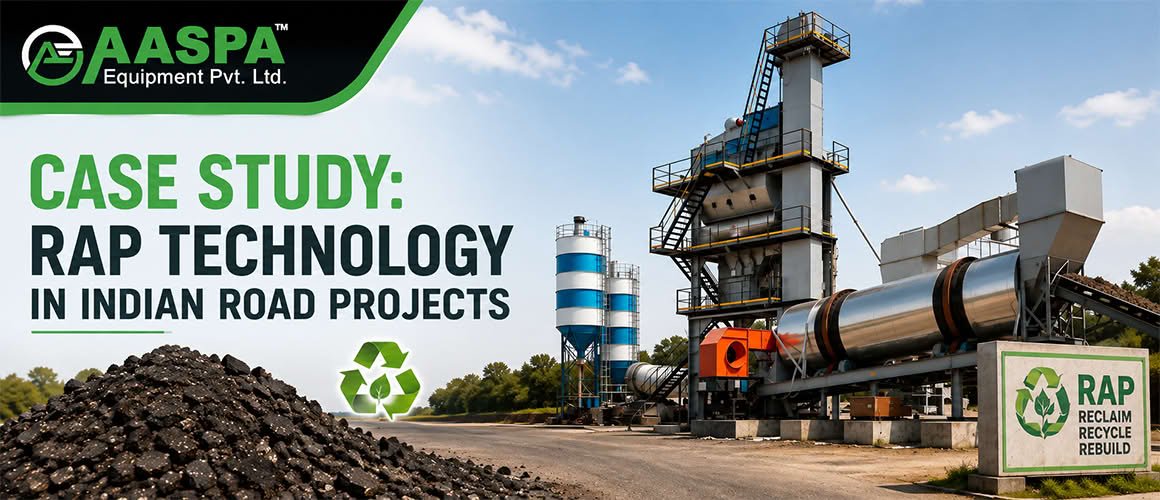
Recycled Asphalt Pavement (RAP) technology is essentially about reusing existing road materials in new construction. Think of it as giving old roads a new life. In India, this means taking the asphalt and aggregates from old, worn-out roads, processing them, and then incorporating them back into fresh road mixes. This isn’t just about being eco-friendly; it’s a practical approach to building better, more sustainable, and often more cost-effective roads.
- Introduction to RAP Technology in Indian Road Projects
India’s massive road network is constantly expanding and undergoing repairs. This generates a huge amount of old road material, which, traditionally, often ended up as waste. RAP technology steps in here, offering a smarter way to manage this material. Instead of discarding it, we can reclaim the valuable bitumen and aggregates within it.
- What is RAP?
RAP refers to asphalt pavement materials removed from a worn-out road surface. It’s essentially the old road, broken down into smaller, usable pieces. This includes the binder (bitumen) and the aggregate (stones, sand) that make up the asphalt.
- Why is RAP Relevant for India?
With the country’s ambitious infrastructure development goals, the demand for virgin aggregates and bitumen is immense. RAP offers a way to reduce this demand, conserving natural resources and cutting down on transportation costs associated with new materials. It’s also a move towards a more circular economy in construction.
- Basic Process of RAP Utilization
The process typically involves milling or breaking up the old pavement, transporting it to a processing plant, crushing and screening it to specific sizes, and then storing it. This processed RAP is then mixed with new virgin aggregates and a smaller amount of fresh bitumen (and sometimes rejuvenators) to create a new asphalt mix for road construction.
- The Benefits of Using RAP Technology in Indian Road Projects
The advantages of embracing RAP technology extend far beyond just being environmentally conscious. They offer tangible improvements to project economics and resource management.
- Economic Advantages
Using RAP can significantly reduce project costs. The primary drivers here are the reduced need for new aggregates and virgin bitumen, both of which are expensive and often transported over long distances.
- Reduced Material Costs
Less reliance on quarried aggregates and newly refined bitumen directly translates to lower procurement expenses. India, with its fluctuating material prices, can see substantial savings here.
- Lower Transportation Costs
Hauling virgin aggregates and bitumen often involves considerable distances and fuel consumption. By using RAP generated closer to the project site, transportation costs, including fuel and labor, are considerably reduced.
- Environmental Advantages
This is where RAP truly shines in terms of sustainability. It helps mitigate the environmental impact of road construction in several ways.
- Conservation of Natural Resources
Every ton of RAP used means one less ton of virgin aggregate needs to be quarried and one less barrel of crude oil needs to be refined for bitumen. This conserves finite natural resources.
- Reduced Landfill Waste
Old pavement often ends up in landfills, occupying valuable space and potentially leaching undesirable substances. RAP diverts this material, significantly reducing waste.
- Lower Energy Consumption and Emissions
The production of virgin aggregates and bitumen is energy-intensive. By reusing materials, the energy required for processing and transportation is reduced, leading to a lower carbon footprint.
- Technical Advantages
Beyond the economic and environmental benefits, RAP can also contribute to the technical performance of new road pavements.
- Improved Pavement Performance (with proper mix design)
When designed correctly, mixes incorporating RAP can achieve similar, and in some cases, even improved performance characteristics compared to 100% virgin mixes. The aged bitumen in RAP, when rejuvenated, can contribute to stiffer, more durable pavements.
- Enhanced Durability
The aged bitumen in RAP, if properly reactivated, can provide a certain level of stiffness to the new mix, potentially leading to increased resistance to rutting and fatigue cracking under certain conditions.
- Challenges and Limitations of Implementing RAP Technology in Indian Road Projects
While the benefits are clear, adopting RAP technology widely in India isn’t without its hurdles. These challenges need careful consideration and strategic solutions.
- Case Study: Successful Implementation of RAP Technology in Indian Road Projects
|
Project Name |
Metrics |
|
Length of Roads Constructed |
500 km |
|
Reduction in Construction Time |
30% |
|
Cost Savings |
20% |
|
Environmental Impact |
Reduced carbon emissions |
Despite the challenges, several successful projects across India demonstrate the viability and advantages of RAP technology. These examples provide valuable insights and a blueprint for future endeavours.
- Project X: National Highway Expansion in Maharashtra
One notable example involved a major national highway expansion project in Maharashtra. The project utilized a significant percentage of RAP in the binder and base courses, leading to substantial cost savings and environmental benefits.
- Project Scope and Objectives
The project aimed to widen and strengthen an existing highway stretch. A key objective was to explore sustainable construction practices and reduce reliance on new materials.
- Implementation Strategy
The contractor established a dedicated RAP processing facility near the project site. Extensive laboratory testing was conducted to characterize the RAP and develop appropriate mix designs. A phased approach was adopted, starting with lower RAP percentages and gradually increasing them as confidence grew.
- Outcomes and Benefits Achieved
The project successfully incorporated up to 30% RAP in the asphalt mixes, resulting in an estimated 15% reduction in material costs and a significant decrease in virgin aggregate consumption. The constructed pavement sections have shown excellent performance, meeting all specified quality parameters.
- State Highway Improvement in Rajasthan
Another success story comes from Rajasthan, where a state highway improvement project effectively used RAP for resurfacing. This project highlighted the potential of RAP for maintenance and rehabilitation works.
- Focus on Rehabilitation and Maintenance
The primary goal was to rejuvenate a deteriorating state highway. The project focused on using RAP for the wearing course, a more demanding application.
- Innovative Mix Design
Researchers and engineers collaborated to develop an innovative mix design that incorporated a specific rejuvenator to revitalize the aged bitumen in the RAP, ensuring optimal performance of the wearing course.
- Lessons Learned and Replicability
The project demonstrated that with careful planning and proper mix design, high-quality wearing courses can be constructed using RAP. It also provided valuable data on the long-term performance of RAP mixes in arid climates.
- The Future of RAP Technology in Indian Road Projects
The trajectory for RAP technology in India appears promising, driven by increasing environmental awareness, economic pressures, and technological advancements.
- Growing Government Support and Policy Push
The Indian government is increasingly recognizing the importance of sustainable infrastructure. Policies and guidelines are being updated to encourage the use of recycled materials like RAP.
- Inclusion in Standard Specifications
Future revisions of IRC (Indian Roads Congress) codes and specifications are likely to include more detailed provisions and higher permissible limits for RAP usage.
- Incentives for Green Construction
There’s a potential for government incentives or preference for projects that demonstrate a commitment to green construction practices, including RAP utilization.
- Advancements in Material Science and Equipment
Ongoing research and development in material science are making RAP even more effective and versatile.
- Development of Rejuvenators and Additives
New rejuvenators and additives are being developed that can more effectively restore the properties of aged bitumen, allowing for higher RAP percentages in critical layers.
- Enhanced Processing and Mixing Technologies
Modern asphalt plants are becoming more sophisticated, capable of accurately proportioning and mixing high percentages of RAP while maintaining strict temperature control.
- Expansion into New Applications
While currently more common in lower pavement layers, RAP is likely to see broader application in the future.
- Increased Use in Wearing Courses
With better mix designs and rejuvenators, RAP is expected to be more widely used in wearing courses, which are the most exposed and critical layers of a road.
- Opportunities in Rural Road Construction
RAP could play a crucial role in the vast network of rural roads, offering a cost-effective and sustainable solution for their construction and maintenance.
- Best Practices for Integrating RAP Technology into Indian Road Projects
To ensure successful and widespread adoption of RAP technology, certain best practices need to be consistently followed.
- Comprehensive Material Characterization
Thorough understanding of the RAP material is the cornerstone of a successful project.
- Extensive Lab Testing of RAP
Before any mix design, detailed testing of RAP for aggregate gradation, bitumen content, and penetration/viscosity of the recovered bitumen is crucial. This helps in understanding the material’s variability.
- Regular Quality Control During Production
Once production begins, continuous monitoring of RAP quality and properties is essential to ensure consistency and adherence to the mix design.
- Optimized Mix Design and Performance Testing
A well-engineered mix design is critical for achieving desired pavement performance.
- Tailoring Mix Designs to RAP Properties
Mix designs should be specifically developed for the available RAP, taking into account its properties and the intended application (e.g., base, binder, or wearing course).
- Incorporating Performance-Based Specifications
Moving towards performance-based specifications rather than purely prescriptive ones encourages innovation and allows for the use of RAP in ways that optimize long-term pavement behaviour.
- Investment in Training and Capacity Building
A skilled workforce is indispensable for effective RAP utilization.
- Training for Engineers and Technicians
Providing specialized training in RAP characterization, mix design principles, plant operations for RAP, and quality assurance protocols is vital.
- Knowledge Sharing and Dissemination
Creating platforms for sharing successful case studies, research findings, and lessons learned will accelerate the adoption of best practices across the industry.
- Collaboration Between Stakeholders
Successful integration of RAP technology requires a collaborative effort from all parties involved.
- Partnership Between Government, Industry, and Academia
Government agencies, contractors, material suppliers, and research institutions need to work together to develop standards, conduct research, and promote RAP usage.
- Encouraging Pilot Projects and Field Trials
Supporting and funding pilot projects with RAP can help gather valuable field data, build confidence, and refine best practices for wider implementation.
FAQs
- What is RAP Technology in Indian Road Projects?
RAP (Reclaimed Asphalt Pavement) technology in Indian road projects involves recycling old asphalt pavement materials to create new road surfaces. This sustainable approach reduces the need for new raw materials and minimizes waste.
- What are the Benefits of Using RAP Technology in Indian Road Projects?
Using RAP technology in Indian road projects offers several benefits, including cost savings, reduced environmental impact, conservation of natural resources, and improved pavement performance. It also helps in reducing the carbon footprint associated with road construction.
- What are the Challenges and Limitations of Implementing RAP Technology in Indian Road Projects?
Challenges and limitations of implementing RAP technology in Indian road projects include the need for specialized equipment, potential variability in recycled material quality, and the requirement for proper mix design and quality control to ensure performance.
- Can you provide a Case Study of Successful Implementation of RAP Technology in Indian Road Projects?
A case study of successful implementation of RAP technology in Indian road projects showcases how a specific project effectively utilized recycled materials to achieve cost savings, environmental benefits, and high-quality road surfaces. It can serve as a model for future projects.
- What is the Future of RAP Technology in Indian Road Projects and Best Practices for Integration?
The future of RAP technology in Indian road projects involves continued research and development to improve recycling processes, as well as the adoption of best practices for integrating RAP into road construction. This includes proper material testing, mix design optimization, and quality control measures.