
Preventive Maintenance Checklist For Asphalt Batch Mix Plants
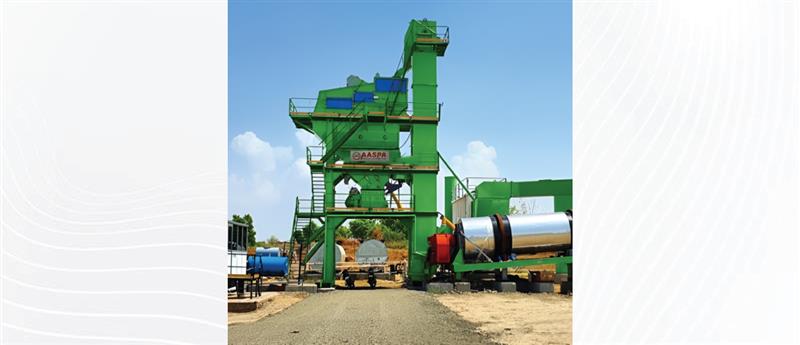
The efficiency and effectiveness of these plants are crucial for ensuring that the asphalt produced meets the required specifications for durability and performance. The operation of an asphalt batch mix plant is complex, involving various mechanical and electronic components that must work in harmony.
From the aggregate feeders to the mixing drum and storage silos, each part plays a vital role in the overall production process.
Key Takeaways
• Regular preventive maintenance is crucial for the efficient operation of asphalt batch mix plants.
• The preventive maintenance checklist for asphalt batch mix plants includes daily, weekly, and monthly tasks.
• Daily maintenance tasks for asphalt batch mix plants include checking oil levels, cleaning the plant, and inspecting the conveyor belts.
• Weekly maintenance tasks for asphalt batch mix plants involve checking the air filters, lubricating moving parts, and inspecting the burner.
• Regular inspections and record-keeping are important for identifying potential issues and ensuring the longevity of asphalt batch mix plants.
Importance of Preventive Maintenance for Asphalt Batch Mix Plants
Preventive maintenance is a systematic approach aimed at reducing the likelihood of equipment failures and extending the lifespan of machinery. For asphalt batch mix plants, this practice is particularly important due to the heavy wear and tear that occurs during operation. Regular maintenance not only minimizes downtime but also enhances safety by reducing the risk of accidents caused by malfunctioning equipment.
By implementing a preventive maintenance program, operators can identify potential issues before they escalate into costly repairs or production halts. Moreover, preventive maintenance contributes to the overall efficiency of asphalt production. Well-maintained equipment operates more smoothly and consumes less energy, leading to lower operational costs.
Additionally, consistent maintenance ensures that the quality of the asphalt produced remains high, which is critical for meeting industry standards and client expectations. In an industry where time is often of the essence, having a reliable and efficient plant can provide a competitive edge.
Components of a Preventive Maintenance Checklist for Asphalt Batch Mix Plants
A comprehensive preventive maintenance checklist for asphalt batch mix plants should encompass various components that address both mechanical and operational aspects. Key elements include inspections of critical machinery such as the aggregate dryer, mixing drum, and conveyor systems. Each component should be evaluated for wear and tear, ensuring that any signs of damage or inefficiency are promptly addressed.
Additionally, checking fluid levels, such as oil and hydraulic fluids, is essential to maintain proper functioning. Another important aspect of the checklist involves monitoring electrical systems and control panels. Given the reliance on automation in modern asphalt plants, ensuring that sensors, wiring, and control systems are functioning correctly is vital for seamless operations.
Furthermore, safety equipment such as fire extinguishers and emergency shut-off systems should be included in the checklist to ensure compliance with safety regulations and protect personnel working on-site.
Daily Maintenance Tasks for Asphalt Batch Mix Plants
|
Task |
Frequency |
Responsible |
|
Cleaning of mixing unit |
Daily |
Plant operator |
|
Checking oil levels |
Daily |
Maintenance technician |
|
Inspecting conveyor belts |
Weekly |
Maintenance technician |
|
Greasing bearings |
Monthly |
Maintenance technician |
Daily maintenance tasks are crucial for ensuring that asphalt batch mix plants operate smoothly on a day-to-day basis. These tasks typically include visual inspections of all equipment to identify any immediate issues that may affect production. Operators should check for leaks in hydraulic systems, inspect belts for wear, and ensure that all moving parts are adequately lubricated.
Additionally, cleaning filters and screens is essential to prevent blockages that could disrupt material flow. Another important daily task involves monitoring temperature settings for both aggregates and asphalt binder. Maintaining optimal temperatures is critical for achieving the desired consistency in the final product.
Operators should also verify that all safety devices are operational before commencing production. By performing these daily checks, operators can significantly reduce the risk of unexpected breakdowns and maintain a steady workflow.
Weekly Maintenance Tasks for Asphalt Batch Mix Plants
Weekly maintenance tasks build upon daily inspections by delving deeper into the operational integrity of the plant. This may include more thorough cleaning of equipment components such as the mixing drum and aggregate bins to remove any accumulated debris or material buildup. Regular cleaning helps prevent contamination of the asphalt mix and ensures that all components function efficiently.
Additionally, weekly tasks should involve checking calibration settings for weighing systems to ensure accurate measurement of materials. This is vital for maintaining quality control in asphalt production. Operators should also inspect electrical connections and control systems for any signs of wear or malfunction.
By dedicating time each week to these tasks, operators can enhance reliability and performance while minimizing potential disruptions in production.
Monthly Maintenance Tasks for Asphalt Batch Mix Plants
Monthly maintenance tasks are designed to provide a more comprehensive evaluation of the plant’s overall condition. This may involve conducting detailed inspections of major components such as the burner system, which is critical for heating aggregates efficiently. Operators should assess burner performance and clean any soot or residue that may have accumulated over time.
Furthermore, monthly maintenance should include a thorough review of all safety systems, including emergency shut-off valves and alarms. Testing these systems ensures they are functional in case of an emergency. Additionally, operators should review maintenance logs to track any recurring issues or patterns that may indicate underlying problems requiring attention.
By performing these monthly checks, operators can proactively address potential issues before they escalate into significant concerns.
Importance of Regular Inspections and Record-Keeping for Asphalt Batch Mix Plants
Regular inspections and meticulous record-keeping are integral components of an effective preventive maintenance program for asphalt batch mix plants. Inspections allow operators to identify wear and tear on equipment early on, facilitating timely repairs that can prevent costly downtime. Moreover, routine assessments help ensure compliance with industry regulations and safety standards, which is essential for maintaining operational licenses.
Record-keeping serves as a valuable tool for tracking maintenance activities over time. By documenting inspections, repairs, and replacements, operators can analyze trends in equipment performance and identify areas needing improvement. This data-driven approach not only enhances decision-making but also aids in budgeting for future maintenance needs.
Ultimately, regular inspections combined with diligent record-keeping contribute to a culture of accountability and continuous improvement within asphalt batch mix plant operations.
What is an Asphalt Batch Mix Plant?
An Asphalt Batch Mix Plant is a facility used for the production of asphalt, which is a mixture of aggregate, filler, and bitumen heated and mixed in a specific proportion to create a hot mix asphalt.
Why is Preventive Maintenance Important for Asphalt Batch Mix Plants?
Preventive maintenance is important for Asphalt Batch Mix Plants to ensure smooth and efficient operation, minimize downtime, extend equipment lifespan, and maintain product quality.
What are the Components of a Preventive Maintenance Checklist for Asphalt Batch Mix Plants?
A preventive maintenance checklist for Asphalt Batch Mix Plants typically includes inspection and maintenance tasks for components such as the drum, burner, conveyor systems, electrical systems, and pollution control equipment.
What are the Daily Maintenance Tasks for Asphalt Batch Mix Plants?
Daily maintenance tasks for Asphalt Batch Mix Plants may include checking oil levels, inspecting conveyor belts, cleaning the plant, and ensuring proper functioning of safety devices.
What are the Weekly Maintenance Tasks for Asphalt Batch Mix Plants?
Weekly maintenance tasks for Asphalt Batch Mix Plants may include lubricating moving parts, inspecting and cleaning the burner, checking for wear and tear on components, and calibrating equipment.
What are the Monthly Maintenance Tasks for Asphalt Batch Mix Plants?
Monthly maintenance tasks for Asphalt Batch Mix Plants may include inspecting and cleaning the exhaust system, checking the accuracy of weighing systems, and conducting a thorough inspection of all plant components.
Why is Regular Inspections and Record-Keeping Important for Asphalt Batch Mix Plants?
Regular inspections and record-keeping are important for Asphalt Batch Mix Plants to identify potential issues early, track maintenance activities, and ensure compliance with regulatory requirements.